Loading…
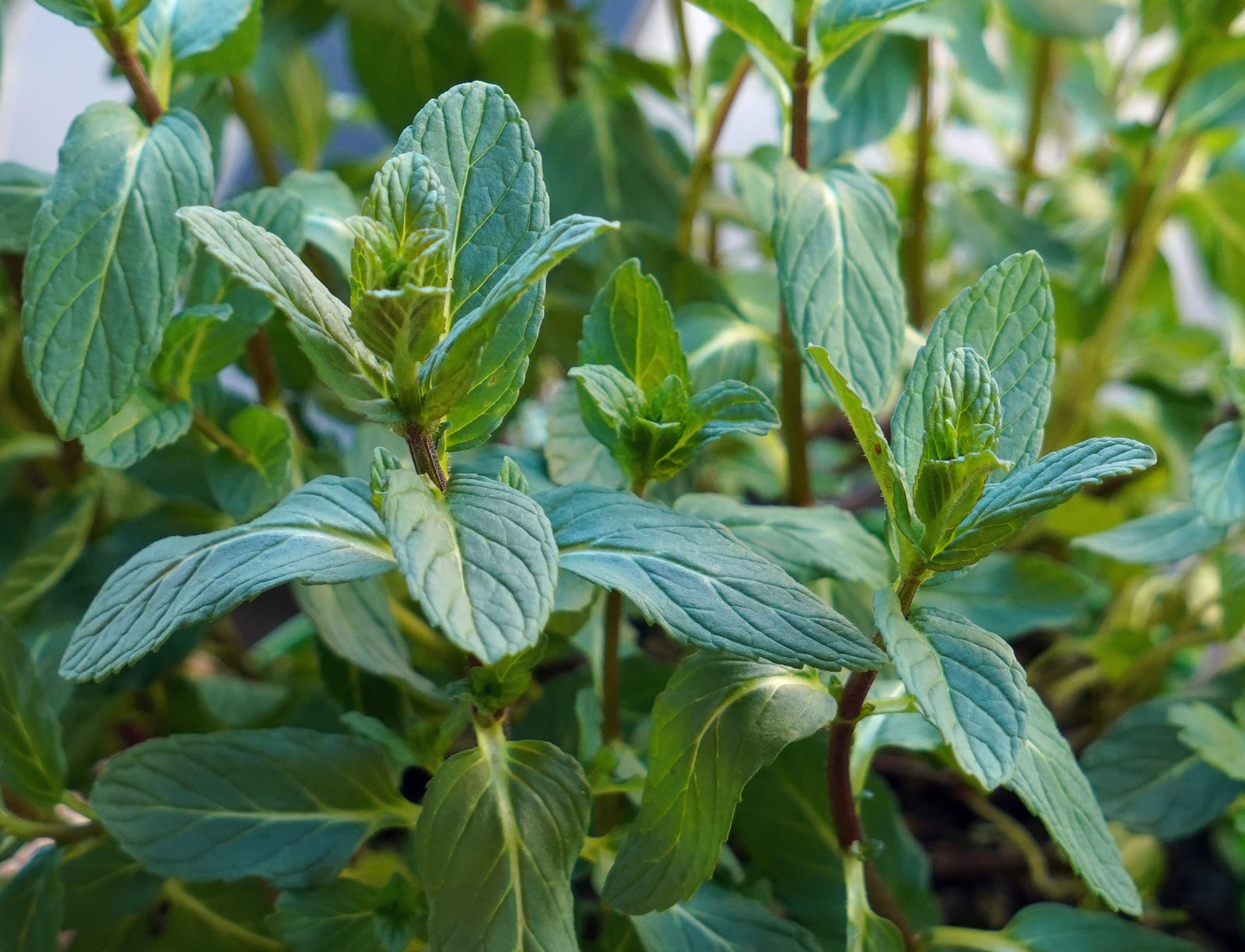 🔍 Click to enlarge
herbperennial💧 Hydroponic-Compatible
Mint
Mentha spicata
Vigorous, fragrant herb. Best grown in containers to prevent spreading.
Quick Facts
Sun:☀️ Full Sun, ⛅ Partial Shade
Water:💧💧 Moderate
USDA Zones:Zones 3–11
Space:🪴 Container, 🌱 Small Bed
Soil:Loam, Clay, Silty, Peaty
Best Season(s):Spring, Summer, Fall
Experience Level:🌱 Beginner
Native Range:Europe & the Mediterranean
Bloom Color:Small purple-pink spikes
Bloom Cycle:Mid-to-late summer
Days to Harvest:30–40 days from cutting
Harvest Pattern:Perennial — produces year after year
Care Notes
Contain in pots — it will take over a bed. Cut back in fall.
💧 Hydroponic Notes
Thrives in Kratky or NFT systems. Grows very fast — harvest frequently. Can be grown from cuttings placed directly in the net cup. Year-round production indoors.
Growing Details
Mature Size:1-2 ft tall, spreading indefinitely via rhizomes (2-3 ft or more per season if unchecked)
Growth Rate:🐇 Fast
Zone Performance
Mint is winter-hardy throughout its entire Zone 3-11 range, but its behavior shifts with climate: in cold Zone 3-4 gardens it dies back completely to the rhizome each winter and re-emerges reliably in spring, while in warm Zone 9-11 areas it can remain evergreen and semi-active year-round, extending its already aggressive spreading season by several months.
Companions & Wildlife
🦌 Deer Resistance
rarely damaged
The intensely pungent menthol oils in mint foliage make it one of the most reliably deer-avoided herbs in the garden.
🐝 Pollinator Value
high
Mint's late-summer flower spikes are a magnet for honeybees, bumblebees, and numerous small native bees and hoverflies.
Good Companions
Cabbage — Mint's strong scent is reputed to help mask brassicas from cabbage moths, and its low sprawling habit doesn't compete for light.
Broccoli — The pungent aroma of mint foliage can help confuse cabbage worm moths seeking brassica hosts.
Tomato — Mint is a traditional companion said to repel aphids and flea beetles that also trouble tomatoes, though it must be grown in a buried pot to prevent it overtaking the tomato bed.
Troubleshooting
⚠️ Rhizomes escaping the bed and colonizing surrounding lawn or beds
Grow mint only in a bottomless pot sunk into the ground with the rim left 2 inches above soil level, or keep it strictly in an above-ground container.
⚠️ Rust appearing as orange-brown pustules on leaf undersides
Remove and dispose of infected foliage, avoid overhead watering, and cut the entire planting back hard to encourage clean new growth.
⚠️ Powdery mildew coating leaves in dry, crowded conditions
Thin dense clumps for airflow, water at the base, and shear plants back hard — mint regrows quickly from a hard cutback.
⚠️ Flavor turning weak or leggy stems by midsummer
Cut the entire patch back by half in early summer to force fresh, more aromatic new growth.
💧 Growing Mint Hydroponically
Mint is well suited to soil-free growing. Here is what to know before you set up.
Time to harvest
30–40 days from cutting
Target pH (herbs)
5.5 – 6.5
Nutrient strength (EC, established)
1.0 – 1.6 mS/cm
Seedlings: 0.4 – 0.8 mS/cm
Light (DLI)
14 – 20 mol/m²/day
Roughly 12 – 16 hours a day indoors
Strength and light figures are typical ranges for herbs as a group, not measurements specific to Mint. Your nutrient's feeding chart takes priority.
Best-suited systems
Workable
Thrives in Kratky or NFT systems. Grows very fast — harvest frequently. Can be grown from cuttings placed directly in the net cup. Year-round production indoors.
✅ Pet Safety
Non-toxic to cats and dogs in normal amounts; essential oil concentrates are a different story and should be avoided.
Informational only — always check with a veterinarian if you suspect your pet has eaten something it shouldn't have.
🌿 Traditional & Medicinal Use
Well-established traditional and clinical evidence for digestive comfort (peppermint oil specifically) — see the Medicinal Herb Garden guide for preparation and cautions.
Informational only, not medical advice — consult a healthcare provider before using any plant medicinally.