Loading…
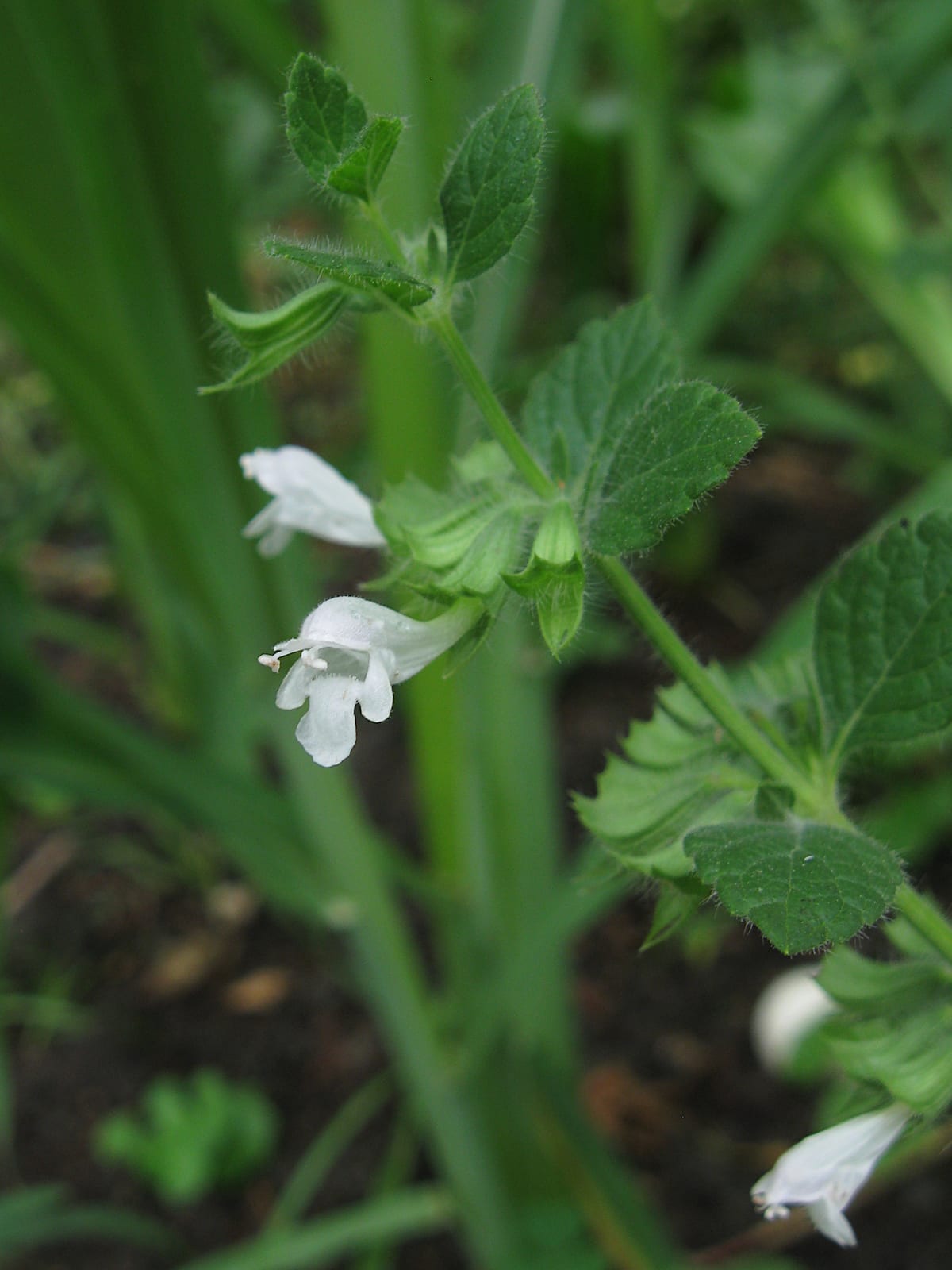 🔍 Click to enlarge
herbperennial💧 Hydroponic-Compatible
Lemon Balm
Melissa officinalis
Lemon-scented mint relative used in teas, desserts, and as a calming herb. Spreads vigorously.
Quick Facts
Sun:☀️ Full Sun, ⛅ Partial Shade
Water:💧💧 Moderate
USDA Zones:Zones 3–7
Space:🪴 Container, 🌱 Small Bed
Soil:Loam, Sandy, Silty
Best Season(s):Spring, Summer
Experience Level:🌱 Beginner
Native Range:Southern Europe & the Mediterranean
Bloom Color:Small white to pale yellow
Bloom Cycle:Summer
Days to Harvest:35–50 days
Harvest Pattern:Perennial — produces year after year
Care Notes
Contain in pots to prevent spreading. Cut back hard after flowering to prevent self-seeding.
💧 Hydroponic Notes
Grows quickly in Kratky or NFT. Harvest frequently to keep bushy. Great for tea gardens — fresh or dried.
Growing Details
Mature Size:1.5-2.5 ft tall, 1.5-2 ft wide, spreading by rhizomes and self-seeding
Growth Rate:🐇 Fast
Zone Performance
Lemon balm is hardy throughout its Zone 3-7 range and dies back completely to the roots each winter everywhere in that range, re-emerging vigorously in spring. Because it's less heat-tolerant than true mints, gardeners at the warm Zone 7 edge should expect some summer dormancy or scorch during the hottest weeks, while in the colder Zone 3-4 portion of its range it performs best with consistent moisture and light afternoon shade.
Companions & Wildlife
🦌 Deer Resistance
seldom damaged
Lemon balm's strong citrus-mint scent generally discourages deer browsing, though it is less consistently avoided than woodier Mediterranean herbs.
🐝 Pollinator Value
high
The small white summer flowers are a strong draw for honeybees (the genus name Melissa is Greek for honeybee) as well as native bees and hoverflies.
Good Companions
Tomato — Lemon balm's flowers attract pollinators and predatory insects, and its lemony scent is reputed to help repel aphids and whiteflies from nearby tomatoes.
Squash — Lemon balm's flowers draw in bees and other pollinators that improve fruit set on squash.
Cucumber — The strong lemony aroma is traditionally believed to help deter cucumber beetles.
Troubleshooting
⚠️ Aggressive self-seeding and spreading throughout the bed
Deadhead flowers before they set seed and contain the root system in a buried pot, the same way you would with mint.
⚠️ Powdery mildew coating leaves in humid, crowded conditions
Cut the whole plant back hard after flowering to remove infected growth and stimulate clean new foliage.
⚠️ Leaf scorch and wilting during summer heat waves
Provide afternoon shade in hot climates and keep soil consistently moist rather than letting it dry out fully.
⚠️ Diminished lemon fragrance in older, leggy growth
Harvest and cut back regularly throughout the season, since fresh young leaves carry noticeably more essential oil than old woody stems.
💧 Growing Lemon Balm Hydroponically
Lemon Balm is well suited to soil-free growing. Here is what to know before you set up.
Time to harvest
35–50 days
Target pH (herbs)
5.5 – 6.5
Nutrient strength (EC, established)
1.0 – 1.6 mS/cm
Seedlings: 0.4 – 0.8 mS/cm
Light (DLI)
14 – 20 mol/m²/day
Roughly 12 – 16 hours a day indoors
Strength and light figures are typical ranges for herbs as a group, not measurements specific to Lemon Balm. Your nutrient's feeding chart takes priority.
Best-suited systems
Workable
Grows quickly in Kratky or NFT. Harvest frequently to keep bushy. Great for tea gardens — fresh or dried.
✅ Pet Safety
Non-toxic to cats and dogs.
Informational only — always check with a veterinarian if you suspect your pet has eaten something it shouldn't have.
🌿 Traditional & Medicinal Use
Clinical evidence for mild anxiety/sleep support — see the Medicinal Herb Garden guide for the evidence and preparation.
Informational only, not medical advice — consult a healthcare provider before using any plant medicinally.