Loading…
←Back to Newsletters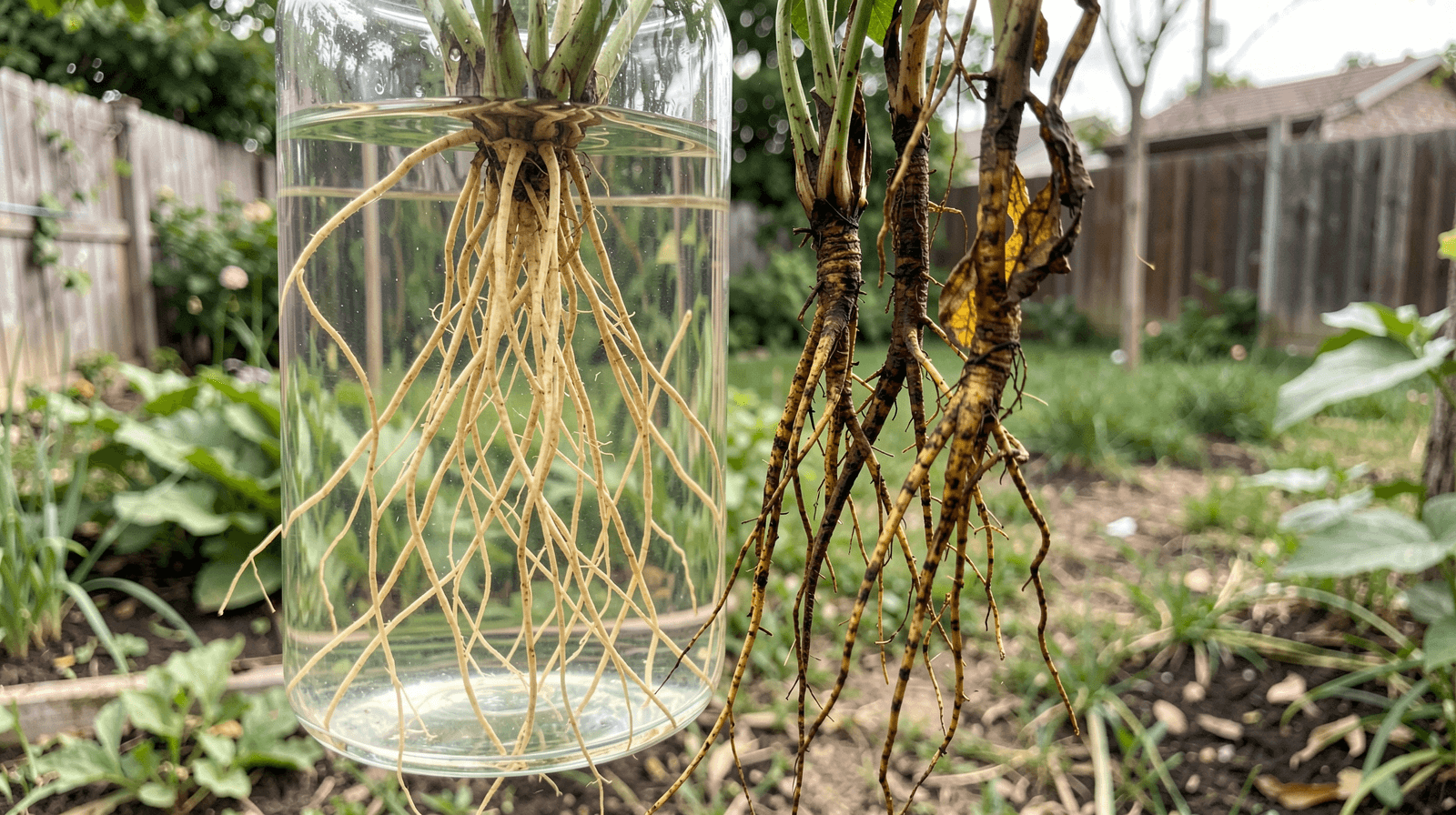

Hydroponics From Scratch · Part 6
When Your Hydroponic Setup Goes Wrong: A Troubleshooting Guide
Written by David Rodgers — 2026-10-30
A simple checklist to diagnose yellow leaves and weak roots.
The newsletter for backyard growers tired of equipment failure and confusing nutrient sheets.
HydroponicsPlant HealthTroubleshootingIndoor Gardening
What’s actually going wrong? (The quick diagnosis)
There is nothing more frustrating than watching a hydroponic setup you spent hours building start to decline. You see that first leaf turn a sickly yellow, or maybe the new growth just stops altogether as if by some invisible hand. I've been there—staring at a tray of peppers that looks like it’s giving up on life despite my best efforts to keep things "perfect."
When your plants start showing signs of distress, you have to act like a detective. The first thing most people do is panic and dump more nutrients into the water, but that usually just makes things worse if the underlying issue isn't addressed. Before you change anything else, look at the symptoms: are the tips of the leaves turning brown and crispy? Is the growth stunted even though they have plenty of light? Or is it a general yellowing across the whole plant?
The secret to troubleshooting hydroponics is looking for the "why" behind the symptom. Usually, the problem falls into one of three buckets: the chemistry of the water (pH/EC), the health of the root zone (oxygen and rot), or the environment surrounding the tray (heat and air). You have to check these in a specific order because fixing the wrong thing can actually kill your crop faster than the original problem.
Step 1: The water chemistry test
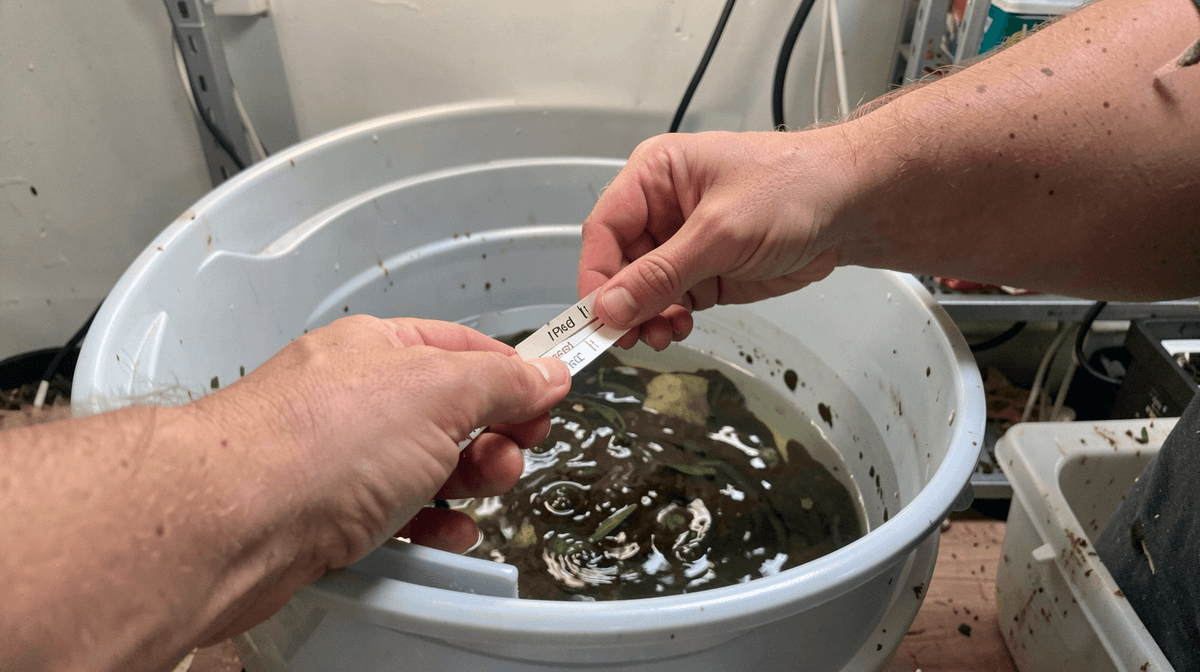
If you aren't testing your water, you’re essentially gardening by guesswork—and in hydroponics, guessing is how you lose your crop. This is the single most common point of failure for home growers. You can have the best nutrients on the market, but if your pH level is off, the plant simply cannot "grab" those minerals from the water. It’s like trying to eat with your hands tied behind your back; the food is there, but you can't get it into your mouth.
The PH Balance
Most plants want a slightly acidic environment—usually between 5.5 and 6.5 depending on what you're growing. If your pH swings too high (alkaline) or too low (acidic), certain nutrients become "locked out." You might see perfect green leaves one day, and then suddenly the plant starts starving because the chemistry shifted overnight.
The EC (Electrical Conductivity)
EC is just a fancy way of measuring how much "stuff" (salts/nutrients) is dissolved in your water.
- Too High: This is like over-fertilizing soil but on steroids; it causes "nutrient burn," where the tips of the leaves turn brown and crispy because there's too much salt for the plant to process.
- Too Low: The plant looks pale, thin, and weak because it’s essentially starving in a pool of plain water.
Always test your reservoir before you add anything new. If the chemistry is wrong, that’s your first fix.
Signs of trouble in your roots (The slime factor)
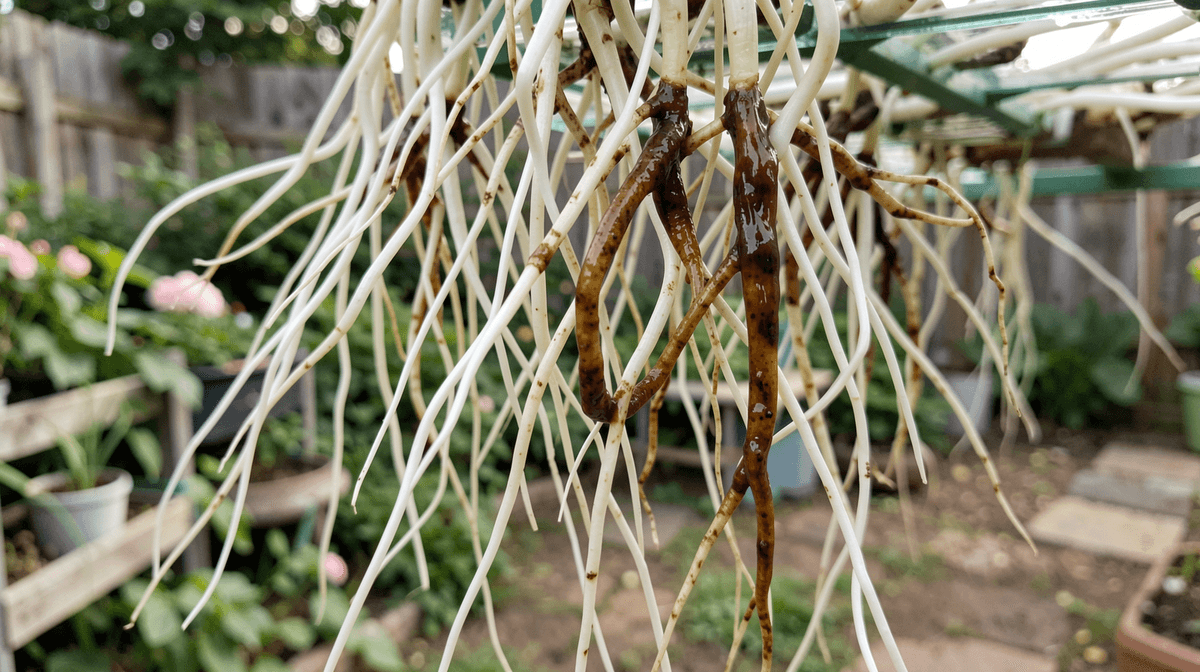
In hydroponics, the root zone is where the real work happens, and it's also where most problems hide. Because there is no soil to buffer things out, any mistake in the water becomes an immediate threat to the roots. I’ve learned the hard way that a healthy root system should look like a bunch of white, fuzzy threads. They should feel firm and clean.
The Red Flags
If you pull back a plant and see roots that are brown, mushy, or—worst of all—slimy to the touch, you have a rot problem. This is usually caused by two things: 1) too much heat in the water (which kills oxygen levels), or 2) a bacterial bloom because the system isn't being cleaned regularly.
The "Slime" Diagnosis
When roots get slimy, they lose their ability to transport water and nutrients up to the leaves. This is why your plant might look like it’s starving even if your EC levels are perfect. If you see this:
- Check your oxygen: Is your air stone bubbling enough?
- Check your temperature: In a place like Oklahoma (Zone 7), our summer heat can easily cook the water in an indoor setup, making it impossible for roots to breathe.
- Flush the system: If there is significant slime, you need to get that out of the reservoir immediately before it spreads to every other plant in the tray.
Is it a nutrient problem? The N-P-K breakdown
Once you’ve confirmed your pH is correct and your roots aren't rotting, you have to look at what the plant is actually "eating." Most nutrients are measured by their three main components: Nitrogen (N), Phosphorus (P), and Potassium (K). When a specific one of these is missing, the plant will give you very specific visual cues.
Identifying the Deficiency
Knowing which leaf is showing symptoms tells you exactly what's missing. Generally, older leaves show deficiencies first because the plant is moving nutrients toward the new growth at the top.
| Nutrient | Primary Function | Symptom of Deficiency | Where to look |
|---|---|---|---|
| Nitrogen (N) | General growth and "greenness" | Pale yellowing of older leaves; stunted height | Older, lower leaves first |
| Phosphorus (P) | Root development and blooms | Purplish tints on the underside of leaves; very small roots | Lower leaves/stems |
| Potassium (K) | Overall plant health & water regulation | Scorched-looking leaf edges; "burnt" appearance | Older, outer leaves |
If you see yellowing but your pH is perfect and your roots are white, it’s time to adjust your nutrient concentration. Don't just add more of everything—figure out which specific part of the N-P-K balance is lagging based on those visual cues.
Environmental checks: Light, heat, and airflow
It is incredibly easy to blame the nutrients when the problem is actually just a "bad house" for your plants. In my experience, many home growers overlook the basic physics of the room where the setup is sitting. Plants are living things that breathe and sweat (transpire). If they can't do those things, they will shut down.
The Heat Trap
In Zone 7, we know how oppressive the heat can get. If your hydroponic lights are running in a small room with no air movement, the temperature around the plants can skyrocket. This stresses the plant, causing it to drop leaves or stop growing regardless of how much fertilizer you give it.
Airflow and Light
- Stagnant Air: Without proper circulation, humidity builds up around the leaves. This is a breeding ground for powdery mildew and other issues that make plants look "sick." A simple oscillating fan can do wonders.
- Light Stress: If your lights are too close or running too many hours a day, you might see bleached spots on the top leaves. Conversely, if they aren't getting enough, they will get "leggy"—stretching out and becoming weak as they try to find more light.
Always check that your room temperature is stable and that there is at least some movement of air around the foliage.
Last resort: When to reset the whole system
Sometimes, you do all the right things—you balance the pH, you fix the airflow, you clean the roots—and the plant still won't recover. In gardening, there comes a point where you have to accept that the "fix" is starting over. If a plant has significant root rot or has been severely stunted for weeks without showing improvement, it’s often better to cut your losses and reset.
When to pull the plug
You should consider a full system flush and reset if:
- The Slime factor is overwhelming: If 50% or more of the root mass is brown/mushy, you have a systemic infection that is hard to clear without a total dump.
- Severe Nutrient Burn: If the leaves are so "burnt" and crispy that they are falling off, the plant's vascular system may be damaged beyond repair.
How to reset properly
Don't just move the dying plants to a new tray—that carries the problem with you.
- Dump everything: Empty the reservoir completely.
- Sanitize: Use a mild hydrogen peroxide solution or a dedicated hydroponic cleaner to scrub out the lines and the tray.
- Start Fresh: For your next run, I recommend starting with "hardier" crops like lettuce or basil. They are much more forgiving while you're refining your system's chemistry. Once those are thriving consistently for two weeks, then move back to the more demanding stuff like peppers or tomatoes.
Your turn
Is there a specific plant in your yard that just refuses to thrive? Tell me what it is and I might know why. Share this issue with another gardener who needs help keeping their hands dirty!
🌿 Get Seasonal Gardening Tips
New guides, planting reminders, and growing tips — straight to your inbox.
No spam. Unsubscribe anytime.
About the Author
David Rodgers is the Founder & Head Gardener of Planting Atlas. With over 40 years of hands-on gardening experience in Oklahoma's Zone 7 climate, he researches, writes, and personally tests every guide on the site.
David draws from real backyard trials, soil testing, and trusted sources like Oklahoma State University Extension and USDA data to deliver practical, zone-specific advice that actually works.
Read more about David and Planting Atlas →