Foundation Planting Guide
Written by David Rodgers — Updated March 2026
Choose and place the right shrubs and plants around your home's base — framing the house attractively while avoiding maintenance and moisture headaches.
Foundation planting serves two purposes at once: it visually connects a house to its site by softening hard architectural lines, and it defines the entry experience for anyone approaching the front door. The most common mistake is planting too close to the foundation and choosing shrubs that grow far larger than expected. A juniper that looks perfect at three feet will reach twelve feet in ten years, eventually pressing against siding, blocking windows, and trapping moisture against the wall — the very problems foundation planting is supposed to prevent.
What This Guide Covers
Successful foundation planting starts with knowing the mature size of every plant before it goes in the ground, then placing it at least half its mature width away from the foundation wall. Evergreen shrubs provide year-round structure and are the backbone of most foundation plans, but mixing in deciduous shrubs with seasonal interest — forsythia in spring, oakleaf hydrangea in summer, viburnum berries in fall — prevents the planting from looking static. In regions with wet climates, maintaining an 18-inch mulched clearance between plants and the foundation wall is critical for keeping moisture away from siding and preventing rot.
A comprehensive, in-depth guide covering plant sizing and spacing rules, evergreen vs. deciduous combinations, corner specimens vs. mass planting, dealing with difficult foundation conditions (deep shade, reflected heat, dry overhang), and regional plant recommendations is currently in development. Subscribe to the Planting Atlas newsletter to be notified when the full guide publishes.
🌿 Get Seasonal Gardening Tips
New guides, planting reminders, and growing tips — straight to your inbox.
No spam. Unsubscribe anytime.
About the Author
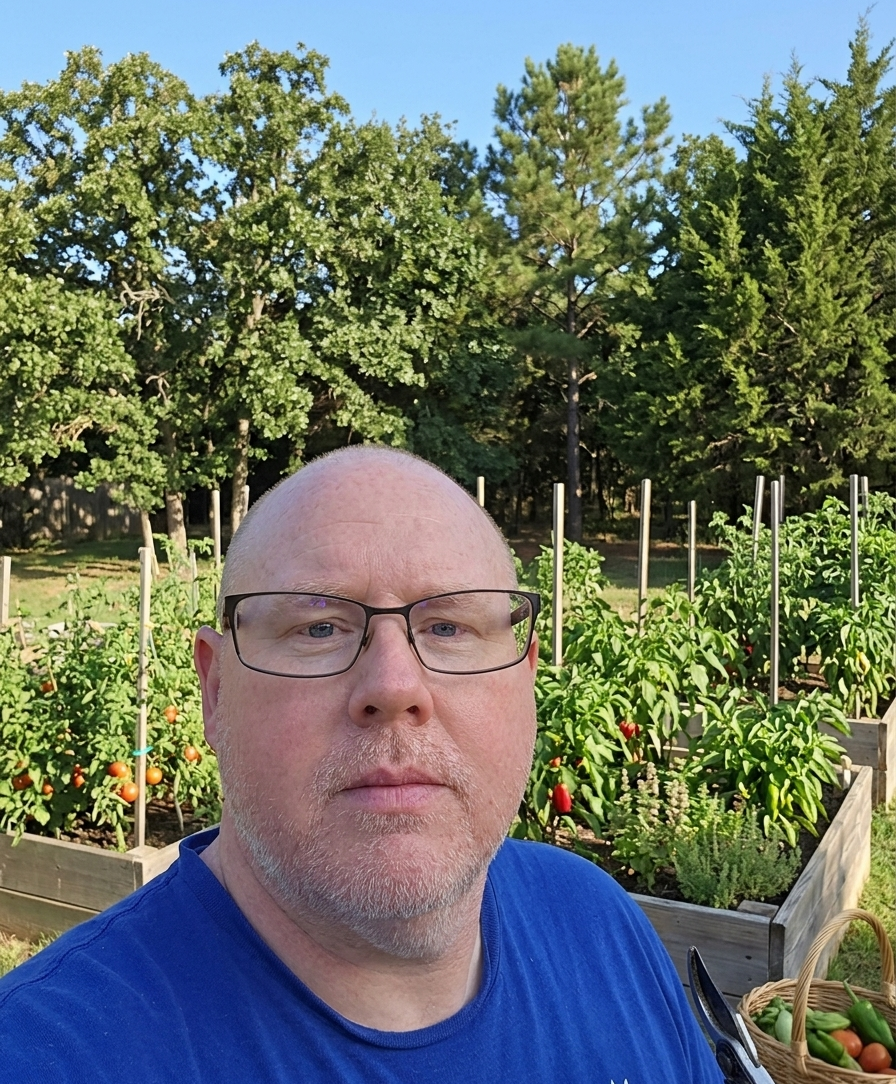
David Rodgers is the Founder & Head Gardener of Planting Atlas. With over 40 years of hands-on gardening experience in Oklahoma's Zone 7 climate, he researches, writes, and personally tests every guide on the site.
David draws from real backyard trials, soil testing, and trusted sources like Oklahoma State University Extension and USDA data to deliver practical, zone-specific advice that actually works.
Read more about David and Planting Atlas →