Loading…
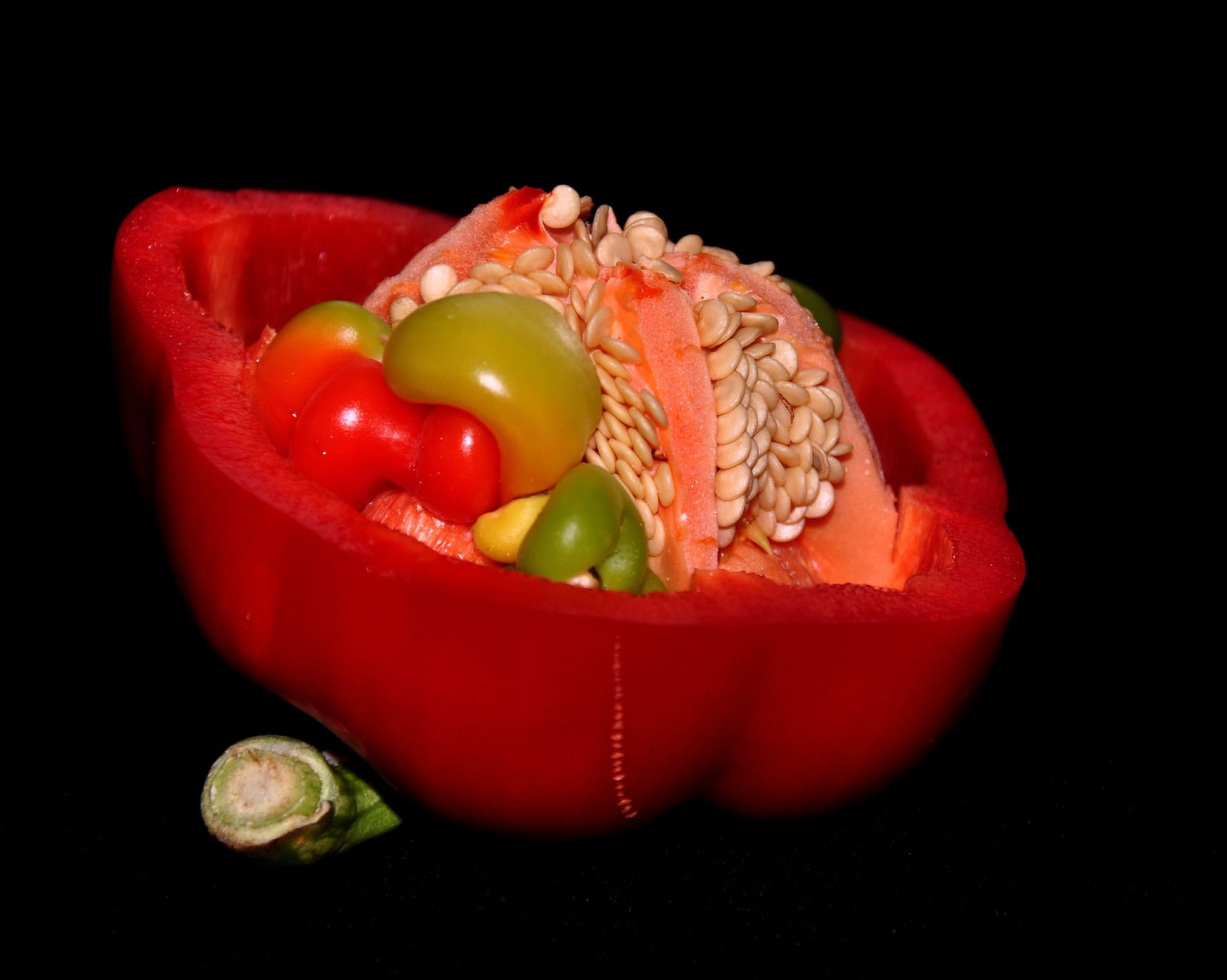 🔍 Click to enlarge
vegetableannual💧 Hydroponic-Compatible
Bell Pepper
Capsicum annuum
Colorful, vitamin-rich peppers that love long, warm summers.
Quick Facts
Sun:☀️ Full Sun
Water:💧💧 Moderate
USDA Zones:Zones 5–11
Space:🪴 Container, 🌱 Small Bed, 🏡 Large Garden
Soil:Loam, Silty
Best Season(s):Spring, Summer
Experience Level:🌿 Intermediate
Native Range:Central & South America
Bloom Color:Small white flowers (grown for fruit)
Bloom Cycle:Continuous through summer as fruit sets
Days to Harvest:70–90 days
Harvest Pattern:Continuous / cut-and-come-again
Care Notes
Start indoors 8–10 weeks before last frost. Needs warm soil to thrive.
💧 Hydroponic Notes
Great in DWC or ebb & flow. Needs strong light (16–18 hrs/day). Support stems as fruit develops. Keep pH between 6.0–6.5.
Growing Details
Mature Size:1.5-3 ft tall, 1.5-2 ft wide
Growth Rate:🌿 Moderate
Zone Performance
In Zones 5-6, peppers need transplants started indoors 8-10 weeks ahead and benefit from black plastic mulch or wall-o-water protection to bank enough heat, since a short season can leave fruit stuck at green and never reaching its ripe color. In Zones 9-11, plants often persist as short-lived perennials if protected from any occasional cold snap, continuing to flower and fruit for more than one season.
Companions & Wildlife
🦌 Deer Resistance
occasionally damaged
Peppers are not a top deer favorite, but young transplants and tender new leaves are still browsed when deer pressure is high.
🐝 Pollinator Value
moderate
Small white self-fertile flowers don't require insects to set fruit, but visits from bumblebees and sweat bees measurably improve pollination rates and fruit size.
Good Companions
Basil — Classic pairing — basil is reputed to improve pepper flavor and help repel common pests.
Troubleshooting
⚠️ Blossom drop with no fruit set
Blossom drop is usually triggered by temperatures above 90°F or below 60°F — provide afternoon shade cloth in extreme heat and wait out cool snaps.
⚠️ Sunscald — pale, papery patches on exposed fruit
Avoid over-pruning foliage that shades developing fruit, and use light shade cloth during peak summer intensity.
⚠️ Blossom-end rot on fruit tips
Maintain even soil moisture with mulch and consistent watering rather than letting the root zone swing between dry and saturated.
⚠️ Aphids curling new leaves
Spray undersides of leaves with insecticidal soap and interplant with alliums or basil to deter buildup.
💧 Growing Bell Pepper Hydroponically
Bell Pepper is well suited to soil-free growing. Here is what to know before you set up.
Time to harvest
70–90 days
Target pH (bell peppers)
6 – 6.5
Nutrient strength (EC, established)
1.8 – 3.0 mS/cm
Seedlings: 0.4 – 0.8 mS/cm
Light (DLI)
20 – 30 mol/m²/day
Roughly 14 – 18 hours a day indoors
Best-suited systems
Great in DWC or ebb & flow. Needs strong light (16–18 hrs/day). Support stems as fruit develops. Keep pH between 6.0–6.5.
✅ Pet Safety
Ripe fruit is non-toxic to cats and dogs; the plant's leaves/stems are mildly irritating like other nightshades.
Informational only — always check with a veterinarian if you suspect your pet has eaten something it shouldn't have.