Summer Garden Maintenance
Written by David Rodgers — Updated March 2026
Keep your garden productive and attractive through the heat of summer with a targeted maintenance routine that prevents problems before they compound.
Summer is when the garden both delivers its peak performance and demands the most vigilance. Heat stress, insect pressure, powdery mildew, and the relentless production of seeds on spent flowers all accelerate in July and August. A weekly maintenance routine — deadheading to extend bloom, scouting for pest damage early, deep watering instead of shallow daily watering, and staying on top of succession planting gaps — keeps the garden producing continuously rather than peaking in June and declining by midsummer.
What This Guide Covers
Watering is the most consequential summer task. Shallow, frequent irrigation encourages shallow roots and increases disease pressure from leaf wetness; deep, infrequent watering (1–2 inches per week applied in one or two sessions, ideally in the morning) drives roots deeper and dramatically reduces fungal problems. Midsummer is also the time to cut back spent spring perennials like salvia and catmint hard — many will rebloom in six weeks. For vegetable gardens, succession planting every two to three weeks for crops like beans and lettuce, and sowing a fall brassica crop in late July or early August, keeps the harvest going well into autumn.
A comprehensive, in-depth guide covering deep watering technique and scheduling, deadheading and cutting-back timing by plant, midsummer fertilizing for containers and annuals, succession planting for fall harvests, and heat-stress management for vegetables is currently in development. Subscribe to the Planting Atlas newsletter to be notified when the full guide publishes.
🌿 Get Seasonal Gardening Tips
New guides, planting reminders, and growing tips — straight to your inbox.
No spam. Unsubscribe anytime.
About the Author
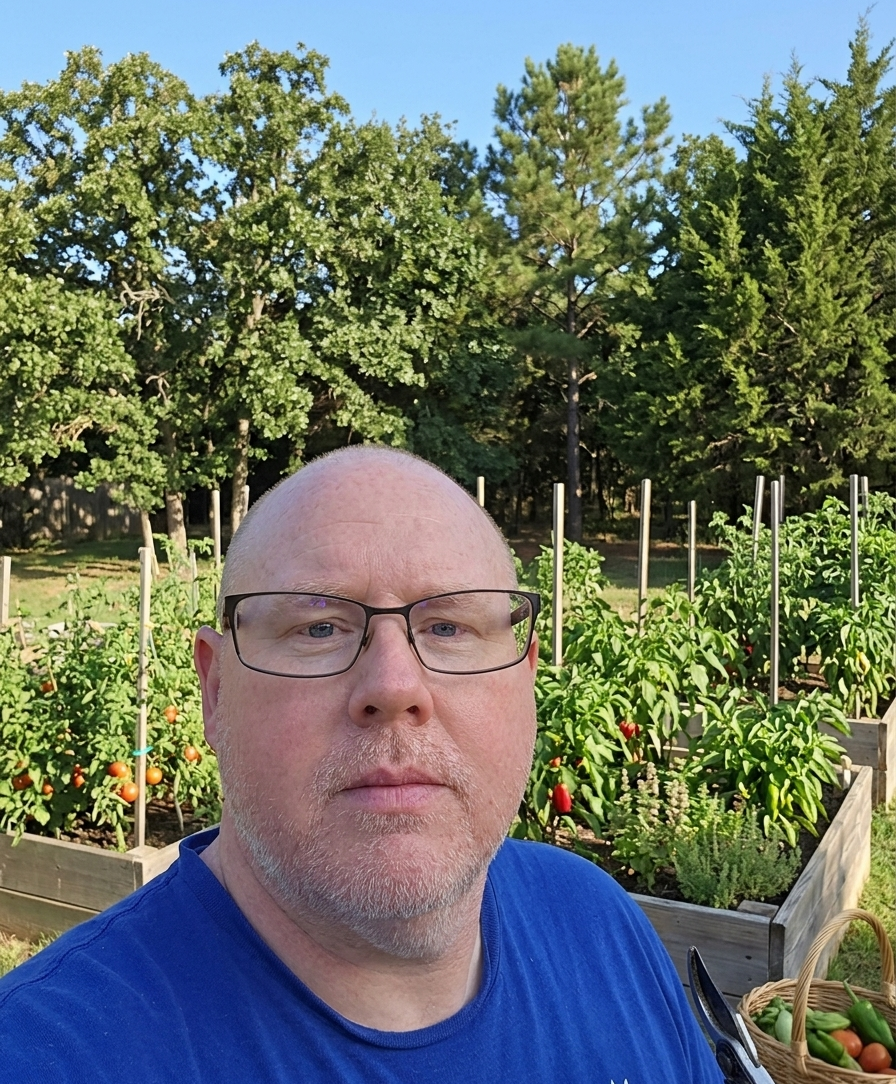
David Rodgers is the Founder & Head Gardener of Planting Atlas. With over 40 years of hands-on gardening experience in Oklahoma's Zone 7 climate, he researches, writes, and personally tests every guide on the site.
David draws from real backyard trials, soil testing, and trusted sources like Oklahoma State University Extension and USDA data to deliver practical, zone-specific advice that actually works.
Read more about David and Planting Atlas →