Discover why fall is actually the best season to plant trees, shrubs, and spring bulbs — cooler air, warm soil, and lower stress give plants a head start.
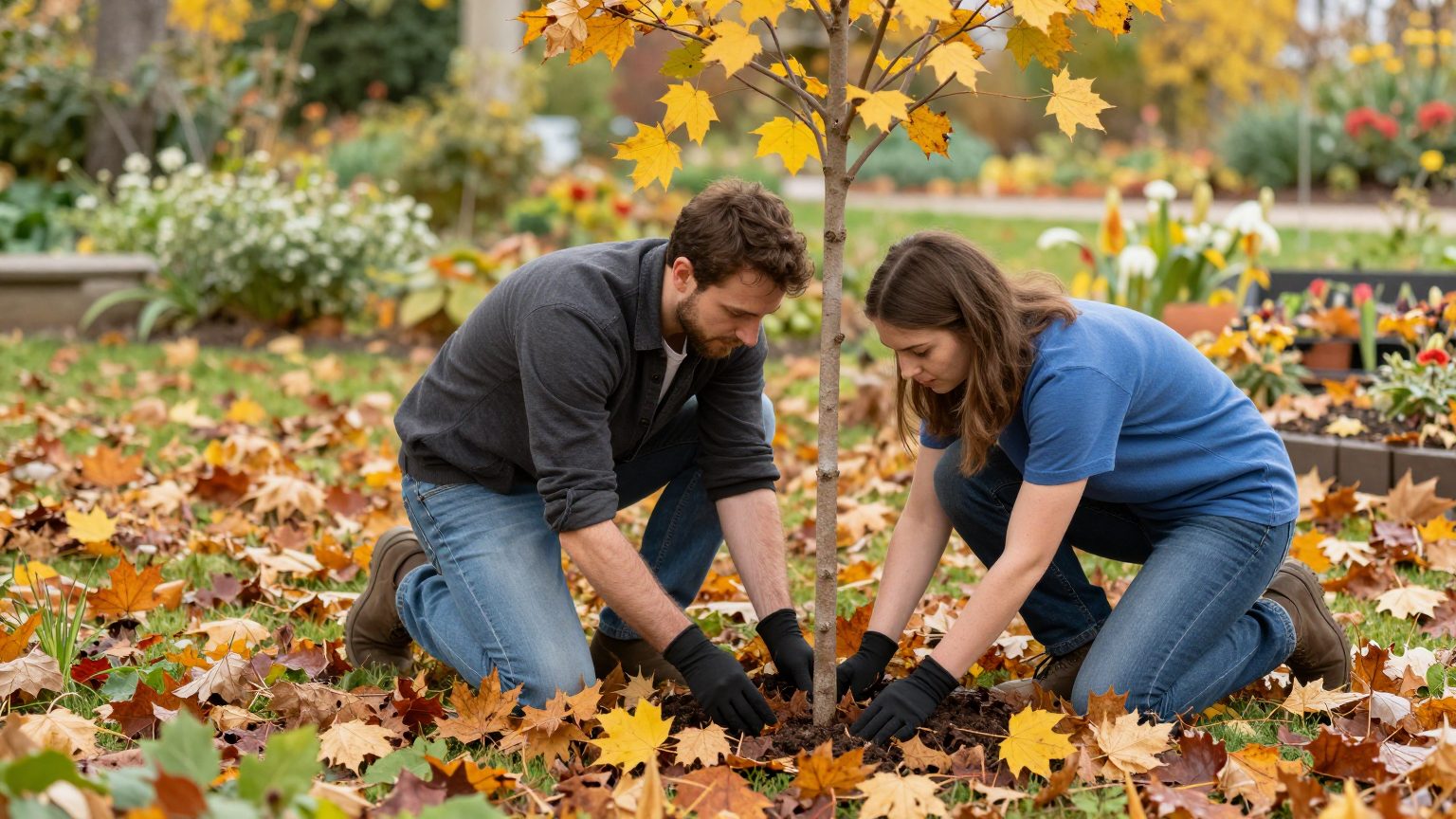
Most gardeners think of spring as planting season, but experienced growers know that fall — from late August through the first hard frost — is often superior for establishing trees, shrubs, and perennials. Soil temperatures remain warm well into fall even as air temperatures cool, which encourages vigorous root development without the stress of summer heat above ground. A tree planted in October has three to four months of root establishment before winter dormancy, giving it a significant advantage over the same species planted the following April. This guide focuses on the case for fall planting and its timing windows for trees, shrubs, garlic, and lawns — see the site's Spring Bulb Garden guide for full detail on planting tulips, daffodils, and alliums, which also happens in fall.
Why Fall Planting Beats Spring for Trees and Shrubs
The core advantage of fall planting comes down to soil physics: soil temperature lags well behind air temperature, staying warm enough to support active root growth for weeks or months after the air has cooled and stopped stressing the plant above ground.
•Warm fall soil supports continued root development even as top growth slows and the plant enters dormancy, giving roots a genuine head start before winter.
•Cooler air temperatures reduce transpiration stress on newly planted trees and shrubs, compared to the heat stress a spring or summer planting must overcome while also establishing roots.
•Fall-planted trees typically need less supplemental watering during establishment than spring-planted ones, since cooler conditions and (in most regions) more reliable rainfall reduce water demand.
•A tree or shrub planted in fall enters its first full growing season already root-established, rather than needing to establish roots and produce top growth simultaneously the way a spring planting must.
🌳
A tree planted in October has three to four months of root establishment before winter dormancy — by the time spring arrives, it's already ahead of where a spring-planted tree of the same size would be at that point.
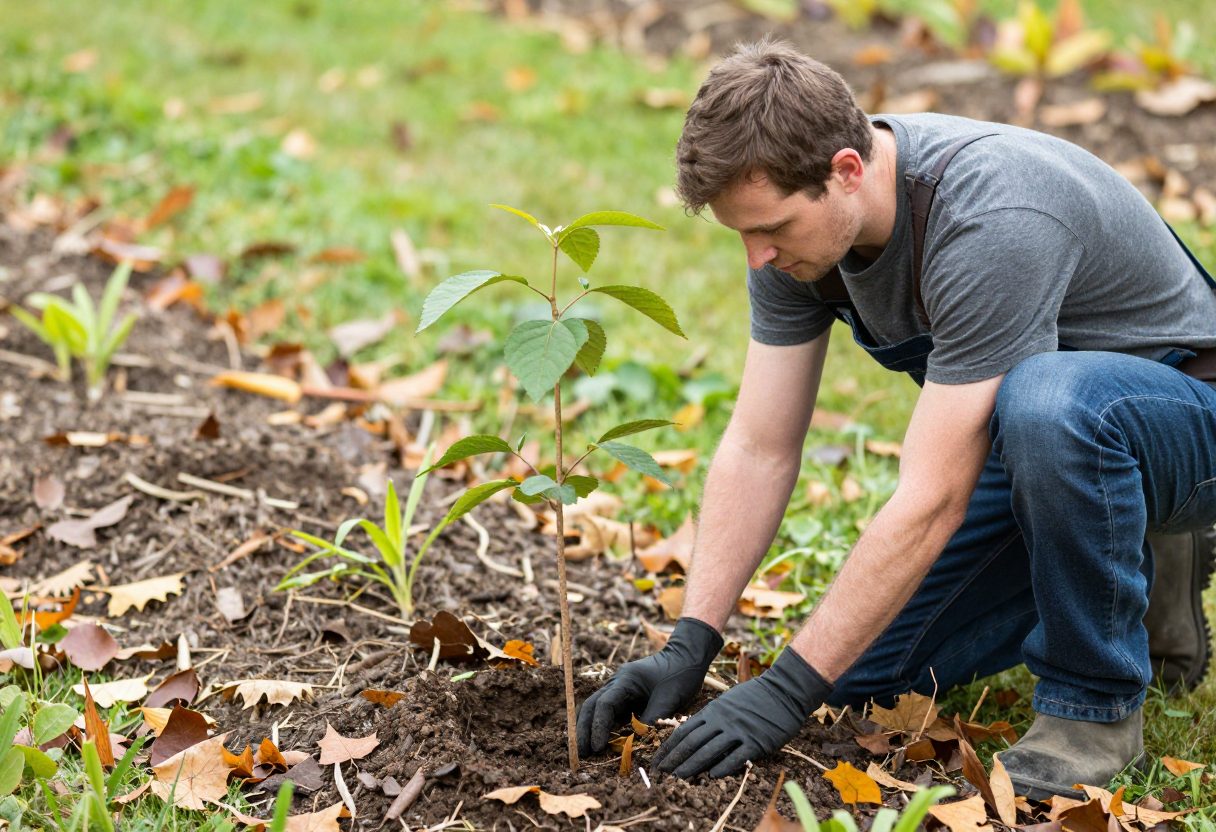
Warm fall soil supports vigorous root growth even as air temperatures cool and top growth slows.
Fall Planting Windows by Zone
Fall planting timing varies by zone — the goal in every zone is the same: get roots established with enough weeks of warm-enough soil remaining before the ground freezes solid.
Zone Range
Ideal Window for Trees/Shrubs
Notes
Zones 3-4
Late August through mid-September
Shortest fall window; ground freezes early, so plant as early in fall as possible
Zones 5-6
Mid-September through mid-October
At least six weeks before the ground typically freezes, giving roots time to establish
Zones 7-8
October through November
Often the preferred season for planting almost everything, given the long, mild fall
Zones 9-11
November through February
Fall/winter is genuinely the primary planting season in these zones, avoiding summer heat stress entirely
⚠️
A general rule across all zones: stop new tree and shrub planting at least six weeks before your area's typical first hard freeze — planting too late leaves roots with too little time to establish before winter dormancy sets in.
Fall-planted shrubs typically need less supplemental watering during establishment than spring-planted ones.
Garlic — A Fall-Only Crop
Garlic is planted in fall across all US zones, without exception — it needs a cold period to properly form the distinct cloves gardeners expect, which spring planting can't reliably provide.
•Plant garlic 4-6 weeks before the ground freezes solid — typically mid-October through early November in most temperate zones.
•Separate bulbs into individual cloves just before planting, keeping the papery wrapper on each clove intact.
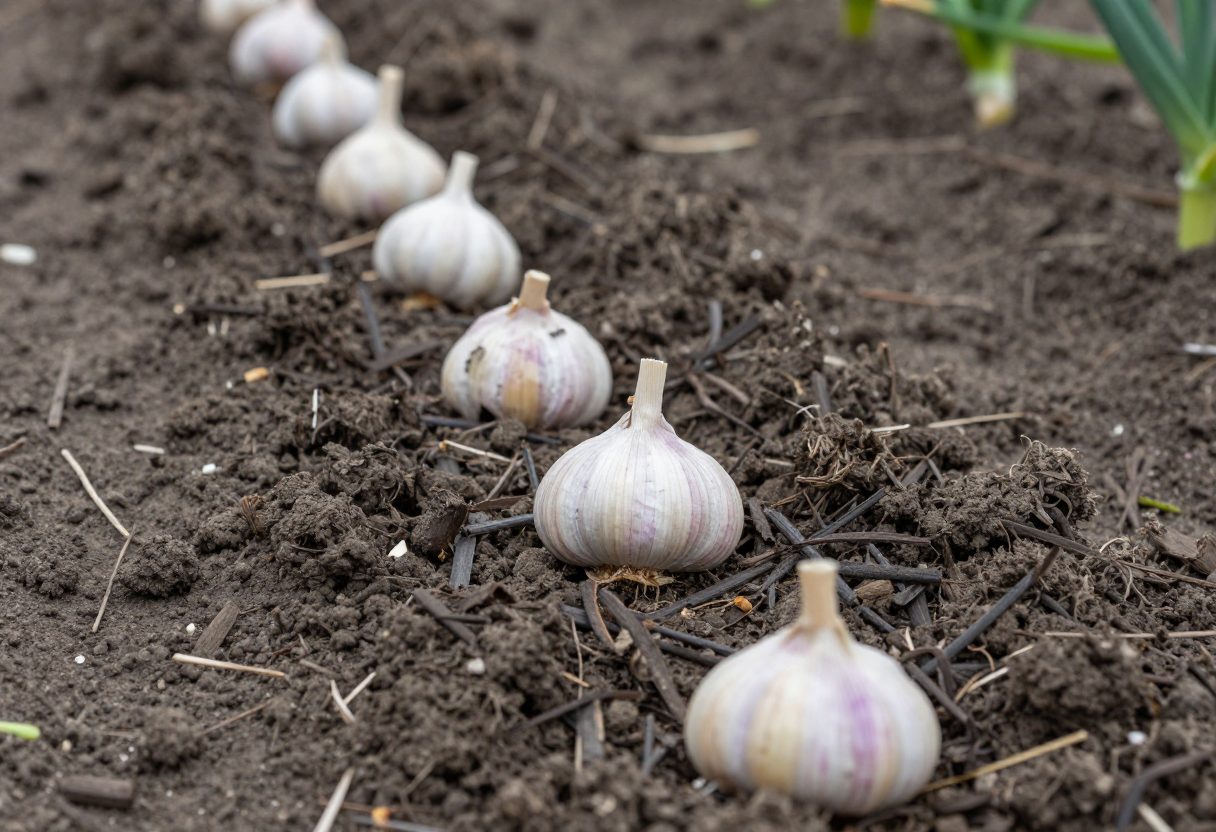
•Plant each clove pointed-end up, about 2 inches deep and 4-6 inches apart, in well-draining soil enriched with compost.
•Mulch heavily (3-4 inches of straw) after planting to moderate soil temperature swings and suppress winter weeds, removing excess mulch in spring as green shoots emerge.
🧄
Hardneck garlic varieties are generally better suited to colder zones (they need a more pronounced cold period and tolerate harsh winters well), while softneck varieties are often preferred in milder Southern zones — check regional variety recommendations before ordering seed garlic.
Garlic cloves planted pointed-end up in fall need a cold period to properly form distinct cloves by harvest.
Fall Lawn Seeding and Overseeding
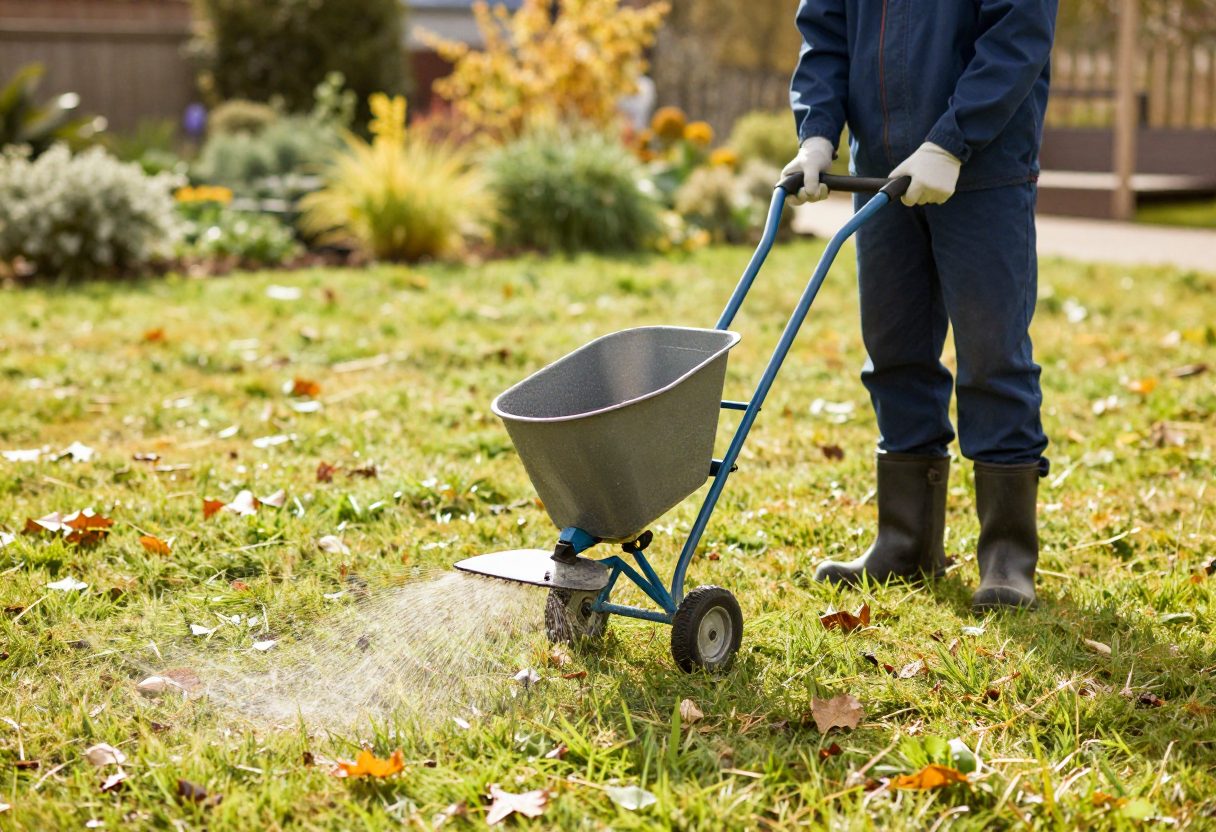
Fall is the best time to seed or overseed cool-season lawns — warm soil for quick germination, cooling air that reduces seedling stress, and typically more consistent rainfall all favor fall over spring lawn establishment.
•Time seeding roughly 6-8 weeks before your area's first hard frost, giving new grass enough time to establish before winter dormancy.
•Cool-season grasses (fescue, ryegrass, bluegrass) specifically benefit from fall seeding; warm-season grasses (Bermuda, zoysia) are generally better established in late spring instead.
•Overseed existing thin or patchy lawn areas in fall for the same reasons a new lawn benefits from fall timing — established turf recovers and fills in with less competition from summer weeds.
•Keep new seeding consistently moist (light, frequent watering) until germination, then transition to less frequent, deeper watering as the grass establishes.
🌱
Fall-seeded cool-season lawns also benefit from less weed competition than spring seeding, since many common lawn weeds germinate in spring and have already finished their cycle by the time fall grass seed goes down.
Overseeding a thin lawn in fall lets it establish and fill in with far less competition from summer weeds.
Fall Planting Checklist
A simple sequence check for any fall tree, shrub, or perennial planting keeps the season's work on track without needing to track every species individually.
•Confirm your planting falls within the six-weeks-before-first-frost window for your zone before ordering or purchasing plants.
•Water new fall plantings consistently through establishment — fall's cooler weather reduces water demand but doesn't eliminate it, especially in a dry fall.
•Apply a few inches of mulch around new plantings after the ground cools (not immediately at planting, when it can trap summer heat) to moderate winter soil temperature swings.
•Hold off on fertilizing at fall planting time — a fresh flush of tender new growth stimulated by fertilizer right before winter is more vulnerable to cold damage than growth left to slow naturally into dormancy.
📋
For the specific spring bulb planting calendar (tulips, daffodils, alliums), see the site's Spring Bulb Garden guide — it covers cold vernalization requirements, planting depth by bulb type, and bloom-time planning in full detail.
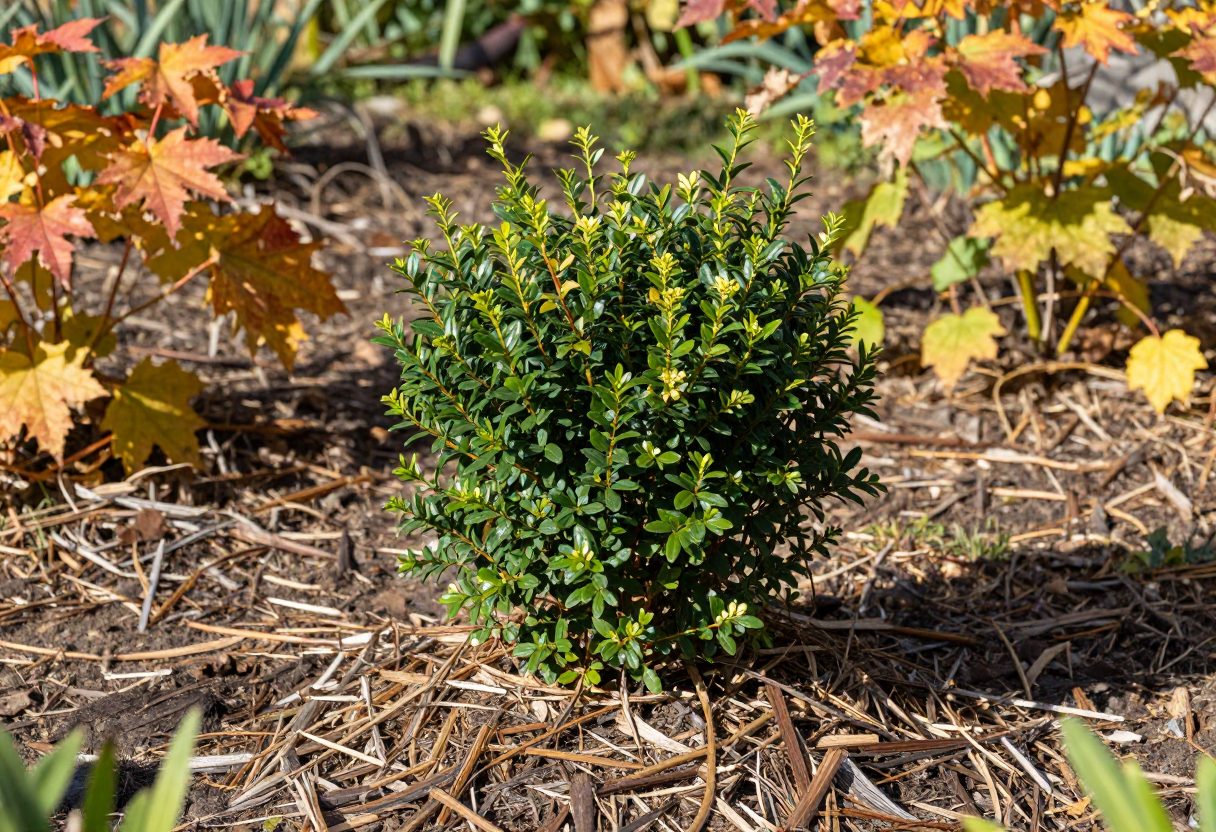
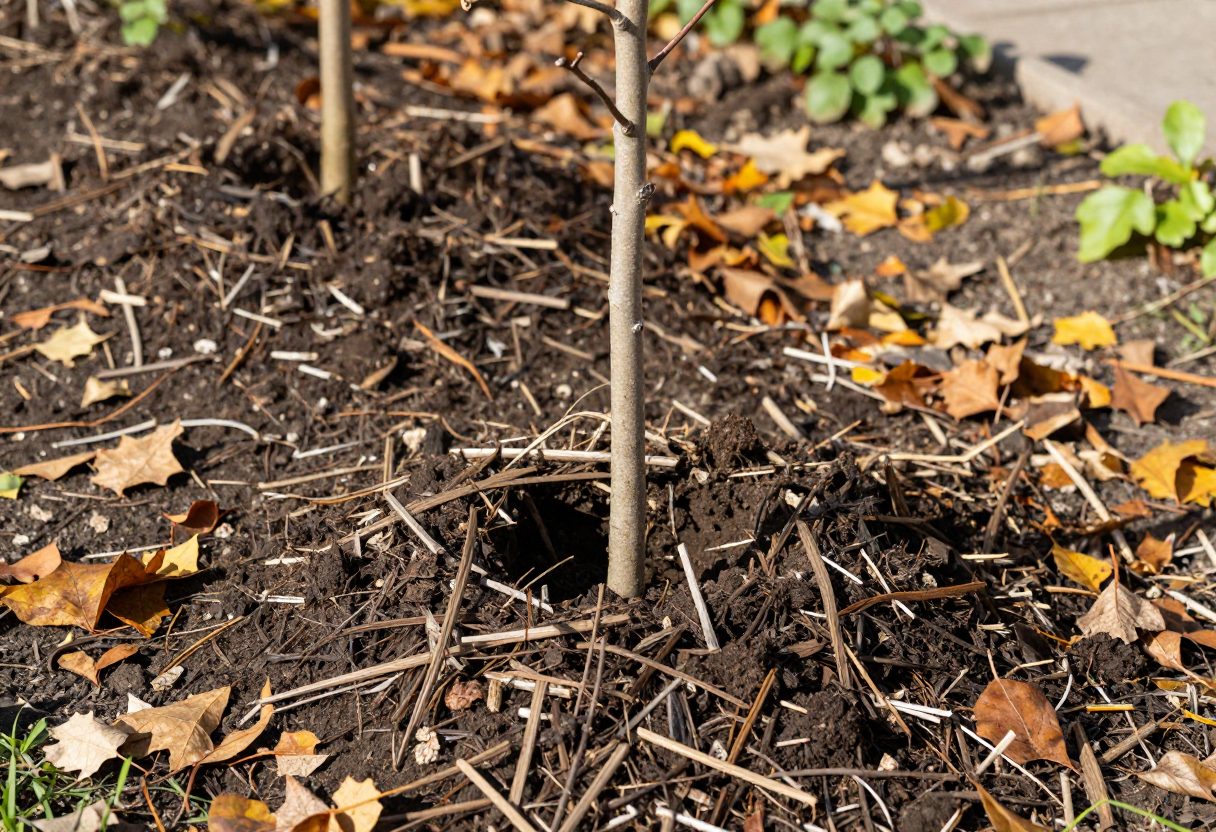
A few inches of mulch applied once the ground cools helps moderate winter soil temperature swings for new fall plantings.
🌿 Get Seasonal Gardening Tips
New guides, planting reminders, and growing tips — straight to your inbox.
No spam. Unsubscribe anytime.
About the Author
David Rodgers is the Founder & Head Gardener of Planting Atlas. With over 40 years of hands-on gardening experience in Oklahoma's Zone 7 climate, he researches, writes, and personally tests every guide on the site.
David draws from real backyard trials, soil testing, and trusted sources like Oklahoma State University Extension and USDA data to deliver practical, zone-specific advice that actually works.