Slug & Snail Control
Written by David Rodgers — Updated March 2026
Protect hostas, lettuce, strawberries, and seedlings from slug damage using methods that actually work — without harming pets or beneficial wildlife.
Slugs cause more heartbreak in cool, moist gardens than almost any other pest — a tray of healthy seedlings can be destroyed in a single night, and hostas that took years to establish can be reduced to lace by early summer. The key to slug control is understanding their biology: they are most active at night and during overcast, wet days, hiding under boards, pots, dense mulch, and plant debris during daylight. Control is most effective when it addresses both the active population and the habitat that shelters them. No single method eliminates slugs entirely, but combining two or three approaches consistently keeps damage at manageable levels in even the most slug-prone gardens.
What This Guide Covers
Iron phosphate baits (sold as Sluggo, Escar-Go, and similar brands) are the gold standard for organic slug control — they break down into iron and phosphate, which are harmless to pets, birds, and wildlife, unlike older metaldehyde baits that are highly toxic to dogs. Diatomaceous earth creates a physical barrier of microscopic sharp particles that damage slug bodies, but must be reapplied after any rain or irrigation. Beer traps work by attracting slugs with yeast but require daily emptying and reinvestment; a more durable alternative is a sunken container of water mixed with a small amount of sugar and yeast. Encouraging natural predators — ground beetles, toads, hedgehogs where present, and garter snakes — provides long-term biological regulation. The full guide covers habitat reduction strategies, barrier methods, bait placement, and which garden plants are most and least vulnerable to slug damage.
A comprehensive, in-depth guide covering iron phosphate and other bait options, physical barriers, beer and yeast traps, habitat reduction, natural predator encouragement, and the most slug-vulnerable plants and how to protect them is currently in development. Subscribe to the Planting Atlas newsletter to be notified when the full guide publishes.
🌿 Get Seasonal Gardening Tips
New guides, planting reminders, and growing tips — straight to your inbox.
No spam. Unsubscribe anytime.
About the Author
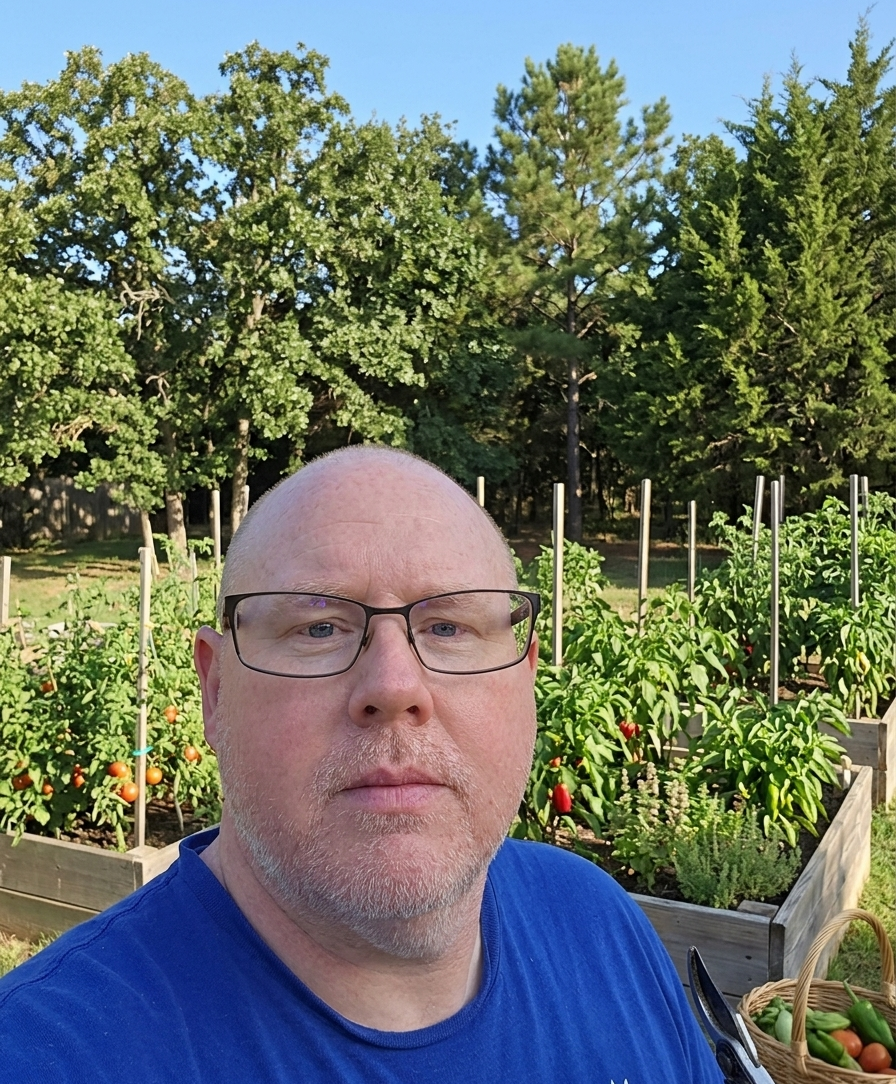
David Rodgers is the Founder & Head Gardener of Planting Atlas. With over 40 years of hands-on gardening experience in Oklahoma's Zone 7 climate, he researches, writes, and personally tests every guide on the site.
David draws from real backyard trials, soil testing, and trusted sources like Oklahoma State University Extension and USDA data to deliver practical, zone-specific advice that actually works.
Read more about David and Planting Atlas →