Certain plants repel insects, confuse pests, and lure them away from your crops — here's how to use them strategically in your garden.
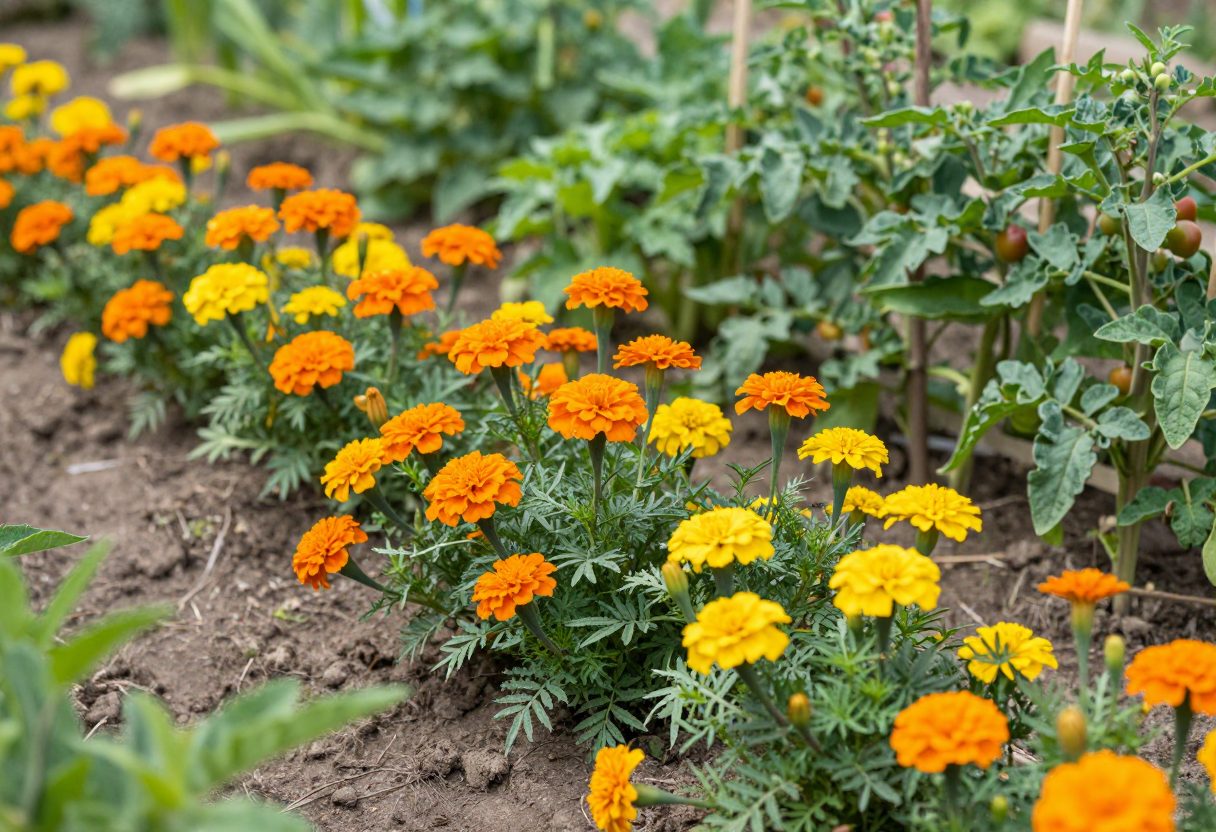
Some plants produce volatile compounds, strong scents, or root secretions that genuinely deter certain pests — and strategic placement of these plants can reduce pest pressure meaningfully when combined with other integrated pest management practices. French marigolds (Tagetes patula) release alpha-terthienyl from their roots, a compound toxic to root-knot nematodes — but only after a full season of growing, making them most effective as a cover crop rather than a companion. Basil planted near tomatoes appears to repel thrips and aphids in some studies, though results vary by cultivar. Nasturtiums are among the most reliable trap crops available to home gardeners, drawing aphids away from beans, brassicas, and cucumbers onto sacrificial plants that are then removed and destroyed. This guide focuses specifically on the plants themselves — which ones to grow, where to place them, and what to realistically expect — as a companion to the site's Organic Pest Control guide, which covers product-based controls like Bt and neem oil.
Scent-Repellent Plants — What the Aroma Actually Does
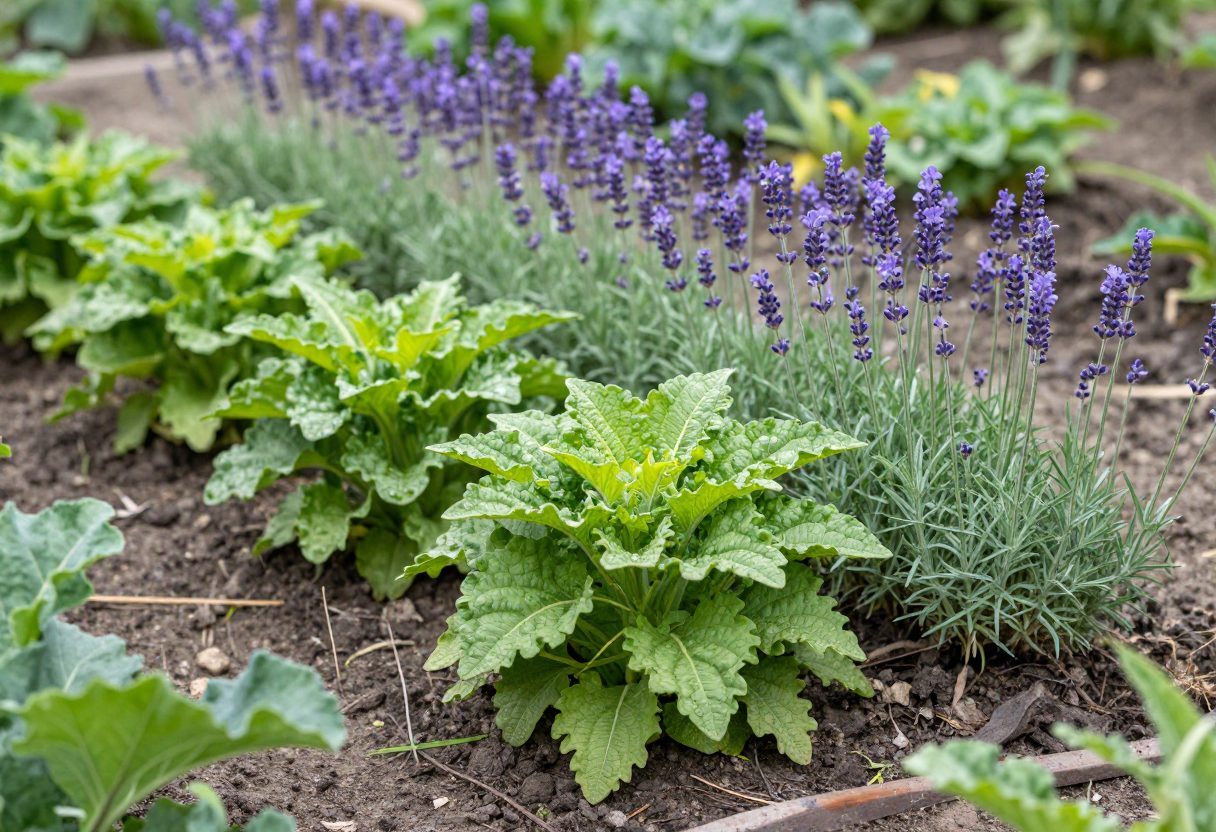
Strongly aromatic plants work by masking the host-plant scent a pest uses to find its target, or by containing volatile compounds that many insects find directly irritating. The effect is real but localized — a single repellent plant provides protection only within a few feet, not across an entire garden.
Plant
Deters
Best Placement
Notes
Catnip (Nepeta cataria)
Mosquitoes (lab studies show stronger repellency than DEET), flea beetles
Garden borders, away from paths where cats might trample it
Effect diminishes rapidly outdoors as the compound disperses in open air — most effective in enclosed or still-air settings
Lavender
Moths, fleas, mosquitoes (mild)
Borders, near seating areas, mixed into perennial beds
Reliable multi-purpose plant — also a strong deer deterrent
Marigold (French)
Root-knot nematodes (via root secretions), some aboveground pests to a lesser extent
Interplanted throughout beds, or grown as a full-season cover crop
Nematode benefit requires a full season of growth, not a quick companion effect
Wormwood, tansy
A broad range of insects via strong volatile oils
Garden borders only, never between crops
Allelopathic — can inhibit growth of nearby plants, so isolate at the garden edge
Alliums (onion, garlic, chives)
Carrot fly, aphids on roses
Interplanted directly among carrots; ringed around roses
One of the better-evidenced scent-masking pairings — see the Companion Planting guide for the full pairing table
Effect is modest — best treated as a bonus benefit of an already-useful culinary herb, not a primary control
🌬️
Wind direction matters more than most gardeners expect — a repellent plant placed downwind of the crop it's meant to protect does very little, since the scent it releases travels away from the target rather than across it.
Strongly aromatic plants like catnip and lavender provide localized protection within a few feet, not across an entire garden.French marigolds reduce root-knot nematodes through root secretions, but the benefit builds over a full season of growth.
Trap Crops — Sacrificial Plants That Actually Work
A trap crop is a plant pests prefer over your main crop, planted specifically to be sacrificed. Unlike scent repellents, trap crops have strong, well-documented evidence behind them — but they only work if actively monitored and removed once pests have concentrated on them.
Trap Crop
Protects
How to Use It
Nasturtium
Beans, brassicas, cucumbers (aphids)
Plant along the perimeter, upwind of the protected crop; remove and destroy once heavily infested
Radish
Cucumbers, squash (cucumber beetles)
Plant a border row that matures slightly ahead of the main crop
Blue Hubbard squash
Other cucurbits (squash bugs, cucumber beetles, squash vine borer) — most effective at larger garden/farm scale
Plant a perimeter ring; monitor closely as beetles concentrate here
Collards or mustard
Brassicas (diamondback moth, harlequin bug)
Plant slightly earlier than the main brassica crop to intercept early pest arrival
Sunflower
General aphid pressure
Plant near, but not directly among, vulnerable crops
⚠️
An unmonitored trap crop becomes a pest nursery instead of a sink — check it regularly, and remove and destroy it (don't compost pest-laden plant material in an open pile) once it has drawn in a significant pest population.
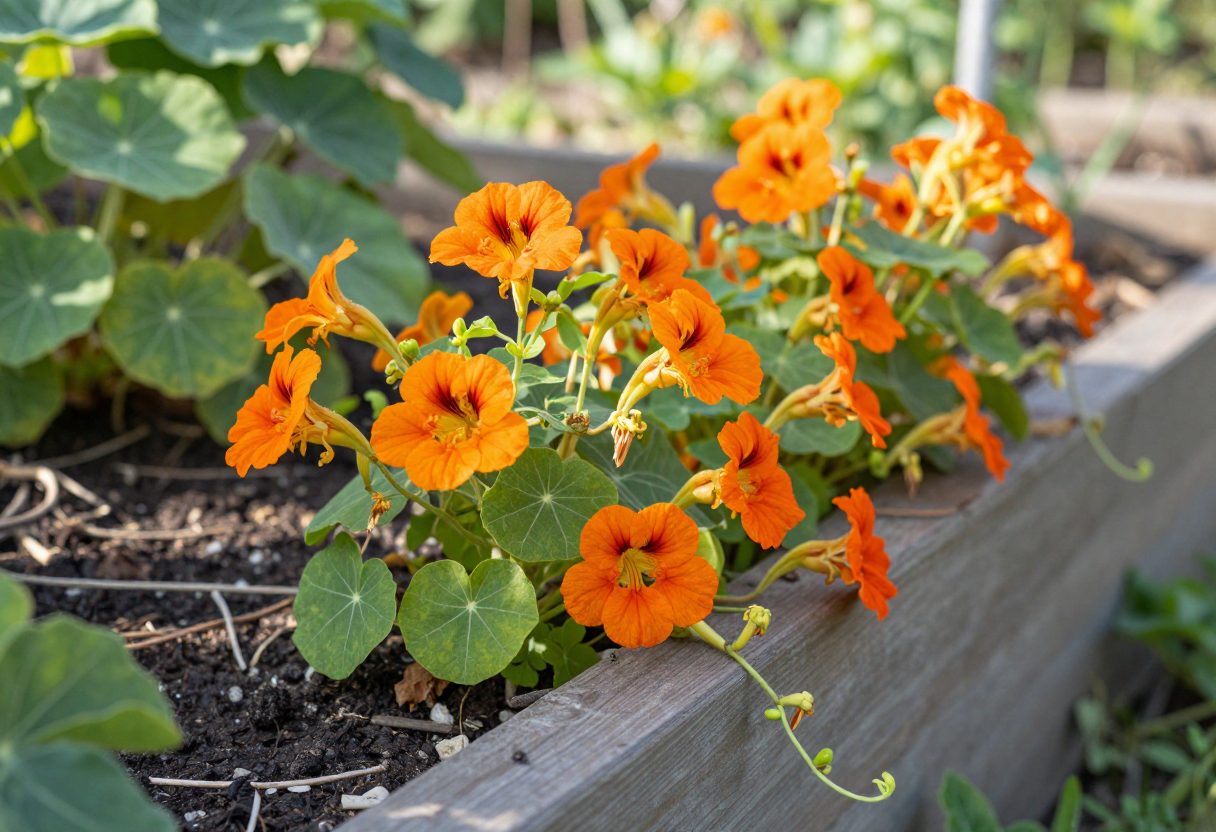
Nasturtiums are among the most reliable trap crops available, drawing aphids away from beans, brassicas, and cucumbers.
Border and Hedge Plantings as a Whole-Garden Strategy
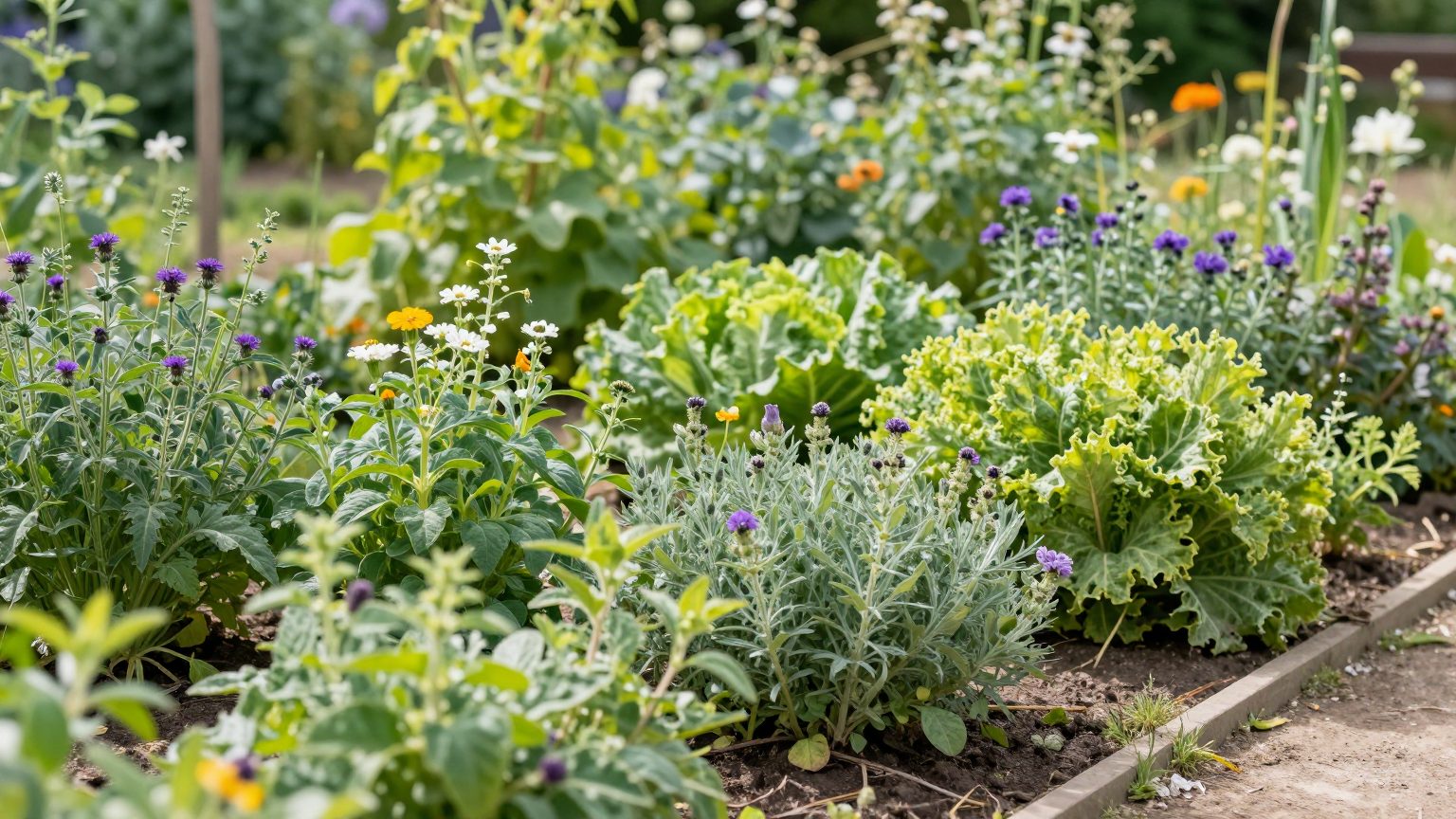
A dedicated border of repellent and beneficial-insect-attracting plants around the perimeter of a vegetable garden does more collectively than any single plant does alone — it combines scent masking, trap cropping, and pollinator/predator support into one design feature.
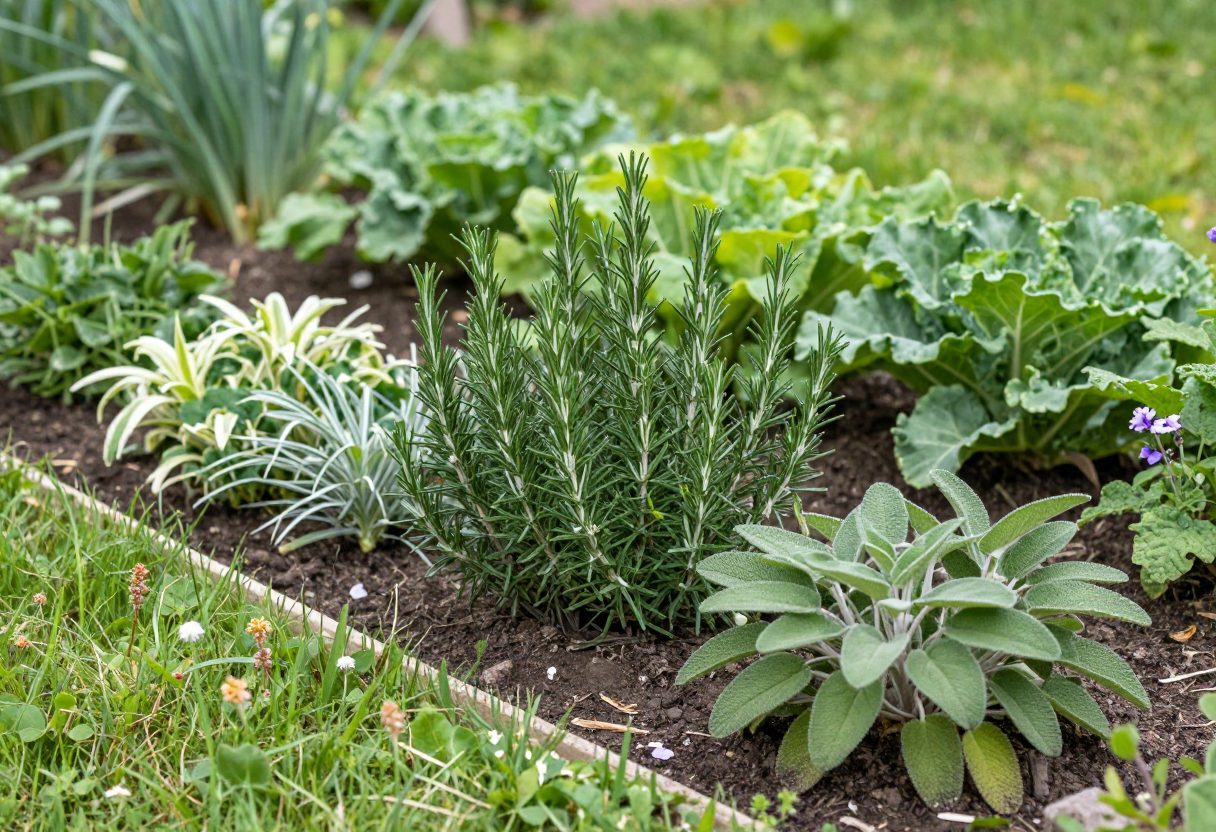
•Alternate strongly aromatic herbs (rosemary, lavender, sage) with flowering plants that support predatory and parasitic insects (dill, yarrow, alyssum) along the border.
•Include at least one dedicated trap crop planting (nasturtiums are the easiest starting point) at the border, not mixed into the interior beds.
•Leave gaps in a solid hedge border for airflow — a border planted too densely can itself become humid, sheltered pest habitat.
•Refresh or replant border sections that underperform after a season of observation — border effectiveness varies by local pest pressure and microclimate.
🌻
A border planting is a long-term investment, not a quick fix — most of its benefit builds over a full season as beneficial insect populations establish and pest pressure gradually redistributes toward the trap crops within it.
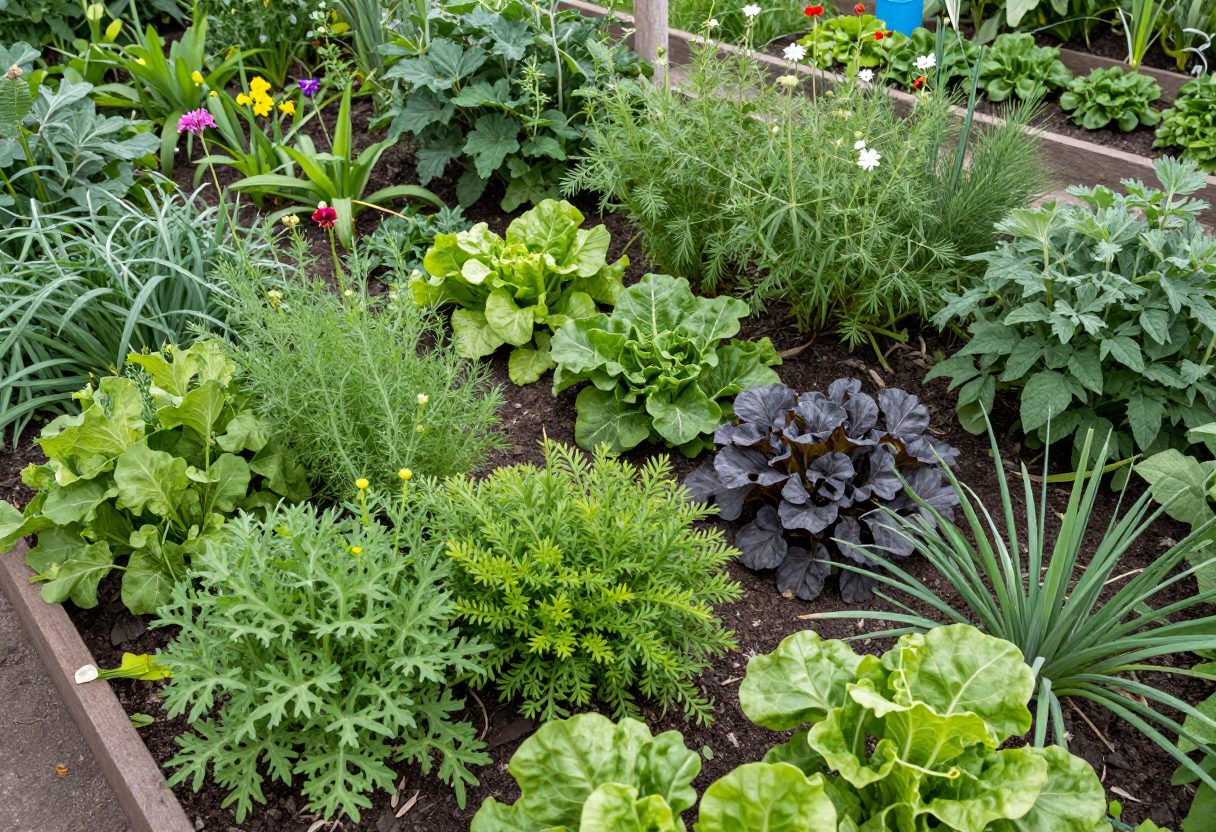
A mixed border combining aromatic herbs, flowering plants, and a trap crop does more collectively than any single plant alone.
What the Research Actually Supports
Plant-based pest deterrence spans a wide range of evidence quality, from well-documented mechanisms to garden folklore that persists mostly through repetition. Being clear-eyed about which category a given claim falls into helps you invest garden space where it will actually pay off.
Claim
Evidence Level
Practical Takeaway
Nasturtiums as an aphid trap crop
Strong
Plant with confidence; monitor and remove once infested
French marigold root secretions reducing nematodes
Strong, but only as a full-season cover crop
Don't expect a nematode benefit from a marigold planted the same season as a quick companion
Alliums masking carrot fly scent
Strong
One of the most reliable scent-based pairings available
Catnip repelling mosquitoes better than DEET
True in controlled lab conditions, weak outdoors
Useful as a minor bonus in a border planting, not a primary mosquito strategy
Basil repelling aphids/thrips near tomatoes
Mixed — some studies show an effect, results vary by cultivar and conditions
Plant basil near tomatoes for its many other benefits; treat pest suppression as a possible bonus, not a guarantee
General "pest confusion" from mixed plantings
Plausible mechanism, weak direct evidence for most specific pairings
A diverse planting has real benefits (reduced monoculture risk, better beneficial insect support) even where the specific repellent claim is unproven
🔬
Treat plant-based pest deterrence as one layer of a broader IPM approach — see the site's Organic Pest Control guide for the product-based layer (Bt, neem oil, beneficial nematodes) and the Companion Planting guide for the full pairing table this guide draws its scent-masking examples from.
A diverse planting has real benefits even where a specific repellent claim is unproven — reduced monoculture risk and better beneficial insect support.
🌿 Get Seasonal Gardening Tips
New guides, planting reminders, and growing tips — straight to your inbox.
No spam. Unsubscribe anytime.
About the Author
David Rodgers is the Founder & Head Gardener of Planting Atlas. With over 40 years of hands-on gardening experience in Oklahoma's Zone 7 climate, he researches, writes, and personally tests every guide on the site.
David draws from real backyard trials, soil testing, and trusted sources like Oklahoma State University Extension and USDA data to deliver practical, zone-specific advice that actually works.