Low-Maintenance Landscape
Written by David Rodgers — Updated March 2026
Create a beautiful yard that stays attractive through the season without demanding weekly hours of weeding, watering, and pruning.
The most effective low-maintenance landscape isn't one that has fewer plants — it's one where every plant is matched perfectly to its site. A native ornamental grass in the right spot needs no supplemental water, no deadheading, and no pest management once established. The same plot planted with a hybrid tea rose demands weekly spraying, fertilizing, and deadheading. The low-maintenance approach starts with honest site assessment: sun exposure, soil type, drainage, and how much rainfall your region receives, then choosing plants that thrive in those exact conditions rather than fighting them.
What This Guide Covers
Beyond plant selection, reducing landscape maintenance depends heavily on a few structural decisions: replacing high-input lawn areas with ground covers or mulched beds, applying a 3-inch layer of wood chip mulch to suppress weeds and retain moisture, and grouping plants with similar water needs together so irrigation is efficient. Edging — whether steel, stone, or brick — keeps beds tidy with minimal intervention. Plants with a naturally tidy habit (no deadheading required, no suckering, no aggressive spreading) make up the backbone of a yard you can enjoy rather than manage.
A comprehensive, in-depth guide covering right-plant-right-place selection by US region, lawn reduction strategies, mulching systems, drought-tolerant plant palettes, and edging and hardscape for reduced upkeep is currently in development. Subscribe to the Planting Atlas newsletter to be notified when the full guide publishes.
🌿 Get Seasonal Gardening Tips
New guides, planting reminders, and growing tips — straight to your inbox.
No spam. Unsubscribe anytime.
About the Author
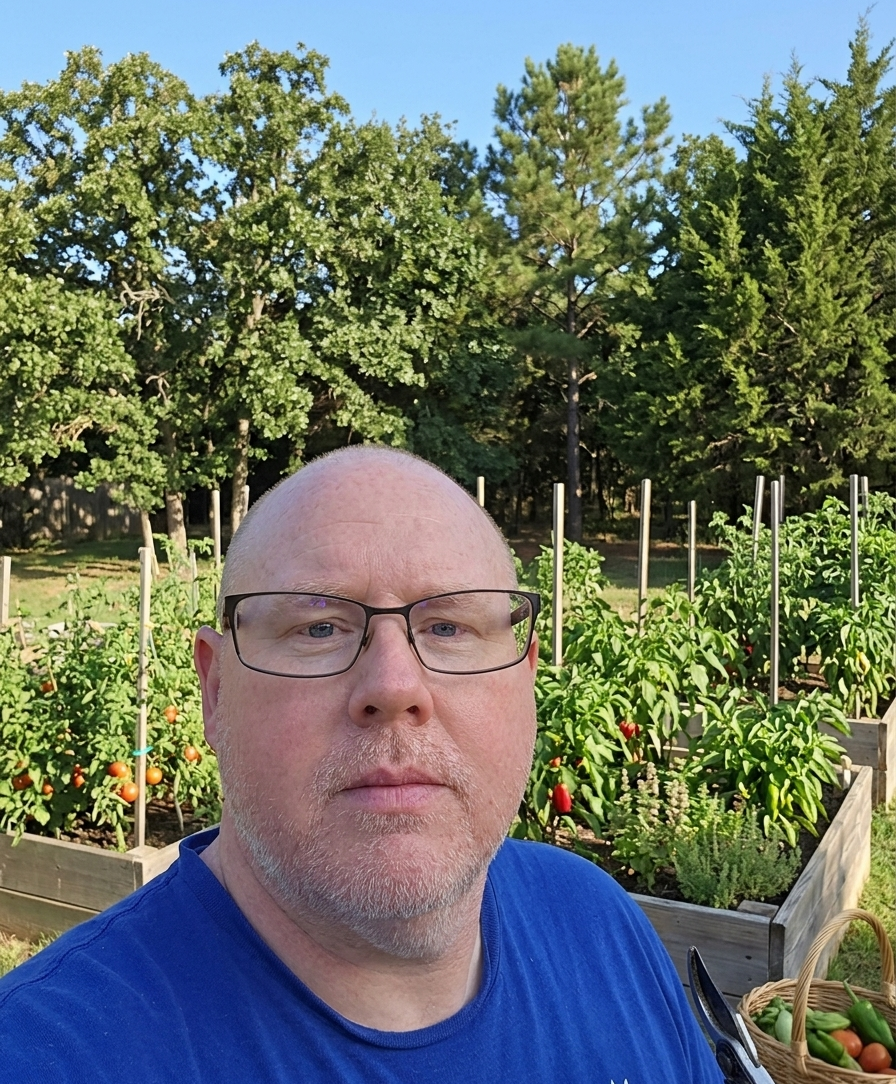
David Rodgers is the Founder & Head Gardener of Planting Atlas. With over 40 years of hands-on gardening experience in Oklahoma's Zone 7 climate, he researches, writes, and personally tests every guide on the site.
David draws from real backyard trials, soil testing, and trusted sources like Oklahoma State University Extension and USDA data to deliver practical, zone-specific advice that actually works.
Read more about David and Planting Atlas →