Discover which plants deer reliably leave alone — and build a landscape strategy that stops the damage without an eight-foot fence.
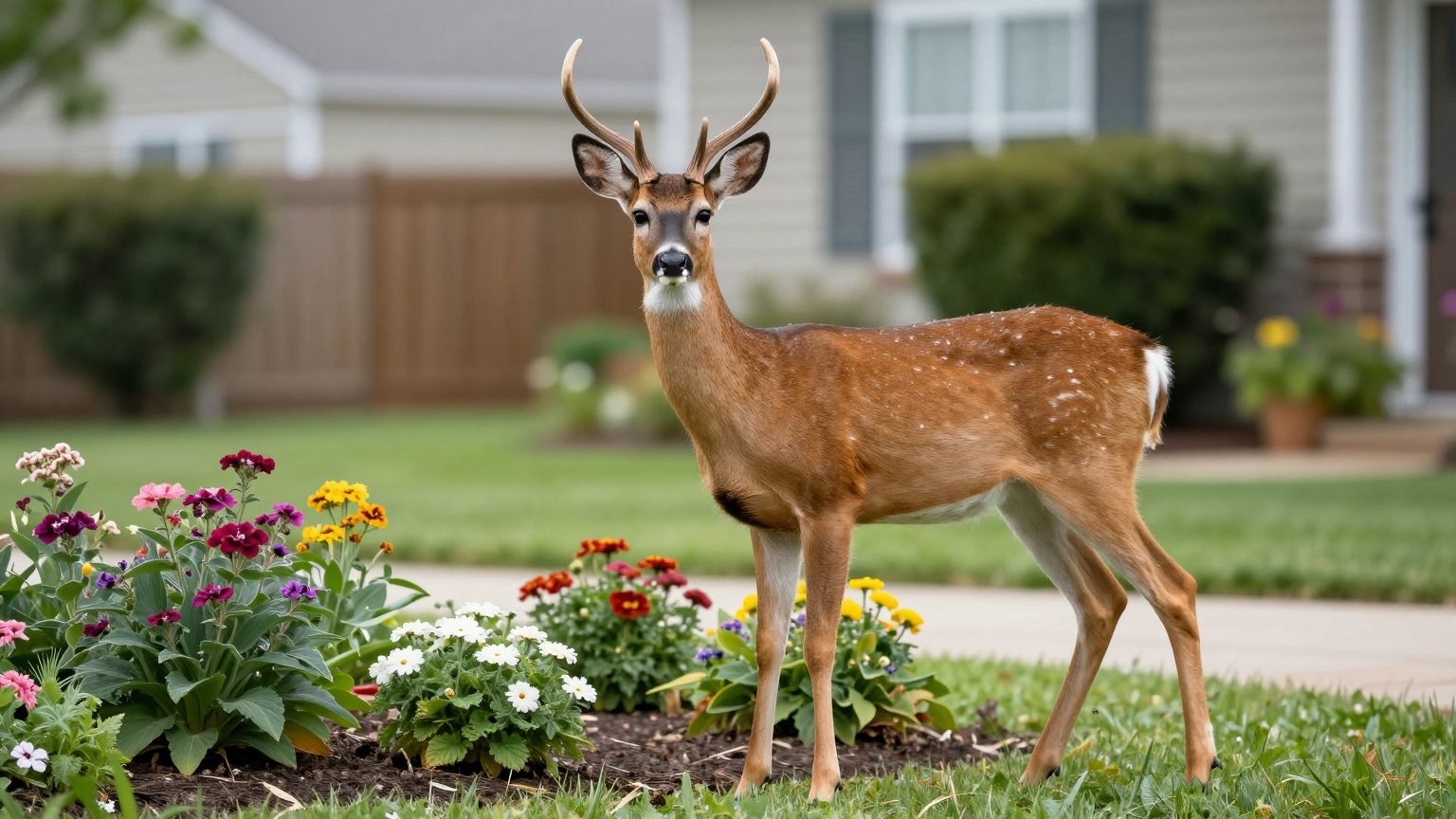
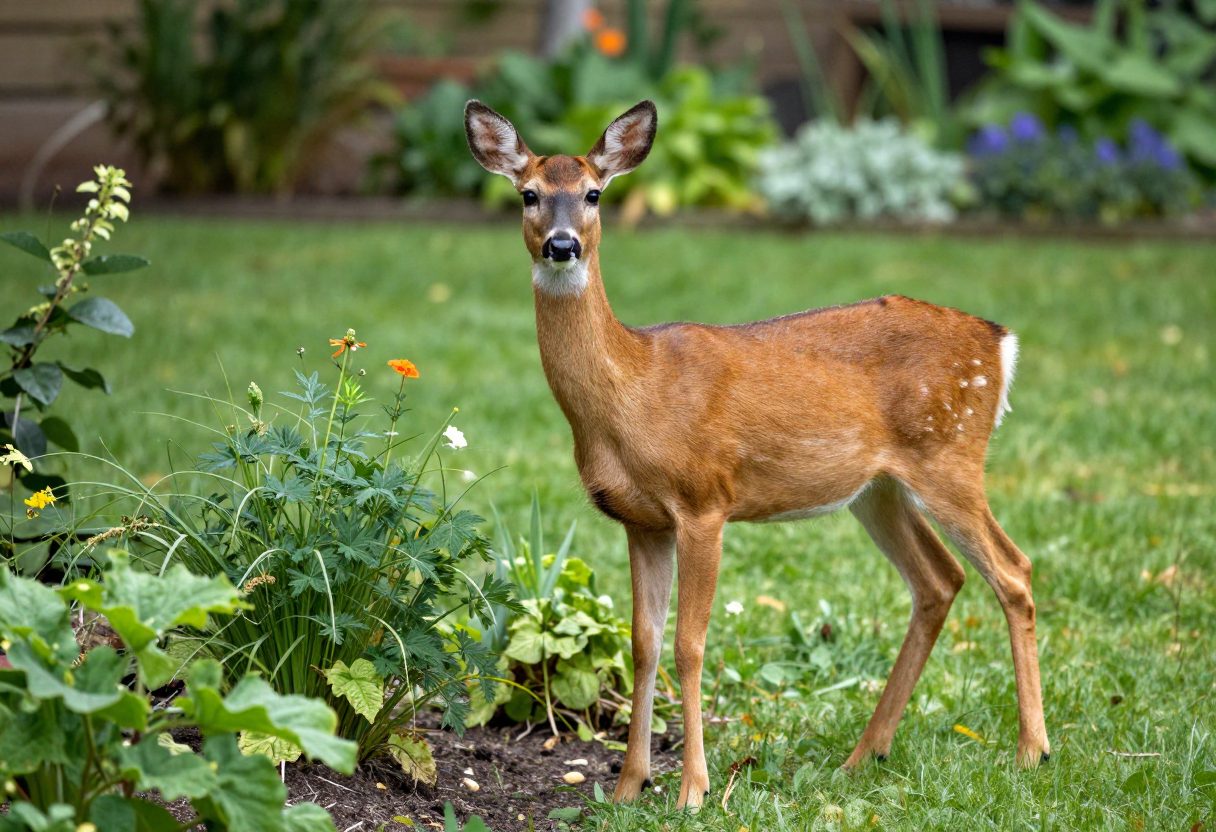
Deer pressure is intensifying across the United States as suburban development fragments habitat and deer populations grow without natural predators. "Deer-resistant" is not the same as "deer-proof" — a hungry deer in winter or a new population moving through an unfamiliar area will sample plants it would otherwise ignore. That said, certain plants are so reliably unappealing to deer that they form the backbone of low-browse-pressure landscapes: strongly aromatic herbs and ornamentals (lavender, catmint, Russian sage, ornamental alliums), plants with toxic compounds (foxglove, monkshood, daffodils, hellebores), and those with textures deer dislike (lamb's ear, ferns, ornamental grasses with sharp edges). The practical strategy is to surround more vulnerable plants with reliably resistant ones, creating a protective buffer.
Deer resistance ratings, including the ones in this guide, describe likelihood, not certainty. A deer population that has learned a particular plant is safe to eat (through repeated exposure with no negative consequence) will sample it regardless of its reputation, and a starving deer in a harsh winter will eat almost anything to survive. Resistance comes down to three real mechanisms — knowing which one applies to a given plant tells you how reliable it actually is.
Resistance Mechanism
How It Works
Reliability
Example Plants
Toxicity
The plant contains compounds that are genuinely harmful if eaten in quantity
High — deer learn to avoid these quickly and reliably
Foxglove, monkshood, daffodil, hellebore, boxwood
Strong scent/taste
Aromatic oils or bitter compounds make the plant unpalatable
High under normal pressure, can fail under severe hunger
Lavender, Russian sage, catmint, ornamental alliums, most culinary herbs
Texture
Fuzzy, prickly, leathery, or tough foliage discourages browsing
Moderate — deer will still sample these when hungry enough
Lamb's ear, most ferns, ornamental grasses, holly
Simply unfamiliar/untested
A plant deer haven't encountered before in your specific area
Low and unpredictable — not a real strategy on its own
Newly introduced ornamentals with no local track record
⚠️
Regional deer populations develop different preferences based on what they've grown up eating — a plant considered reliably resistant in one region can be readily browsed in another. Treat published resistance lists (including this one) as a strong starting point, not a guarantee for your specific yard.
Deer pressure varies widely by region and season — treat resistance ratings as likelihood, not certainty.
Reliable Deer-Resistant Perennials and Bulbs
Plant
Zones
Resistance Mechanism
Notes
Lavender
5-9
Strong scent
Full sun, excellent drainage; one of the most reliably ignored plants across most regions
Russian sage
4-9
Strong scent
Tall, airy texture; thrives in poor, dry soil
Catmint (Nepeta)
3-8
Strong scent
Long bloom season, tolerates heat and drought once established
Ornamental allium
3-9
Strong scent (bulb family)
Reliable spring/summer bloom; deer avoid the entire onion family
Daffodil
3-8
Toxicity
One of the most deer-proof spring bulbs available — plant liberally where deer pressure is high
Foxglove
4-8
Toxicity
Toxic to pets and livestock too — site with that in mind
Hellebore
4-9
Toxicity
Blooms in late winter/early spring when little else is available, without being browsed
Lamb's ear
4-8
Texture
Fuzzy foliage deters most browsing; can rot in humid climates with poor drainage
Yarrow
3-9
Strong scent/taste
Drought-tolerant, long bloom, attracts pollinators
Ornamental grasses (most)
Varies by species
Texture
Sharp-edged blades discourage browsing; a few species (some fescues) are more palatable, so verify per species
🌼
Tulips and hostas are the two most commonly and severely browsed ornamentals — if deer pressure is significant, consider substituting daffodils for tulips and ferns or heucheras for hostas rather than fighting a losing battle with repellents alone.
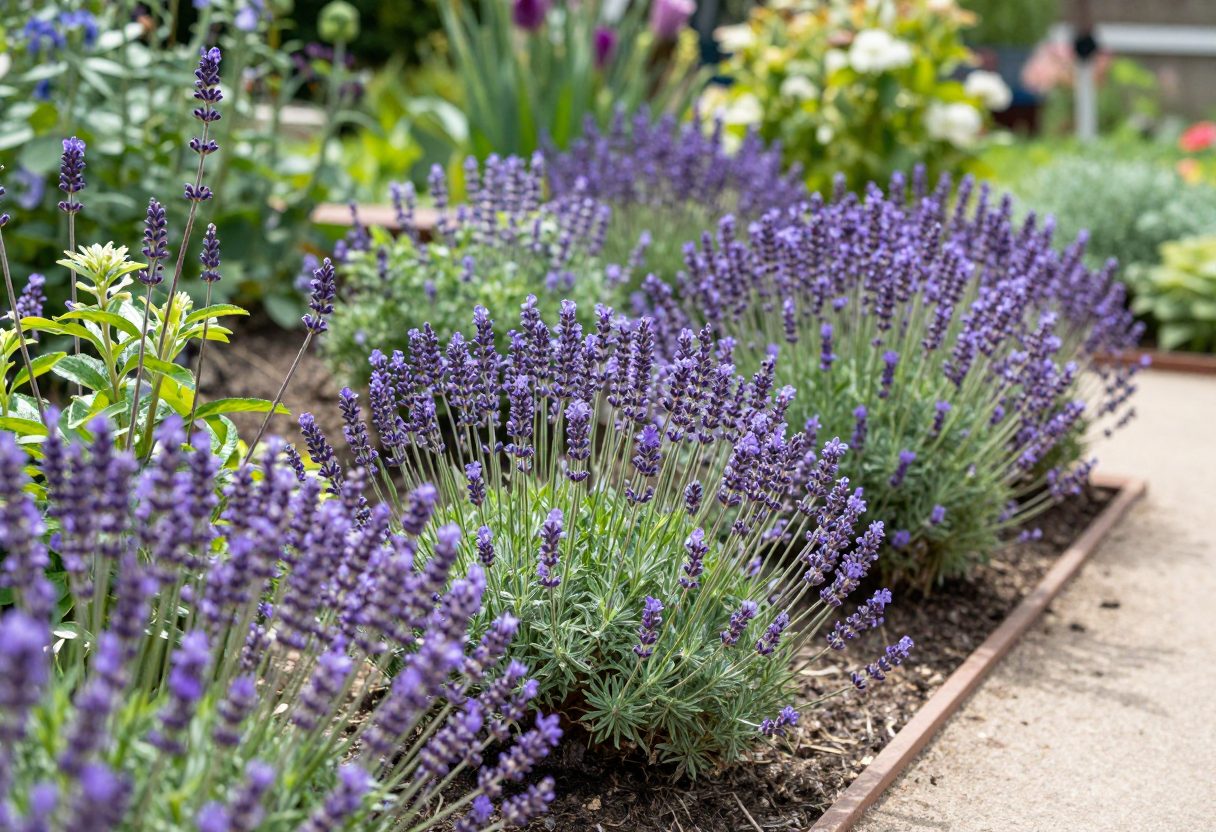
Lavender and Russian sage are among the most reliably deer-resistant perennials across most US regions.
Reliable Deer-Resistant Shrubs and Trees
Plant
Zones
Resistance Mechanism
Notes
Boxwood
5-9
Toxicity/bitter compounds
Classic foundation shrub, reliably ignored even under heavy pressure
Barberry (Japanese)
4-8
Thorns
Check local invasive species status before planting — restricted in some states
Spirea
4-9
Bitter foliage
Reliable flowering shrub, easy care
Butterfly bush
5-9
Strong scent
Attracts pollinators while repelling deer; check invasive status in your region
Inkberry holly
5-9
Toxicity/texture
Good boxwood alternative for wetter or acidic soils
Bald cypress
4-10
Unusual foliage texture
Reliable as a young tree, unlike many other young trees that are readily browsed
American holly
5-9
Prickly leaves
Berries provide winter wildlife food without browse damage to the plant itself
Eastern red cedar
2-9
Strong scent, tough foliage
Reliable windbreak/screening tree with low deer damage
⚠️
Young trees of almost any species — including otherwise "resistant" ones — are far more vulnerable than mature specimens, both to browsing and to antler rubbing by bucks in fall. Protect trunks and lower branches with tree guards or fencing for the first several years regardless of species.
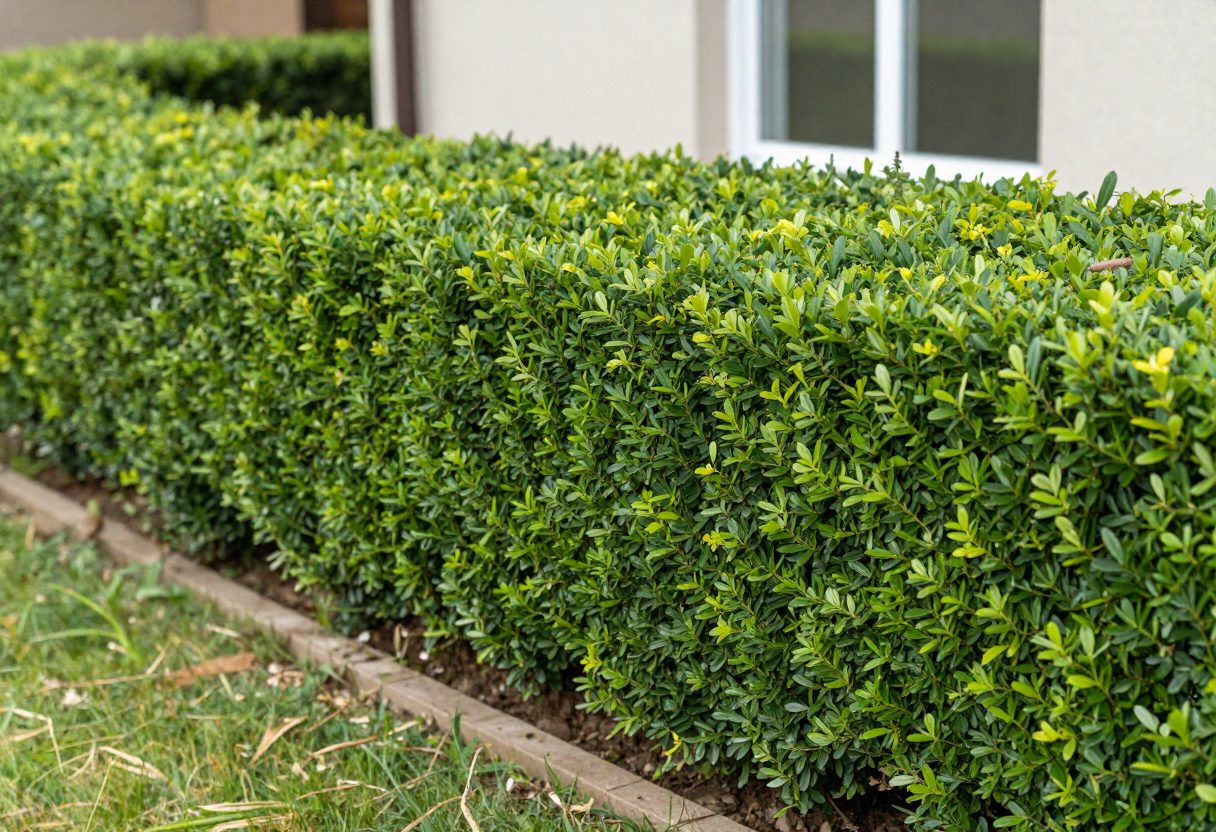
Boxwood is a classic foundation shrub that deer reliably ignore, even under heavy browse pressure.
Repellent Sprays — What Works and How to Use Them
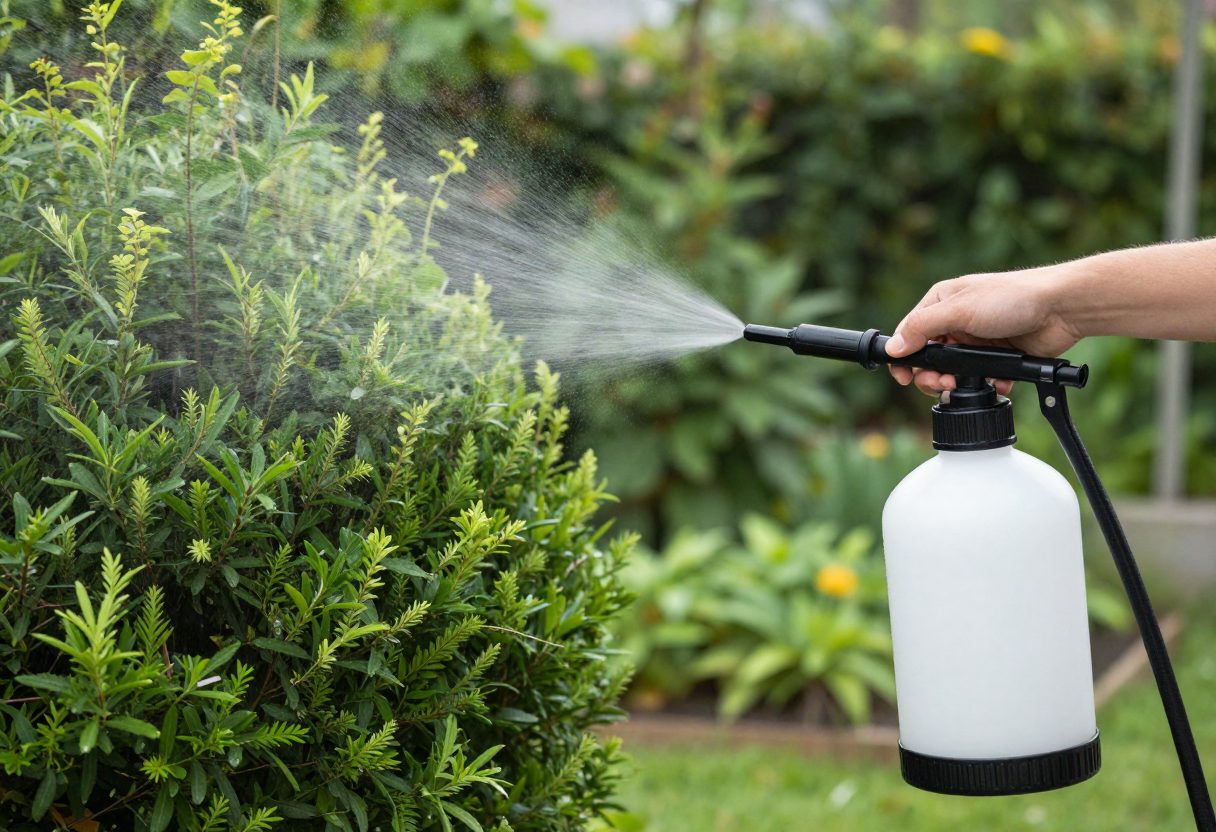
Repellent sprays work by taste, scent, or both, and effectiveness depends heavily on consistent reapplication and rotation — deer that encounter the same repellent repeatedly can habituate to it over time.
Repellent Type
How It Works
Reapplication
Notes
Putrescent whole-egg solids
Smell mimics predator kill sites, triggering an avoidance instinct
Every 2-4 weeks, sooner after heavy rain
One of the most consistently effective repellent categories in independent trials
Predator urine (coyote, bobcat, wolf)
Scent signals predator presence
Every 2-3 weeks
Effectiveness varies regionally depending on whether that predator is actually present locally
Capsaicin-based sprays
Bitter, irritating taste on contact
Weekly, and always after rain
Best on ornamentals, not on edible plants intended for harvest
Rotate between at least two different repellent types through a growing season rather than relying on one product continuously — this is the single most effective way to slow habituation.
Consistent reapplication and rotating between repellent types are essential — deer can habituate to a single product over time.
Fencing and Physical Deterrents
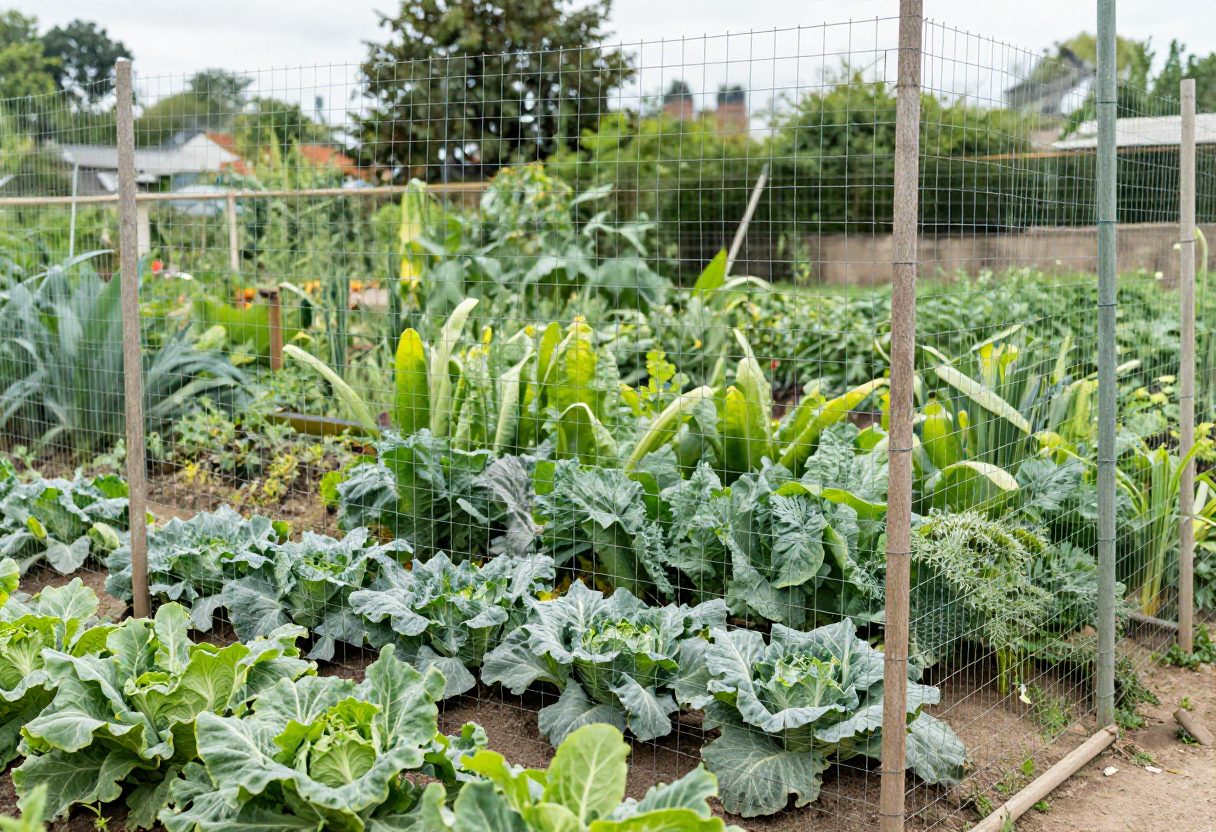
Fencing remains the only truly reliable deer deterrent — everything else, including every plant and spray in this guide, reduces pressure rather than eliminating it entirely.
Method
How It Works
Cost
Best For
8-foot woven wire or mesh fence
Deer generally won't jump a fence this tall
High
Whole-property or large garden protection where budget allows
Double fence (two 4-foot fences, 4-5 feet apart)
Deer can't judge the total distance needed to clear both, so they won't attempt the jump
Moderate-high
A lower-cost alternative to a single tall fence
Electric fence (baited with peanut butter)
A mild shock while baited teaches deer to avoid the fence entirely
Moderate
Vegetable gardens and orchards
Motion-activated sprinklers
Sudden water spray startles deer away from a specific area
Low-moderate
Protecting a single bed or high-value planting rather than a whole property
Individual plant cages
Simple wire cages around especially vulnerable young plants
Low
New plantings, small orchards, vegetable seedlings
🥜
An electric fence works best when deer are lured to touch it directly — smearing peanut butter on foil strips clipped to the wire teaches them the fence is dangerous within one or two encounters.
A tall fence remains the only truly reliable deer deterrent — everything else reduces pressure rather than eliminating it.
Building a Deer-Resistant Landscape Strategy
•Place your most vulnerable, high-value plants (roses, hostas, tulips, fruit trees) closest to the house, where deer are more hesitant to approach.
•Surround vulnerable plants with a buffer ring of reliably resistant plants (lavender, Russian sage, catmint) rather than isolating them.
•Protect young trees and shrubs with cages or trunk guards for their first several years regardless of species reputation.
•Accept that severe deer pressure may require fencing for anything you genuinely cannot afford to lose — repellents and plant selection reduce damage but rarely eliminate it under heavy pressure.
•Reassess plant choices after a season of observation — local deer preferences vary, and what worked in a published guide may need local adjustment.
🏡
A landscape built primarily from resistant plants, with fencing reserved only for the few things you truly can't risk losing (a vegetable garden, a young orchard), is usually more sustainable than trying to protect everything with sprays and cages indefinitely.
🌿 Get Seasonal Gardening Tips
New guides, planting reminders, and growing tips — straight to your inbox.
No spam. Unsubscribe anytime.
About the Author
David Rodgers is the Founder & Head Gardener of Planting Atlas. With over 40 years of hands-on gardening experience in Oklahoma's Zone 7 climate, he researches, writes, and personally tests every guide on the site.
David draws from real backyard trials, soil testing, and trusted sources like Oklahoma State University Extension and USDA data to deliver practical, zone-specific advice that actually works.