Deer-Resistant Plants
Written by David Rodgers — Updated March 2026
Discover which plants deer reliably leave alone — and build a landscape strategy that stops the damage without an eight-foot fence.
Deer pressure is intensifying across the United States as suburban development fragments habitat and deer populations grow without natural predators. "Deer-resistant" is not the same as "deer-proof" — a hungry deer in winter or a new population moving through an unfamiliar area will sample plants it would otherwise ignore. That said, certain plants are so reliably unappealing to deer that they form the backbone of low-browse-pressure landscapes: strongly aromatic herbs and ornamentals (lavender, catmint, Russian sage, ornamental alliums), plants with toxic compounds (foxglove, monkshood, daffodils, hellebores), and those with textures deer dislike (lamb's ear, ferns, ornamental grasses with sharp edges). The practical strategy is to surround more vulnerable plants with reliably resistant ones, creating a protective buffer.
What This Guide Covers
Fencing remains the only truly reliable deer deterrent — an eight-foot fence, a double fence with a four-foot gap, or an electrified fence baited with peanut butter to condition deer to avoid it. Repellent sprays containing putrescent whole-egg solids or predator urine (coyote, bobcat) work reasonably well when reapplied after rain and rotated between product types to prevent habituation — but they require consistent attention. Motion-activated sprinklers are highly effective for protecting specific beds or high-value plants. The full guide covers the most reliable deer-resistant trees, shrubs, perennials, and bulbs organized by region and zone; honest notes on which popular "deer-resistant" plants fail under high pressure; repellent product comparison and rotation strategies; and fencing options by budget.
A comprehensive, in-depth guide covering deer-resistant plant selection by zone and plant type, repellent spray strategies and rotation schedules, fencing options and costs, and realistic expectations under high deer pressure is currently in development. Subscribe to the Planting Atlas newsletter to be notified when the full guide publishes.
🌿 Get Seasonal Gardening Tips
New guides, planting reminders, and growing tips — straight to your inbox.
No spam. Unsubscribe anytime.
About the Author
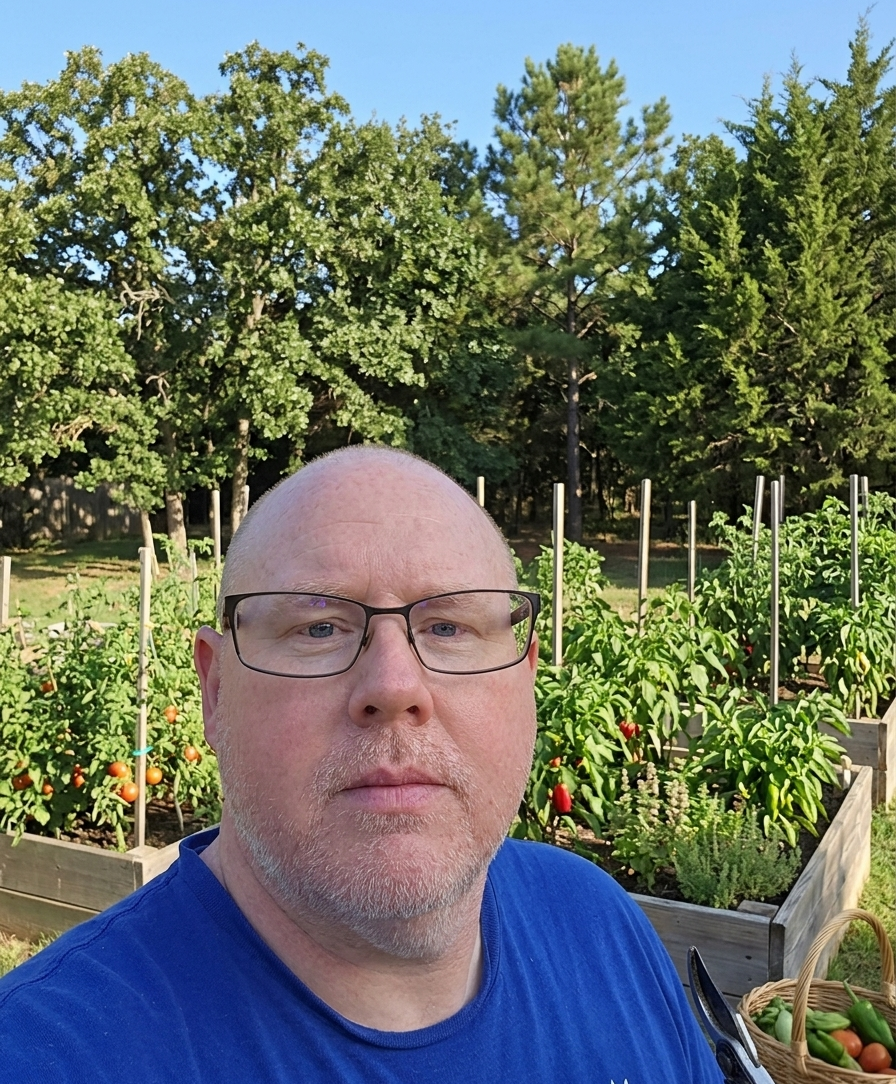
David Rodgers is the Founder & Head Gardener of Planting Atlas. With over 40 years of hands-on gardening experience in Oklahoma's Zone 7 climate, he researches, writes, and personally tests every guide on the site.
David draws from real backyard trials, soil testing, and trusted sources like Oklahoma State University Extension and USDA data to deliver practical, zone-specific advice that actually works.
Read more about David and Planting Atlas →