Loading…
←Back to Newsletters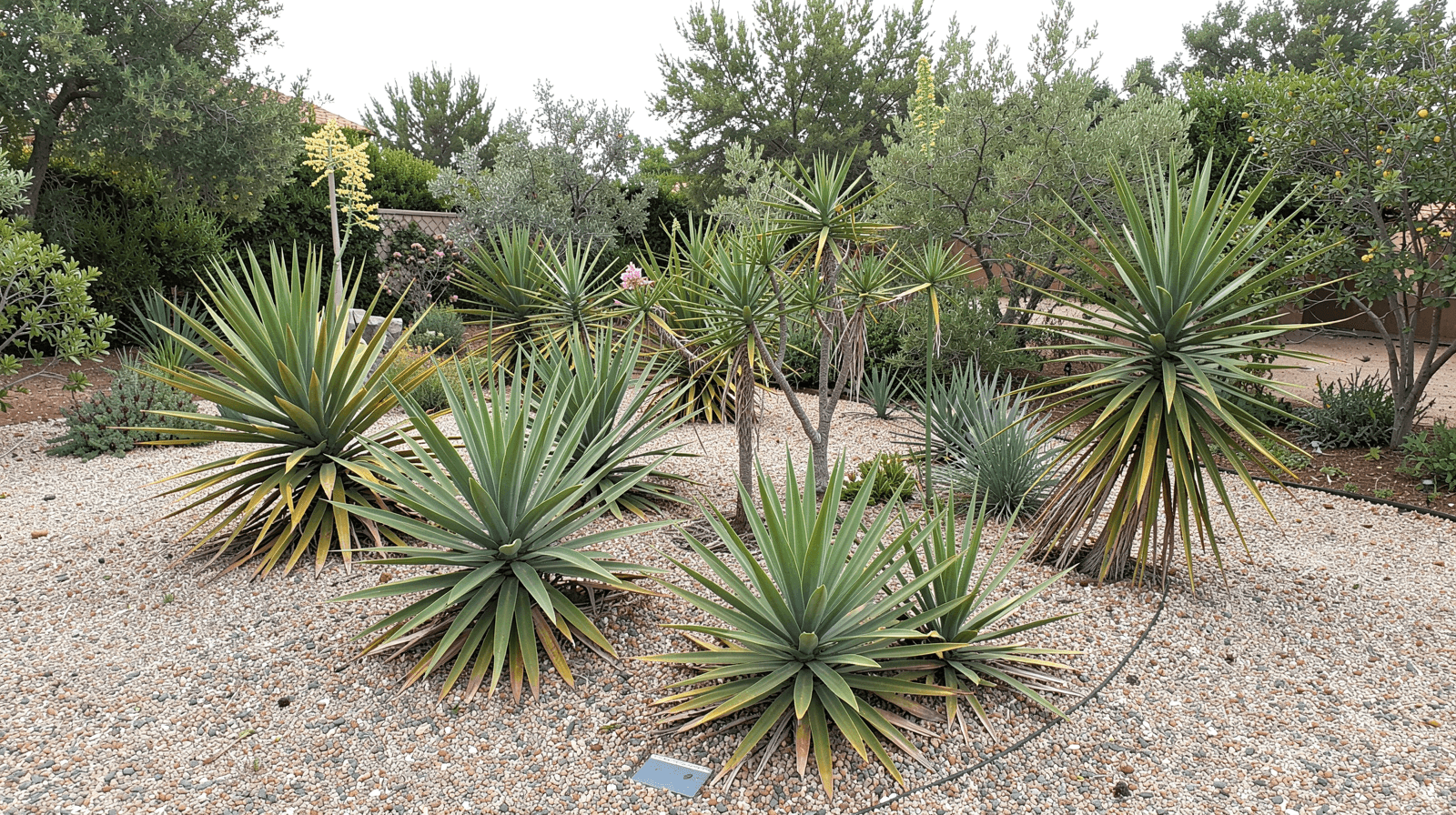

Yucca: Making a Statement Without Trying Too Hard
Written by David Rodgers — 2026-10-27
A guide to using architectural plants for low-fuss design across arid climates.
The newsletter for gardeners who want structural anchors that look incredible even when you're too tired to fuss with them.
XeriscapingStructural PlantsContainer GardeningDrought Tolerance
When you just need structure, not fuss: The role of Yucca
If you’ve spent any time in a backyard during a scorching July and watched your "easy" perennials wilt into brown ribbons before they could even produce a flower, you know how frustrating it is to find plants that actually stand their ground. That’s where the Yucca comes in. I didn't start looking for these until I realized my garden needed some backbone—something that provided visual interest without demanding my attention every single day.
Yucca isn't about showy, fleeting blooms; it’s about architecture. These plants provide a permanent structural "anchor" to your landscape. They have those sharp, sword-like leaves and a verticality that breaks up the flat horizontal lines of grass or low-lying shrubs. Because they are naturally drought-tolerant, they don't mind when you forget to water them for a few days (or even a week). In my experience, their real value is in their "set it and forget it" nature. Once they are established, they offer a clean, modern look that holds its shape through the heat of summer and the chill of winter, making them an ideal choice for anyone who wants a designed garden without the constant maintenance cycle.
Designing with drama: Where to place your structural anchors
One mistake I see people make—and I’ve definitely made it myself in my own yard—is treating a Yucca like a lonely statue. You can't just stick one out there and expect it to do all the work. To get that "designed" look, you have to think about grouping and visual weight. Because Yuccas are so bold, they act as anchors. If you place them alone in a massive bed, they can look lost; if you crowd too many together, the garden feels cluttered.
I find the best way to use them is in odd-numbered groupings of three or five. This creates a natural flow that looks intentional but not stiff. In a large landscape bed, try placing a taller variety at the back and shorter ones toward the front to create layers. If you’re working with containers, think about scale. A small Yucca tucked into a large ceramic pot can look dwarfed unless it's paired with something trailing or softer in texture to contrast those sharp leaves. The goal is to use their "drama" to highlight other plants around them, rather than letting the Yucca be the only thing people see.
Taming the dry spots: Soil, drainage, and container tricks
Here is where most people run into trouble with these guys: drainage. I’ve seen plenty of Yuccas turn into a mushy mess because they were planted in heavy clay that held onto water like a sponge. Yuccas hate "wet feet." If the water doesn't move through the soil quickly, the roots will rot before you even get a chance to see them grow.
Ground Planting
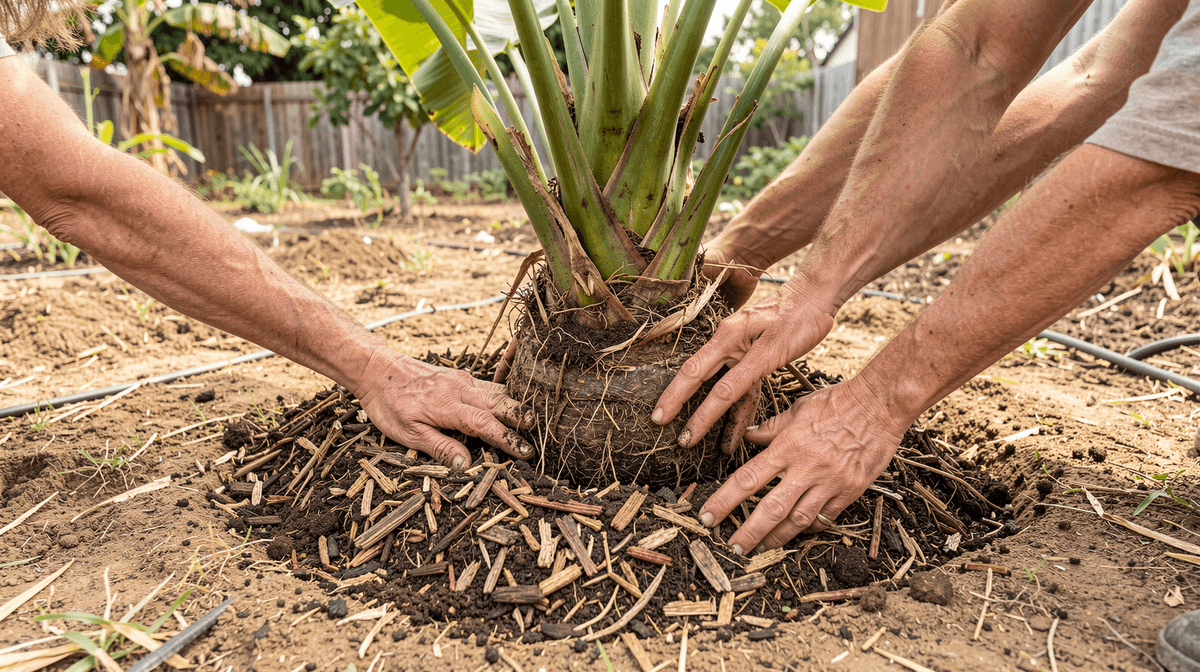
When you’re planting in the ground, don't just dig a hole and drop it in. You need to amend your soil with coarse sand or fine gravel—whatever helps water drain away from the root ball immediately. If your yard has naturally heavy soil, I’d recommend building a slightly raised mound for each plant to ensure they aren't sitting in a basin of moisture after a heavy rain.
Container Care
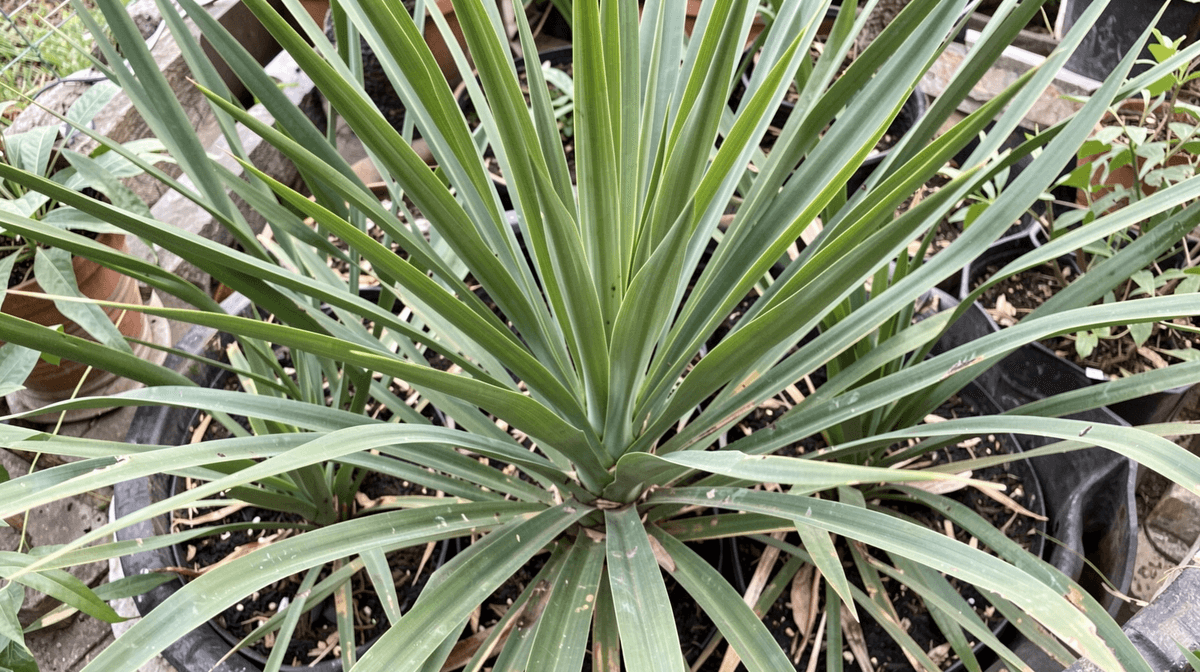
In pots, the situation is even more critical because there’s nowhere for excess water to go but down. Use a high-quality potting mix and, more importantly, make sure your container has large drainage holes at the bottom. I always suggest using a "soak and dry" method: water them until you see it coming out of the bottom, then don't touch them again until the soil feels dry to the touch about two inches down.
The annual routine: Pruning, watering, and overwintering
People often think that because Yuccas are "low maintenance," they never need any attention. That’s not quite right—they just have a different set of needs than your typical rose bush or tomato plant. My rule for Yuccas is to let them do their thing most of the time, but keep an eye on two things: spent foliage and winter prep.
Pruning
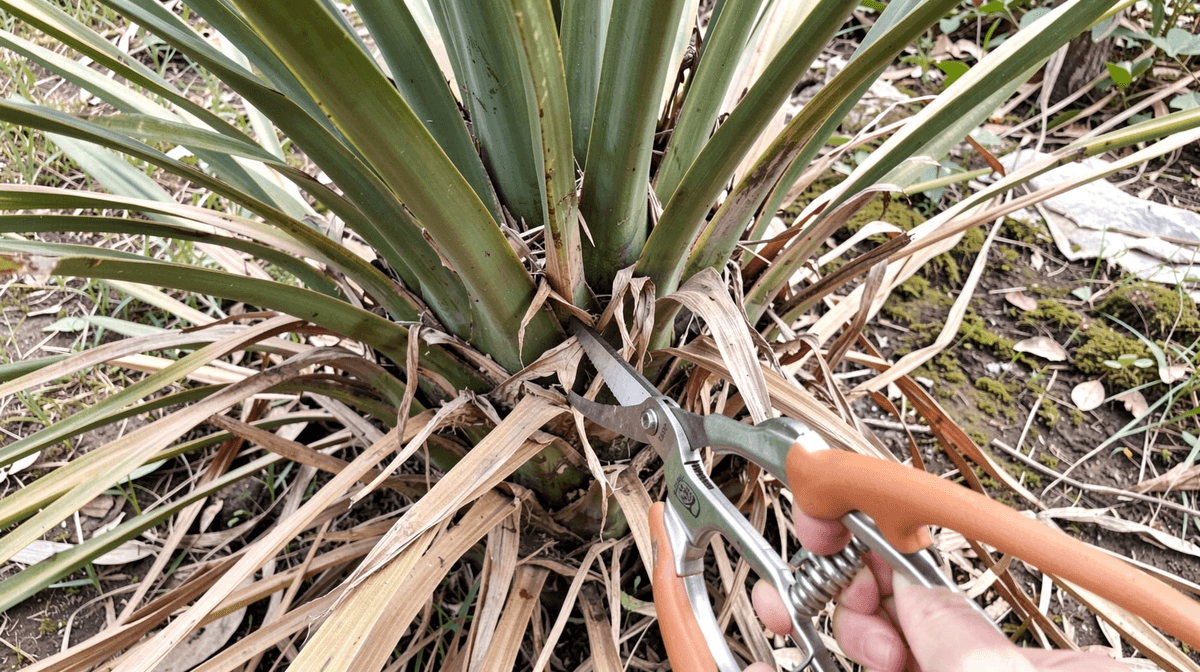
Over time, older leaves will turn brown and dry out at the base. This can start to look like a "rat's nest" around the bottom of the plant. You don’t need to be aggressive here; just take a pair of sharp shears and snip off those dead stalks once or twice a year. It keeps the plant looking clean and prevents debris from piling up against the main stem.
Watering and Winter
In my experience, "less is more" applies perfectly here. During the growing season, deep watering every week or so in extreme heat is plenty. For winter, it depends entirely on your local frost dates. In warmer zones, they generally just need to be left alone. However, if you’re in a colder area where the ground freezes solid for months, I've found that a light mulch around the base can help protect the crown from extreme temperature swings without trapping too much moisture against the stem.
Making more plants (the cuttings and seeds)
If you find a variety that works perfectly in your yard, you might want to expand your collection. You have two main paths here: taking cuttings or starting from seed. I’ll be honest—cuttings are usually the faster route for someone who wants results this season, while seeds are more of a long-game project.
Leaf and Stem Cuttings
You can take simple leaf cuttings by cutting a healthy leaf into sections and letting them callus over in a dry spot before placing them in a sandy medium. However, stem cuttings (taking a small piece of the main stalk) often have a higher success rate for establishing a strong root system quickly. Just make sure you aren't taking too much from the mother plant—you want it to stay healthy enough to keep producing.
Starting from Seed
Starting from seed is a bit more finicky because Yucca seeds need a very specific balance of moisture and warmth to germinate. They can be slow to start, but they give you that chance to select exactly which variety you want before it ever hits your garden bed. If you go this route, patience is your best friend; don't rush them into the ground too early just because they look big enough.
Zoning reality check: From Zone 3 through arid heat
One of the reasons I love Yuccas is their massive range—they can handle everything from Zone 3 to Zone 11. But "handling" a zone doesn't mean you treat every zip code the same way. The timing of when you put them in the ground depends entirely on your local frost dates and summer heat peaks.
| Climate Type | Typical Zones | Key Consideration | Timing Tip |
|---|---|---|---|
| Cold Hardy | 3–6 | Winter protection | Plant in late spring; mulch heavily for winter. |
| Moderate/Arid | 7–9 | Summer heat & drainage | Ensure rapid soil drainage to prevent rot during rain. |
| Tropical/Desert | 10–11 | Extreme drought | Focus on establishment watering first, then taper off. |
For example, if you're in a Zone 4 area, your biggest concern is the winter freeze; you need to ensure they are well-mulched and not in a "frost pocket" where cold air settles. If you’re further south in a Zone 8 or 9, your focus shifts entirely to drainage—you want that soil moving water out as fast as possible so it doesn't sit around the roots during those heavy summer thunderstorms. Always check your specific frost dates before putting new plants in the ground; an early frost can be a disaster for a plant that isn't quite established yet.
Your low-intervention design checklist: Keep it simple, keep it tough
At the end of the day, gardening shouldn't feel like a second job—it should be a way to enjoy your outdoor space. The beauty of the Yucca is that it allows you to have a high-impact, "architectural" garden without the stress of constant fussing. If you follow these three principles, you’ll have success:
- Drainage is non-negotiable: Whether in a pot or the ground, if water sits around those roots, the plant will fail. Make sure your soil (or mix) moves water away quickly.
- Group for impact: Don't let them stand alone like lonely outposts. Use odd numbers and varying heights to create a visual "anchor" that ties the rest of your garden together.
- Accept the cycle: Some leaves will turn brown, and some years might be drier than others. Part of the charm of these plants is their ruggedness; they aren't meant to look perfect every single day—they’re meant to be tough.
Keep it simple, focus on the drainage, and let these plants do what they do best: provide structure without asking for much in return.
Your turn
What's your toughest spot in the yard that needs a structural overhaul? Share a picture of your zone below—we might have advice!
🌿 Get Seasonal Gardening Tips
New guides, planting reminders, and growing tips — straight to your inbox.
No spam. Unsubscribe anytime.
About the Author
David Rodgers is the Founder & Head Gardener of Planting Atlas. With over 40 years of hands-on gardening experience in Oklahoma's Zone 7 climate, he researches, writes, and personally tests every guide on the site.
David draws from real backyard trials, soil testing, and trusted sources like Oklahoma State University Extension and USDA data to deliver practical, zone-specific advice that actually works.
Read more about David and Planting Atlas →