Loading…
←Back to Newsletters
Your Seasonal Checklist for Backyard Growers.
Written by David Rodgers — 2026-08-06
A guide to what needs attention across the garden year, from Zone 3 through Zone 11.
The newsletter for gardeners who'd rather learn from a mistake made 40 years ago than repeat it themselves.
general careseasonal gardeningbackyard growinggarden checklist
What's really worth doing right now?
There is a lot of noise out there about what you "should" be doing every single day in your garden, and it can make the task feel overwhelming before you even pick up a shovel. I spent my first decade trying to do everything—pruning every leaf, pulling every tiny weed the second it popped its head up, and obsessing over soil chemistry metrics that didn't actually change how much food ended up on my plate. It was exhausting and honestly, most of those tasks were just "busy work."
What is truly worth your focus right now are the high-impact moves: getting your soil prepared, establishing consistent irrigation habits, and identifying your primary goals for each bed. Instead of trying to be a perfectionist with every single sprout, pick three things in your yard this week that will make the biggest difference—like clearing out old debris or laying down mulch on beds that struggle to stay moist. If you focus on these heavy-lifting tasks early, the smaller maintenance items won't feel like an insurmountable mountain when the summer heat really kicks in and everyone is working under a deadline of ripening crops.
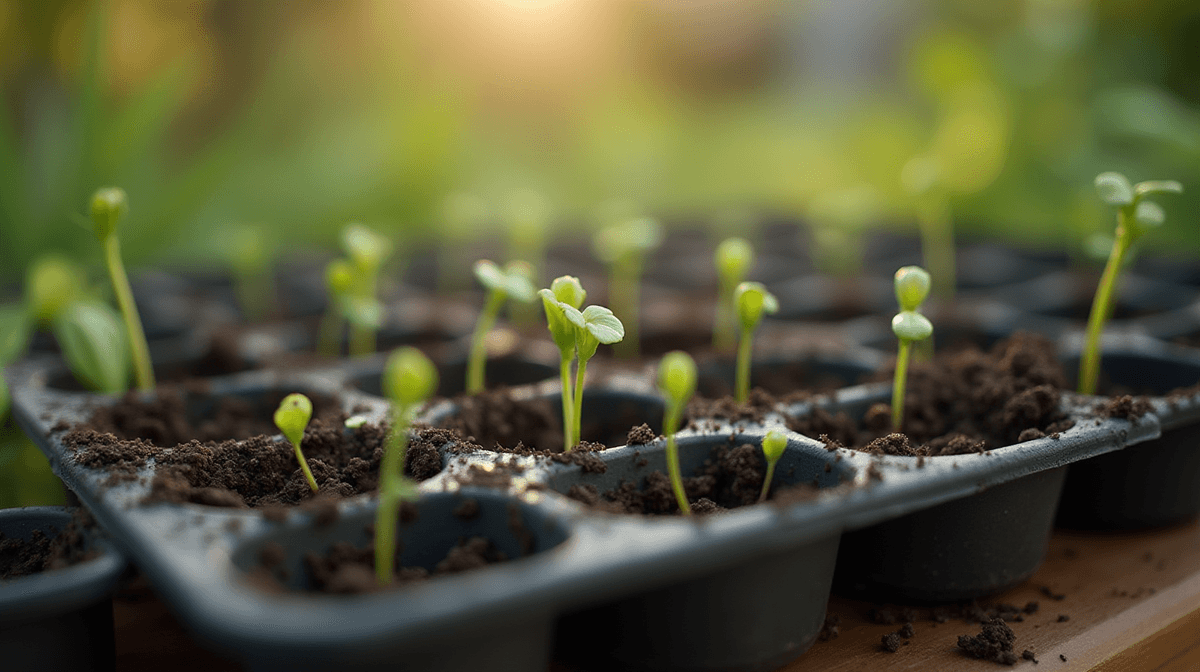
Starting your seeds (The cool vs. warm dilemma)
One of the biggest hurdles for new gardeners is timing—specifically understanding the difference between "cool-season" and "warm-season" crops. This isn't just about what you prefer to eat; it’s about how these plants react to soil temperature and air temperature. Many beginners try to rush their summer favorites into the ground as soon as the last frost passes, only to find that things like peppers and tomatoes simply stop growing or "stall out" because the ground is still too chilly.
I learned this through a lot of wilted plants: you have to time your starts based on your specific USDA zone and what you want to harvest. In some regions, you might be planting peas and spinach (cool-season) while others are just starting their summer preparations. You need to know the "no-go" zones for your local climate so you don't waste seeds or space on crops that won't thrive in current conditions.
| Crop Category | Examples | Typical Timing Requirement | Temperature Tolerance |
|---|---|---|---|
| Cool-Season | Peas, Spinach, Lettuce, Radish | Early Spring / Late Fall | Can handle light frost and cool soil |
| Warm-Season | Tomatoes, Peppers, Squash, Beans | Late Spring (after soil warms) | Require warm soil; fail in chilly temps |
Tending the beds: Maintenance basics
Once you have your plants established, "maintenance" is what keeps them alive. I think of this as keeping the house clean so the residents can thrive. The most important tool in your maintenance kit isn't a fancy sprayer; it’s mulch. In my experience, a consistent 2-to-3-inch layer of straw or shredded wood is one of the best things you can do for soil health and moisture retention. It acts as a blanket, keeping the roots cool when the sun beats down on them and significantly reducing the amount of water you have to provide.
Beyond mulching, focus on these basics:
- Strategic Weeding: You don't need to pull every tiny sprout, but you should catch the large, aggressive weeds before they can steal nutrients or space from your vegetables.
- Soil Nutrition: If your soil feels like a hard brick after a rain, it needs more organic matter. Adding compost is a simple way to improve structure and fertility.
By keeping these basics consistent throughout the season, you won't find yourself in a panic trying to save a wilting plant in July because it didn't have enough protection in June.
Pest Patrol: Spotting problems before they take over
Instead of waiting for a full-blown infestation and reaching for a chemical spray as a last resort, the goal is to develop an "eye" for what’s happening in your beds. This means spending five minutes walking through your garden every few days just looking at the leaves. You are looking for early warning signs: Are the leaves curling? Do you see small holes? Is there sticky residue on the stems (which usually indicates aphids)?
By catching these issues when they first appear, you can often handle them with much simpler methods—like a high-pressure blast of water from your garden hose or a simple application of insecticidal soap. I used to wait until my squash was completely covered in bugs before taking action; by then, the damage was already done for that season's harvest. Now, if something looks "off," I address it immediately. It’s about being proactive rather than reactive. If you spot a problem early enough, you can often stop it from becoming a neighborhood-wide disaster without any heavy lifting.
Harvesting and preparing for rest (The end-of-season clean up)
When the heat begins to break or the nights start to turn crisp, your focus shifts from growth to preservation and preparation. This is the time for a deep clean of your growing space. First, harvest everything that is ripe; don't let it sit on the vine and go to seed unless you have a specific plan to save seeds for next year. Once the crops are pulled, clear out the spent plants from your beds. Leaving old, diseased vines or stalks in the ground can provide a home for pests and diseases over the winter months.
Finally, take care of your tools and soil:
- Tool Maintenance: Clean off dirt and any rust before storing them away. A clean tool is much easier to handle next spring.
- Soil Prep: Top off your beds with a fresh layer of compost or mulch as the season winds down.
This "puts the garden to bed" properly. By cleaning out the debris and nourishing the soil now, you aren't starting from scratch next year; you’re building on a clean foundation that makes for an easier start when spring rolls around again.
Your turn
What's the single biggest task facing *your* garden right now? Share your local advice below! Did this checklist save you a trip to the nursery? Please share it with a neighbor who needs to stop guessing!
🌿 Get Seasonal Gardening Tips
New guides, planting reminders, and growing tips — straight to your inbox.
No spam. Unsubscribe anytime.
About the Author
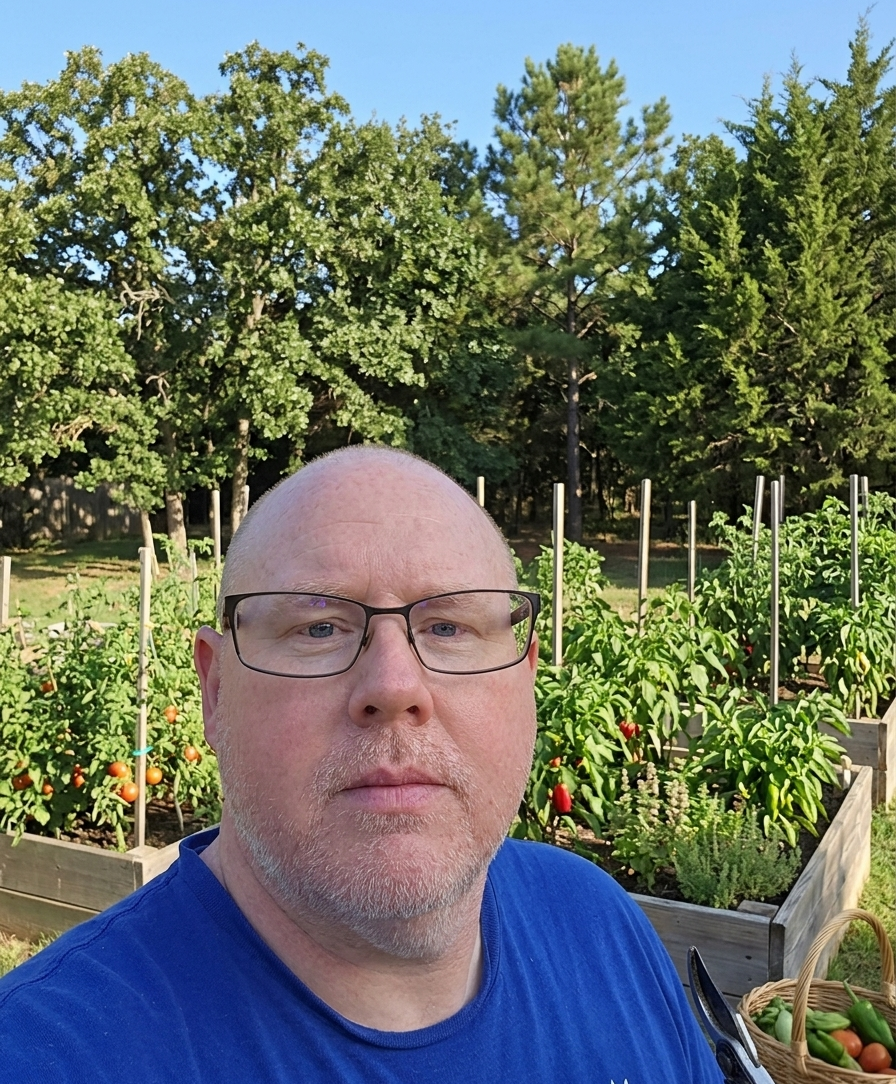
David Rodgers is the Founder & Head Gardener of Planting Atlas. With over 40 years of hands-on gardening experience in Oklahoma's Zone 7 climate, he researches, writes, and personally tests every guide on the site.
David draws from real backyard trials, soil testing, and trusted sources like Oklahoma State University Extension and USDA data to deliver practical, zone-specific advice that actually works.
Read more about David and Planting Atlas →