Loading…
←Back to Newsletters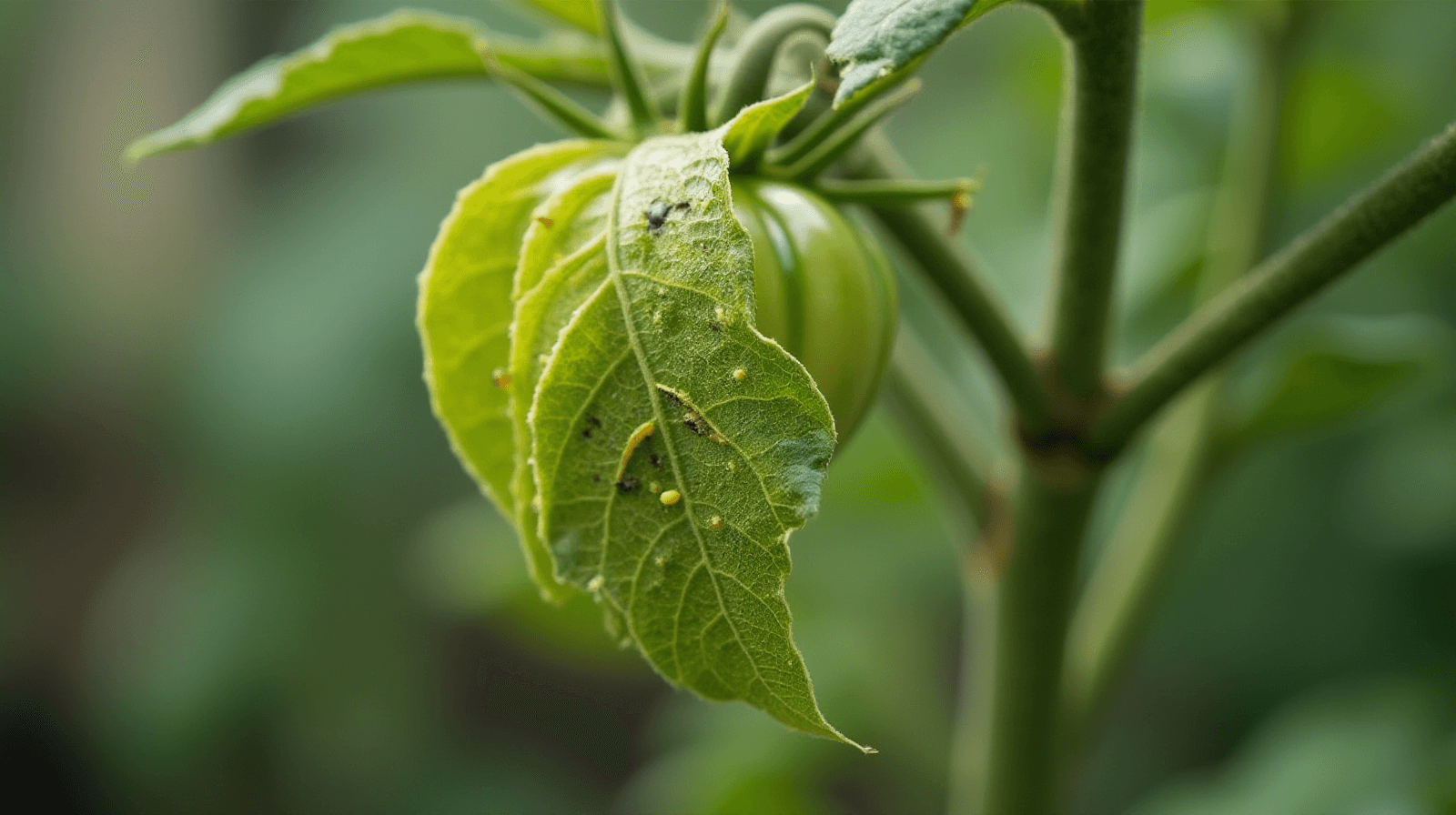

Why are my tomato leaves curling up? A field guide.
Written by David Rodgers — 2026-08-18
Understanding the difference between environmental stress and actual disease damage.
The newsletter for backyard growers tired of advice that ignores their actual climate.
tomatoespestsdiagnosticsvegetable care
Before you panic: what leaf curling actually means
When you walk out into your garden and see those tomato leaves beginning to curl, the first instinct is often to reach for a spray bottle or some heavy-duty treatment. I’ve been there; it's easy to assume that if something looks "wrong," it must be an infestation of pests or a fungal infection taking hold. However, in my forty years of growing tomatoes, I’ve learned that leaf curling is rarely the diagnosis itself—it is almost always a symptom.
Think of your tomato plant like any other living thing: when it feels stressed by its environment, it changes how it behaves to protect itself. Curling is just one way a plant says, "I'm uncomfortable." That discomfort can stem from three main categories: environmental stress (like extreme heat or inconsistent water), nutritional imbalances in the soil, or actual biological issues like pests and diseases. Before you start treating for bugs that might not be there, you have to figure out which of these buckets your plant is falling into. Identifying the "why" behind the curl will tell you exactly what action to take next.
Is it the water? The big environmental culprits.
In many cases—especially here in Zone 7 where our summers can turn brutal—the culprit is simply the weather. If you notice curling during a heatwave or after several days of intense sun, your plants are likely trying to protect their stomata (the tiny pores they use to breathe). By curling their leaves, they reduce the surface area exposed to the sun and try to slow down water loss through evaporation.
There are two other common environmental issues that look like disease but aren't:
- Inconsistent Watering: If your irrigation is "on-off" or depends on a heavy rain followed by several days of bone-dry soil, the plant will go into shock and curl as it tries to cope with the fluctuating moisture levels.
- Nitrogen Overdose: I’ve seen this happen when people get over-excited about growth and apply too much nitrogen fertilizer. This causes a "growth spurt" where the new leaves grow so fast they can't keep up with the environmental demands, leading to weak, curled foliage that often turns yellow at the edges.
Could your soil be giving you a nutrient problem?
If the curling is consistent across specific plants and seems tied to their growth stage rather than the daily weather forecast, we need to look at what’s in the ground. Plants need a balanced diet of minerals to build strong cells; when one key element is missing, they often manifest this deficiency through leaf deformation.
Two common culprits are Magnesium (Mg) and Iron (Fe). A magnesium deficiency can cause the leaves to curl while also showing some yellowing between the veins (interveinal chlorosis). If you’re growing in heavy clay or very sandy soil without regular amendments, these minerals can wash away or become "locked" so the roots can't grab them.
To figure this out, I recommend a simple soil test rather than just guessing and dumping more fertilizer on the bed. You want to see if your levels are actually low before you start over-applying chemicals that could lead to the nitrogen issues mentioned above. A healthy plant in balanced soil won't need to "distort" its leaves to survive.
When it’s not the water or food: diagnosing serious problems
Sometimes, the curling is caused by something more invasive and harder to fix. If you see a pattern that doesn't match environmental stress—such as a sudden curl in only one area of the garden or on just one specific plant—you might be looking at damage from herbicide drift, root rot, or a viral infection.
Herbicide drift is a common headache for home gardeners who live near busy roads or have neighbors spraying and treating their own lawns. If it looks like the leaves are "melting" or curling suddenly in a localized area, check your surroundings. Root damage from over-watering (which leads to lack of oxygen in the soil) can also cause the plant to struggle just enough that its growth becomes stunted and curled.
Finally, there is the possibility of a virus, such as the Tomato Mosaic Virus. These are much harder to "fix" because they affect the internal biology of the plant. You can usually spot these by looking for mottled colors or very stunted, twisted stems. In those cases, my advice is simple: pull the plant and don't let it stay in your garden where it can infect its neighbors.
| Symptom Observation | Likely Cause | Typical Action |
|---|---|---|
| Curling only during 90°F+ days | Heat/Water Stress | Provide afternoon shade or mulch |
| Yellowing between veins + curling | Nutrient Deficiency (Mg/Fe) | Soil test and balanced amendment |
| "Melted" look in a specific area | Herbice Drift / Chemical Damage | Identify source; likely requires removal |
| Mottled colors & stunted growth | Viral Infection | Remove and destroy the affected plant |
The structural issue: knowing when 'epinasty' is just how plants are wired
It is also possible that your tomatoes aren't "sick" at all. There is a botanical term called epinasty, which is a downward and outward curling of the leaves caused by hormonal imbalances or the plant trying to find more light.
Sometimes, certain varieties—especially those bred for specific industrial uses or older heirloom types—simply have a tendency to curl as they grow larger. If the leaves are green, healthy-looking (no yellowing or spotting), and growing at a normal rate despite the curling, it might just be the way that particular plant is built. In these cases, don't waste your time with sprays or extra nutrients; the plant is doing exactly what its genetics told it to do. I’ve had several varieties in my own garden where the leaves curled beautifully and produced heavy fruit regardless of the shape of the leaf. If the plant looks "happy" otherwise, you can let it be.
Quick checklist for next season’s tomatoes.
To give your future crops the best chance at staying healthy and upright through a long growing season, I recommend these three practical steps:
- Mulch Heavily: In our region, keeping the soil temperature stable is key. A 3-inch layer of straw or shredded leaves keeps the roots cool and maintains consistent moisture levels, which prevents many "stress" curls caused by heat spikes.
- Establish a Consistent Watering Routine: If possible, use a drip irrigation system or soaker hoses. These deliver water slowly to the root zone rather than drenching the foliage and soil surface, which helps prevent both drought stress and over-fertilization issues.
- Select Heat-Tolerant Varieties: Not all tomatoes are created equal for our climate. Look for varieties specifically bred for heat tolerance (like 'Solar' or 'Heatmaster'). These varieties have "tougher" cell structures that can withstand the high temperatures of a July afternoon without curling up in distress.
If you find yourself dealing with these issues this year, take it one step at a time. Identify the stressor first before jumping to a solution.
Your turn
What weird leaf problem have you run into this season? Send me a photo or email it over. And if this guide saved your tomatoes, share it with another struggling grower!
🌿 Get Seasonal Gardening Tips
New guides, planting reminders, and growing tips — straight to your inbox.
No spam. Unsubscribe anytime.
About the Author
David Rodgers is the Founder & Head Gardener of Planting Atlas. With over 40 years of hands-on gardening experience in Oklahoma's Zone 7 climate, he researches, writes, and personally tests every guide on the site.
David draws from real backyard trials, soil testing, and trusted sources like Oklahoma State University Extension and USDA data to deliver practical, zone-specific advice that actually works.
Read more about David and Planting Atlas →