Loading…
←Back to Newsletters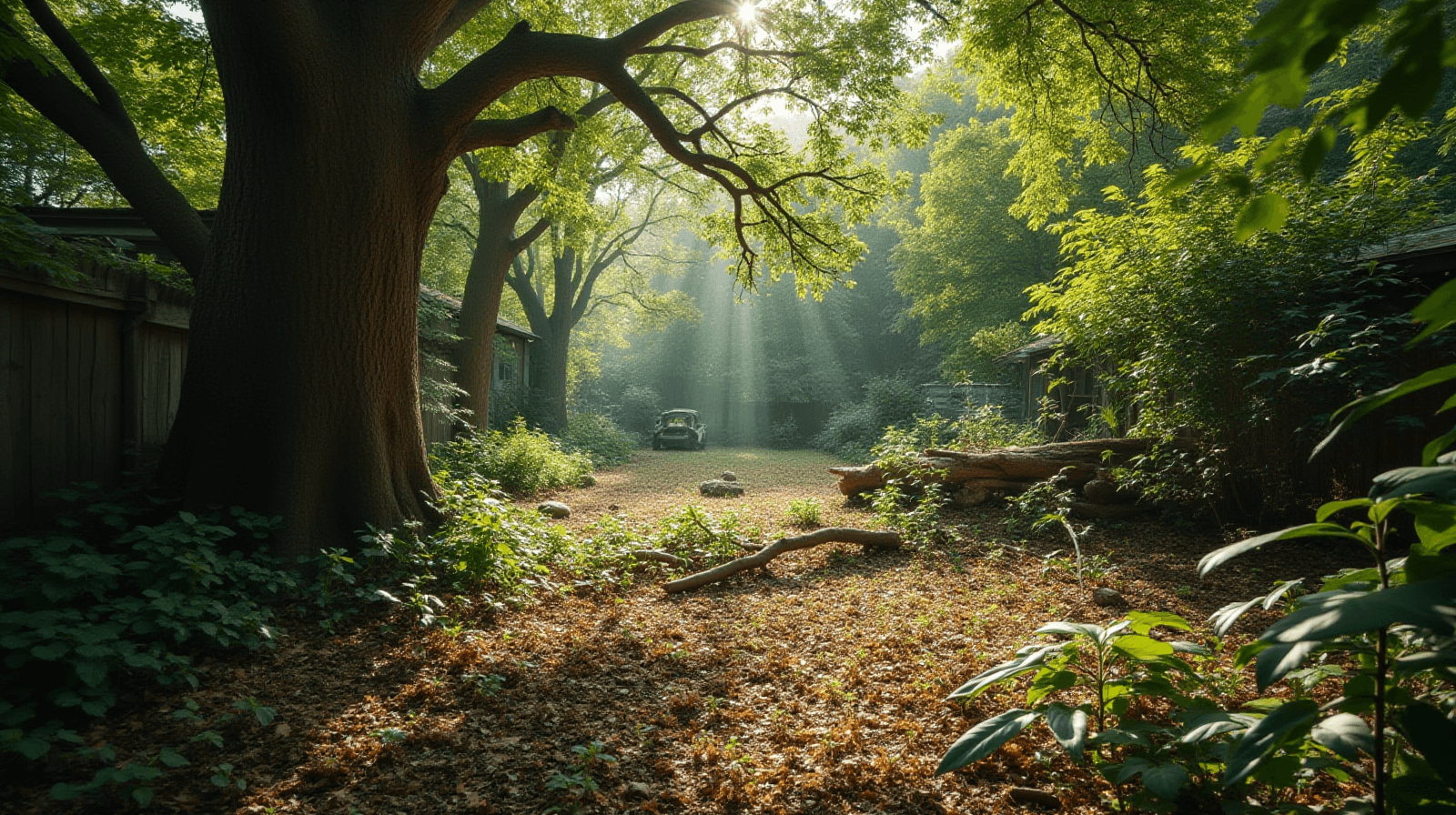
When a Tree Falls: Saving Your Shade-Loving Garden After Unexpected Sunlight
Written by David Rodgers — 2026-09-02
A step-by-step guide for dealing with sudden sun exposure and scorched plants.
The newsletter for backyard growers tired of advice that ignores their actual climate.
shade gardeningplant careenvironmental stressgarden recovery
The immediate triage: What to do in the first few hours
When a tree comes down—whether it’s from a severe storm, disease, or simply getting too old and heavy for its roots—the change in your garden's microclimate is instant. In places like Oklahoma, where our summer sun can be punishing, that sudden exposure isn't just an aesthetic change; it’s a physical shock to the plants living underneath. If you find yourself standing in a yard with a freshly cleared gap in the canopy, your first priority isn't cleaning up branches—it's triage.
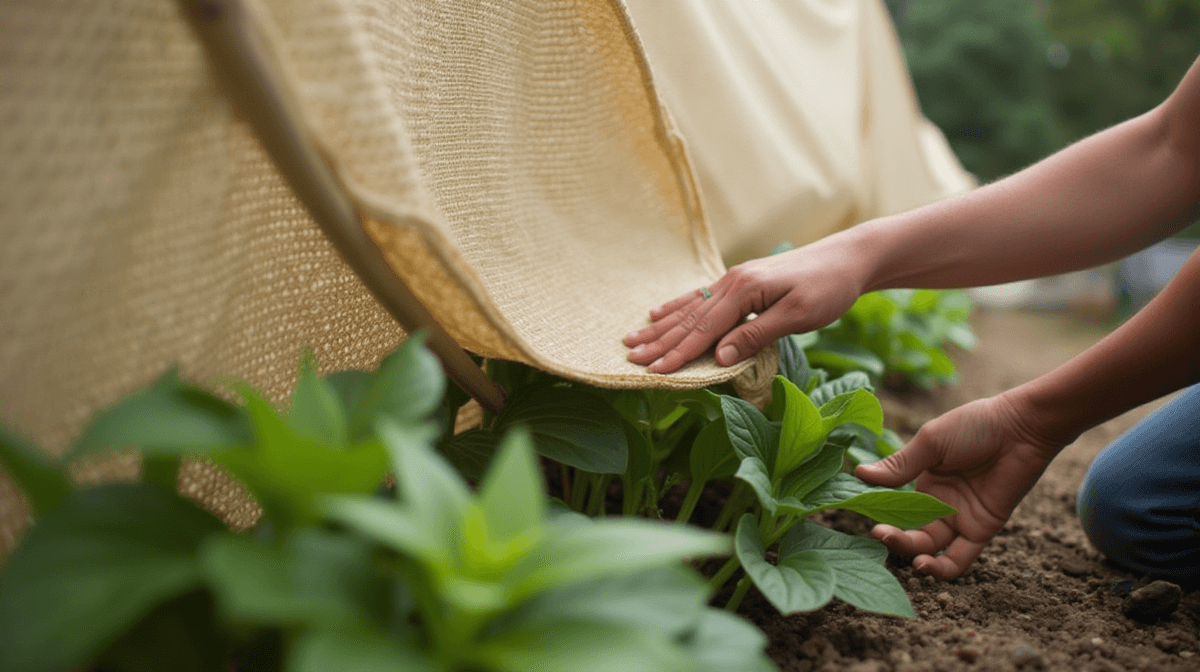
In those first few hours, if the sun is high and hot, your goal is to lower the temperature of the soil and the foliage as quickly as possible. I’ve seen beautiful hostas and ferns turn into "crispy" remains in less than a day once their protection was gone. Get some water on them immediately. This isn't just about hydration; it's about cooling those leaves down so they don't literally cook. If you have any old sheets, burlap, or even large umbrellas nearby, get them over the most vulnerable plants right away. You want to create a temporary "ceiling" while you figure out your next move. Don't wait for tomorrow; once a plant is scorched by intense UV rays, it’s very hard to bring that tissue back to life.
Identifying your 'shady' players (and how much sun they actually need)
Not every plant in your shade garden is created equal. Before you spend money on infrastructure or move anything around, you need to know what you have and what its "breaking point" is. Some plants are just okay with a little more light than others, while some will literally die if the shadows disappear for even a week.
To make this easier, I like to group my garden residents into categories of tolerance. Knowing which ones are your "divas" helps you prioritize where to put your resources first. Use the table below as a quick guide to see what's likely at risk and what might just need a little extra water to handle the transition for now.
| Plant Type | Typical Requirement | Tolerance Level | Action Plan |
|---|---|---|---|
| Deep Shade (Ferns, Hostas) | < 3 hours direct sun | Low | Immediate cover needed; these are high priority. |
| Partial Shade (Hydrangeas, Heuchera) | 4-6 hours indirect/morning | Moderate | Can handle a few days of extra light but need help. |
| Woodland Perennials | Dappled sunlight | Variable | Monitor closely; some may adapt if the transition is slow. |
When I’m walking through my own yard, I always look for those "Deep Shade" favorites first. They are usually the ones that will show signs of stress—like drooping leaves or bleached spots—the fastest when the canopy opens up.
The big fixes: Short-term shade solutions that work
If you can't get a permanent structure built by next season, you need a way to "block" the sun today. I’ve tried several methods over the years, and some are much more effective than others. For example, don't just throw a thin piece of plastic over your plants; it traps heat underneath and can actually bake them faster.
Instead, look for 30% or 40% "shade cloth." You can find this at most local garden centers or farm supply stores. It’s designed to let some air through while cutting down the intensity of the UV rays. If you're in a pinch and need something tonight, high-quality burlap is an excellent substitute. It provides a heavy, textured shade that feels more natural than plastic but still protects from scorching.
Another trick I use for specific "hot spots" is strategically placing larger, hardier items—like large ceramic pots or even some of your sturdier shrubs—to cast shadows over the smaller ones during the peak hours of 10:00 AM to 4:00 PM. It’s not a perfect fix, but it buys you time and keeps those delicate plants from reaching their breaking point while you plan for something more permanent.
Understanding sun scorch and desiccation (the science of too much light)
It helps to understand why your plants are reacting so poorly when the tree falls. It isn't just "too much sun" in a general sense; it’s a physiological shock. Plants that live in deep shade have evolved to be efficient with very little light, but they haven't developed the defenses against high-intensity radiation and heat.
When those plants are suddenly exposed, two things happen simultaneously: desiccation (drying out) and scorching (cellular damage). Desiccation happens because the leaves lose water through their pores faster than the roots can pull it from the ground—especially when the air is hot and dry. Scorching occurs when the intense UV rays actually damage the cell walls of the leaf. This shows up as white or brown "bleached" patches that look like they’ve been toasted by an oven.
I always tell people: if you see those bleached spots, that tissue is dead. The plant is trying to survive by shutting down parts of itself to save its core. Knowing this helps us realize that once the leaf turns that crispy brown color, no amount of water will turn it green again. Our goal in the first few days is to stop that "scorch" from spreading further into healthy tissue.
The transplanting question: Should I move my shade lovers?
One of the most common questions I get when a tree falls is, "Should I just dig up these plants and move them to a shadier spot?" My honest advice based on forty years in the dirt is: usually, no—at least not right away.
Moving a plant is one of the most stressful things you can do to it. You have to break the root ball, change its soil chemistry, and force it to establish itself in a new location while it’s already dealing with the trauma of increased sun exposure. It’s often much better to "protect in place" using shade cloth or temporary structures than it is to move them during an emergency.
If you decide that moving is your only option because the area has become permanently untenable, wait until the growing season slows down. Don't try to transplant a hosta in the middle of a July heatwave just because its home became sunny overnight. Give it time to settle into its "new" reality under a temporary shade structure for at least one full season before you decide if it’s worth the effort of moving it to a different part of your yard.
Long-term thinking: Planning for light changes and future protection
Once the initial crisis has passed and your plants have survived the first few weeks, it's time to think about what stays and what goes. Not every plant that lived under that tree will thrive in its new home forever. Some may survive a season or two of "hardened" growth, but they might eventually become stunted or lose their beauty because they aren't getting the deep shade they crave.
For your long-term plan, I recommend looking at three things:
- Permanent Shade Structures: If you have a beautiful bed that is now too sunny, consider installing a pergola or a simple timber frame with some mesh over it to create a permanent "artificial" canopy.
- Hardier Varieties: For the areas where the sun will be constant from here on out, start planning for more resilient species. Some varieties of hydrangea or certain types of ornamental grasses might handle that extra light better than your current shade-loving favorites.
- Strategic Replacement: If a specific plant clearly isn't making it despite your best efforts with shade cloth, don't be afraid to pull it out and replace it with something more suited to the new conditions next spring.
It’s about learning to live with the changes the land makes. Sometimes a fallen tree is an opportunity to try something new in that space, but often, it just means we have to build a better roof for our favorites until the next generation of trees can take over.
Your turn
What’s the most unexpected thing you’ve had to save in your own backyard? Share it below! P.S. If this guide helped, tell a neighbor who needs to read this when disaster strikes.
🌿 Get Seasonal Gardening Tips
New guides, planting reminders, and growing tips — straight to your inbox.
No spam. Unsubscribe anytime.
About the Author
David Rodgers is the Founder & Head Gardener of Planting Atlas. With over 40 years of hands-on gardening experience in Oklahoma's Zone 7 climate, he researches, writes, and personally tests every guide on the site.
David draws from real backyard trials, soil testing, and trusted sources like Oklahoma State University Extension and USDA data to deliver practical, zone-specific advice that actually works.
Read more about David and Planting Atlas →