Loading…
←Back to Newsletters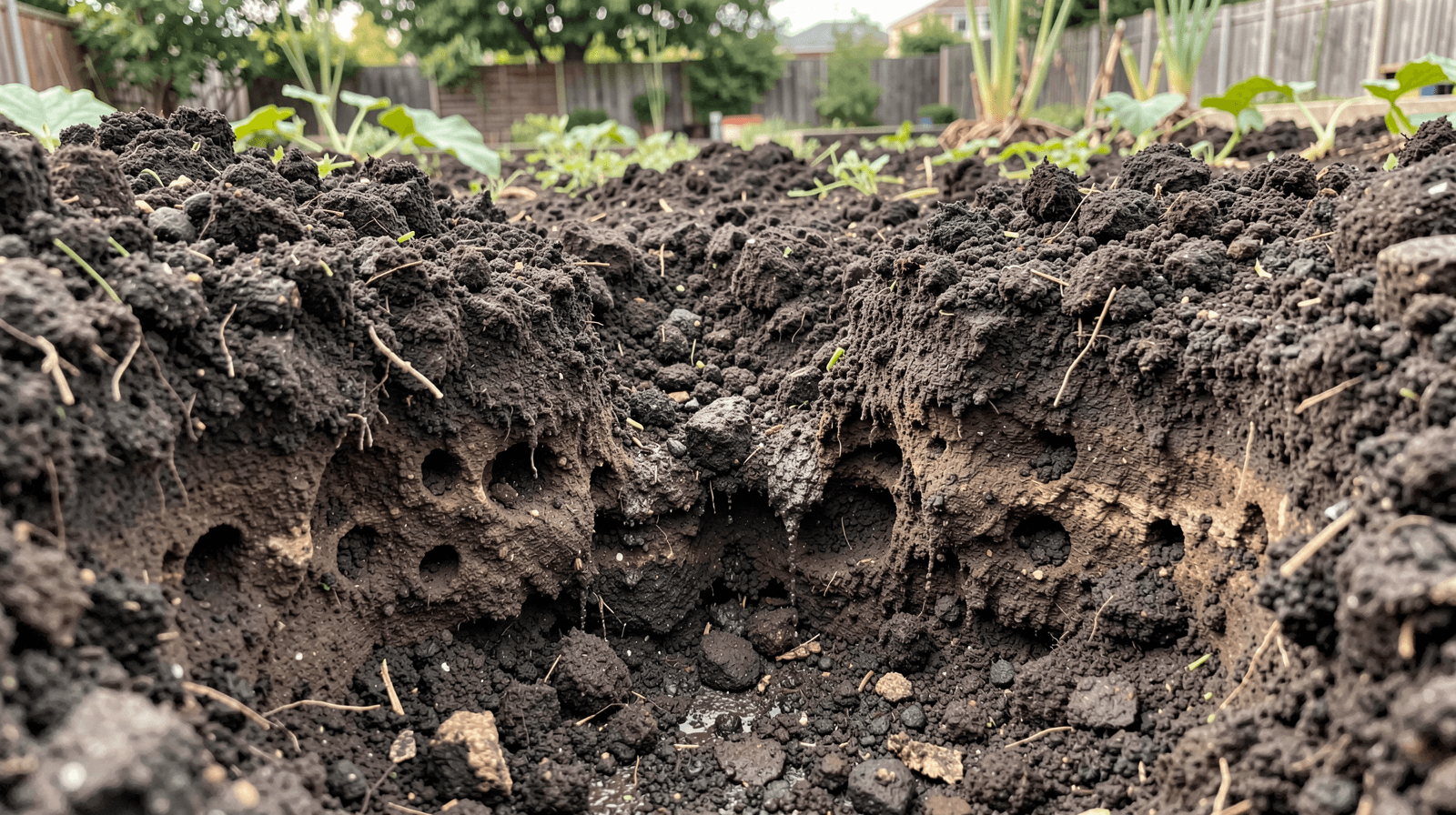
What Your Backyard Really Needs Underneath the Surface
Written by David Rodgers — 2026-11-14
How to turn soggy spots into a planting map for next season's success.
The newsletter for gardeners who want to stop treating symptoms and start fixing what’s really wrong underground.
Soil HealthDrainageGarden StructureZone Gardening
The Puddle Problem: Why Does My Garden Always Flood?
I’ve spent plenty of rainy afternoons in my backyard here in Oklahoma, staring at a patch of ground that just refuses to dry out. You know the one—the spot where the grass stays yellow and mushy long after the neighbors' lawns have turned green again. It’s frustrating because you want to plant something there, but every time you try, the seedlings end up drowning or rotting in their own "bathtub."
Most people assume they just have "bad dirt" or that they need a massive drainage pipe installed overnight. But after forty years of trial and error, I’ve learned it usually comes down to one concept: porosity. Think of your soil not as a solid block of earth, but as a sponge. A good garden needs those tiny air pockets—the "pores"—to let water move through. When those pores are clogged or crushed shut, the water has nowhere to go but out into your boots. If you’re tired of fighting the same puddle every spring, we need to stop looking at just the surface and start looking at what's happening underneath.
Understanding Empty Space (Porosity) vs. Being Too Compacted
To fix a drainage issue, you have to understand that "soil" is actually a mixture of minerals, organic matter, and—most importantly for us right now—empty space. This empty space is called porosity. In a healthy garden bed, those pores are filled with a mix of air and water. When it rains, the water should move into these pockets, travel downward, and eventually exit the root zone.
The opposite problem is compaction. Compaction happens when that "empty space" gets squeezed out by heavy machinery, constant foot traffic, or even extreme weather cycles. When soil is compacted, it behaves more like a brick than a sponge. If you try to pour water onto a brick, it just sits on top. In your backyard, this means the water pools because the structure of the soil has collapsed. It’s not that the ground is "holding" the water; it's that the ground is physically blocking its path. To get a garden to thrive, we have to find ways to rebuild those microscopic tunnels so the earth can breathe again.
The Worst Mistakes People Make When Trying to Fix Drainage (Don't Be One of Them)
I’ve seen a lot of folks try to "fix" their soggy spots and end up making things worse. If there is one thing I wish I could tell my younger self, it’s this: never, ever till your soil when it’s wet. I did it once in the 80s on a heavy clay patch during a muddy spring week. Instead of loosening the dirt, the tiller just smashed the soil particles together into tight, unworkable clumps. It turned my garden bed into a literal concrete slab that took years to recover from.
Another common mistake is thinking you can just throw a bag of sand onto a drainage problem. In many clay-heavy regions like mine (Zone 7), adding sand without enough organic matter creates a "concrete" consistency—it’s a classic gardening myth that leads to a lot of wasted money and even worse soil structure. Finally, people often ignore the grade. If your yard naturally slopes toward a certain spot, no amount of tilling will fix it; you have to address how the land actually moves water before you start worrying about what's happening in the dirt itself.
Reading Your Yard Like a Map (Zone-Specific Diagnosis)
In Oklahoma and across much of Zone 7, we deal with specific weather patterns that dictate how our soil behaves. We get those heavy, sudden spring rains that can saturate the ground in an hour, but we also face late winter freezes that turn saturated mud into a frozen, impenetrable layer. When the thaw hits, all that water has to go somewhere—and if your "sponge" is clogged, it stays right where it fell.
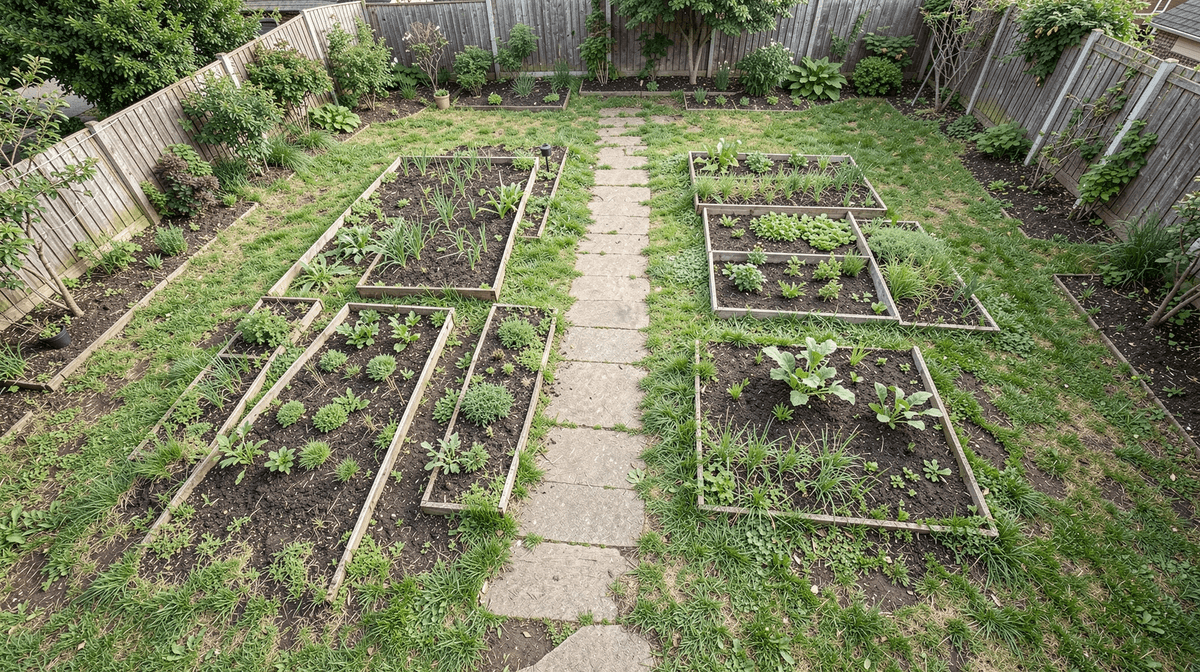
You have to learn to read your yard like a map based on these cycles. If you notice a spot remains wet for more than 48 hours after a standard rain, that’s your primary drainage zone. Knowing your soil type is the first step in diagnosing why it's failing:
| Soil Type | Drainage Behavior (Zone 7) | Common Culprit | Primary Fix Strategy |
|---|---|---|---|
| Heavy Clay | Slow percolation; stays "mucky" | Lack of organic matter / Compaction | Incorporate compost/mulch |
| Sandy Loam | Fast drainage (sometimes too fast) | Nutrient leaching | Increase organic matter |
| Silt/Loam | Moderate; prone to crusting | Foot traffic compaction | Groundcover & mulch |
Three Non-Disruptive Ways to Test and Improve Your Soil Sponge
You don't always need a backhoe to start improving your soil. Most of the time, you can begin with low-impact methods that help rebuild those essential air pockets over time.
1. The Sticky Ball Test
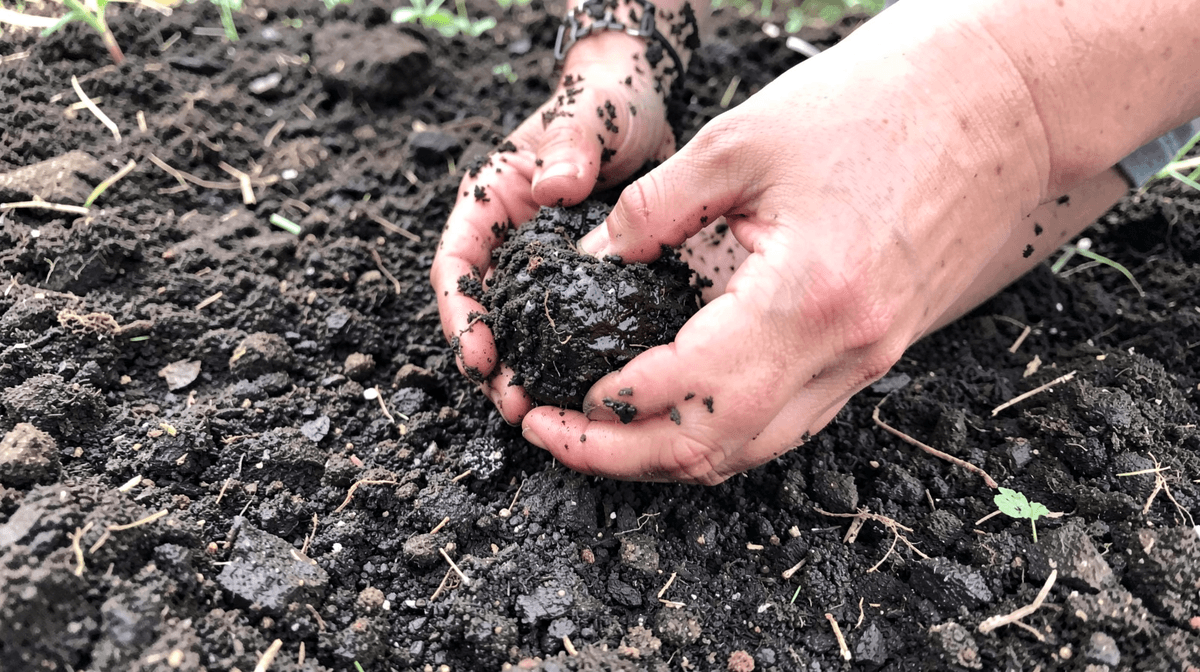
This is my go-to way to see what we’re dealing with. Take a handful of moist soil and squeeze it into a ball. If it falls apart immediately, your drainage is likely fine (it's too sandy). If it stays in a firm, sticky ball that you can't break apart easily, you have a compaction or high-clay issue. This tells you exactly how much "work" the dirt needs to do before you even start planting.
2. Strategic Mulching and Groundcover
One of the best ways to prevent soil from getting compacted in the first place is to keep feet off it. By using heavy wood chips or a permanent groundcover, you protect those tiny pores from being crushed by your boots as you work. It keeps the "sponge" open for air and water.
3. The Organic Matter Injection
Instead of tilling, try "top-dressing." Spread a layer of high-quality compost over your soggy spots and let the rain do the work of pulling those nutrients down into the profile. Over time, earthworms will come in to feast on that organic matter, and as they tunnel, they create natural drainage pipes that no tiller can replicate.
Long-Term Habits: Keeping the Water Flowing Year After Year
Gardening is a game of long-term maintenance, especially when it comes to soil structure. The goal isn't just to fix a puddle today; it's to ensure that same spot doesn't turn into a swamp next season. This means being disciplined about how you interact with your garden beds throughout the year.
First, adopt a "no-walk" rule on wet days. If the ground is soft enough to leave a deep footprint, stay off it. Every time you step on saturated soil, you are crushing those air pockets and making the drainage problem worse for next year. Second, leave your dead root systems in place if they aren't causing an obstruction. Those old roots act as natural channels for water to move through the subsurface.
Lastly, consistency is key with organic matter. Don't just dump a ton of compost once every five years and expect it to work forever. A thin layer of mulch or compost added every spring keeps the soil "active" and prevents it from settling into that hard, unbreathable state. It’s about keeping the water moving so your plants can actually do what they were meant to do—grow.
Your turn
Do you know where water tends to pool in your garden? Share a photo of it below! What foundational gardening issue are you struggling with right now?
🌿 Get Seasonal Gardening Tips
New guides, planting reminders, and growing tips — straight to your inbox.
No spam. Unsubscribe anytime.
About the Author
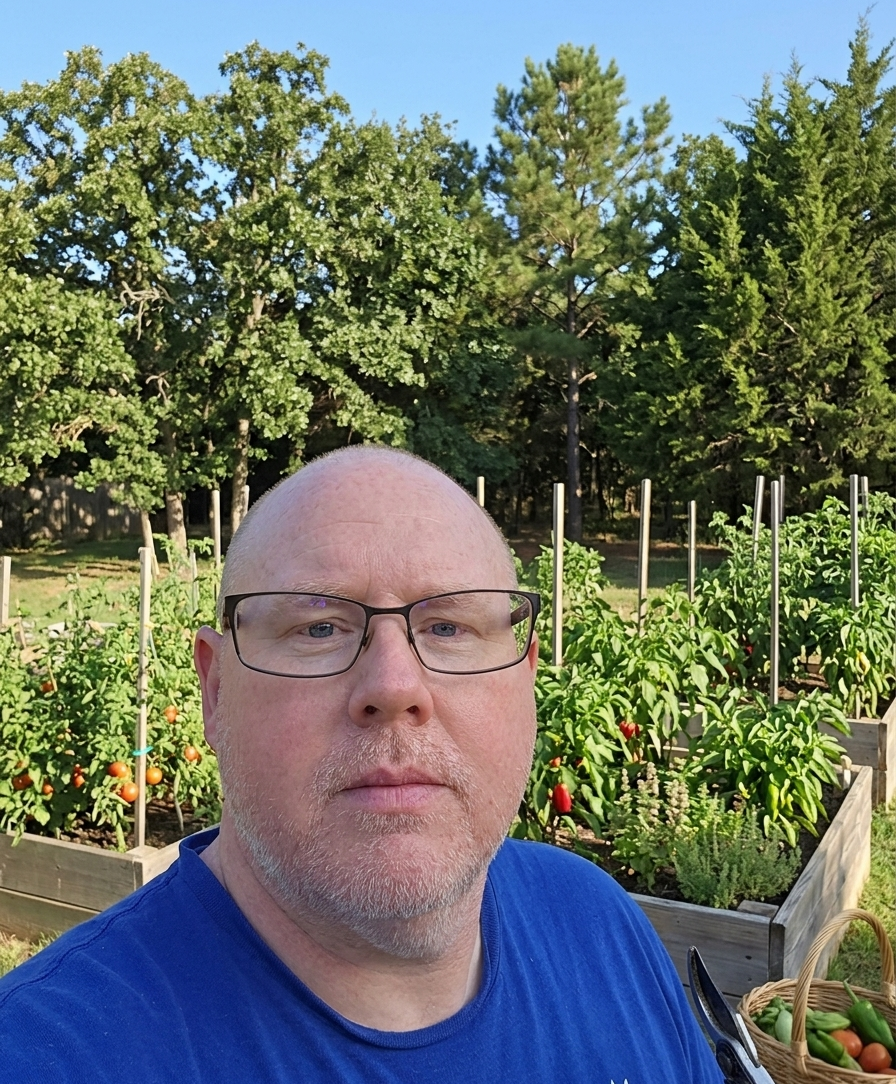
David Rodgers is the Founder & Head Gardener of Planting Atlas. With over 40 years of hands-on gardening experience in Oklahoma's Zone 7 climate, he researches, writes, and personally tests every guide on the site.
David draws from real backyard trials, soil testing, and trusted sources like Oklahoma State University Extension and USDA data to deliver practical, zone-specific advice that actually works.
Read more about David and Planting Atlas →