Loading…
←Back to Newsletters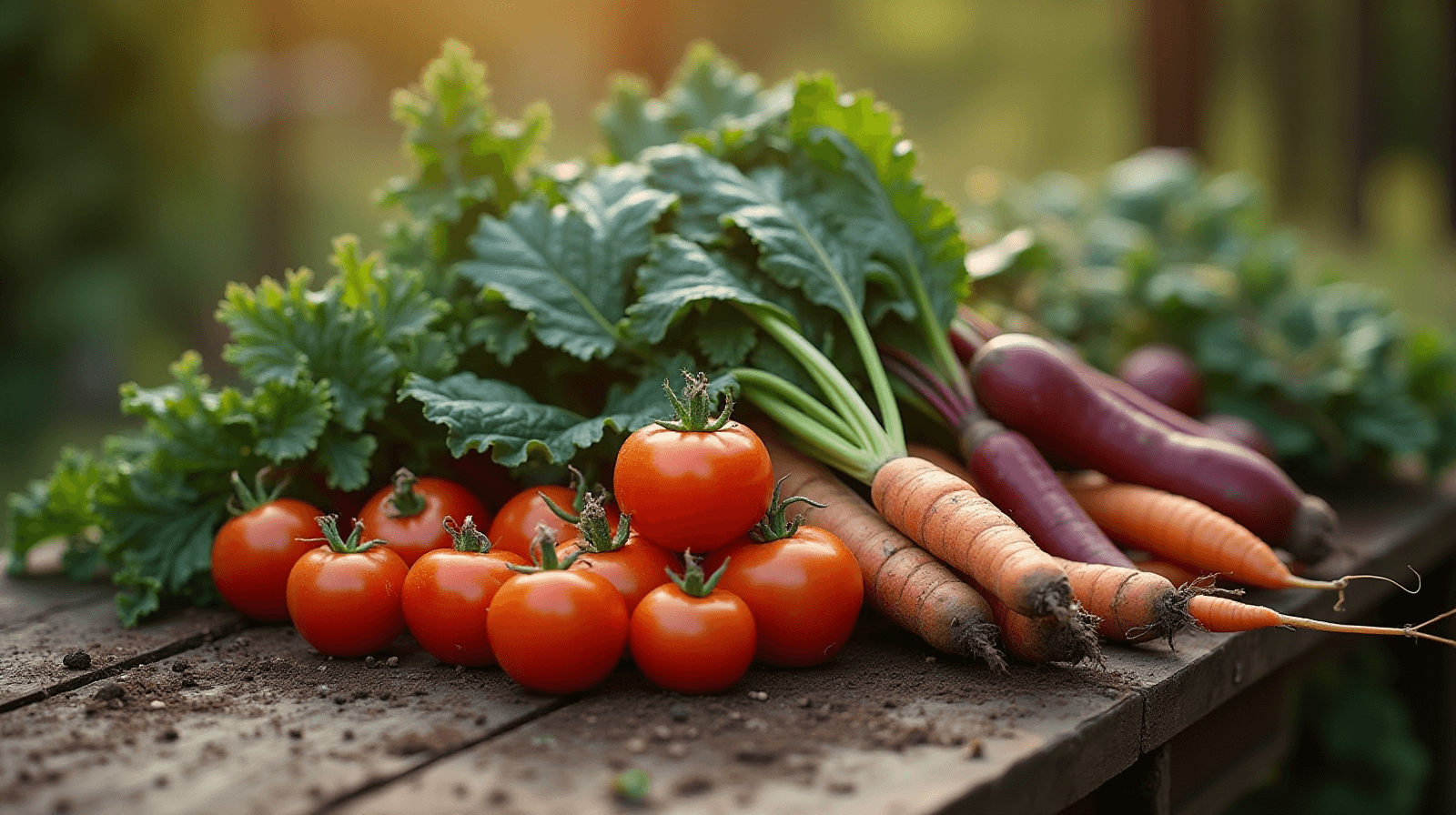

What to do with all that garden bounty?
Written by David Rodgers — 2026-08-04
Practical techniques for using up every part of the season's yield.
The newsletter for gardeners who'd rather learn from a mistake made 40 years ago than repeat it themselves.
harvestwaste-reductionseasonalitypreservation
The bounty trap: When too much is actually a problem
There’s a specific kind of panic that hits any home gardener when the first big harvest comes in. In my backyard, it usually happens with the zucchini or the summer squash—suddenly, you have more than just enough for dinner; you have so much that you start wondering if you can possibly eat it all before it turns into mush on your counter. This is what I call "the bounty trap." It’s easy to feel overwhelmed when your garden's success becomes a logistical headache.
The mistake many make is trying to figure out how to use every single item as it comes off the vine in its raw form. If you have ten pounds of zucchini, don't just try to roast them all individually tonight. Instead, shift your focus from "how do I cook this now?" to "how can I process this for later?" By thinking about preparation methods—like pureeing, drying, or making base components like stock—you turn a daunting pile of produce into manageable ingredients. When you have an abundance, the goal isn't just variety; it’s strategy. You want to move from being overwhelmed by the volume to having a system for managing it.
Greens that won't quit: Braising, wilting, or pureeing tough leaves
When we get into the heart of the growing season, you often find yourself with hardy greens like kale, collards, or Swiss chard. These aren't delicate spring peas; they have some "backbone" to them. If you try to just toss a bunch of raw kale into a salad every day, it gets old fast and can be tough on the teeth.
To handle these tougher varieties, I recommend three main techniques depending on how much volume you’re dealing with:
- Braising: This is my go-to for large amounts of collards or kale. You cook them slowly in a small amount of liquid (water, broth, or even just olive oil) until they soften completely. It shrinks the volume significantly and develops a deep flavor.
- Wilting: For things like spinach or the tender parts of chard, high heat for a short time works best. This is for when you want to use it in a sauté but don't want it to turn into a puddle.
- Pureeing: If you have so much kale that even braising isn't enough, pulse it in a food processor with some garlic and oil. You can freeze this "green base" and toss a few spoonfuls into soups or pasta sauces later in the year when your garden is dormant.
From salad bowl to slow cooker: Handling tender and varied parts of the garden
Not every part of a plant handles heat the same way, and if you try to cook them all with one method, you’ll end up frustrated. You have to distinguish between "tender" items and "hearty" structures.
Tender items—like peas, green beans, or summer squash—are best handled quickly. They are meant for high-heat sautéing or roasting where they can get some color without losing their shape entirely. If you let a pea sit in a slow cooker for three hours, it will turn into mush. On the other hand, heartier items like root vegetables (carrots, parsnips) and thick stalks (celery, fennel) are your "slow" candidates. These can stand up to long simmer times or low-and-slow roasting because their cellular structure is denser.
When you're looking at a haul from the garden, ask yourself: Is this meant for a quick sear or a slow simmer? If it’s delicate, keep the heat high and the time short. If it has some "meat" to it, don't be afraid to let it cook down in a pot until it becomes tender enough to melt in your mouth.
Roasting what you usually throw away: Roots, stems, and tougher vegetables
One of the biggest wastes I see in home gardens is throwing away perfectly good parts just because they aren't "pretty" or convenient. In my experience, many of these parts actually have more flavor than the primary edible part once they are roasted. Roasting uses high heat to caramelize those natural sugars and break down tough fibers that would otherwise make them hard to chew.
I’m talking about things like:
- Beet stalks: Don't toss them! They taste remarkably like celery but with a deeper, earthier note when roasted.
- Carrot tops: These can be treated almost like an herb. Roast them quickly or use them to flavor your oils.
- Radish greens: If you have enough of these, they roast up beautifully and add a peppery kick to side dishes.
By roasting these "scraps," you aren't just being resourceful; you’re extracting flavors that are often lost in boiling or steaming. Give them a drizzle of oil, a pinch of salt, and some high heat for 15-20 minutes. They become much more palatable than they would be raw.
Building the foundation: Broths, stocks, and preserving flavor from scraps
If you want to truly master your garden's bounty, you have to start thinking about "pre-processing." This is where we turn what would normally go in the compost pile into a staple for your pantry. A great way to do this is by creating large batches of vegetable broth or stock.
Instead of worrying about how to use every single carrot tip today, keep a large bag in your freezer. Every time you peel a carrot, trim the ends of green onions, or have some celery hearts left over, toss them into that bag. When it's full, simmer everything together with some peppercorns and bay leaves. This creates a concentrated base that can be frozen into ice cube trays.
| Item Type | Best Method for "Scraps" | Why It Works |
|---|---|---|
| Root Ends (Carrots, Parsnips) | Stock/Broth | Concentrates flavor; eliminates waste. |
| Green Stems (Celery, Leeks) | Sautéed Base | Adds depth to sauces and stews. |
| Herbal Tops (Parsley stems) | Infused Oils | Preserves aroma for later use in dishes. |
Having a "ready-made" stock means that when you do have a surplus of something like squash, you can easily incorporate it into a soup using your pre-made base as the foundation.
The last-minute fix: Pesto, gratin, and simple preparations for immediate use
Sometimes, life gets in the way, and you just need to get that mountain of zucchini off your kitchen counter right now because you don't have time to make stock or braise it properly. In those moments, you need a "high-volume" technique—something that incorporates a lot of produce into one dish very quickly.
Pesto is my favorite trick for this. You aren't limited to basil; you can make pesto with kale, spinach, or even roasted peppers and herbs from your garden. It’s an excellent way to "hide" large amounts of greens while creating a concentrated flavor punch.
Another great option is the gratin. If you have a lot of sliced vegetables (potatoes, zucchini, summer squash), toss them with some oil and seasonings, layer them in a dish, and top with a simple cheese sauce or just a heavy dusting of cheese and breadcrumbs. Bake it until bubbly. The high heat and fat content of the cheese help break down the fibers of the vegetables quickly, making even "tougher" items palatable and delicious in minutes. These methods are your safety net for when the harvest is overwhelming and you need an immediate win.
Your turn
What's the wildest thing you've ever managed to cook with excess harvest? Let me know in the comments. If this helped you clear out a pile of zucchini, share it with another gardener!
🌿 Get Seasonal Gardening Tips
New guides, planting reminders, and growing tips — straight to your inbox.
No spam. Unsubscribe anytime.
About the Author
David Rodgers is the Founder & Head Gardener of Planting Atlas. With over 40 years of hands-on gardening experience in Oklahoma's Zone 7 climate, he researches, writes, and personally tests every guide on the site.
David draws from real backyard trials, soil testing, and trusted sources like Oklahoma State University Extension and USDA data to deliver practical, zone-specific advice that actually works.
Read more about David and Planting Atlas →