Loading…
←Back to Newsletters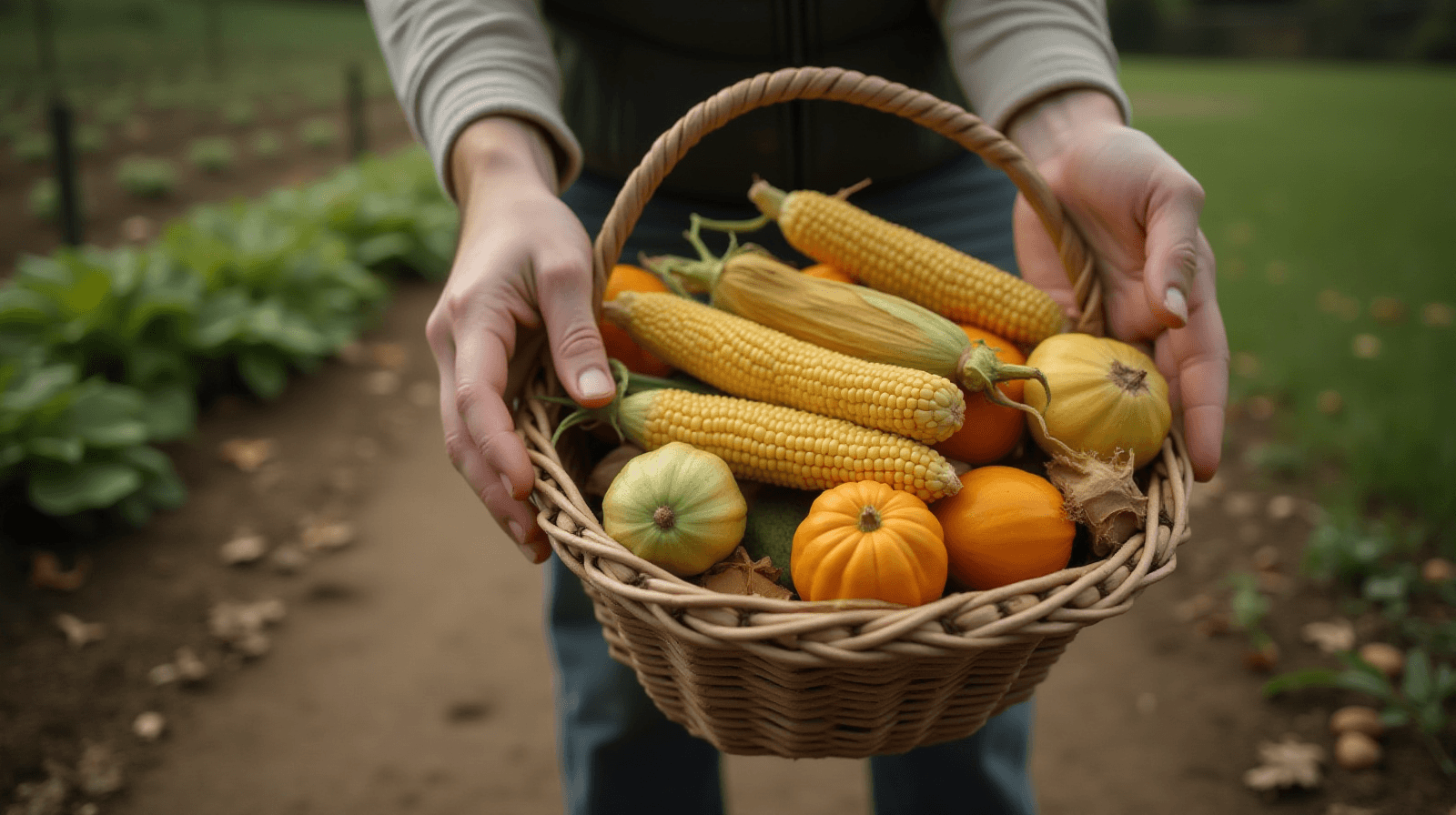
What to Do When Summer Starts to Wind Down in the Garden
Written by David Rodgers — 2026-08-03
Maximizing your final harvest while getting ready for the cooler months.
The newsletter for backyard growers tired of advice that ignores their actual climate.
harvestingfall prepsoil healthsuccession sowing
The Grand Tally: Harvesting Your Summer Bounty
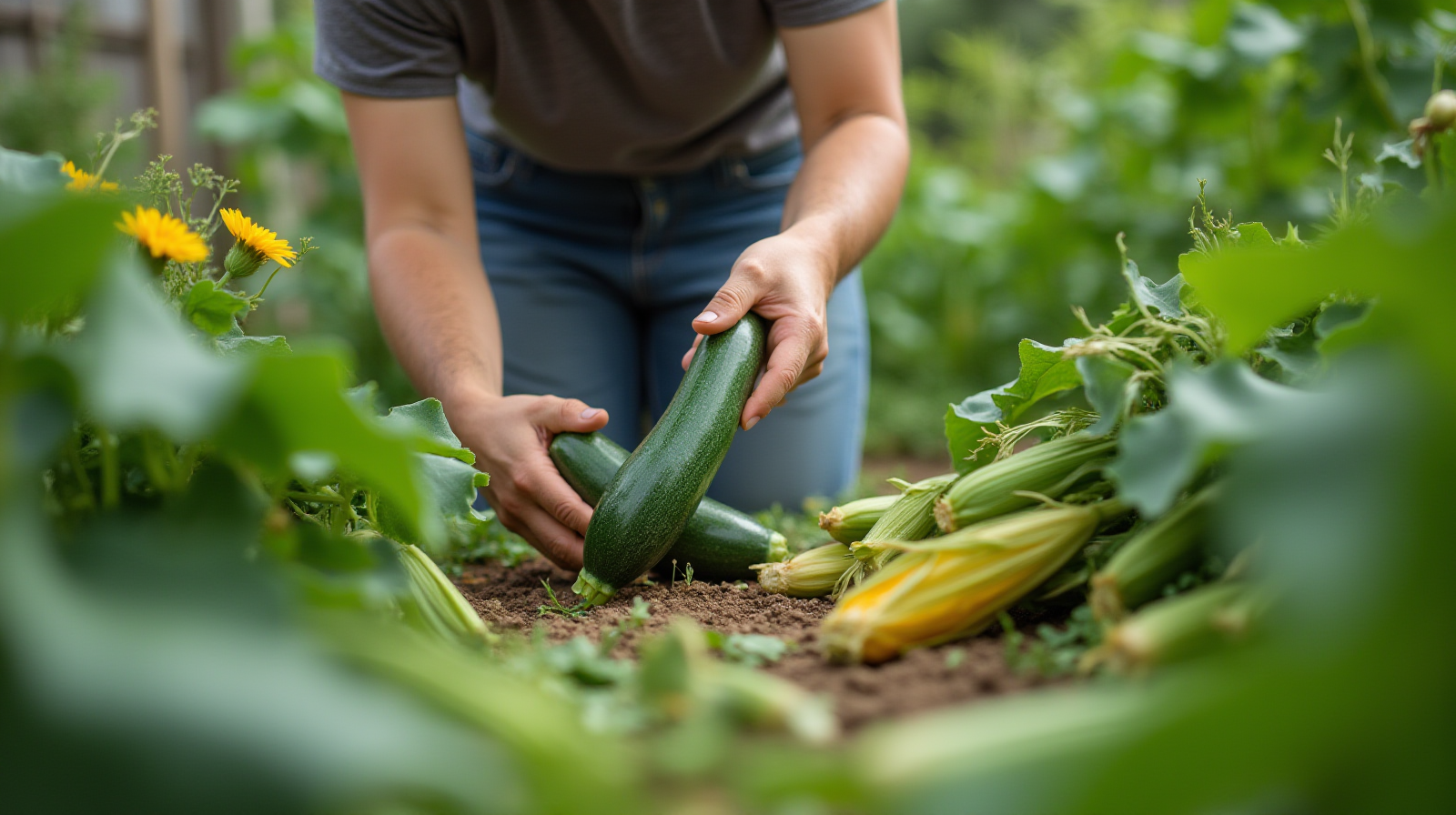
By the time August rolls around in our neck of the country (Zone 7), your garden is likely at its peak production. It’s a rewarding sight, but it can also be overwhelming. One mistake I see far too often—and one I made many times early on—is letting summer crops like squash and zucchini grow until they are "huge." You might think a giant squash looks like a trophy, but in reality, once these fruits get past a certain size, the skin becomes tough and fibrous, and the inside can turn mealy or sponge-like. If you have to struggle with a knife just to get through the rind of your summer squash, it's already too big. Harvest them when they are uniform in size and firm to the touch.
Corn is another one where timing is everything. You want to harvest your ears when the kernels are plump and "milky." If you let the stalks dry out on the vine for too long, the kernels will turn hard and starchy, making them much less pleasant to eat off the cob. In my experience, it’s better to harvest a few days early than to wait until they begin to dry out in the late August sun. Getting these crops into your kitchen promptly ensures you're enjoying their best flavor before the first frost hits.
Don't Just Pull It Out—Preserve It
When the garden starts producing more than you can possibly eat in a single sitting, it’s time to think about preservation. It sounds like a chore at first, but once you have a system, it’s incredibly satisfying. For herbs—like rosemary, thyme, and oregano—drying is your best friend. You don't need fancy equipment; simply tie them into small bundles and hang them in a dry place, or lay them out on a screen in a low-heat oven until they are brittle to the touch.
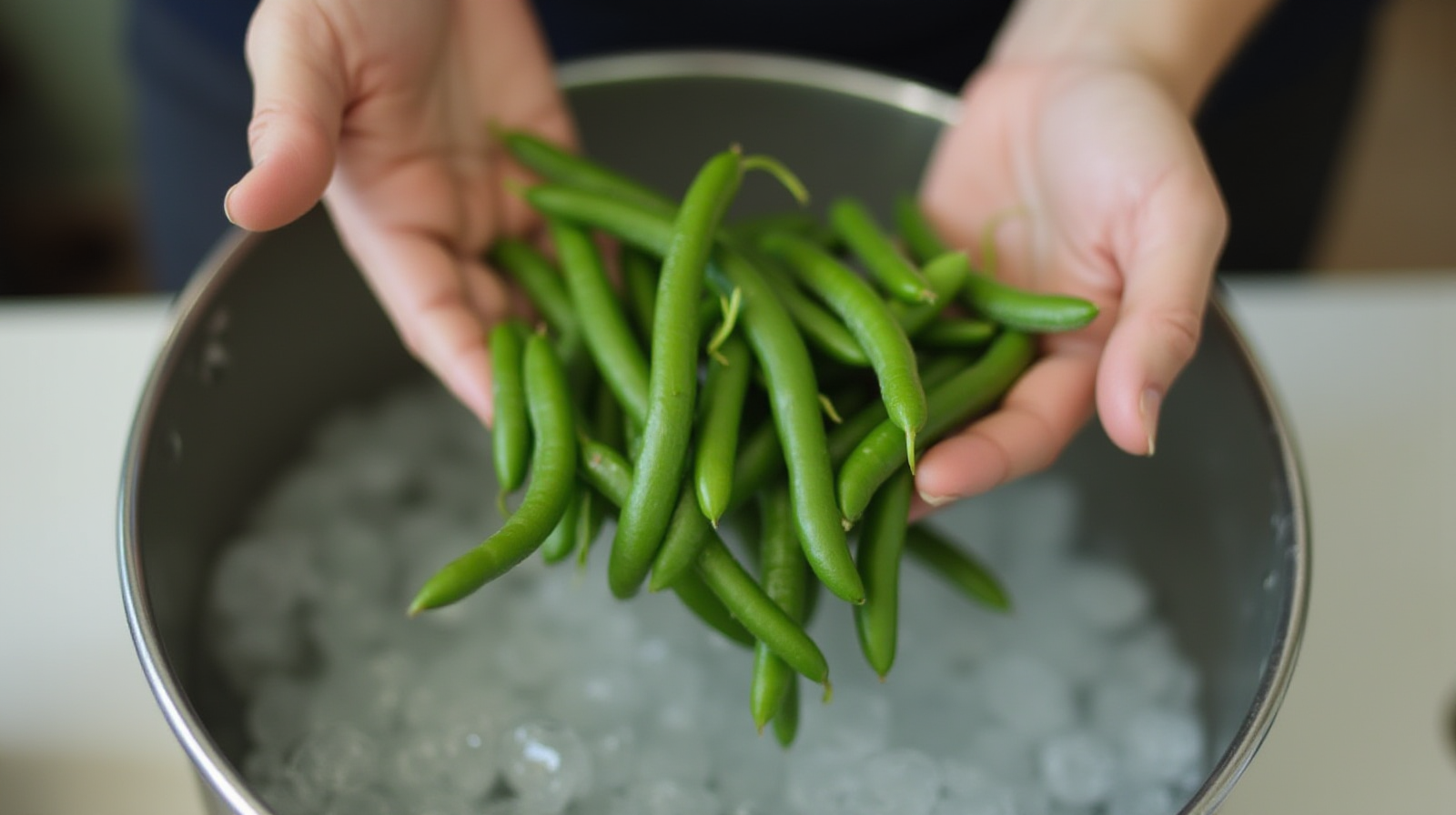
For items like green beans or peas, I highly recommend freezing rather than drying. Dried beans can become quite tough if not prepared perfectly. Instead, try "blanching" your beans: boil them for about two minutes, plunge them into a bowl of ice water to stop the cooking, pat them dry, and then toss them into a freezer bag. This preserves that snap they have when fresh off the vine. It’s much easier than canning if you just want something quick to throw into a stir-fry or a side dish come October. By taking these steps now, you aren't just "storing" food; you're making sure those summer flavors stay in your kitchen well into the winter months.
Feeding the Soil Before Winter Hits
While it’s tempting to clear out everything and walk away once the harvest is done, your soil needs a "thank you" before the ground goes cold. After months of giving nutrients to your vegetables, the dirt is often depleted. This is where cover crops come in. They aren't just for looks; they are a functional tool to protect your soil from erosion and build up organic matter over the winter.
In our region, I have found two specific options that work well during this late-summer transition. Buckwheat is an excellent choice because it grows incredibly fast—it can get established in a matter of weeks even as the season starts to lean toward fall. Clover is another staple; it’s a nitrogen-fixer that will improve your soil's health for next year's heavy feeders, like tomatoes and peppers.
| Cover Crop | Primary Benefit | Why I Use It in Zone 7 |
|---|---|---|
| Buckwheat | Rapid growth; suppresses weeds | Great for "filling the gap" quickly before frost. |
| Clover | Nitrogen fixation; hardy | Excellent for long-term soil health and fertility. |
Planting these now ensures that your garden isn't just a patch of bare dirt during the winter, but a living system preparing for another productive year.
The Gentle Art of Succession Planting and Containers
Just because the "big" summer harvest is winding down doesn't mean the work is over. This transition period is perfect for succession planting—planting crops that thrive in the cooler temperatures of late summer and early fall. While the afternoon sun can still be punishing, many leafy greens and root vegetables are just starting to find their stride as the humidity breaks and the nights get a bit crisper.
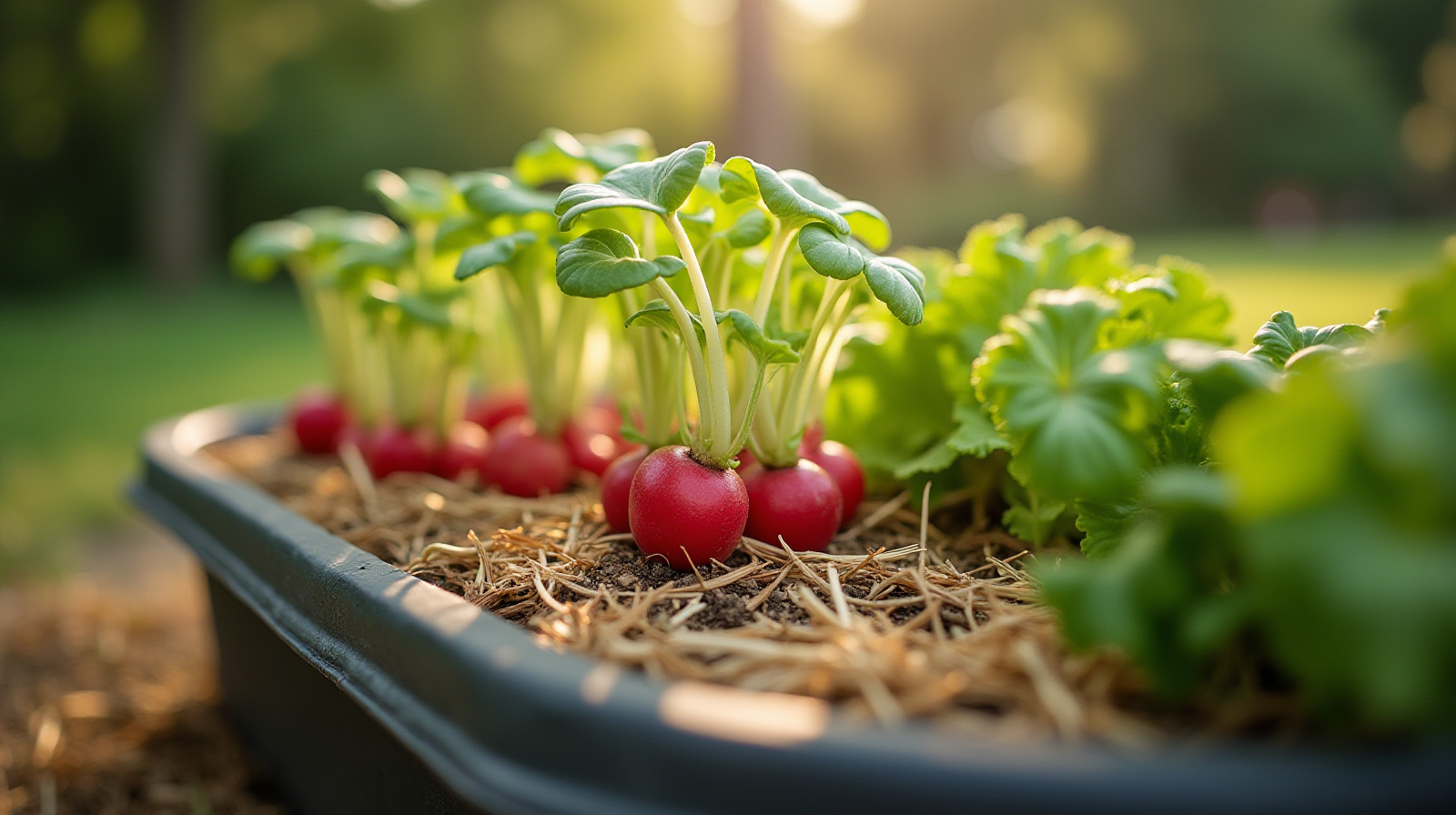
Radishes are my go-to "quick win" for this time of year. They grow so fast that you can have them out of the ground in about 25–30 days. Lettuce, spinach, and arugula also do well now, provided they aren't getting scorched by the afternoon sun. If you're growing these in containers, I highly recommend adding a thick layer of mulch—like straw or shredded leaves—around the base of the plants. This helps regulate soil temperature and keeps moisture from evaporating too quickly during those lingering hot spells. By rotating your crops this way, you keep your garden productive through October, ensuring that there’s always something fresh to harvest even as the calendar turns toward autumn.
Your turn
What’s the biggest bounty you harvested this year? Send us pictures! Share this issue with a neighbor who needs some good garden advice right now.
🌿 Get Seasonal Gardening Tips
New guides, planting reminders, and growing tips — straight to your inbox.
No spam. Unsubscribe anytime.
About the Author
David Rodgers is the Founder & Head Gardener of Planting Atlas. With over 40 years of hands-on gardening experience in Oklahoma's Zone 7 climate, he researches, writes, and personally tests every guide on the site.
David draws from real backyard trials, soil testing, and trusted sources like Oklahoma State University Extension and USDA data to deliver practical, zone-specific advice that actually works.
Read more about David and Planting Atlas →