Loading…
←Back to Newsletters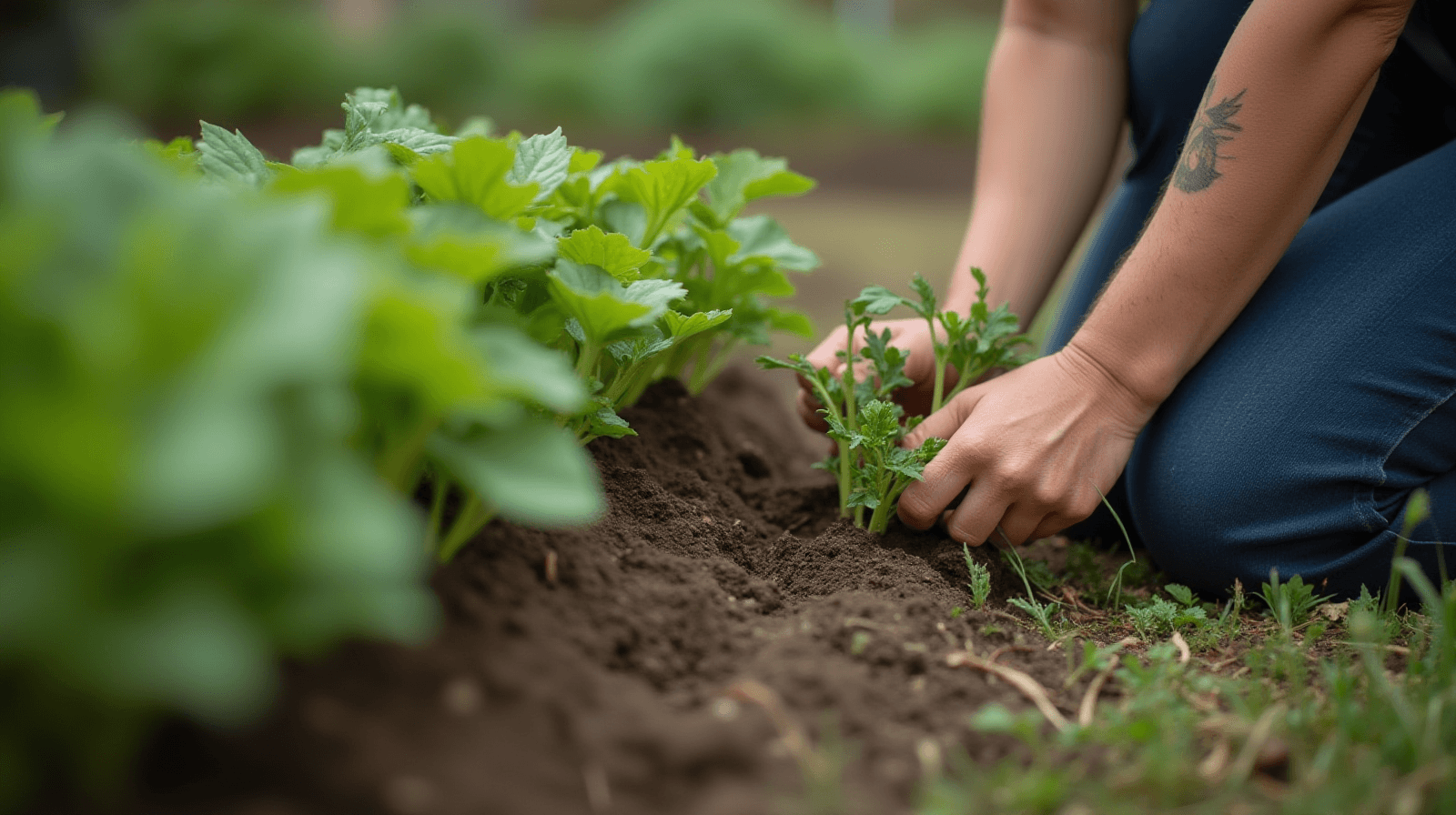
What to Do Right Now: General Garden Checkup
Written by David Rodgers — 2026-08-03
A roundup of timely tasks for your backyard this season.
The newsletter for gardeners who'd rather learn from a mistake made 40 years ago than repeat it themselves.
seasonal caregeneral gardeningmaintenanceplanting
Before you start: what are we even talking about?
When you go online to look for gardening advice, it’s easy to get overwhelmed by a mountain of conflicting information. One site tells you to do something in April; another says wait until May. One blog suggests a complex chemical regimen, while a neighboring gardener swears by the "old ways." It is hard to know what actually matters when everything feels urgent at once.
This issue is designed to cut through that noise. Instead of giving you a long list of "maybe" tasks or generic tips from someone who doesn't know your climate, I want to focus on three core areas: watering habits, physical maintenance, and soil health. We aren’t trying to overhaul your entire landscape today; we are looking for the high-impact actions that make a tangible difference in how your plants thrive this season. My goal is to give you something concrete—not just an idea of what to do, but a clear plan for why these specific tasks matter and exactly how to execute them in your own backyard.
The watering rulebook: how deep, not how often
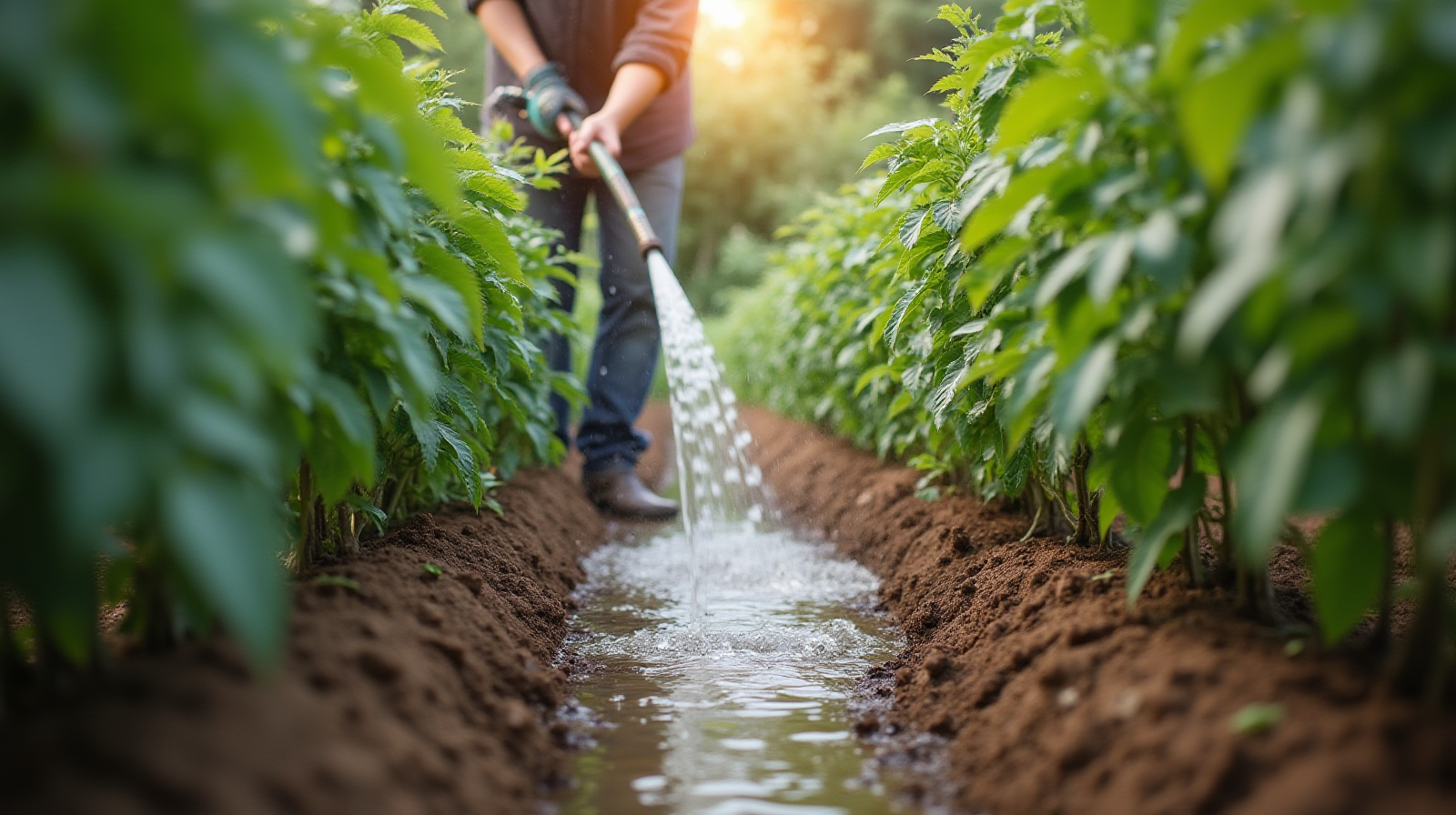
One of the most common mistakes I see from neighbors over the fence is "sprinkle" irrigation. It’s easy to walk out with a hose or turn on a sprinkler for ten minutes every day, but this actually hurts your plants in the long run. When you water just a little bit every day, moisture only penetrates the top inch of soil. This signals the plant that it doesn't need to work hard; its roots stay shallow and "lazy" because they know there is always a drink right at the surface.
In a climate like mine in Oklahoma (Zone 7), this becomes a disaster as soon as the summer heat kicks in. If your plants have shallow root systems, they will wilt the moment the top layer of soil dries out under the sun. Instead, I recommend "deep soaks." It is much better to water deeply and less frequently—for example, once or twice a week depending on your specific moisture levels. This forces the roots to grow deeper into the earth to find consistent moisture. When you do this, you’re building a more resilient plant that can survive heat waves because its "plumbing" goes deep into the ground where it stays cooler and wetter for longer periods.
Tidying up and keeping pests out (without chemicals)
It is tempting to reach for a spray bottle at the first sign of trouble or a messy garden bed, but most issues can be managed with physical maintenance before they become infestations. The goal here is "active" gardening—spending time in the beds to keep things tidy enough that pests don't find easy homes.
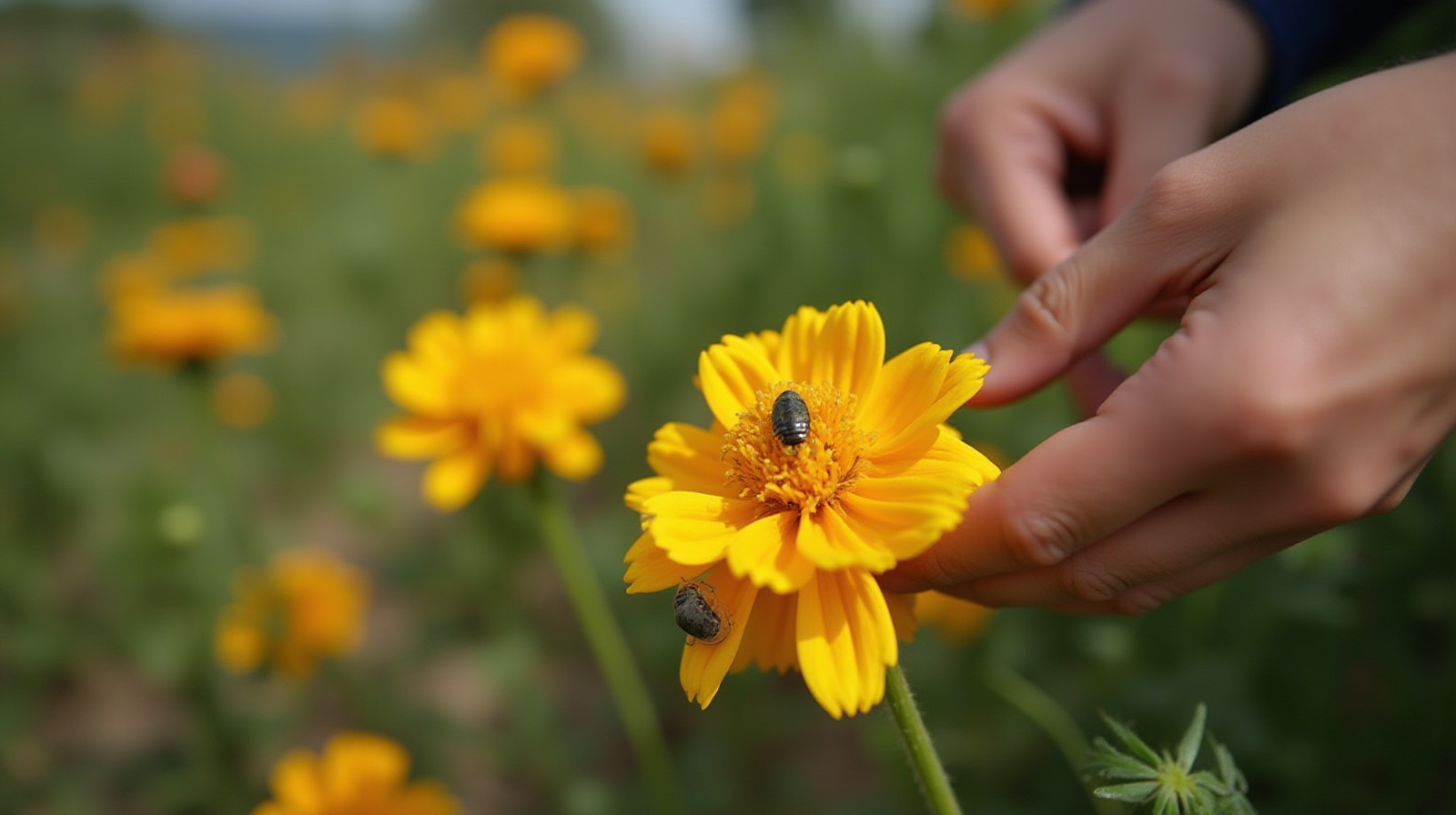
One effective task right now is "deadheading," which simply means cutting off spent blooms or withered stems. When a flower dies, it can attract aphids or other insects looking for a place to hide. By removing those old parts promptly, you also signal the plant to put its energy into new growth rather than seed production. Furthermore, physical barriers and mechanical removal are your best first lines of defense against common pests. If you see a few beetles on your peppers or squash bugs in your rows, pick them off by hand or blast them off with a sharp stream of water from the hose. This isn't just about getting rid of the bug today; it’s about breaking their life cycle and keeping your garden clean without introducing chemicals that can harm beneficial insects like bees or ladybugs.
The soil's ability: feeding it back to itself
I often tell people that if you want a healthy plant, you have to stop thinking about "feeding the plant" and start thinking about "feeding the soil." A lot of folks rely on quick-fix chemical fertilizers because they see an immediate jump in greenness. While that might work for a season, it doesn't build anything lasting. I prefer to focus on organic matter—things like composted manure, shredded leaves, or well-rotted grass clippings.
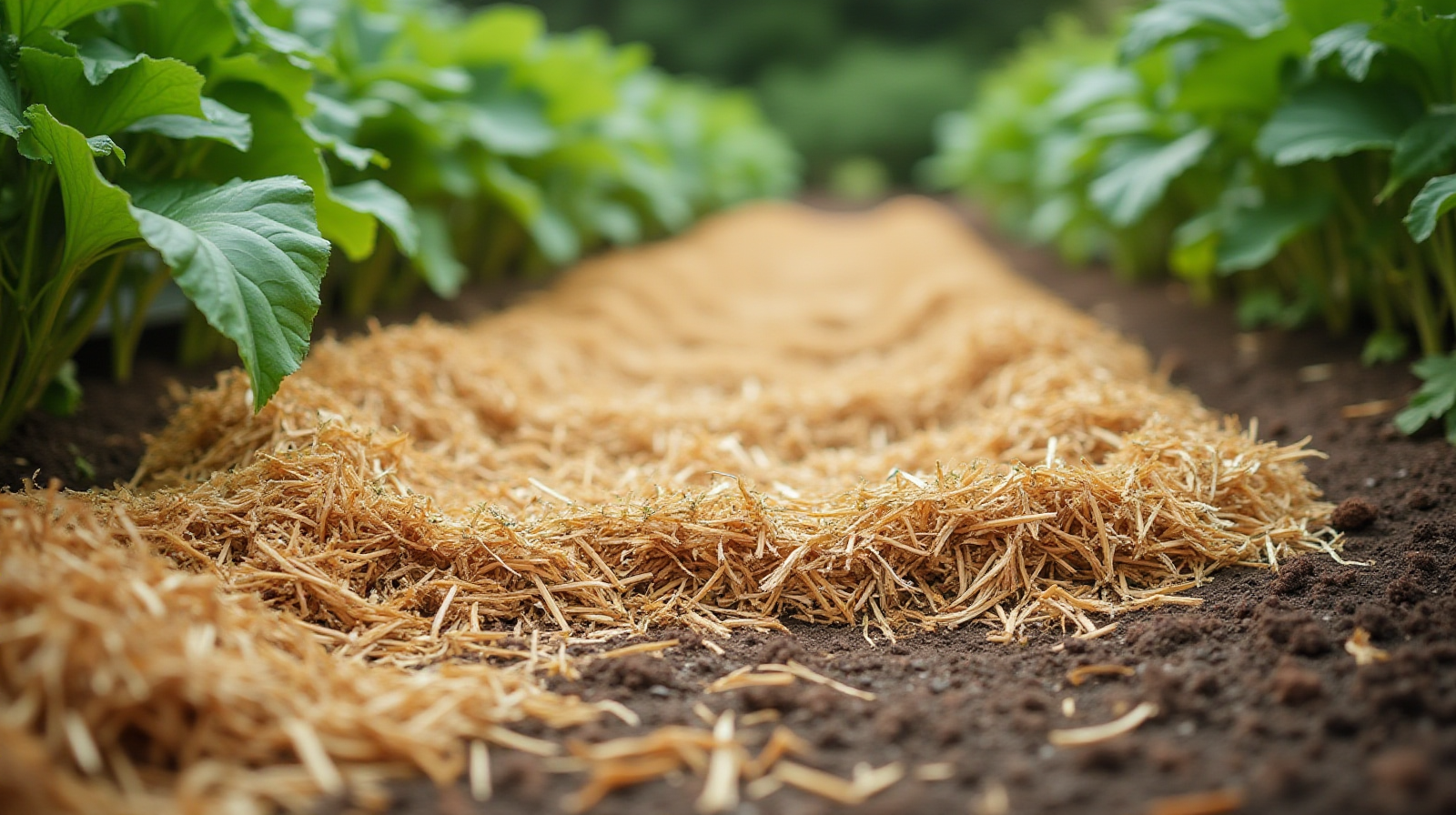
Adding these materials gives the soil life. It creates a habitat for the microbes and earthworms that do the heavy lifting of breaking down nutrients so your plants can actually use them. Another critical piece of this "soil first" strategy is mulching. In many regions, especially in Zone 7, mulch is non-negotiable. A thick layer (2–3 inches) of straw, wood chips, or shredded bark serves two purposes: it suppresses weeds by blocking their light and acts as a blanket to keep the soil temperature down and moisture from evaporating. When you feed the soil with organic matter and protect it with a good mulch, you create a self-sustaining system that works even when you aren't standing there watching it.
When and where to plant next (the seasonal planting checklist)
Timing is everything in gardening, and your specific location dictates what "timing" actually means. A mistake I see often is people following a national calendar instead of their local frost dates. Before you put anything new into the ground, you have to know exactly where you sit on the USDA map. For example, something that thrives in Zone 8 might be ruined by an early spring frost in Zone 7.
When planning your next round of planting, it helps to categorize crops based on their "appetite" for heat and cold. Some things can go in as soon as the soil is workable (around March or April depending on location), while others need a long summer's worth of sun before they produce anything useful.
| Crop Category | Typical Growth Needs | Timing Considerations |
|---|---|---|
| Cool-Season | Lettuce, Spinach, Radishes, Peas | Best planted in early spring or late fall; these "bolt" (go to seed) quickly when it gets too hot. |
| Warm-Season | Tomatoes, Peppers, Squash, Beans | Wait until the danger of frost has completely passed and soil temperatures are consistently warm. |
| Perennials | Roses, Fruit Bushes, Native Grasses | Best planted in early spring or fall to allow roots to establish before the summer heat hits. |
If you're unsure about your local timing, I always recommend checking a reliable regional planting calendar rather than a general one. If you are planning for next season, start by identifying which "warm-season" crops will be your staples and ensuring they have a designated spot in the garden that gets at least 6–8 hours of direct sun daily.
Your turn
What's been the hardest thing for your garden this year? Let me know in the comments. If this helped save you a trip to the nursery, share it with another neighbor!
🌿 Get Seasonal Gardening Tips
New guides, planting reminders, and growing tips — straight to your inbox.
No spam. Unsubscribe anytime.
About the Author
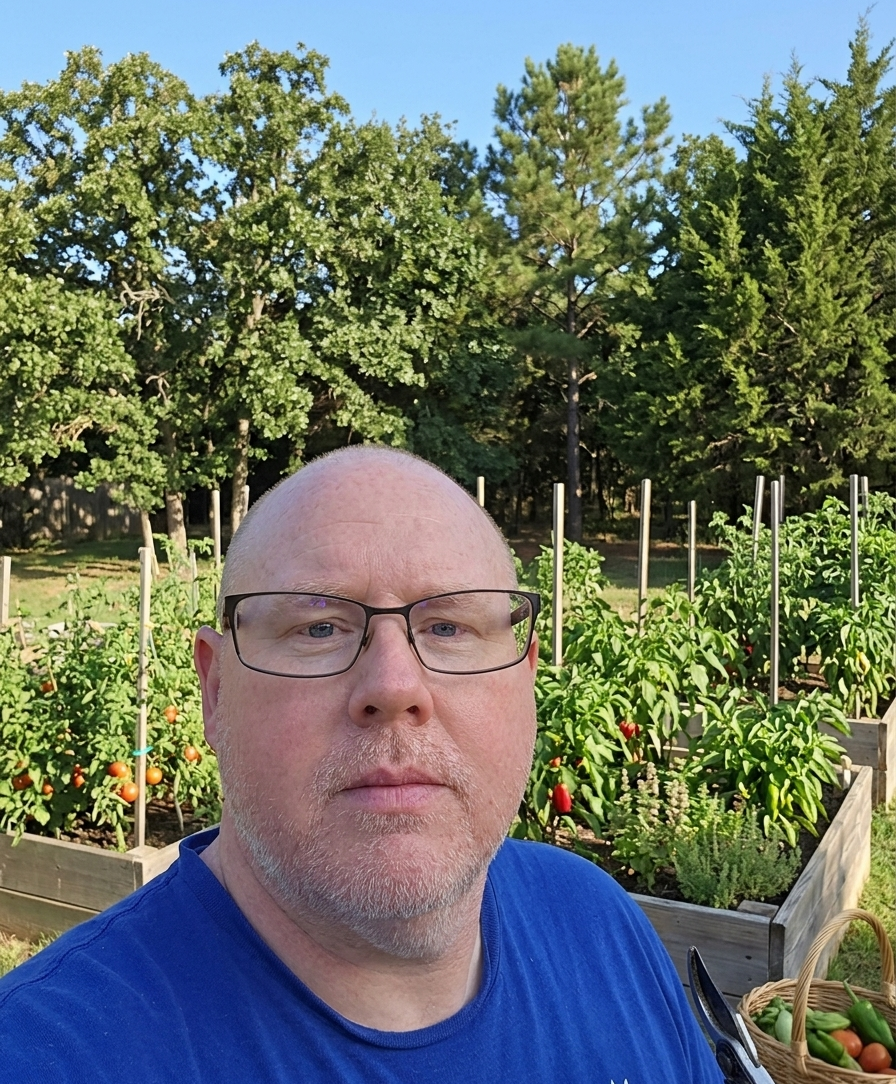
David Rodgers is the Founder & Head Gardener of Planting Atlas. With over 40 years of hands-on gardening experience in Oklahoma's Zone 7 climate, he researches, writes, and personally tests every guide on the site.
David draws from real backyard trials, soil testing, and trusted sources like Oklahoma State University Extension and USDA data to deliver practical, zone-specific advice that actually works.
Read more about David and Planting Atlas →