Loading…
←Back to Newsletters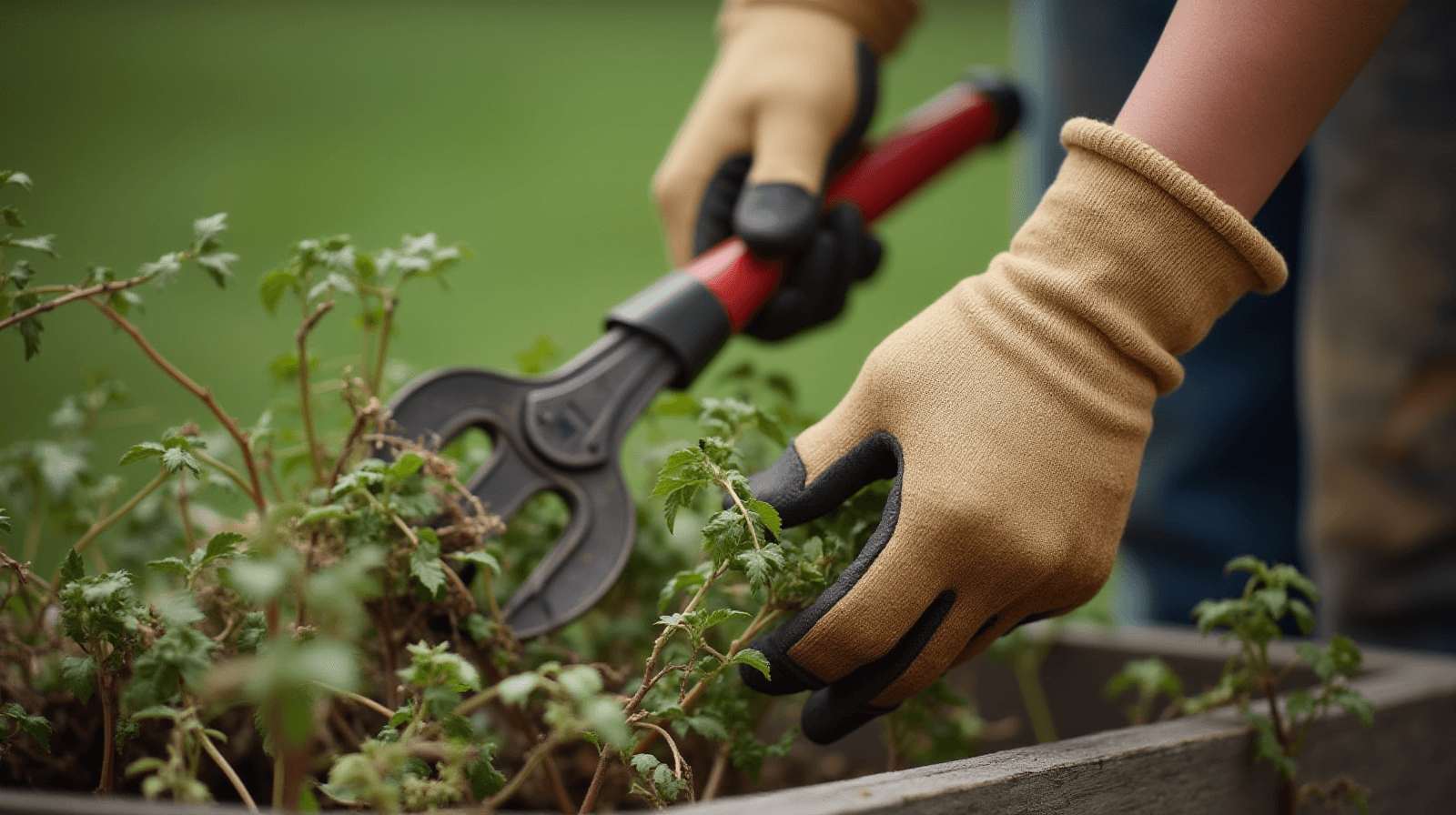

What to do in the garden before the hard freeze hits.
Written by David Rodgers — 2026-09-09
A practical guide for winterizing tools, beds, and perennial life.
The newsletter for gardeners who'd rather learn from a mistake made 40 years ago than repeat it themselves.
winterizationsoil healthperennialsseasonal prep
Letting the garden rest: The art of doing nothing (and why it's necessary)
One of the hardest things for me to learn over forty years in Oklahoma was that sometimes, the most productive thing you can do for your garden is absolutely nothing at all. In the heat of July or August, we are in "doing" mode—we’re weeding, watering, and pruning daily. But as the temperatures drop and the first frost looms, the mindset has to shift from active management to observation and patience.
I used to feel guilty during the late fall if I wasn't constantly out there "improving" something. I thought a clean, bare garden was the goal for winter. I was wrong. Nature actually needs some of that debris to break down; it feeds the soil biology that will wake up in the spring. Instead of trying to manicure every single leaf into perfection, let some of the spent stalks and hardy stalks remain. This provides habitat for beneficial insects and acts as a natural mulch. Learning to step back is about trusting the cycle. If you find yourself wanting to over-work your beds just because it’s "the season" to do something, take a breath. Let the earth rest. It's doing its own work underground while we prepare our tools for next year.
Tool triage: Cleaning up your gear before winter storage
If there is one thing that ruins a morning in March, it’s trying to use a shovel that has seized up with rust or a pair of pruners that won't cut through a stem because they haven't been sharpened since last October. I treat my tool maintenance as the "off-season" work that makes the growing season possible. When you pull your tools out for their winter cleaning, don't just give them a quick wipe; give them a proper triage.
The Cleanup Checklist
- Scrub: Use a stiff brush and some soapy water to remove every speck of dirt from shovel blades and hoe heads. Dirt trapped in the metal will cause rust within weeks if left alone.
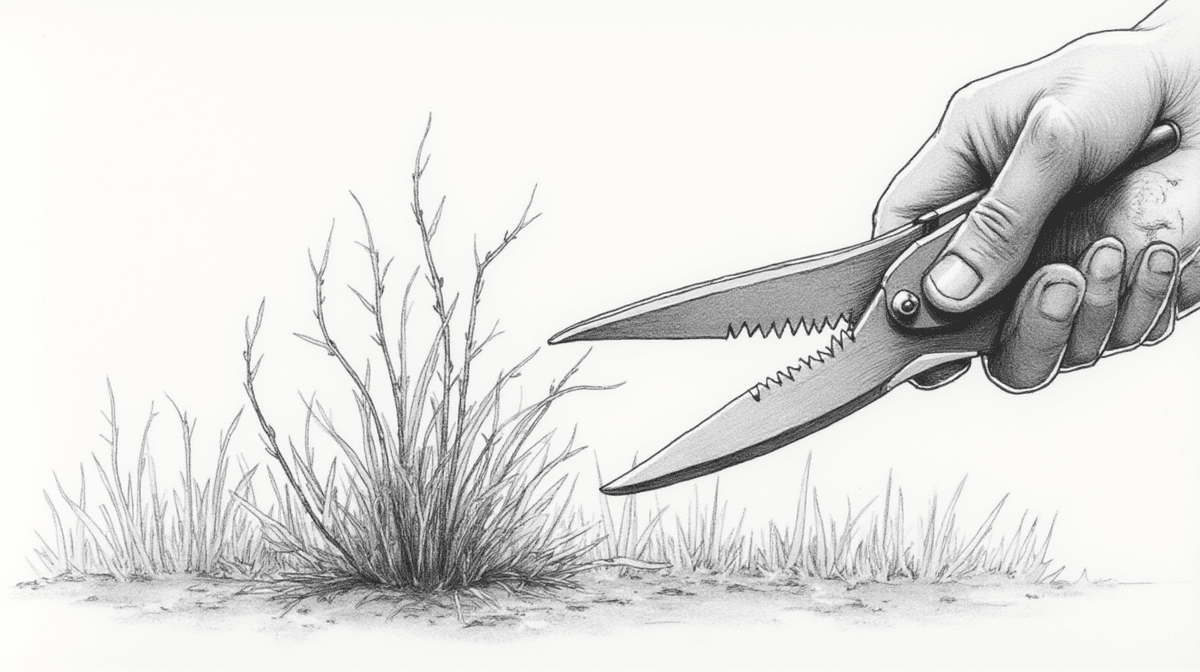
- Sharpen: Take your bypass pruners and loppers to a sharpening stone. A clean, sharp cut is essential for plant health; a jagged tear invites disease.
- Oil: Once they are dry, wipe down any exposed metal with a light coat of 3-in-1 oil or a similar rust preventative. For wooden handles, rub them down with linseed oil to prevent the wood from drying out and cracking in the winter sun/frost cycles.
By doing this now, you aren't just cleaning; you are ensuring that when the first sprout pops up next spring, your tools will work as well as they did on day one.
Soil care that lasts through the freeze: Feed the earth from above
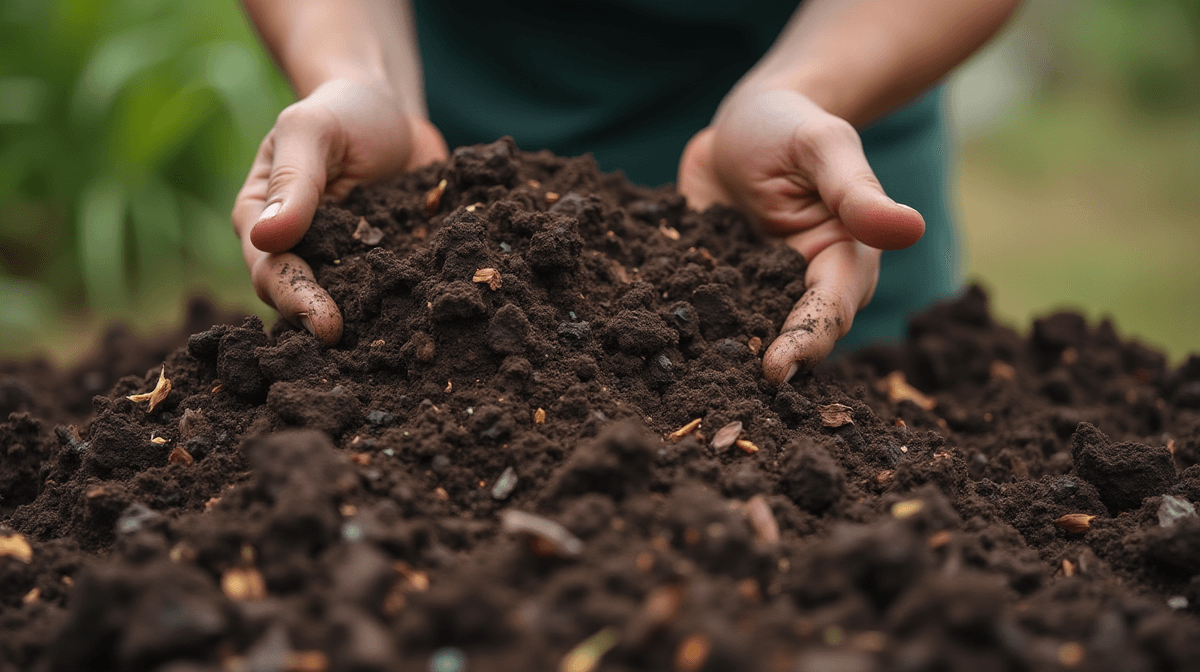
While we often think of "feeding" our garden in terms of fertilizer during the growing season, fall is about feeding the soil itself. In many regions, including my home in Zone 7, the ground will soon be too cold for active root growth, but it's never too late to improve the structure and nutrient profile of your beds. This is when you want to get your heavy amendments down—think composted manure, aged leaf mold, or high-quality compost.
The goal here isn't just a boost for today; it’s building a reservoir of nutrients that will be released as temperatures rise in the spring. Once you’ve added your organic matter, follow up with a heavy layer of mulch. This protects the soil from "heaving" (where the ground freezes and thaws repeatedly, pushing roots out) and keeps the microbial life active longer into the winter.
Common Mulch Options for Winter Protection
| Mulch Type | Longevity | Primary Benefit | Best Use Case |
|---|---|---|---|
| Wood Chips | 1-2 Years | Excellent moisture retention & soil structure | Pathways and large perennial beds |
| Straw | 6 Months | Easy to work, decomposes quickly | Protecting new plantings or root zones |
| Pine Straw | 1 Year | Good drainage, keeps acidity stable | Underneath shrubs and perennials |
| Wooded Leaves | Seasonal | Free, high nutrient content (if shredded) | Filling in gaps between larger mulch items |
Protecting non-hardy plants (and your structures) in cold weather
Not everything can survive a hard freeze. While many of our perennial "staples" are tough enough to handle the frost on their own, we have to be more intentional with what stays in containers or sits near the edges of our property. In Zone 7 and similar zones, a "hard freeze" is no joke; it doesn't just kill the leaves, it can damage the very tissue that allows a plant to survive until next year.
Identifying What Needs Help
- Container Gardens: These are much more vulnerable because the soil is shallow and can freeze solid quickly. Move your pots into a garage or wrap them in burlap if they must stay outside.
- New Plantings: Anything you put in the ground this fall hasn't established its root system yet. A heavy layer of straw or mulch around the base is essential to insulate those tender roots.
- Soft-Tissue Shrubs: If you have a variety that isn't quite hardy enough for your specific county’s "low" temperature, a simple burlap wrap can provide that extra 5–10 degrees of protection during the coldest weeks of January and February.
Don't wait until the first frost to decide what needs cover. Identify your "at-risk" plants now so you have your blankets (literally) ready before the thermometer drops.
The final harvest: Quick fall cleanup and what to rake up now
Before we call it a wrap, there is some physical maintenance that makes life easier for both you and the garden next year. Think of this as clearing the "debris" from your mental load so you can enjoy the winter months without worrying about pests or disease lurking in your backyard. This isn't just about aesthetics; it’s about hygiene.
Essential Cleanup Tasks
- Remove Spent Annuals: Pull up those spent tomatoes, peppers, and marigolds. Leaving them on the ground gives diseases a place to overwinter and provides a home for pests like squash bugs or earwigs.
- Clear the "Messy" Crops: If you have pumpkins or winter squash that didn't make it into your kitchen, cut them back and remove the vines now. Leaving large amounts of vine material on the ground can harbor rodents over the winter.
- Seed Gathering: If you’re planning to grow from seed next year, this is the time to harvest seeds from your best-performing plants (like beans or certain flowers). Dry them out and store them in a cool, dry place.
Focus on what needs to go so that when spring hits, you aren't spending your first warm weekend digging out last year's mess before you can even start planting the new stuff.
Your turn
What's one thing you always forget until winter arrives? Let me know down below! Do you want a deep dive on composting or seed saving next?
🌿 Get Seasonal Gardening Tips
New guides, planting reminders, and growing tips — straight to your inbox.
No spam. Unsubscribe anytime.
About the Author
David Rodgers is the Founder & Head Gardener of Planting Atlas. With over 40 years of hands-on gardening experience in Oklahoma's Zone 7 climate, he researches, writes, and personally tests every guide on the site.
David draws from real backyard trials, soil testing, and trusted sources like Oklahoma State University Extension and USDA data to deliver practical, zone-specific advice that actually works.
Read more about David and Planting Atlas →