Loading…
←Back to Newsletters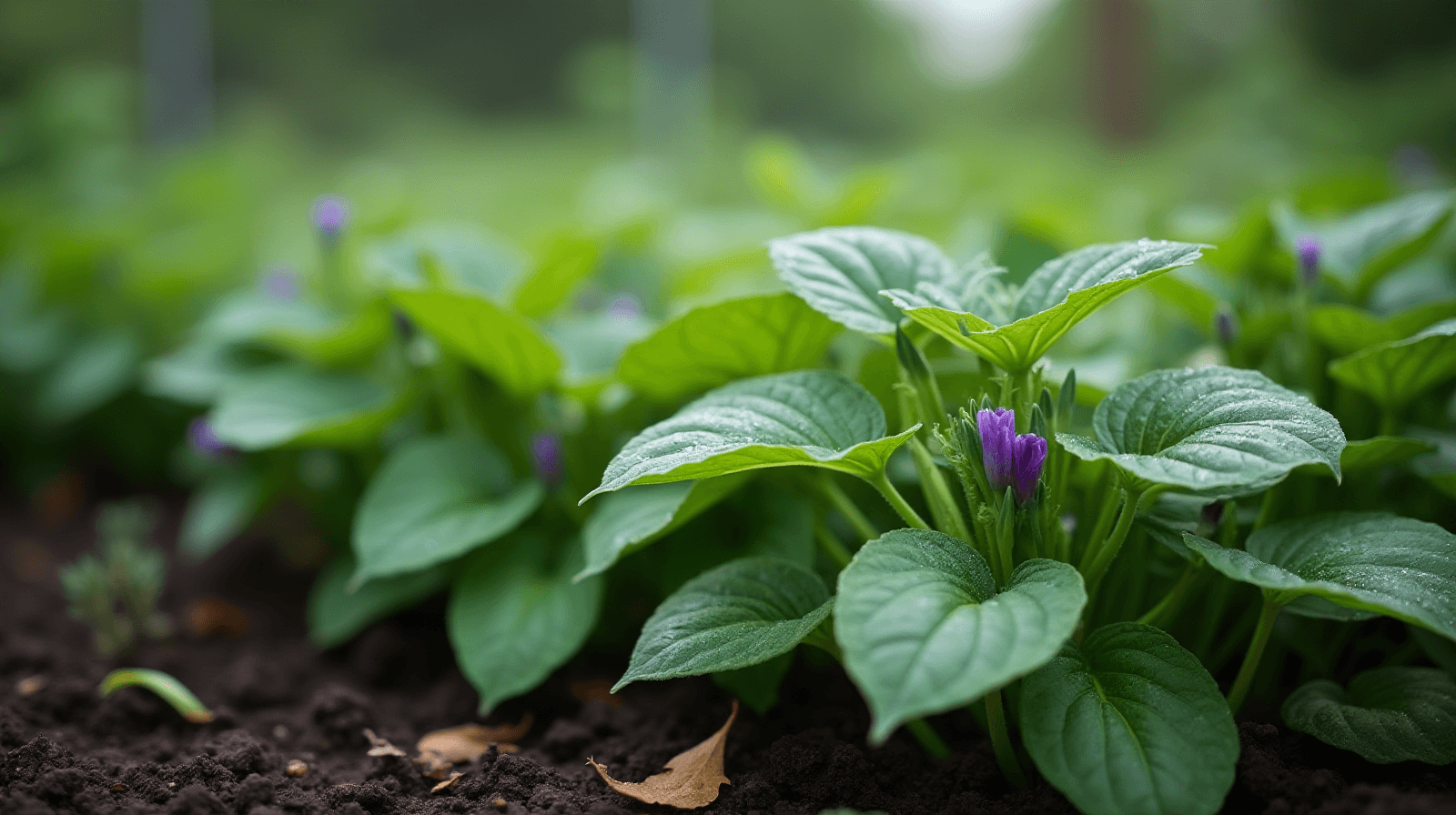
Using Fava Beans to Naturally Build Soil Fertility for Next Season’s Harvest
Written by David Rodgers — 2026-09-25
A step-by-step guide on planting and harvesting a natural cover crop in Zone 7 (and beyond).
The newsletter for gardeners who'd rather learn from a mistake made 40 years ago than repeat it themselves.
Cover CropsNitrogen FixationSoil BuildingLegumes
Why we talk about beans when we're talking about fertilizer
If you’ve ever looked at your garden after a heavy production of tomatoes or peppers and noticed the soil looking a bit tired—maybe it was slightly drier, clumpy, or even a little pale—you were seeing the results of "mining." Every time you harvest something delicious, that plant is pulling nutrients out of the ground to build its fruit. Most people respond by buying bags of synthetic fertilizer to put those minerals back in. But there’s a way to let nature do that heavy lifting for us, and it starts with legumes like fava beans or bell beans.
These plants have a special "superpower" called nitrogen fixation. They form a partnership with specific bacteria in the soil that actually pulls nitrogen from the air and converts it into a form your vegetables can eat. Think of these beans not just as a crop you can eat, but as little workers for your soil. Instead of feeding the plant directly with chemicals, you’re building up the "bank account" of the soil itself. When we talk about planting fava beans, we aren't just talking about a different vegetable; we are talking about a way to build long-term fertility that lasts well beyond one season.
The big mistake: Thinking 'more plants = more food'
One of the most common mistakes I see in home gardens is the assumption that if you plant more, you get more "for free." People think that by packing rows tighter or planting more varieties every year, the land will just keep providing. But soil isn't an infinite well; it’s a living system. If you only ever take out and never put back in, eventually your garden will start to struggle. You’ll see smaller fruits, yellowing leaves, or plants that seem to "stall" halfway through the season because they've exhausted the local supply of nitrogen and other minerals.
This is where cover crops come into play. A common misconception is that a cover crop like fava beans is just another thing you have to weed out or manage as an extra chore. It’s not. It’s essential maintenance, much like rotating tires on a truck. You aren't just trying to "grow more" this year; you are trying to ensure the soil has enough fuel for next year. When we use legumes as cover crops, we are intentionally growing them specifically to be sacrificed—their purpose is to break down and feed the ground so that your main crops don't have to struggle against depleted dirt.
Getting started: Selecting your legume and timing it right
Choosing the right bean depends largely on where you live and what your goals are for next season. In my experience in Oklahoma (Zone 7), fava beans are a powerhouse because they can handle some of the cooler transitions well. They have deep roots that help break up compacted soil, while their nitrogen-fixing abilities provide a massive boost to the ground. If you're looking for something that grows faster and earlier in the spring to prep your beds before summer heat hits, bell beans are an excellent alternative.
Timing is everything with these crops. You want them in the ground long enough to establish roots and "fix" nitrogen, but you don't want them to stay so long that they become a massive weed problem or get completely overwhelmed by pests. Generally, for fava beans, you want to get them in during the late summer or early fall to over-winter (depending on your zone) or very early spring.
| Crop Type | Best Timing (Zones 6-8) | Primary Benefit |
|---|---|---|
| Fava Beans | Late Summer / Early Fall | Heavy nitrogen build, survives cooler temps |
| Bell Beans | Spring / Early Summer | Rapid growth, quick soil preparation |
Planting for maximum benefit: Spacing, depth, and success
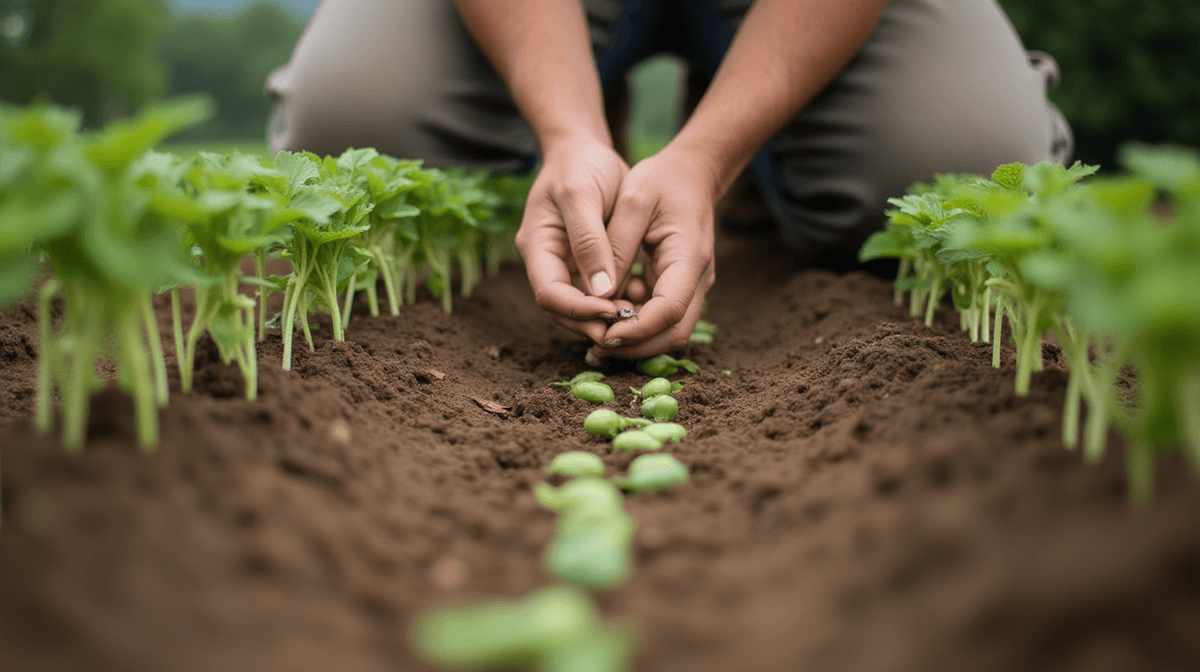
When you're planting these as cover crops rather than a food crop, your strategy changes slightly. You don't need to worry about perfectly spaced rows for harvest; instead, you want to ensure good germination across the entire area of the bed. I’ve found that fava beans have relatively large seeds compared to standard garden peas. Because they are bigger, they can be planted a bit deeper—usually about 1 to 2 inches down. If you leave them on the surface, birds will find them before they ever have a chance to sprout.
For your layout, don't waste precious space by planting them in perfectly straight lines if you plan to plant vegetables there next year. Instead, think of "blanketing" the area. You want enough density that when they grow, they create a thick mat of greenery. This helps suppress weeds and keeps the soil from drying out too fast. I typically recommend spacing your seed "drills" about 12 inches apart if you're doing rows, or broadcasting them in areas where no primary crops will be planted until next year. The goal is to get as much green leaf matter into that ground as possible.
The crucial step: When (and how) to chop them down ('Chop and Drop')
This is the part most people miss because they think they have to wait for the beans to "finish." In reality, we want to terminate the crop before it goes to seed. If you let fava beans go to full maturity and produce seeds, they will spend all their energy on those pods instead of pumping nitrogen into your soil. The goal is to get that nitrogen into the ground as quickly as possible.
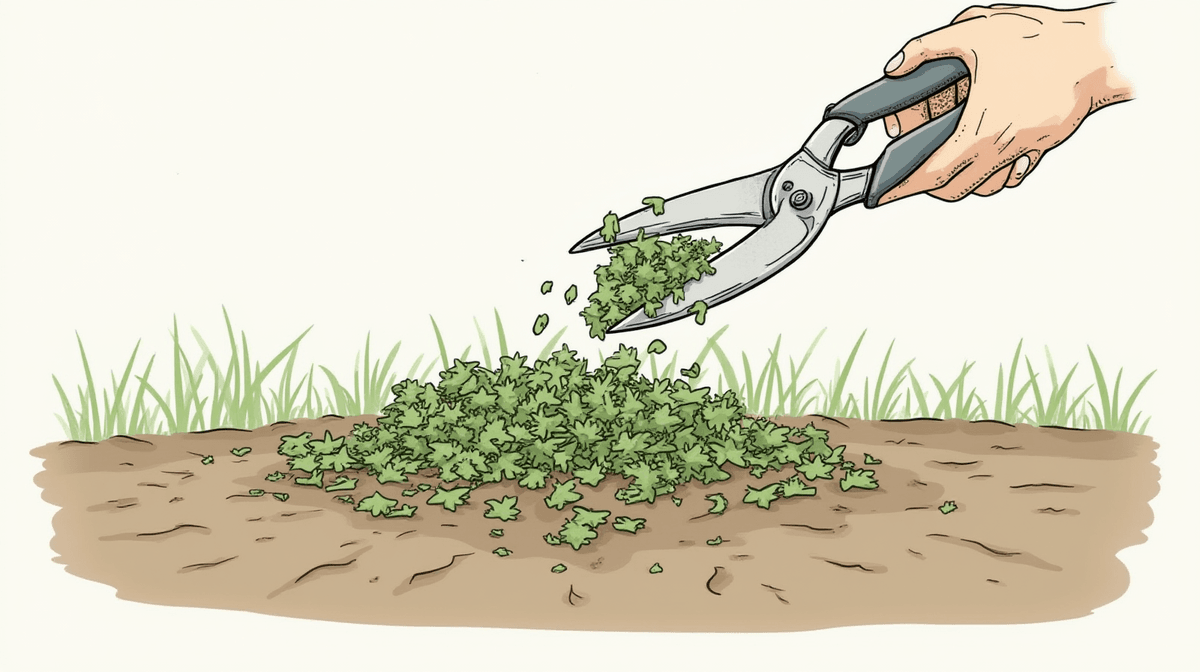
The "Chop and Drop" method is simple but vital. Once the plants have reached a good height—usually when you see the first signs of flower development or just before they start to go to seed—you need to cut them down. You can use a heavy-duty weed whacker, a scythe, or even long-handled loppers if you're working in smaller beds.
- Mow or cut the stalks down close to the ground.
- Leave the "muck" on top of the soil. Don't rake it away!
- Let it rot. The green material will decompose, and the nitrogen stored in those stems and leaves will be released into the soil just in time for your next planting cycle.
What to plant next: Matching your feeders to their free fertilizer
Once you’ve "chopped and dropped" your fava beans and let that organic matter break down over a few months, you'll have a prime bed ready for some heavy hitters. Not every vegetable needs high nitrogen; for example, most root crops (like carrots or potatoes) prefer a bit less "fuel" so they don't get too leafy. However, there is a specific group of plants that will absolutely thrive in the nutrient-rich environment left behind by legumes.
These are your "heavy feeders." If you have a bed where fava beans were the previous season’s cover crop, these are the best candidates to follow them:
- Brassicas: Broccoli, cauliflower, and cabbage love nitrogen because it helps them build large heads.
- Corn: A classic high-nitrogen consumer that thrives in well-amended soil.
- Squash and Pumpkins: These sprawling vines need a lot of energy to produce heavy fruit.
By rotating these "hungry" crops into the spots where your beans previously lived, you’re creating a cycle. The beans build the bank account, and the heavy feeders spend it. This keeps your soil healthy and productive without you having to constantly fight against declining fertility in your backyard_garden._
Your turn
What's the most surprising thing you've ever grown for free? Share it in the comments below! If this guide saved you from buying fertilizer, share it with another neighbor.
🌿 Get Seasonal Gardening Tips
New guides, planting reminders, and growing tips — straight to your inbox.
No spam. Unsubscribe anytime.
About the Author
David Rodgers is the Founder & Head Gardener of Planting Atlas. With over 40 years of hands-on gardening experience in Oklahoma's Zone 7 climate, he researches, writes, and personally tests every guide on the site.
David draws from real backyard trials, soil testing, and trusted sources like Oklahoma State University Extension and USDA data to deliver practical, zone-specific advice that actually works.
Read more about David and Planting Atlas →