Why Wild Bergamot?
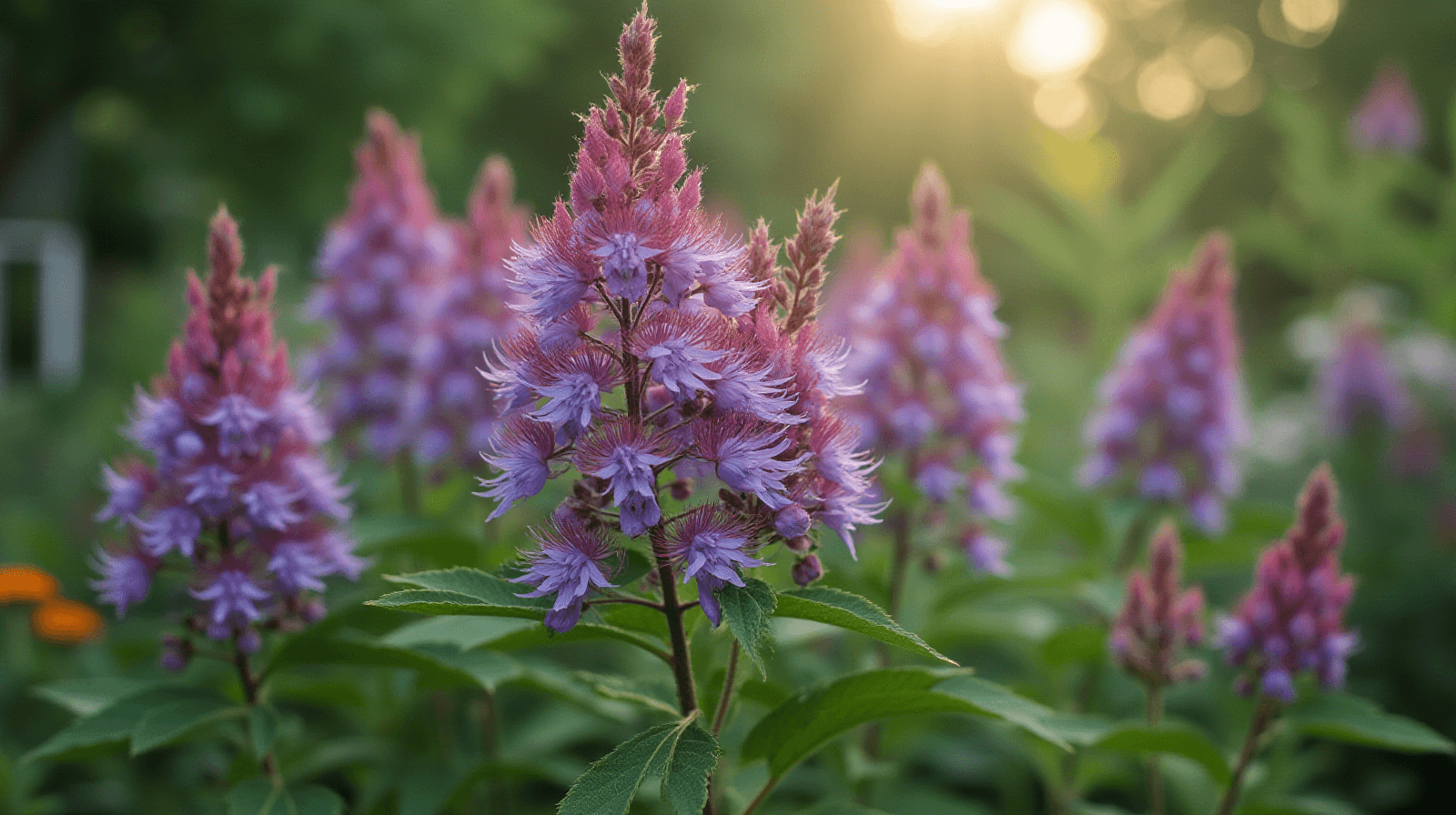
If you’re looking for a plant that actually behaves itself while still providing something substantial to your garden, Monarda fistulosa, or Wild Bergamot, is one of those "reliable neighbors" I wish more people knew about. In my forty years out here in Oklahoma, I've learned the hard way that some plants look great in a nursery catalog but don't have the grit to survive a humid July or a dry August stretch without constant hovering. Wild Bergamot isn't one of those.
It’s not just about having something pretty to look at; it’s about finding a perennial that works for your yard's ecosystem. It has these distinct, ragged-edged flowers—often in shades of pink or lavender—that hold their shape well and don't wilt the moment the sun gets intense. Unlike some of the more "fussy" prairie hybrids, this wild version is hardy enough to handle our Zone 7 swings. I love it because it does its job: it provides a landing pad for pollinators and stays put in the ground without demanding you treat it like a high-maintenance diva. It’s honest gardening—a plant that gives back more than it takes from your time.
The Backyard Reality
One of the biggest mistakes I see people make with Wild Bergamot is overthinking its needs or, conversely, neglecting the basics of spacing and airflow. Because it can grow into a dense clump, some gardeners try to crowd them together to create a "mass effect" in the border. This often leads to a major failure mode: powdery mildew or other fungal issues that thrive when the foliage stays damp because there’s no room for air to move between the stems.
I also see people treat it like an annual, thinking they need to haul out tons of fertilizer every spring just to keep those blooms coming. You don't. In fact, over-fertilizing can sometimes lead to "leggy" growth—where the plant puts all its energy into tall stalks and leaves rather than the actual flowers we want to see. The best success I’ve had with this species comes from planting it in a spot where it doesn't have to fight for its life against heavy competition or poor drainage. It wants to be established, not pampered. When you find that right balance of "set it and forget it" placement, it becomes one of the easiest wins in your perennial bed.
Planting & Location
To get Wild Bergamot to thrive here in Zone 7, location is everything. You want a spot with full sun—we're talking at least six hours of direct sunlight every day. If you tuck it into a shady corner, it might still grow, but the flowers will be sparse and the stems will become weak and floppy. It needs that sun to fuel its bloom cycle.
Regarding soil, don't stress about finding "perfect" loam. This is a hardy plant; it’s much more concerned with drainage than it is with nutrient levels. If your soil stays soggy for days after a heavy rain, you’ll need to amend it with some grit or organic matter before planting to ensure the roots don't rot. Space them out properly—about 18 to 24 inches apart. This ensures that as they grow into their full shape, they have enough room to breathe and stay healthy through the humid summer months.
| Requirement |
Specification |
Why it matters |
| Sunlight |
Full Sun (6+ hours) |
Ensures strong stems and prolific blooming. |
| Soil Type |
Well-drained; adaptable |
Prevents root rot during heavy rains. |
| Spacing |
18–24 inches apart |
Provides necessary airflow to prevent mildew. |
| Hardiness Zone |
Zones 3–9 (Very Hardy) |
Handles significant temperature swings and heat. |
Maintenance and Growth
Once you get Wild Bergamot in the ground, it doesn't need much from you daily, but there are two specific windows where you should pay attention: planting time and late winter maintenance. In our region, getting them in the ground during the fall or early spring allows them to establish a root system before the summer heat hits.
The most important "maintenance" step actually happens when it looks like nothing is happening—in late winter or very early spring. You want to cut the spent stalks back by about half or even more, depending on how much growth you had last year. This isn't just for aesthetics; it removes the old, dead tissue and encourages the plant to put its energy into fresh, vigorous new growth from the base.
For watering, treat it like a perennial. During the first growing season, water it regularly as it establishes its root system. Once it’s established (usually after one full year), it can handle some dry spells quite well. If you do need to water during a droughted summer, do it deeply and less frequently rather than giving it a quick sprinkle every day. Deep watering encourages roots to grow deeper into the soil where they stay cooler and more stable.
Pollinators and Beyond
One of the main reasons I keep Wild Bergamot in my own rotation is what happens when you aren't looking at it. Because of its unique structure, it’s a magnet for native bees and butterflies. The flowers provide an accessible nectar source that keeps them coming back all season long. If you notice your backyard feels "quiet" in terms of insect activity, planting something like Monarda usually changes the dynamic pretty quickly.
Beyond the pollinators, there's a tactile element to this plant that I love. The leaves have a distinct minty fragrance when they are brushed against or crushed—a subtle hint at its wilder heritage. While it is technically edible and has been used in teas for its unique flavor, most of my neighbors just enjoy it for the way it fills out a border with honest, hardy growth. It doesn't need to be "perfect" to be successful; it just needs to be there, providing a home for the bees and some color for your eyes.
Getting Started
If you want to add Wild Bergamot to your garden this year, start by identifying a spot that gets at least six hours of sun and has decent drainage—avoid those low spots where water sits after a storm. If you can find a local nursery that carries Monarda fistulosa, grab a few plants for the fall planting window or early next spring.
Your goal for this week: Walk your garden and identify one "tough" spot—maybe an area with heavy sun and average soil—where a hardy perennial could thrive. Mark it out. That’s where Wild Bergamot belongs, and once you put it there, it will do the heavy lifting of making that space beautiful and productive for years to come.