Loading…
←Back to Newsletters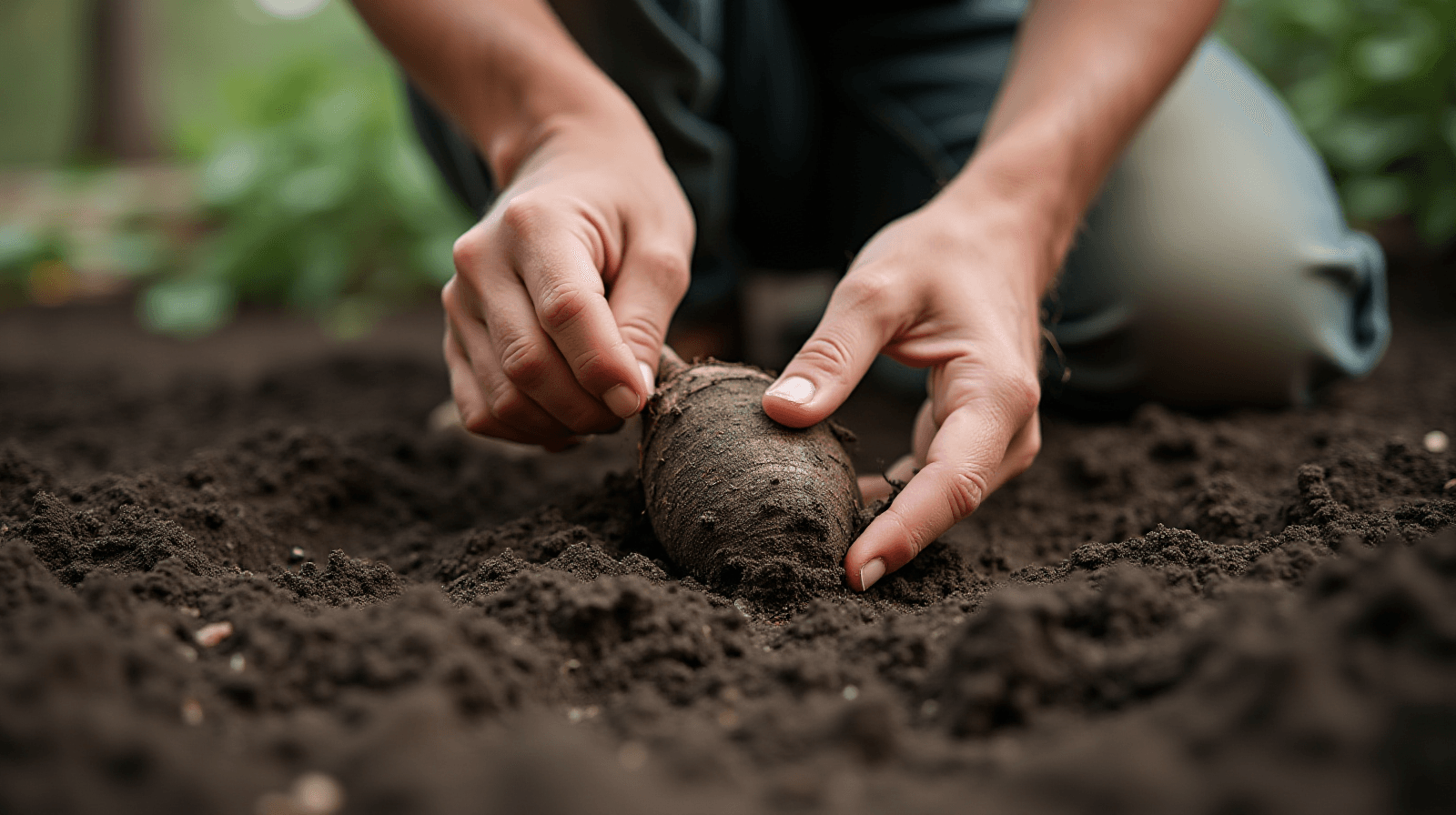
The Right Way to Handle Backyard Weeds—Without Poisoning Your Soil
Written by David Rodgers — 2026-09-17
A guide for tackling the toughest perennially invasive plants in your yard.
The newsletter for backyard growers tired of advice that ignores their actual climate and soil.
weed controlperennial weedsorganic gardeningsoil health
The truth about weeding (and why you’re failing)
If you’ve ever spent a Saturday morning sweating over your garden beds only to find the exact same weeds poking through the soil two weeks later, I know exactly how frustrating that is. It feels like you're fighting a losing battle against an invisible enemy. The reason most of us fail at weeding isn't because we aren't working hard enough; it’s because we are often only treating the symptoms, not the cause.
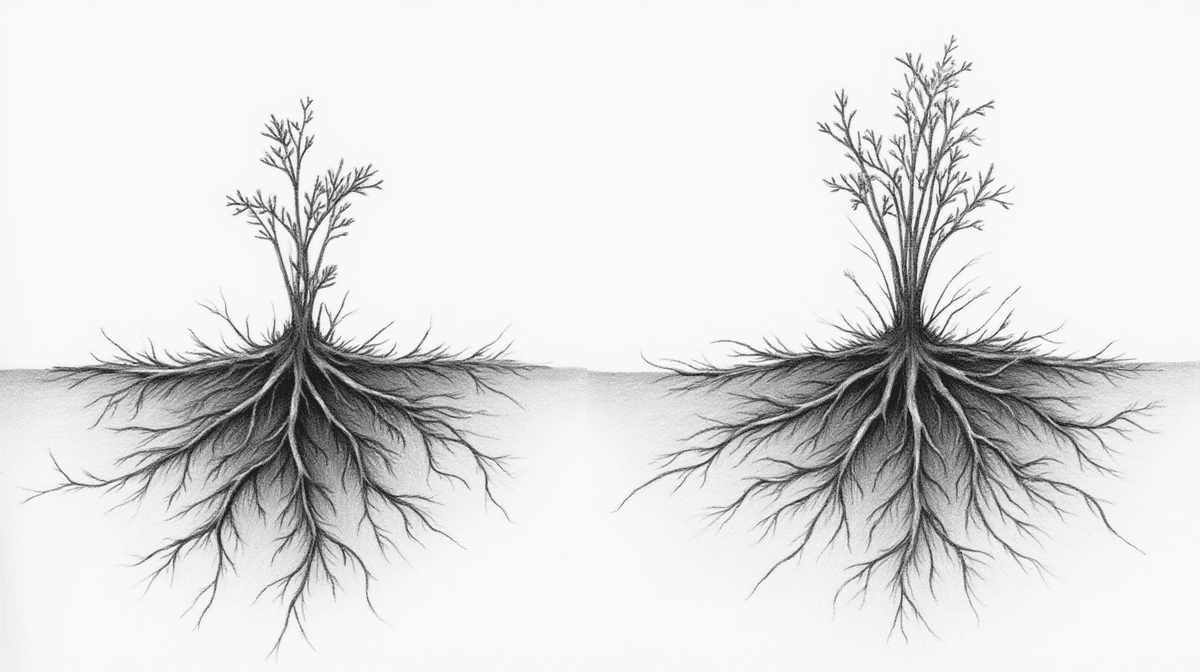
Most weeds have evolved over centuries to survive grazing, trampling, and drought. They do this by building massive underground storage systems—think of them as "battery packs" for survival. When you pull a weed and only get the top few inches out of the ground, you are often leaving the most important part behind: the root system. If that root is still intact, it contains enough energy to send up three more sprouts in its place the next time it rains. To win this fight, we have to stop thinking about "pulling" and start thinking about "extraction." We want to remove the machinery of the weed so it can't regenerate. In my forty years out here in Oklahoma, I’ve learned that if you don't get under the surface, you aren't really weeding; you're just pruning a very stubborn plant.
Rhizomes and Runners: The subterranean battle
Some weeds are like underground networks of highways. These are plants that travel horizontally through the soil using structures called rhizomes or runners. Common culprits include bindweed (or bindweed-style vines) and ground ivy. When these things take hold, they don't just grow in one spot; they send out "scouts" to colonize nearby territory.
If you pull a piece of bindweed from the surface but leave even an inch of its horizontal root intact, that remaining fragment will simply sprout new growth at both ends. It’s like trying to cut a wire—if you don't cut it completely, the signal still gets through. To handle these types of weeds without ruining your garden layout, you have to be surgical. Instead of just pulling from the top, I recommend using a long-handled-edger or even a heavy-duty hoe to "slice" the root at the soil line over a wide area. By severing the connection between different sections of the underground network, you isolate the growth and stop it from spreading into your prized perennials' territory. In warmer zones like mine (Zone 7), these runners can be particularly aggressive in the heat of July, so catching them early is key to keeping your rows clean.
Taproots (like those from docks or deep-rooted invasives)
Then we have the "anchors." These are weeds with a single, thick, vertical root called a taproot. Think of things like common dock, certain thistles, or some types of wild carrot. These plants don't want to move sideways; they want to go deep into the earth to find water and stay anchored against wind and heavy rains.
The problem with pulling a taproot is that if you just yank it out, the root often snaps off like a piece of old wood, leaving the bottom half in the ground. That "stub" still has enough stored energy to sprout several new stalks from the point where it broke. To get rid of these effectively, you have to dig. When you find one of these, don't just pull; use a garden fork or a heavy hoe to loosen the soil around the base and physically lift out the entire main root structure. It should feel like pulling up a firm carrot. If you leave even a chunk of that thick taproot behind, it will simply "fork" into several new weeds by next season. Taking the extra minute to ensure the primary anchor is gone makes all the difference in whether that spot stays clear or keeps producing nuisances for years.
| Weed Type | Common Examples | The Growth Strategy | Recommended Action |
|---|---|---|---|
| Rhizomes/Runners | Bindweed, Ground Ivy | Horizontal "highways" underground | Slice at the soil line to sever connections |
| Taproots | Dock, Thistles, Burrs | Deep vertical anchors for stability | Dig out the full root structure; don't just pull |
| Super-Seeders | Crabgrass, Chickweed | Massive seed production (thousands per plant) | Heavy mulching and soil suppression |
Super-Seeding Weeds and Shade Species
Not all weed problems are about underground growth. Some are a numbers game. These are "super-seeders." A single plant of crabgrass or certain types of wild grasses can drop thousands of seeds that stay viable in the dirt for years. Even if you pull every single one today, the soil is essentially a minefield waiting to be triggered by rain and sun.
Then you have shade-tolerant species—the weeds that love hanging out under your trees where it’s cooler and darker. These are often hard to reach with standard maintenance because they thrive in the areas we tend to overlook. For both of these issues, the best strategy is "blanketing." Instead of trying to pull every tiny seed or find every hidden sprout in a shady corner, you need to create an environment where those seeds can't germinate. This means using heavy mulch (like wood chips) for pathways and thick layers of organic matter for garden beds. In some cases, I recommend solarization—covering a problematic area with a clear plastic tarp during the hottest weeks of summer. The trapped heat "cooks" the top few inches of soil, destroying those pesky seeds before they have a chance to wake up in the spring.
The best way to prep for the next season's weed battle
The ultimate goal is to reach a point where you aren't spending your weekends on your hands and knees pulling weeds every week. You want to build a system that prevents them from taking hold in the first place. I’ve found two methods work exceptionally well for this: sheet mulching and cover crops.
Sheet mulching (sometimes called "lasagna gardening") is my go-to for reclaiming a messy area or preparing a new bed. You lay down layers of cardboard or several sheets of newspaper over the grass/weeds, soak them with water, and then pile on several inches of compost and mulch. This creates a physical barrier that stops light from reaching weed seeds while slowly improving your soil quality. It’s much more effective than just tilling, which often brings buried seeds to the surface where they can sprout.
Alternatively, if you have a space that will be empty over the winter (like a vegetable rotation), plant a cover crop like cereal rye or buckwheat. These grow thick and dense, "smothering" the weed seeds and competing with them for resources. When you turn these in during the fall, they add organic matter to your soil while suppressing the weeds. By doing this heavy lifting now, you’re making life much easier for yourself next season—less time spent fighting what doesn't belong, and more time actually enjoying your garden.
Your turn
What’s your most stubborn weed? Let me know in the comments—we might tackle it next. Did this advice save you a trip to the hardware store?
🌿 Get Seasonal Gardening Tips
New guides, planting reminders, and growing tips — straight to your inbox.
No spam. Unsubscribe anytime.
About the Author
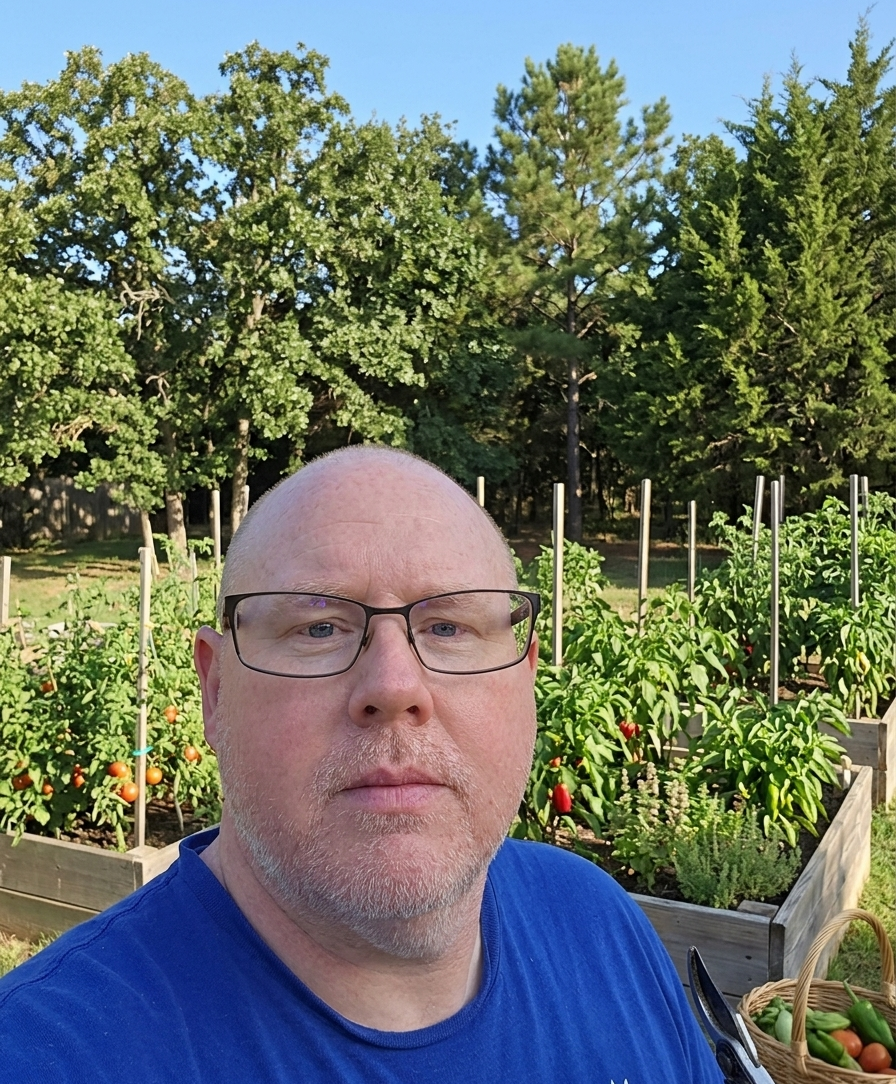
David Rodgers is the Founder & Head Gardener of Planting Atlas. With over 40 years of hands-on gardening experience in Oklahoma's Zone 7 climate, he researches, writes, and personally tests every guide on the site.
David draws from real backyard trials, soil testing, and trusted sources like Oklahoma State University Extension and USDA data to deliver practical, zone-specific advice that actually works.
Read more about David and Planting Atlas →