Loading…
←Back to Newsletters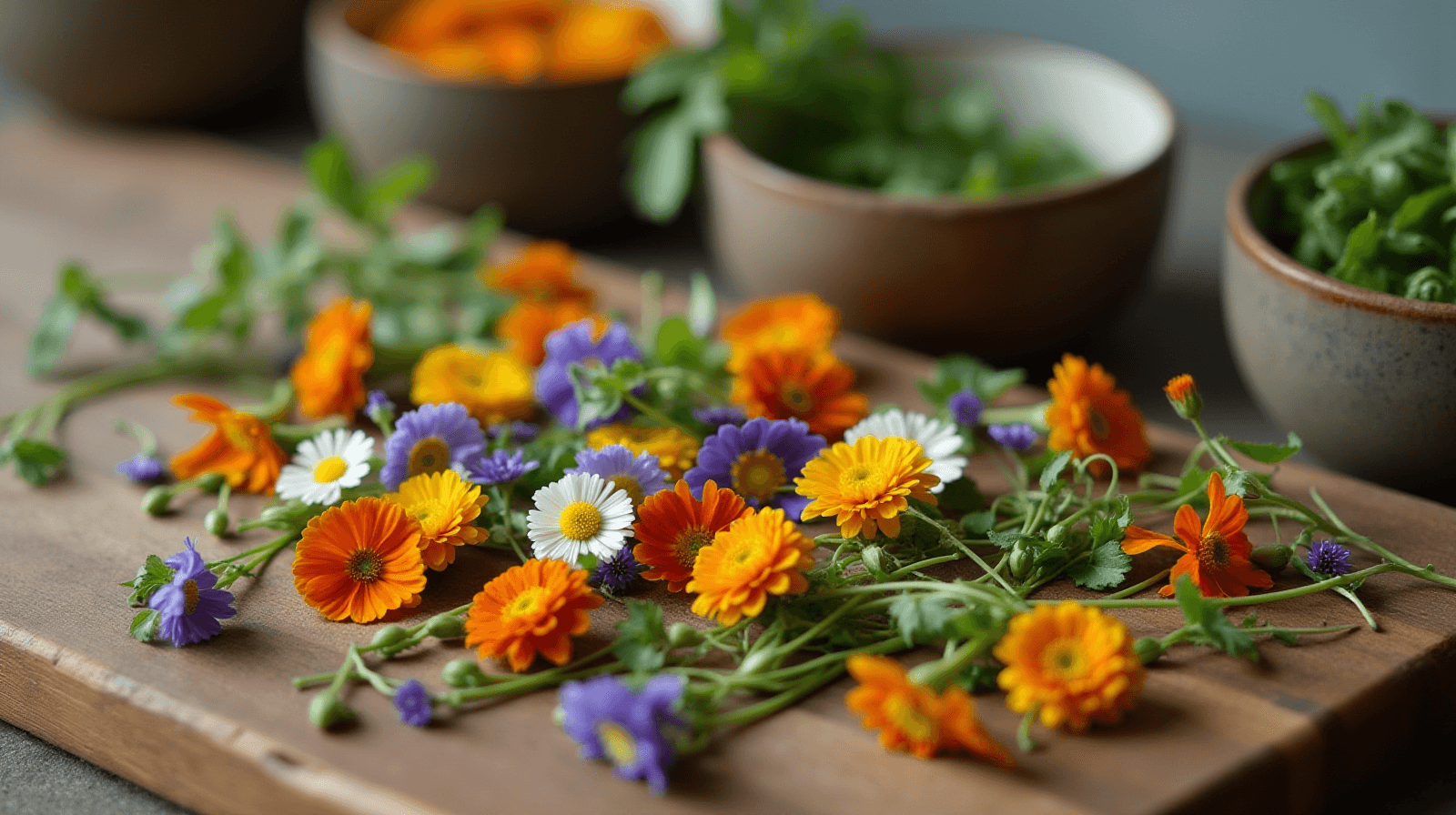
The Edible Garden: Harvesting and Cooking with Flower Blossoms
Written by David Rodgers — 2026-08-07
A guide to making the most of your garden's culinary potential.
The newsletter for gardeners who want to know how to turn their backyard bounty into a feast.
culinary gardeningedible flowerscookingharvesting
The difference between 'pretty' and edible in the garden
Before you start tossing petals into your salad bowls or brewing tea with blossoms, we have to talk about a very important distinction: just because something is beautiful doesn’t mean it belongs on your plate. In my years of gardening, I’ve seen plenty of folks assume that "pretty" flowers are safe for eating. They aren't. There are many common garden favorites—like Foxglove or Lily of the Valley—that can be quite toxic if consumed.
When we talk about an edible garden, we are strictly talking about plants specifically identified as safe for culinary use. We want to move beyond just "safe" and focus on what actually tastes good and provides a benefit to your dish. I’m not looking to turn your dinner into a science experiment; I want you to enjoy the flavors these plants offer without any guesswork. Stick to well-known edible varieties like nasturtiums or borage. If you aren't 100% sure if a flower is safe, leave it in the vase on the table where it can look pretty for your guests instead of ending up in their soup.
Starting your kitchen bouquet: Which blooms work best?
If you are just starting out with edible flowers, I recommend sticking to "workhorse" varieties. These are plants that aren't only safe and tasty but also tend to be hardy enough to survive the Oklahoma heat and provide a consistent harvest throughout the season. You want reliability first; if it’s hard to grow or barely blooms for two weeks, it isn't going to make your kitchen life easier.
I personally recommend starting with these three because they are forgiving and offer distinct flavor profiles that work well in different types of dishes:
| Variety | Flavor Profile | Best Uses | Ease of Growth (Zone 7) |
|---|---|---|---|
| Nasturtium | Peppery, radish-like | Salads, garnish for spicy meats | Very Easy; thrives in heat. |
| Calendula | Mild, earthy, slightly nutty | Butter, scones, tea, and salads | Easy; blooms for a long season. |
| Borage | Fresh, cucumber-like | Salad mixes, syrups, herb butters | Moderate; loves full sun/drainage. |
Nasturtiums are my favorite "gateway" edible because they are almost impossible to kill once established. Their leaves and seeds also have that peppery kick, making them a great substitute for radish greens in a summer salad. Calendula is fantastic because it stays beautiful even after being dried or cooked. Borage might be a bit more finicky with its water needs than nasturtiums, but those star-shaped blue flowers offer a fresh pop of flavor that tastes like a burst of cucumber when tossed into a bowl of greens.
How to use them in meals—from salads to mains
Once you have these blooms coming in, the best way to start is by using them as "functional" ingredients rather than just decorations. I don't want you to just throw a flower on top of a plate and call it a day; I want those flavors to actually contribute something to the dish.
For example, nasturtium leaves are hardy enough that they can stand up to being tossed in a heavy vinaigrette with goat cheese or feta. They hold their texture much better than lettuce when you're adding them as an extra layer of spice. If you’re making a summer salad, use the petals for a pop of color and the leaves for that peppery punch.
Calendula is a bit more subtle. Because they have a mild, earthy taste, they work beautifully in compound butters or folded into scone dough. They hold their shape well when baked. Borage flowers are wonderful because they are so delicate; I love tossing them into a simple cucumber and onion salad just before serving. If you want to get fancy, you can steep borage blossoms in heavy cream to make a flavored butter for your breaded chicken or fish. The key is to keep the preparation simple—let the natural flavors of the flowers do the work for you.
Simple preservation: Drying, freezing, and infusing
One reason I love edible flowers is that they allow you to have "summer" on your plate even when the frost hits. However, if you want to use them year-round without a massive harvest every week, you need a plan for preservation. Not all blossoms preserve in the same way, so it’s important to pick the right method for each type.
Drying: This works best for hardy flowers like Calendula or some varieties of Marigold. You can hang them in a well-ventilated area out of direct sunlight until they are crisp. Once dried, you can crush them into culinary salts or mix them into spice rubs. Avoid drying delicate petals like borage if you want to keep their flavor; they tend to get "dusty" and lose that fresh punch quickly once dried.
Freezing: If you have a surplus of nasturtiums, you can wash them, pat them completely dry (this is vital so they don't turn into mush), and freeze them in small batches on a tray before moving them to a bag. They stay great for tossing into summer salads well into the fall.
Infusing: This is my favorite way to "save" flavor. You can steep borage or nasturtium petals in a high-quality oil or a simple syrup. A lavender and borageer-infused honey, for instance, makes a fantastic topping for yogurt or pancakes during the colder months when fresh blossoms are scarce.
The 'Mistake' Corner: What to avoid when harvesting edible blooms
I’ve made plenty of mistakes in my garden over forty years, and some of them involve how we handle things meant for consumption. When you move from "gardening" to "harvesting for food," your standards have to go up a notch. The most common mistake I see is people growing edible flowers right next to non-edible plants that might be treated with systemic pesticides or fertilizers. If you spray your garden for aphids using something heavy, do not eat those flowers. You want the "cleanest" area of your yard dedicated to these items.
Another big mistake is harvesting at the wrong time of day. I always recommend picking your edible blooms in the early morning after the dew has dried but before the sun gets too high. This keeps the blossoms cool and reduces the chance of them being covered in dust or pollen, which can make them taste bitter or "gritty."
Finally, don't harvest from plants that are under stress. If a nasturtium plant is wilting because it’s bone-dry, the concentration of those peppery oils will be way too intense—it'll bite back more than you want it to in a salad. You want them harvested when they look healthy and vibrant so they provide a balanced flavor rather than an overwhelming one. Use clean shears every time; old, rusty garden pruners can leave metallic tastes or contaminants on the stems of your flowers.
Your turn
What edible flower is your favorite addition to a summer meal? Tell me in the comments! Don't forget to share this guide with another gardener who needs some serious culinary inspiration.
Next issue
Part 2 will focus on preserving and drying these beautiful blossoms, ensuring you can enjoy them long after the season ends.
🌿 Get Seasonal Gardening Tips
New guides, planting reminders, and growing tips — straight to your inbox.
No spam. Unsubscribe anytime.
About the Author
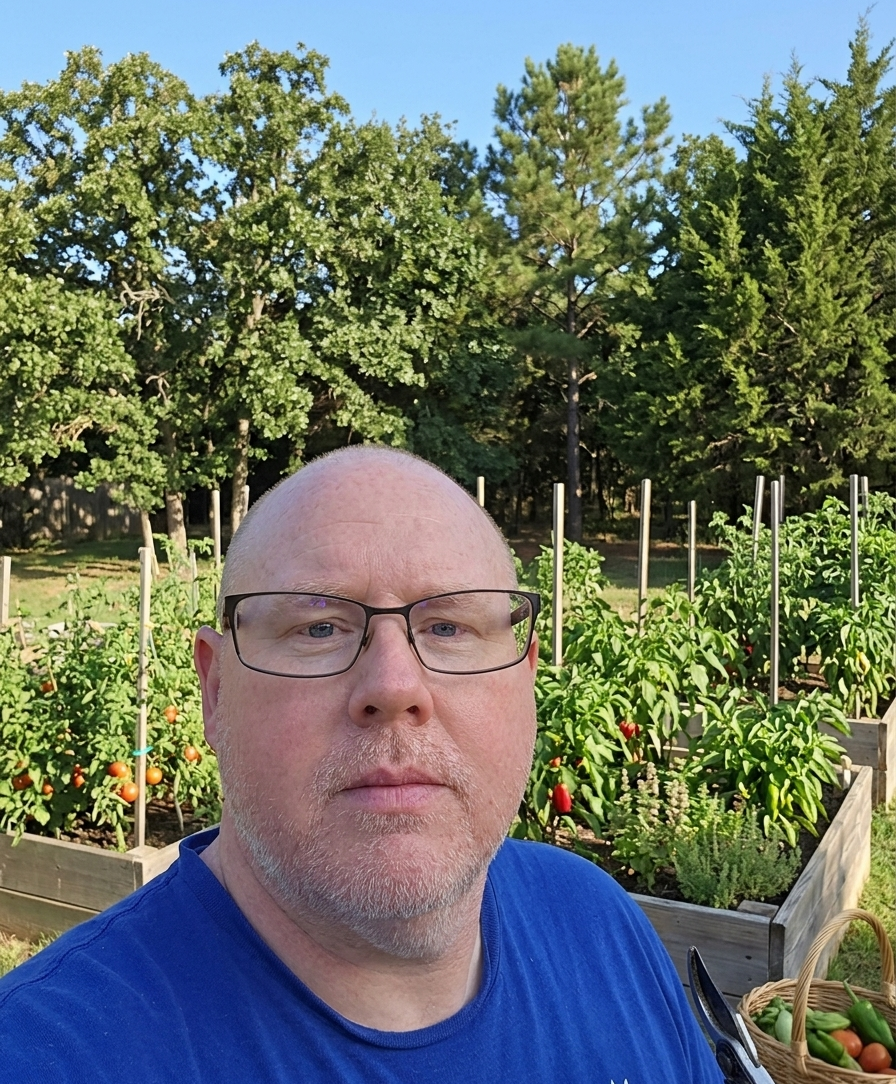
David Rodgers is the Founder & Head Gardener of Planting Atlas. With over 40 years of hands-on gardening experience in Oklahoma's Zone 7 climate, he researches, writes, and personally tests every guide on the site.
David draws from real backyard trials, soil testing, and trusted sources like Oklahoma State University Extension and USDA data to deliver practical, zone-specific advice that actually works.
Read more about David and Planting Atlas →