Loading…
←Back to Newsletters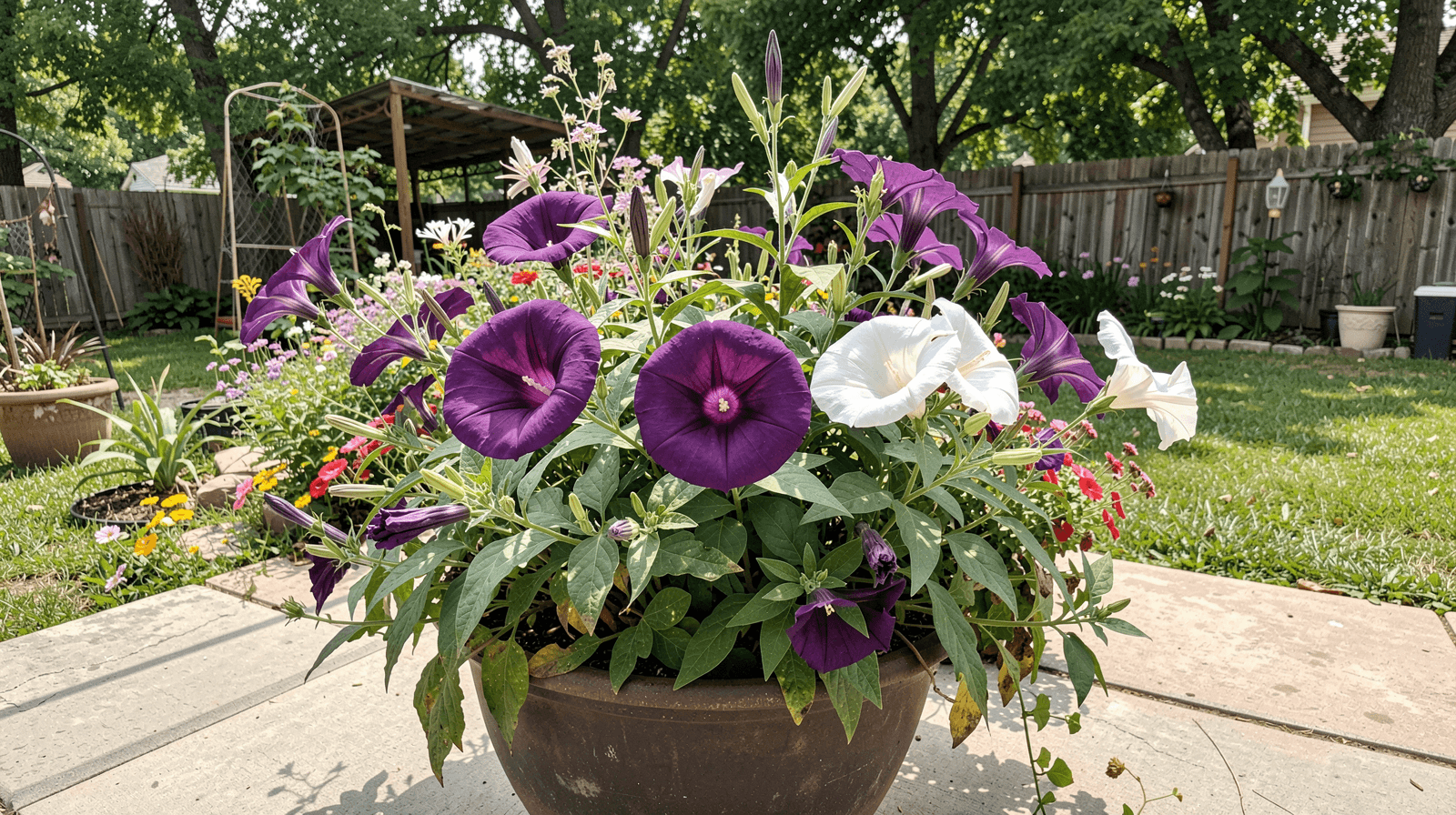

The Drama of Datura: Planting Guide for Spectacular Statement Flowers
Written by David Rodgers — 2026-11-05
Mastering the high-impact perennial that draws the eye—and requires respect.
The newsletter for backyard growers tired of subtle flowers that don't make a statement.
Specimen PlantsPerennialsOrnamental GardeningToxicity
Why Datura belongs in your garden (and why it's so dramatic)
If you’ve ever walked into a neighbor’s yard and stopped dead because of one specific plant—something that just demands an "oh, wow" from everyone who sees it—you know the feeling of a true statement piece. That is exactly what Datura provides. I first encountered these plants in my own backyard years ago, and they completely changed how I thought about scale in a garden bed. While most perennial flowers are trying to compete for your attention by being perfectly manicured or brightly colored in small clusters, Datura doesn't ask for permission; it just takes over the visual space with those massive, trumpet-shaped blooms.
The drama comes from the sheer size and the way they hang. They aren't delicate little blossoms that you have to lean in to see; they are architectural. In the heat of a late summer afternoon, seeing those white or lavender trumpets catching the light is something you just don’t get with standard bedding plants. I love them because they represent a bit of "wild" elegance—they look like they belong in a high-end landscape design but have the ruggedness to survive a scorching Oklahoma July. If your garden feels too quiet or "polite," Datura is the plant that adds a bit of theatrical flair without requiring you to fuss over every single petal.
Where to put this drama: Placement matters more than you think
One mistake I see people make with high-impact plants like Datura is crowding them in. Because these things grow tall and wide, they need "breathing room" to actually look good. If you tuck a Datura into a corner where it’s forced to compete for space, the stems will start to lean and flop over under the weight of the heavy blooms. I always recommend giving them their own dedicated spot—a specimen bed or a large container where they can be viewed from all sides.
In my experience here in Zone 7, placement is also about managing the heat and the sun. Datura loves the sun; it needs at least six to eight hours of direct light to produce those massive flowers. If you put them in too much shade, you’ll end up with a big green bush that refuses to bloom. However, if you are planting them in a spot where they can be seen up close—like near a patio or a walkway—I suggest using large pots. Containers allow you to control the drainage perfectly, which is one of the biggest hurdles for these plants. When they’re in a pot, make sure it's big enough that they aren't constantly "root-bound," otherwise, the plant will struggle to maintain its vigor as the season progresseses.
Getting started: Planting tips for happy, healthy roots
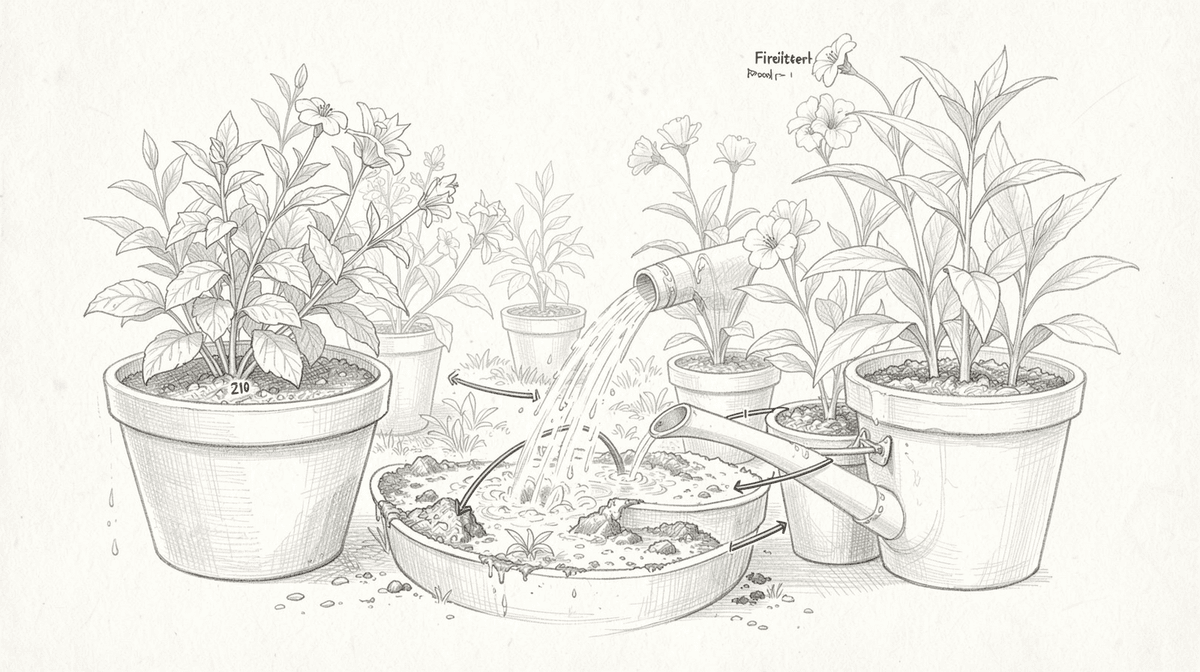
When I first tried planting Datura, I learned the hard way that while these plants are tough, their roots can be finicky about "wet feet." If you put them in heavy clay soil and don't give them a way to drain, they will rot out before they ever have a chance to flower. When you’re prepping your spot, the goal is drainage. I like to mix in some coarse sand or plenty of organic matter (like compost) to break up the soil texture. You want water to move through it, not sit in it like a bathtub.
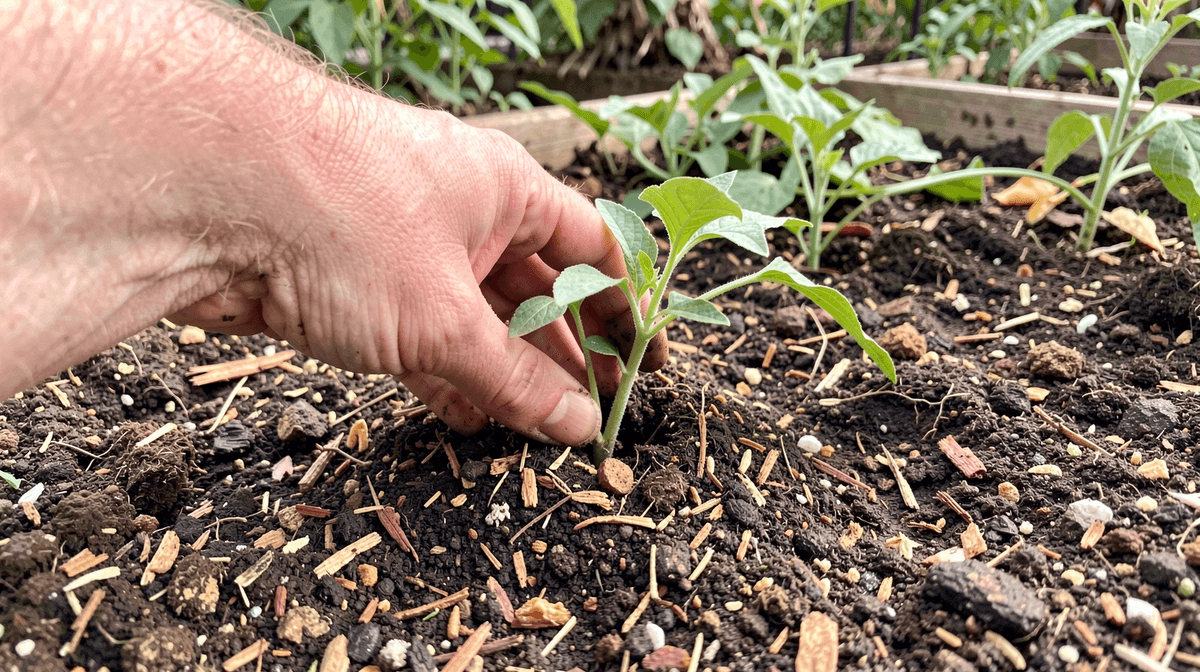
When it comes to actually putting the plant in the ground, depth matters more than most people realize. You want to plant them so that the crown—that part where the stems meet the roots—is just at or slightly above the soil line. If you bury too much of the stem, it’s an invitation for rot. I usually dig a hole twice as wide as the nursery pot but only about as deep. Once they are in, don't go overboard with the initial watering. You want to give them a good soak to settle the soil around the roots, but then let them establish themselves. In my backyard, I’ve found that giving them a few days of "settling time" before heavy daily watering helps the root system lock into place without drowning the plant.
Keeping the show going all season long (Feeding & Watering)
Keeping Datura looking spectacular requires a balance between hydration and nutrition. One thing I've observed over 40 years is that people often kill these plants with "kindness"—specifically, by watering them a little bit every single day. That’s not what they want. Instead, you want to water deeply but less frequently. This encourages the roots to reach further down into the soil for moisture rather than staying shallow and vulnerable. In our Zone 7 heat, this means a deep soak that gets into the root zone, followed by letting the top inch of soil dry out before watering again.
For feeding, you want to be careful not to overdo it on nitrogen. If you give them too much "plant food" that is heavy on nitrogen, you’ll get a massive explosion of green leaves but almost no flowers—the plant thinks its only job is to grow bigger, not to reproduce. I prefer a balanced, slow-release fertilizer in the spring and early summer. A ratio like 10-10-10 is usually plenty for getting them established. If you see the blooms starting to fade or look "tired" in late August, a light dose of a bloom-boosting fertilizer can give them that second wind they need to finish the season strong.
⚠️ The most important thing you need to know about this plant
I have to be very direct here because it’s a matter of safety: Datura is extremely toxic. It contains alkaloids that are dangerous if ingested by humans or pets. This isn't just "garden lore"; it’s a serious fact about the biology of this plant. If you have small children who like to explore the garden or dogs that tend to chew on everything they find, you need to be aware of this.
I don't say this to scare anyone away from growing them—many people have successfully kept these in their yards for years—but it does mean you need a plan. I personally recommend placing Datura in areas where pets and kids aren't likely to wander into the foliage, or using physical barriers if necessary. If a pet were to nibble on a leaf, it could be a medical emergency very quickly. Knowing this upfront allows you to enjoy the dramatic beauty of the flowers without any "what-ifs" hanging over your head. It’s one of those plants that requires respect for its power in the garden landscape.
Zone 7 timing: When is the right time to risk these beauties?
Timing is everything when you're gardening in Oklahoma or similar Zone 7 environments. You want to wait until the danger of a hard frost has completely passed and the soil has actually warmed up before you get these into the ground. Planting too early while the ground is still cold can shock the roots, and since Datura likes to get established quickly once it's in its spot, that "cold start" can stunt its growth for the rest of the year.
In my experience, the best window for planting starts from a nursery is late spring—usually once we hit those consistent 70-degree days. If you are starting them from seed yourself, you’ll want to get those going indoors much earlier to ensure they have enough time to develop a robust root system before they ever see an Oklahoma summer.
| Action | Timing (Zone 7) | Key Consideration |
|---|---|---|
| Seed Starting | Late Winter / Early Spring | Keep indoors until soil is consistently warm. |
| Transplanting Starts | Late Spring (After last frost) | Ensure the crown isn't buried too deep. |
| Fertilizing | Early to Mid-Summer | Use a balanced formula; avoid high nitrogen. |
| Deadheading | Late Summer / Fall | Remove spent blooms to keep the plant tidy. |
The final checklist for your dramatic centerpiece
Before you head out to the garden to get started, here is my "cheat sheet" of what actually matters for success with Datura:
- Check Drainage: Ensure the spot isn't a "sink." If water sits there after a heavy rain, add more grit or organic matter.
- Sun Exposure: Confirm you have at least 6 hours of direct sun. No shadows from nearby trees during the peak afternoon heat.
- Spacing: Give them room! Don't crowd them; they need to be able to stand tall without leaning on their neighbors.
- Watering Habit: Switch your mindset from "daily sprinkles" to "deep, infrequent soaks."
- Safety Check: Identify where pets and kids play and ensure the Datura is placed in a spot that keeps them out of reach.
- The Crown Rule: When planting, make sure the base of the stem isn't buried under the dirt. Keep it clear to prevent rot.
Your turn
Does your yard need a bold centerpiece? Share this issue with another gardener who appreciates high drama (and safety first!).
🌿 Get Seasonal Gardening Tips
New guides, planting reminders, and growing tips — straight to your inbox.
No spam. Unsubscribe anytime.
About the Author
David Rodgers is the Founder & Head Gardener of Planting Atlas. With over 40 years of hands-on gardening experience in Oklahoma's Zone 7 climate, he researches, writes, and personally tests every guide on the site.
David draws from real backyard trials, soil testing, and trusted sources like Oklahoma State University Extension and USDA data to deliver practical, zone-specific advice that actually works.
Read more about David and Planting Atlas →