Loading…
←Back to Newsletters
The Best Way to Regenerate Your Garden Soil (Without Buying Fertilizer)
Written by David Rodgers — 2026-10-12
A guide to using cover crops for natural weed control and better harvests.
The newsletter for gardeners who'd rather learn from a mistake made 40 years ago than repeat it themselves.
soil healthcover cropscompostingvegetable gardening
Your soil isn't dirt; it’s a living ecosystem. And right now, yours is probably stressed out.
If you look at your garden beds after a long summer of heavy-feeding tomatoes or peppers, the ground can start to feel tired. It’s not just that the nutrients are gone—it's that the "living" part of your soil is exhausted. Soil isn't just dirt; it's a complex web of microbes, fungi, and tiny organisms that do the heavy lifting for you. When we pull out our main crops every autumn and leave the ground bare or just lightly tilled, those microorganisms have nothing to do, and they begin to die off. This leads to compacted soil that doesn't drain well and a "hungry" environment where your plants have to work twice as hard just to survive.
Think of cover crops not as an extra chore or something you only do if you have the time, but as a way to feed the soil itself. Instead of just feeding the plant with bags of fertilizer, you are nurturing the ecosystem. By planting specific "cover" crops during the off-season, you're essentially giving your garden a restorative nap while keeping it productive. It’s about moving from a cycle of depletion to a cycle of regeneration. When the soil is healthy and active, those little organisms work for you, breaking down organic matter and making nutrients available exactly when your next crop needs them.
What exactly are cover crops, and how do you pick one for your spot?
A "cover crop" is any plant grown primarily to protect and improve the quality of the soil rather than for harvest. In my experience, the best way to start is by choosing a mix that serves two different purposes: building biomass (mass) and fixing nitrogen. You don't need a degree in botany to pick the right ones; you just need to know what they do well.
The Nitrogen Fixers (Legumes)
These are your heavy hitters for soil nutrition. Legumes have a special relationship with bacteria that allows them to pull nitrogen from the air and store it in their roots. Once you chop these down, that nitrogen becomes available for your next crop.
- Clover: Great for small spaces; it stays relatively low and is very hardy.
- Vetch: A powerhouse for nitrogen, though it can grow quite vigorously.
The Biomass Builders (Grasses & Others)
These are about structure. They often have deep, aggressive root systems that break up compacted soil like a plow would.
- Cereal Rye: One of my favorites for Zone 7 because it’s hardy and has an incredible root system.
- Winter Wheat: Good for creating a dense mat to suppress weeds.
| Cover Crop Type | Primary Benefit | Examples | Best Use Case |
|---|---|---|---|
| Legumes | Nitrogen Fixation | Crimson Clover, Hairy Vetch | Improving soil fertility naturally. |
| Grasses | Biomass & Structure | Cereal Rye, Oats | Breaking up hard soil and preventing erosion. |
| Brassicas | Soil Detox/Breakup | Mustard, Radish | Breaking through heavy clay layers (tillage). |
The biggest mistake I made: Thinking 'plant it when you's done.'
One of the most common mistakes I see—and one I made early on in my own backyard—is thinking that a cover crop is something you just "set and forget" at the end of the season. Many gardeners think they can toss some seeds down in October, walk away, and then just dig them up in the spring. This leads to a major failure mode: if your cover crops aren't managed correctly, they will go to seed.
When a plant like rye or vetch goes to seed, it produces thousands of tiny seeds that can stay dormant in your soil for years. If you don't "terminate" them properly (meaning killing the plant before it can drop its seeds), you won't have a clean garden next spring; you’ll have an infestation of those same plants and weeds competing with your vegetables. You want to kill the cover crop while it is still green and growing, not once it turns brown and starts producing seed heads. I spent years fighting "volunteer" rye in my rows because I didn't take the time to mow or crimp them down before they went to seed. If you let them go to seed, you aren't just planting a cover; you’re inviting next year's weeds into your house.
Timing matters: When do I plant my covers in Oklahoma Zone 7?
In our neck of the woods (Zone 7), timing is everything because we have to balance the needs of the soil with the reality of our frost cycles and heat. You want enough time for the cover crop to establish a significant root system before the ground freezes, but you don't want it growing so vigorously that it becomes a nightmare to manage in the spring.
For most cover crops in Oklahoma, your "sweet spot" for planting is late summer through early fall—typically between late August and September. This allows them to get established during the remaining warmth of the season before the first hard frost hits.
Seasonal Timing Guide
- Late Summer (Aug/Sept): Best time for seeding rye or vetch. These need a few months of growth to build deep roots.
- Early Fall: Good for fast-growing options like mustard or buckwheat if you want a quick "punch" before winter.
- The Termination Window: You should aim to mow or "chop and drop" your covers in late fall (November) once they’ve reached a decent height but before they turn brown and go to seed.
By getting them in early enough, the roots will stay active during the winter months, holding the soil in place and feeding the underground life while everything above ground is dormant.
The three steps of implementation: Seeding, growing, and chopping.
If you want success without a headache, follow these three steps. It keeps things simple so you can actually enjoy the process rather than fighting against it.
1. Seeding
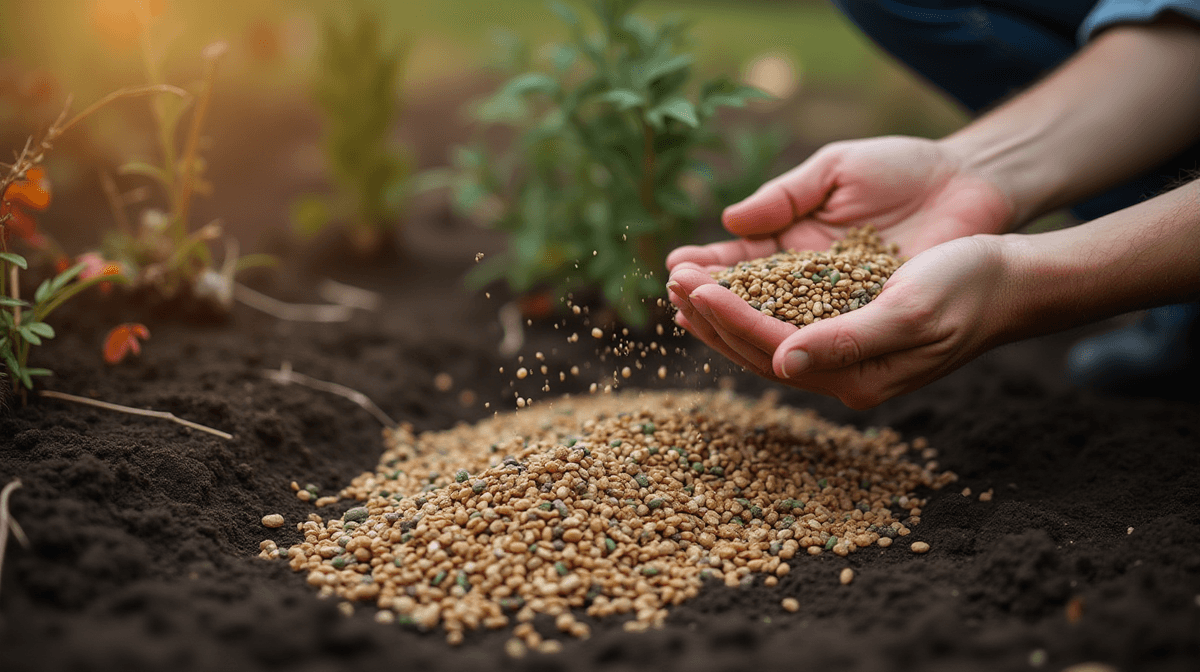
Don't just throw seed on top of compacted dirt and hope for the best. You need to get some contact with the soil. For most backyard gardens, this means lightly tilling or raking your beds before spreading the seed. I recommend a "cocktail" approach: mix a bit of clover (for nitrogen) with cereal rye (for biomass). Broadcast the seeds over your bed and rake them in just enough so they are tucked under a thin layer of soil.
2. Growing
Once they are planted, let them do their job. You don't need to worry about weeding these during the fall; if they grow well, they will naturally crowd out most weeds. Your only job here is to keep an eye on them. If you see a specific area where they aren't taking hold, give it a little extra water or some light raking.
3. Chopping
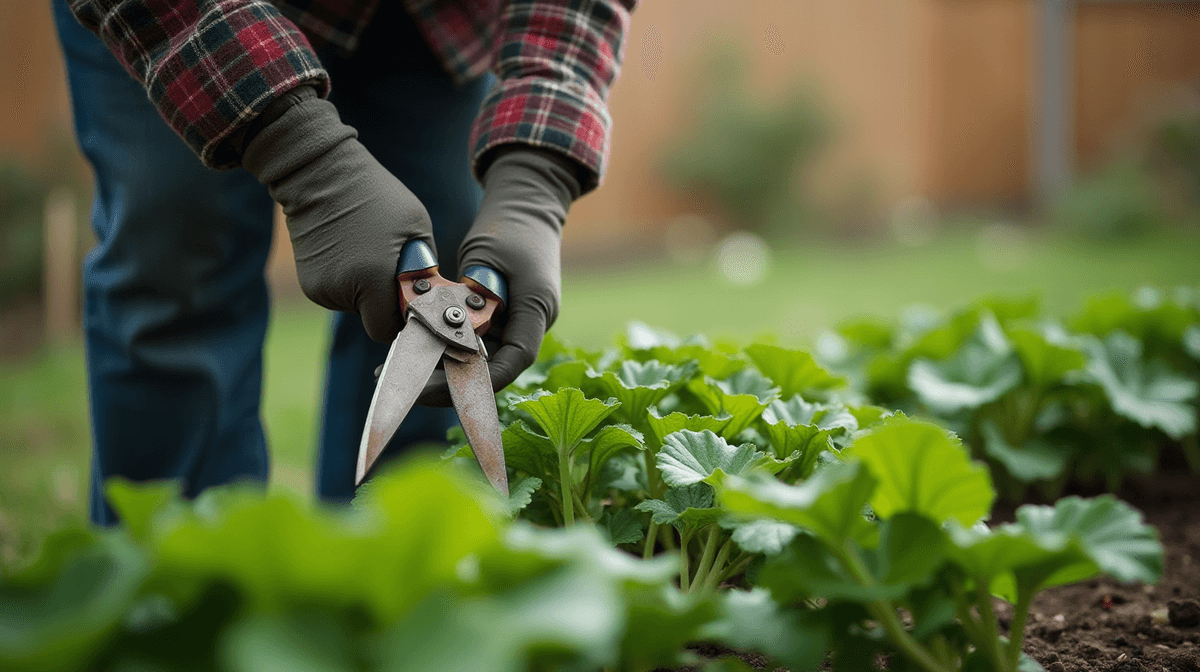
This is the "termination" step I mentioned earlier. When your cover crops are about knee-high and still green (usually in late fall), use a mower or a scythe to cut them down. This is often called "chop and drop." Instead of removing the material, you leave it on top of the soil. It will slowly decompose over the winter, creating a layer of mulch that protects the soil from erosion while feeding your earthworms and microbes.
Beyond weed control: What these crops actually give your next crop.
While people often start using cover crops just to stop weeds from moving in, the real magic happens beneath the surface where you can't see it. When you choose the right mix of plants, you are providing several distinct "services" to your garden that make for a much easier growing season the following year.
Nitrogen Fixation
As I mentioned with the legumes, these crops act like natural fertilizer factories. They take nitrogen from the atmosphere and store it in their root nodules. When those roots decay over the winter, they release that nitrogen into the soil exactly where your heavy feeders—like tomatoes or peppers—will need it come spring.
Breaking Up Compaction
Deep-rooted grasses like cereal rye act like "biological tilling." Their roots can push through dense clay and compacted earth that a garden fork might struggle with. This improves drainage and allows air to reach the roots of your future crops.
Building Organic Matter
Every time you let a cover crop grow and then "chop and drop" it, you are adding organic matter. This is what makes soil feel crumbly and rich rather than hard and clumpy. It increases the water-holding capacity of your garden, which is a lifesaver during those hot Oklahoma summers when we need the ground to hold onto moisture as long as possible. You aren't just growing plants; you're building a foundation that makes every subsequent year easier than the last.
Your turn
Are you starting this fall? Let me know what crop mix you plan to try in the comments. If this guide helped stop you from making a soil mistake, share it with another backyard grower!
🌿 Get Seasonal Gardening Tips
New guides, planting reminders, and growing tips — straight to your inbox.
No spam. Unsubscribe anytime.
About the Author
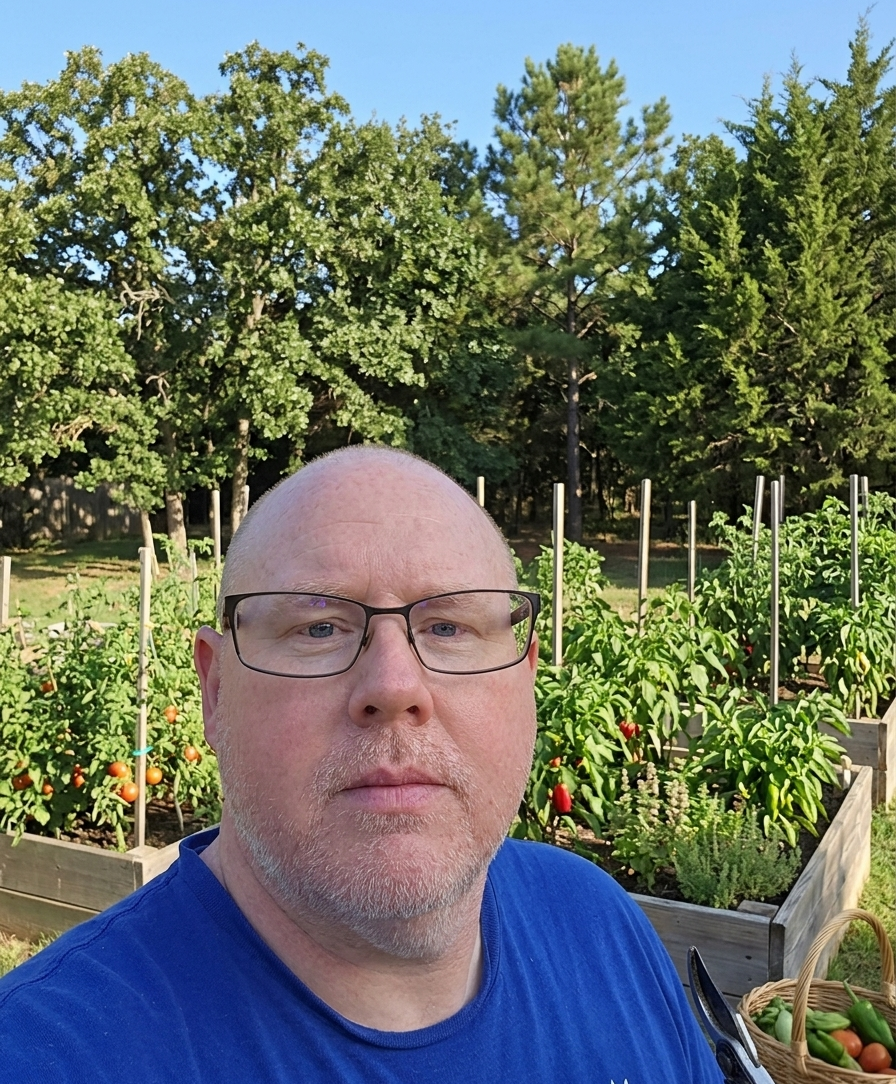
David Rodgers is the Founder & Head Gardener of Planting Atlas. With over 40 years of hands-on gardening experience in Oklahoma's Zone 7 climate, he researches, writes, and personally tests every guide on the site.
David draws from real backyard trials, soil testing, and trusted sources like Oklahoma State University Extension and USDA data to deliver practical, zone-specific advice that actually works.
Read more about David and Planting Atlas →