Loading…
←Back to Newsletters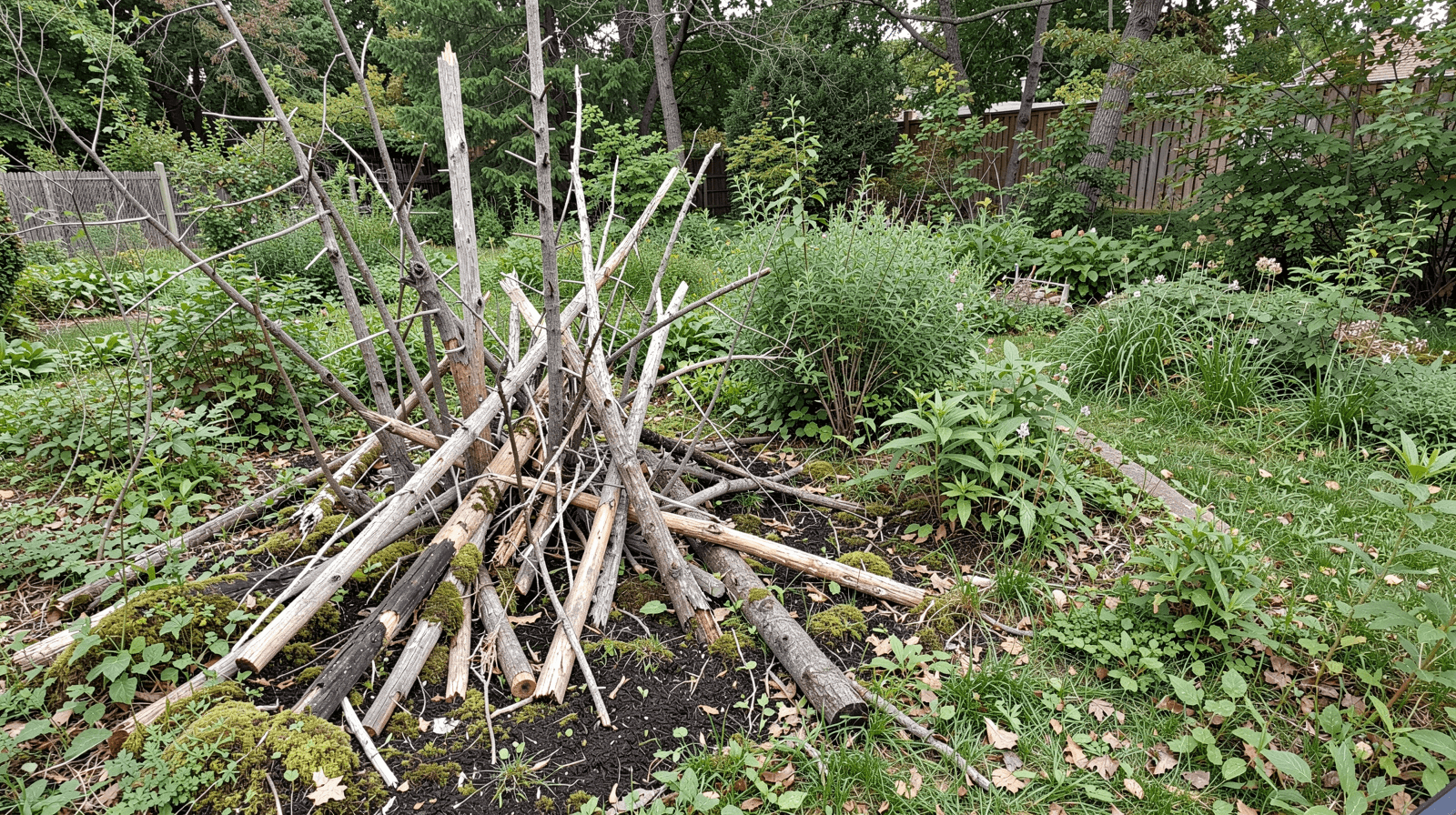

The Best Things Are Dead: Why You Should Leave Snags in Your Yard
Written by David Rodgers — 2026-11-02
Turning perceived dead space into a thriving habitat for life and healthy soil.
The newsletter for backyard growers tired of trying to manicure nature into submission.
EcologyPermacultureHabitatNatural Design
The Myth of the Manicured Yard
I spent years trying to curate my backyard into something that looked like it belonged in a high-end real estate brochure. I wanted every branch snapped off, every fallen limb hauled to the curb by the weekend, and every "messy" corner cleared out until there was nothing left but flat grass and tidy mulch. For a long time, I thought that meant I was winning at gardening—that I was in control of my little slice of Oklahoma. But after forty years of trial and error, I realized I wasn't creating a thriving garden; I was essentially sterilizing it.
When you clear away every bit of deadwood, you aren't just tidying up the visual space; you’re removing the infrastructure of the ecosystem. A "clean" yard is often a quiet one. If your backyard feels like a library where nothing moves except for the occasional squirrel, it’s likely because you’ve removed the very things that keep the soil alive and the local wildlife active. We have been conditioned to see decay as a failure—a sign of neglect or "laziness." In reality, decay is one of the most productive processes in nature. It isn't just wood rotting; it’s life recycling itself into new growth.
Why Decay is Your Best Friend: The Ecology of Standing Wood
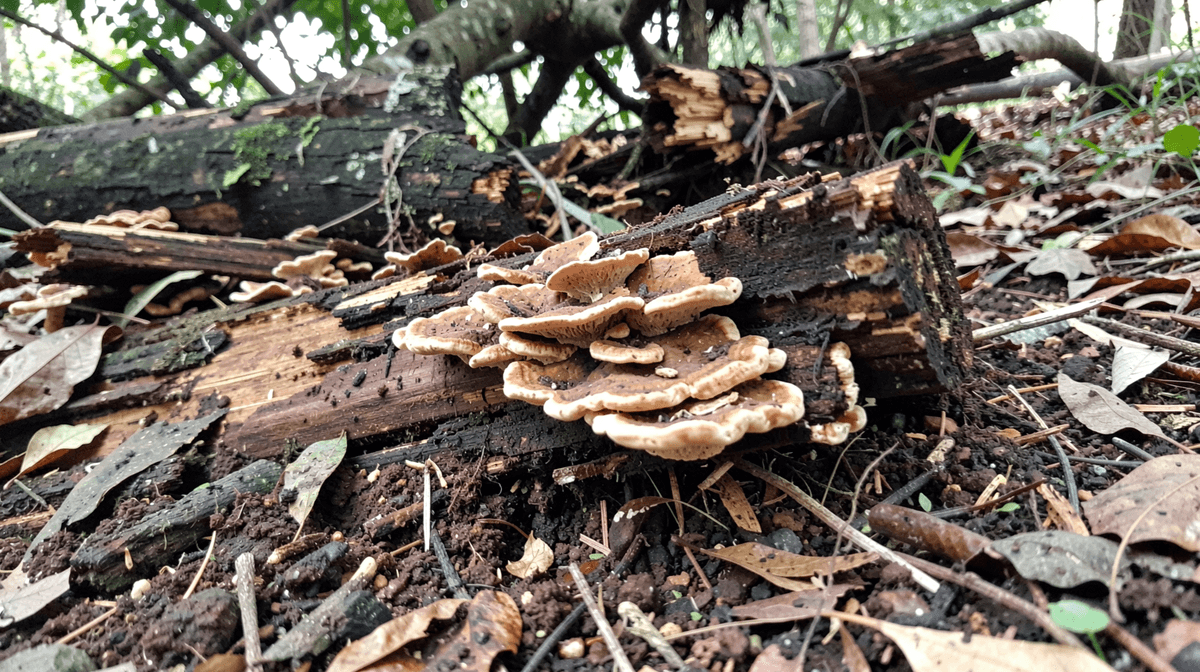
In my experience, some of the healthiest parts of a garden are the ones that look like they’re "dying." This includes standing snags (dead trees still upright) and fallen logs. These aren't just waste products; they are high-density apartment complexes for the creatures we want in our yards. A dead tree provides nesting sites for woodpeckers, shelter for beneficial insects, and a home for thousands of organisms that keep the soil healthy.
Beyond the visible wildlife, there is the invisible work happening underground. Deadwood is a massive reservoir of chemical resources. As it breaks down, it feeds a complex web of fungi and microbes. These are the primary decomposers—the "cleanup crew" that turns tough cellulose into rich organic matter that your plants can actually use. I’ve noticed that my garden beds near old logs have better soil structure than those where I try to manufacture fertility with store-bought bags of compost alone. The wood acts as a slow-release battery, feeding the earth over years rather than weeks. When you let a log sit, you aren't just letting it rot; you are letting it work for your garden’s future.
The Biggest Mistake: Cutting Everything Down to Size
The most common mistake I see—and one I made myself early on—is the "scorched earth" approach to yard maintenance. People often think that if a tree is dead or a branch has fallen, it must be removed immediately for safety and aesthetics. While there is a balance to strike, over-clearing can be destructive to your backyard’s health.
You need to learn how to differentiate between a "hazard" and a "habitat."
When to remove wood:
- Structural Hazards: If a dead tree (a snag) is leaning toward your house, power lines, or a neighbor's property, it needs to come down by a professional. This isn't about ecology; it’s about safety.
- Rotten Bases: If the trunk of a standing tree is hollowed out at the base and looks like it could snap in a moderate windstorm, get it addressed before it falls on your car or porch.
When to leave it alone:
- Fallen Branches: Unless they are blocking a path or creating a tripping hazard, let them stay. They will eventually settle into the earth and become part of the soil.
- Small Snags: If you have a dead tree in a far corner of the yard that isn't threatening anything, leave it standing. It is an ecological goldmine for birds and insects.
Where You Can Safely Be Messy: Zone Notes for Deadwood Placement
In Oklahoma (Zone 7), we deal with intense summer heat and periods of significant drought. This makes "messy" gardening even more important because deadwood helps regulate the microclimate of your yard. Strategically placing logs and branches can help keep nearby plants cooler and retain moisture in the soil during those July heatwaves.
I recommend being intentional about where you let things get a little wild. You don't have to leave a pile of sticks right in front of your porch, but there are perfect spots for "messy" wood:
- Property Edges: This is the best place for large logs and brush piles. It creates a buffer zone that encourages wildlife while keeping the main garden area clear.
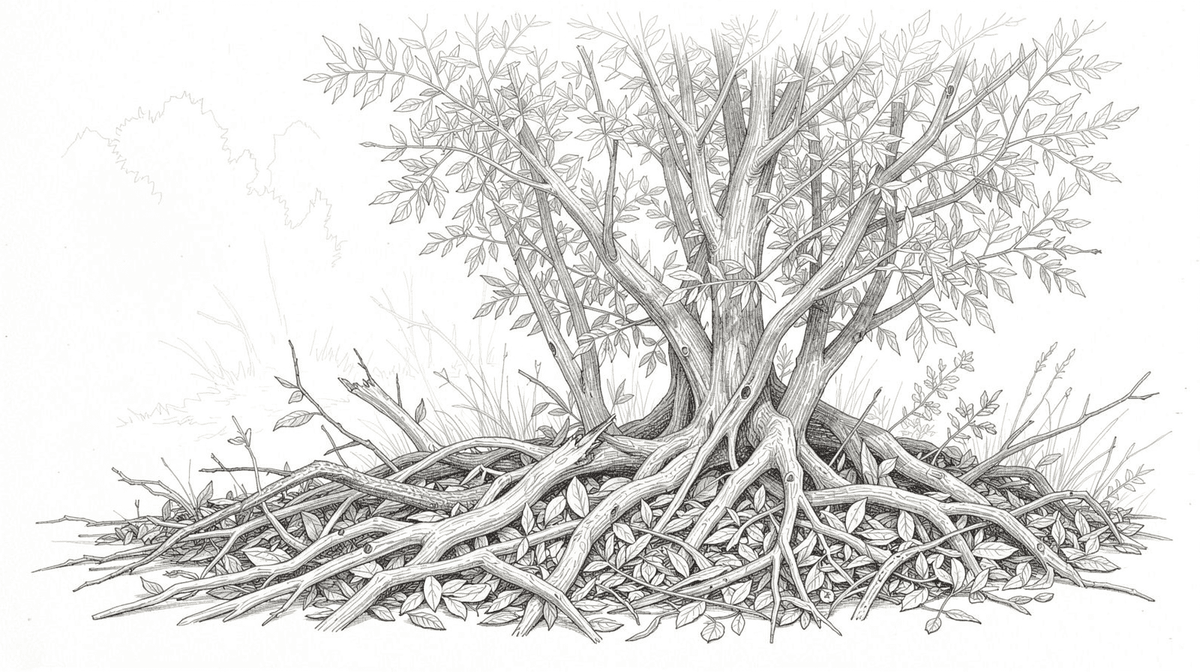
- Under Deciduous Trees: Leaving fallen limbs under oaks or maples allows them to break down into the root zones where they are needed most.
- The "Wild" Corner: Every yard can have one spot—a corner of a fence line or a far back acre—where you simply stop mowing and let nature take its course.
| Type of Deadwood | Primary Role | Best Placement Strategy |
|---|---|---|
| Standing Snags | Nesting & Shelter | Far corners, away from structures/power lines |
| Large Logs | Moisture Retention & Habitat | Under trees or along property boundaries |
| Small Branches | Soil Structure & Mulch | Tucked into garden beds or left in "wild" zones |
| Leaf Litter / Brush | Nutrient Cycling | Left under shrubs to act as a natural mulch |
How To Incorporate Fallen Wood Without the Fuss
You don't need a tractor and a team of laborers to incorporate deadwood. In fact, sometimes moving it too much can be counterproductive because you’re breaking up the very habitat you want to create. The goal is "low-effort integration."
If you have a branch that fell in your flower bed but is too big to leave as-is, don't haul it away. Instead, move it slightly so it isn't an eyesore and let it sit. Over time, it will settle into the ground. If you want to be more proactive, consider creating "nurse logs." These are fallen logs placed in a garden bed where they provide a moist microhabitat for new seedlings or perennials to take root near.
Simple steps for integration:
- Assess and Sort: Walk your yard once a month. Identify what is a safety hazard (remove) and what is just "messy" (leave).
- The One-Foot Rule: If a fallen branch is within one foot of a walking path, move it to the side or break it into smaller pieces that won't be tripped over.
- Positioning: Place larger logs horizontally on the ground rather than propped up against things. This allows them to stay in contact with the soil, which speeds up the fungal colonization process.
- Patience: The biggest "fix" is simply doing nothing. Let a log sit for a season. You’ll be surprised at how much it changes—and how many birds will start visiting it—within just a few months.
Your turn
What part of your yard have you been tempted to 'clean up'? Share what natural elements you plan to leave alone this season below!
🌿 Get Seasonal Gardening Tips
New guides, planting reminders, and growing tips — straight to your inbox.
No spam. Unsubscribe anytime.
About the Author
David Rodgers is the Founder & Head Gardener of Planting Atlas. With over 40 years of hands-on gardening experience in Oklahoma's Zone 7 climate, he researches, writes, and personally tests every guide on the site.
David draws from real backyard trials, soil testing, and trusted sources like Oklahoma State University Extension and USDA data to deliver practical, zone-specific advice that actually works.
Read more about David and Planting Atlas →