Loading…
←Back to Newsletters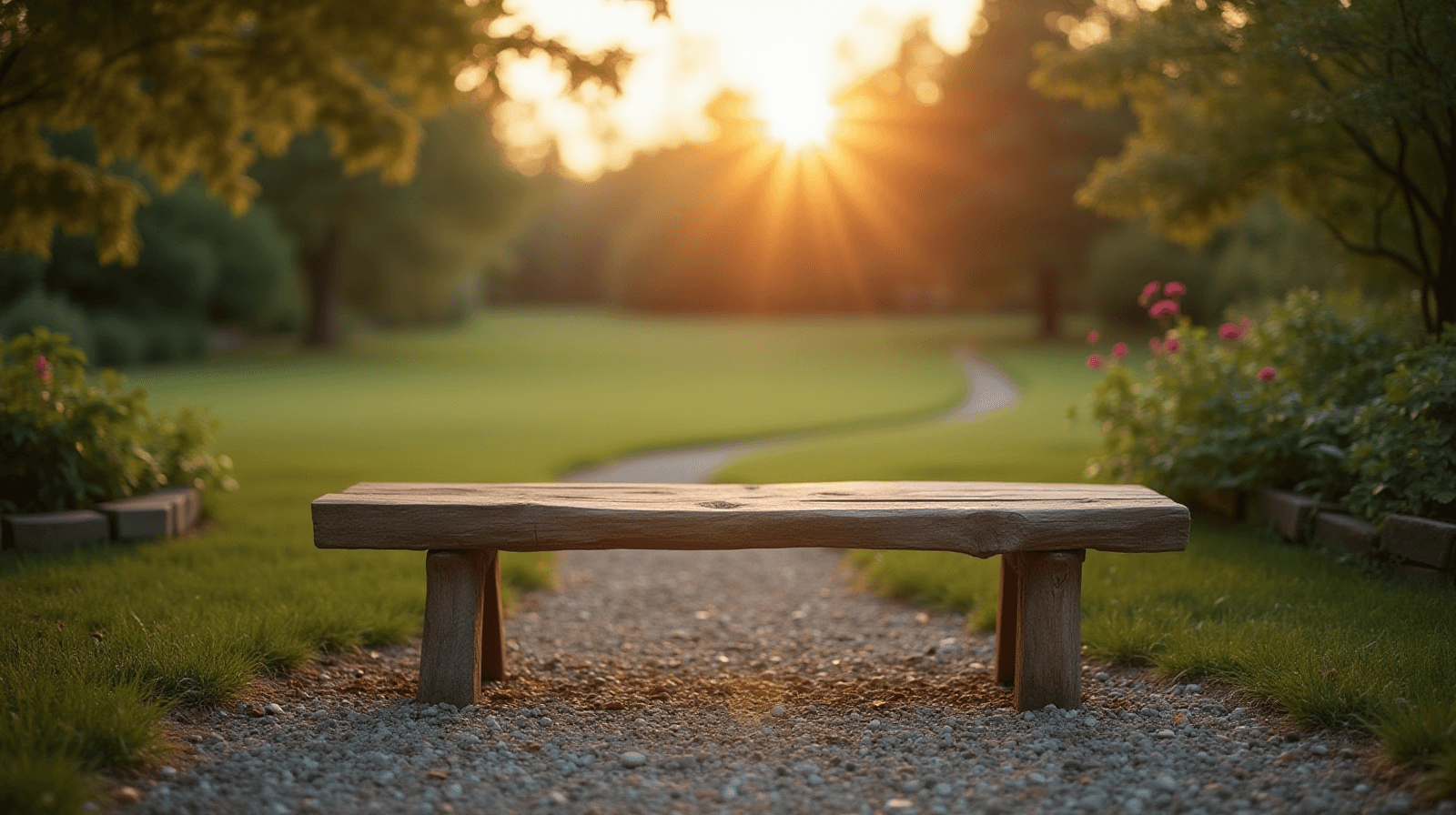

The best garden spots aren't about flowers; they're about where you sit.
Written by David Rodgers — 2026-09-05
Using light direction to place benches and paths that make the most of your yard.
The newsletter for gardeners who want their backyard to be a relaxing view, not just another patch of plants.
designhardscapingviewingseating
Start by drawing a map of your yard (and marking the spots you actually sit)
The biggest mistake I see people make is designing their garden as if they are looking at a painting, rather than a place where they intend to spend time. You might pick out some beautiful flowers and put them in a bed right next to where you want to put a bench, only to realize later that the tallest plants block your view or that you have to navigate through thorny bushes just to get to your morning coffee.
Before you buy a single shovel or bag of mulch, take a piece of paper and draw a rough map of your yard. Don't worry about being an artist; it just needs to show where your house sits, where the fences are, and—most importantly—where you actually go. Mark the "hot spots" where you currently sit, and then mark the places where you wish you could sit but don't because of heat, lack of space, or a messy view.
By mapping out these zones first, you’re designing for your life. You aren't just planting flowers; you're creating "rooms." When you know exactly where you intend to land your feet and stay for thirty minutes, it becomes much easier to decide what needs to be clear of debris and what can provide a nice backdrop.
Thinking about light: East vs. West—which direction matters most?
In the gardening world, we talk about "full sun" as if every sunny hour is created equal. It isn't. Depending on where you live—especially in hotter zones like my home in Oklahoma—the time of day determines how comfortable a space actually feels to sit in.
An East-facing spot gets that gentle morning sun. This is the "goldilocks" zone for many; it provides warmth early in the day but usually cools off by the time the afternoon heat kicks in. A West-facing spot, however, faces the brunt of the afternoon sun. In some regions, a west-facing patio can become an oven by 3:00 PM, making it miserable to sit in unless you have significant shade structures or very specific "heat-loving" plants nearby.
When choosing where to put your primary seating area, consider how you actually want to use the space. If you want a morning coffee spot, East is your best friend. If you're planning an evening hangout, West might work if you can manage the transition from afternoon heat to cooler evenings with some structural help.
| Feature | East-Facing Orientation | West-Facing Orientation |
|---|---|---|
| Morning Experience | Gentle warmth; ideal for early morning activity. | Shaded/Cooler in the mornings. |
| Afternoon Experience | Cooler, shaded by building or taller plants. | Intense heat and direct sun (requires shade). |
| Plant Selection Strategy | Good for many perennials that need steady light. | Requires heat-tolerant species to handle "baking" soil. |
Beyond the bench: Framing views with plants that stay out of the way
Once you’ve picked your spot, you have to decide how to frame it. One thing I learned early on is that a "wall of flowers" can sometimes feel claustrophobic or messy if it's right at eye level when you're sitting down. You want enough greenery to make you feel nestled in nature, but not so much that you feel like you’re looking through a thicket.
Use plants to create boundaries rather than just "fill space." For example, use low-growing hedges or groundcovers (like certain types of Spiraea or hardy grasses) to define the edge of your seating area without blocking your line of sight toward the rest of the yard. These act as a soft fence that tells your eyes where the "room" ends.
For larger views—perhaps looking across a lawn or toward a neighbor's tree—use "anchor plants." Instead of planting several small shrubs in a row, pick one striking specimen tree or a large, well-placed shrub to anchor a corner. This gives you depth and structure without cluttering the visual field. The goal is for the garden to frame your experience, not compete with it.
The simple power of overhead structure (pergolas and eaves)
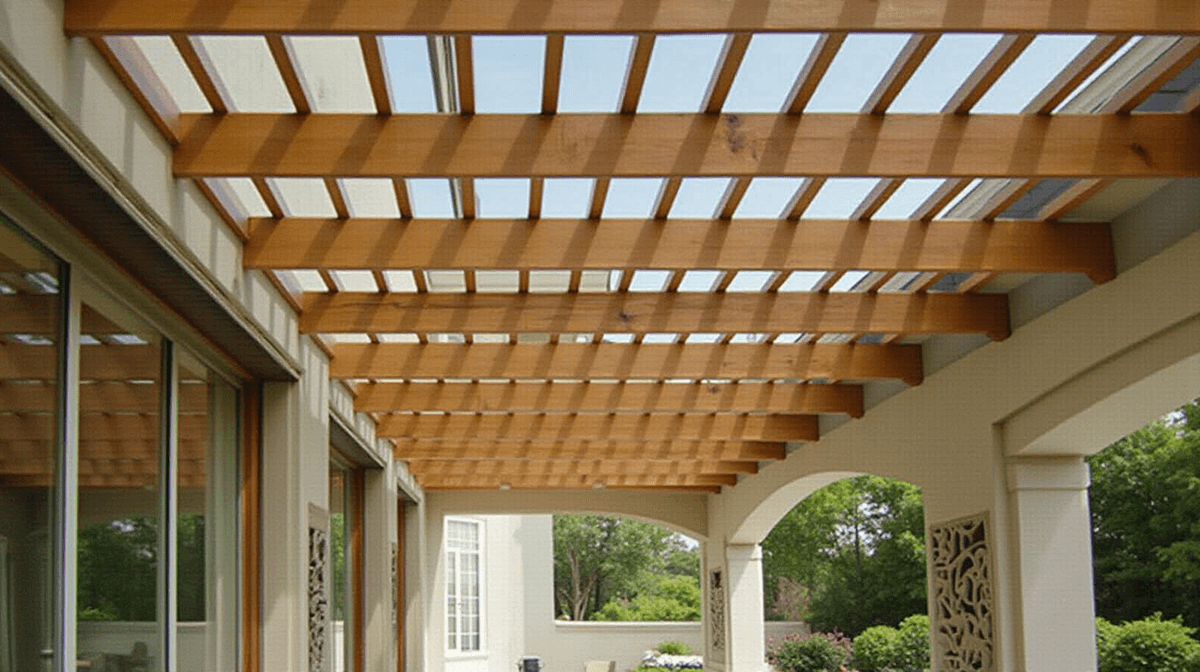
In many cases, the most important "plant" in your yard might actually be an architectural one. If you find yourself constantly moving chairs around because of the sun's position, it’s a sign that you need more structure. A pergola or even just a deep porch overhang can completely change how you experience a space.
I often tell people that if they are struggling with a west-facing spot becoming too hot to enjoy in July and August, a heavy timber pergola is the solution. It provides "dappled" light—that beautiful, flickering sunlight through slats or vines—which keeps the temperature down while still feeling like you're outdoors.
These structures also do something else: they define the ceiling of your outdoor room. A structure creates a sense of permanence and intention. When you have a roof over your head (even a partial one), it makes the space feel protected from the elements. In my experience, having even a simple overhead frame can make a small corner of a yard feel like a destination rather than just a place where some chairs happen to be parked.
A few things to remember when building out a garden 'room'
When you move from "just putting out a chair" to "creating a room," there are three practical details that often get overlooked but make the difference between a space that feels like a project and one that feels like an escape: drainage, path width, and comfort.
First, never place your seating on ground that stays soggy after a heavy rain. If you have to choose between it being slightly muddy or having a few pavers under the chair legs, go with the pavers. You don't want "mucky feet" syndrome as a standard part of your outdoor experience.
Second, think about how you get there. A path should be wide enough that you don't feel like you’re squeezing through a hedge to reach your seat. If it feels tight or awkward to walk into the space, you won't want to go there as often.
Finally, consider the "reach" of the area. You want things within arm's length—a small side table for a drink, perhaps a decorative basket for some extra blankets. These aren't just luxuries; they are what make a spot feel functional and intentional rather than something that was tacked on as an afterthought.
Quick reminder: Hardscaping is often more important than planting (for now)
If you find yourself overwhelmed by the sheer number of plants you "should" be putting in your garden, take a step back and look at the structure first. In many cases, the hardscape—the paths, the seating area, the pergola, and the defined borders—is what provides the immediate enjoyment.
A well-placed bench under a sturdy overhang with a few beautiful shrubs for framing is more rewarding than a massive, high-maintenance flower bed that you can't actually sit in because it’s too hot or blocked by overgrown foliage. Think of your plantings as the jewelry; they make the outfit look great, but the structure (the hardscape) is the suit itself.
Focus on making the "bones" of your sitting area work first. Get the location right based on the sun's path, ensure it drains well, and give yourself a clear way to get there. Once those elements are solid, you can add in the flowering perennials and seasonal annuals to fill in the gaps. It’s much easier to add more flowers later than it is to move a heavy bench or rebuild a walkway because the layout didn't work for your daily routine.
Your turn
Where do you spend most of your time in your yard? Share a picture of your favorite spot below! Did this help convince you to move that old lounge chair?
🌿 Get Seasonal Gardening Tips
New guides, planting reminders, and growing tips — straight to your inbox.
No spam. Unsubscribe anytime.
About the Author
David Rodgers is the Founder & Head Gardener of Planting Atlas. With over 40 years of hands-on gardening experience in Oklahoma's Zone 7 climate, he researches, writes, and personally tests every guide on the site.
David draws from real backyard trials, soil testing, and trusted sources like Oklahoma State University Extension and USDA data to deliver practical, zone-specific advice that actually works.
Read more about David and Planting Atlas →