Loading…
←Back to Newsletters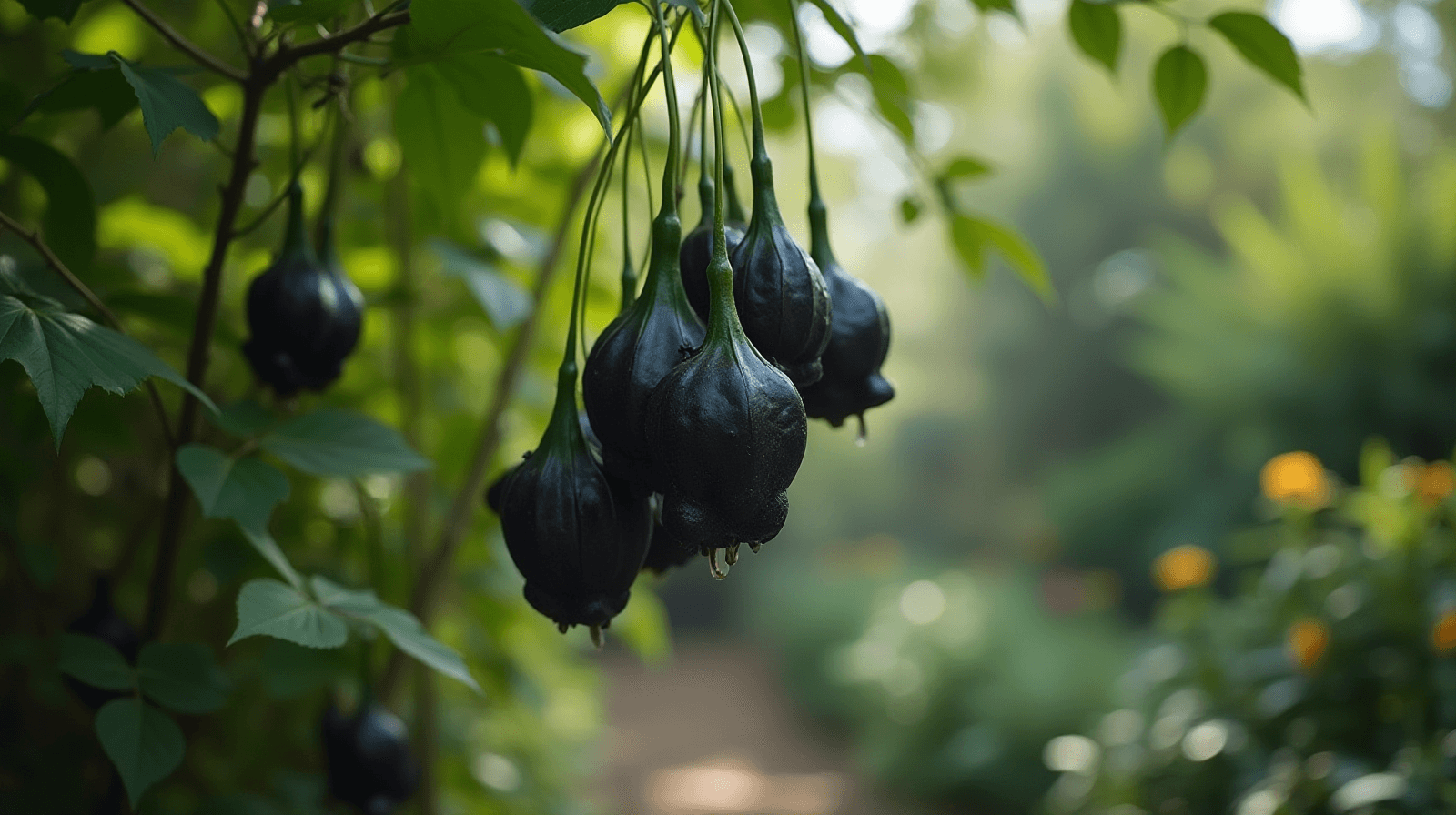
The Bat Flower: How to Keep This Gothic Beauty Alive
Written by David Rodgers — 2026-08-12
Cultivating the striking *Tacca chantrieri* for dramatic impact.
The newsletter for backyard growers tired of advice that ignores their actual climate.
specimen plantstropical gardeningcontainer gardensshade care
Is your yard ready for true drama?
If you are looking for a plant that sits quietly in the background and requires very little thought, the Bat Flower (Tacca chantrieri) is not your winner. But if what you want is a statement piece—something with an almost gothic, architectural presence that stops people in their tracks—this is one of the most striking options available. These aren't typical flowers; they have these unique, dark bracts that look like wings, and they provide a level of visual drama that standard garden perennials just can't match.
However, I want to be clear: this beauty comes with some demands. It isn’t a "set it and forget it" plant for the casual gardener who might overlook it during a dry spell or leave it in a spot where it has to fight its environment every day. In my experience, the Bat Flower doesn't have much patience for mistakes regarding light or moisture. You have to be prepared to create a specific niche for it. It’s a rewarding plant for the gardener who wants something special and is willing to learn the nuances of tropical care to keep those dramatic blooms showing up year after year.
Where to put them: Light and location are everything
The biggest mistake I see with these plants—and others like them—is putting them in "partial sun" that still includes harsh afternoon rays. For a Bat Flower, light is about more than just avoiding the sun; it’s about creating a consistent microclimate. They thrive in deep shade or very dappled, filtered light. Think of the understory of a forest: they want to be tucked away where the air stays a bit cooler and the ground remains consistently moist.
If you place them in a spot that gets even two hours of direct afternoon sun during the height of summer, the foliage will often turn crispy or scorched within days. You’re looking for "cool" shade—under a heavy canopy, against a north-facing wall with some overhead cover, or tucked into a corner where the humidity hangs a bit longer. If you can't find a spot that stays consistently cool and shaded throughout the day, it is much better to keep them in a container where you can move them as the seasons shift. They don't just need shade; they need protection from the drying effects of wind and intense heat.
The soil story: Drainage is non-negoti_gible
When we talk about "drainage," people often think it just means the pot doesn't sit in a puddle. For something with tropical roots like the Bat Flower, drainage actually refers to the texture and aeration of the soil. These plants hate "heavy" soil—the kind that feels like clay or stays muddy for days after a rain. In those conditions, the roots will literally suffocate and rot before they have a chance to establish themselves.
To give these a fighting chance, you need a mix that mimics the loose, organic-rich floor of a rainforest. I recommend a high-porosity blend:
- For containers: Use a potting mix blended with about 30% pine bark or perlite. This ensures that even when the soil is soaking wet from watering, there are air pockets for the roots to breathe.
- For garden beds: If your native soil is heavy clay (common in many regions), do not plant them directly into it without a significant barrier and amendment. You want "loose" and "friable."
If you can't get the soil right, the plant won't survive its first summer. It’s better to have a slightly leaner mix that drains perfectly than a nutrient-dense heavy soil that holds water like a sponge. They need their roots to stay moist but never "swimming" in stagnant mud.
Seasonal rhythm: The high maintenance routine
Because these are tropical beauties, they require a more hands-on approach than your average perennial. They don't have the same resilience against inconsistent conditions as something like a hosta or a fern. You need to be consistent with their "rhythm" of care to keep them from becoming stressed and dropping their blooms prematurely.
| Season | Watering & Humidity | Feeding & Maintenance |
|---|---|---|
| Spring/Summer | Keep soil consistently moist; misting helps in dry air. | Minimal fertilizer (liquid) every 4-6 weeks during peak growth. |
| Fall | Reduce watering slightly as temperatures begin to dip. | Stop fertilizing by late summer to allow the plant to harden off. |
| Winter (Zone 7+) | Keep soil lightly moist; protect from freezing temps. | Bring into a greenhouse or cold frame if frost is expected. |
One thing I’ve learned: consistency is better than quantity. It's much better to give them a deep soak every few days than a tiny splash of water every day. For fertilization, they don't need a lot; since they prefer organic-rich environments, a slow-release granular fertilizer in the spring followed by occasional light feeding is usually plenty. If you see the leaves drooping suddenly, it’s often a sign that either the soil has dried out too much or—less commonly—the roots are sitting in water for too long.
Thinking container or ground? Which is safer?
If you are new to growing Bat Flowers, I almost always recommend starting them in large containers rather than digging a hole in your yard. There are several practical reasons why this is the "safer" path for both the plant and your peace of mind.
First, control. In a container, you have total control over the soil composition. You can ensure it’s light, airy, and well-draining—something that is very hard to achieve in certain backyard soils without massive amounts of amendment. Second, mobility is key. If your yard has one "perfect" spot but an unexpected heatwave hits or a late frost lingers longer than expected, you can move the pot into the shade or under a porch with ease.
Planting them in the ground is a great long-term goal for when they are established and well-behaved, but it requires your site to be perfect from day one. If you do choose to put them in the ground, ensure they are tucked away in a "forever" spot where no construction or heavy foot traffic will disturb their root zones. For most home gardeners starting out with this species, the container offers the best way to enjoy those dramatic blooms while managing the specific needs of a tropical plant in a non-tropical environment.
Your turn
What's the most unusual plant you've ever grown? Let me know below! Share this with a friend who needs some serious garden inspiration.
🌿 Get Seasonal Gardening Tips
New guides, planting reminders, and growing tips — straight to your inbox.
No spam. Unsubscribe anytime.
About the Author
David Rodgers is the Founder & Head Gardener of Planting Atlas. With over 40 years of hands-on gardening experience in Oklahoma's Zone 7 climate, he researches, writes, and personally tests every guide on the site.
David draws from real backyard trials, soil testing, and trusted sources like Oklahoma State University Extension and USDA data to deliver practical, zone-specific advice that actually works.
Read more about David and Planting Atlas →