Loading…
←Back to Newsletters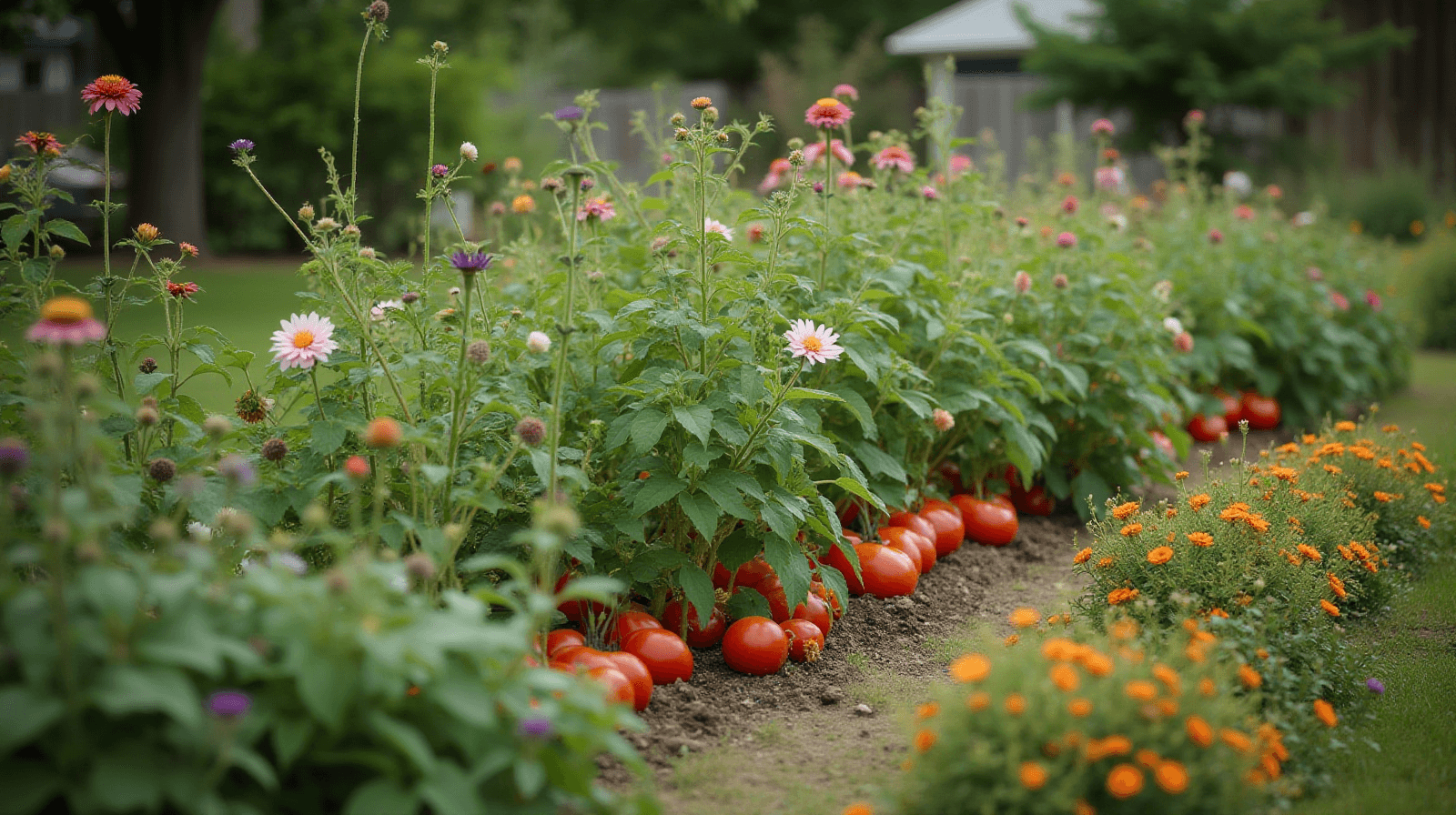
The Art of Weaving Flowers and Veggies Together
Written by David Rodgers — 2026-09-24
How to design a dense, productive space that looks good all season.
The newsletter for backyard growers who'd rather learn from a mistake made 40 years ago than repeat it themselves.
design principlesedible landscapingcompanion plantingintensive gardening
Stop thinking of edibles and ornamentals as separate rooms
For a long time, I fell into the trap of mental zoning. I thought my garden had to be divided: one area was for "the vegetables" (where things were practical) and another was for "the flowers" (where things were pretty). This usually resulted in two very different-looking spaces—one that looked like a productive but somewhat industrial farm plot, and another that felt like a curated display.
The problem with this separation is that it creates "dead space." In the middle of July, when your peppers are still hanging on but you’ve already pulled your peas, those empty gaps in the rows become prime real territory for weeds to move in. When we stop thinking of them as separate rooms and start seeing them as one cohesive landscape, the garden becomes much easier to manage.
Mixing flowers into your vegetable beds isn't just about aesthetics; it’s a functional way to fill those awkward gaps. A dense planting of zinnias or marigolds between your tomato plants doesn't just look nice—it shades the soil, keeps the ground cooler, and makes it harder for weeds to take hold. When you weave them together, the garden feels "full" all season long, rather than looking like a construction site where some parts are finished and others aren't.
The first place you should start looking for help is in your soil
If you want both heavy-feeding vegetables and high-performing flowers to thrive in the same space, you have to stop trying to "fix" the plants and start fixing the ground they sit in. I’ve learned that a lot of what we think are plant problems—wilting from heat or stunted growth—are actually just symptoms of exhausted soil.
When you mix crops and flowers, you are creating a high-demand zone. A tomato plant is hungry for nutrients, but so is a flowering perennial like an Echinacea. If your soil is thin or lacks organic matter, both will struggle to stay vibrant. Instead of reaching for specific fertilizers every time a leaf turns yellow, focus on building a resilient foundation with compost and well-rotted manure.
Good soil acts as a buffer. In the intense heat of a Zone 7 summer, rich, organic-heavy soil holds moisture longer than sandy dirt ever could. When your soil is healthy, it provides a steady "slow release" of nutrients that supports both the heavy feeders (the veggies) and the long-term residents (the perennials). If you want to weave these two worlds together, start by getting the ground underfoot right first. It’s the only way to ensure they don't end up competing for resources just to survive the summer heat.
A few rules for weaving things together that actually work
When I started mixing my plantings, I realized it wasn't random; there were a few practical rules that made the difference between a beautiful garden and a tangled mess. If you want this to work in your own backyard without becoming a headache, keep these three principles in mind:
Use vertical space to your advantage
You don’t have much horizontal room in many backyards. By using trellises or cattle panels for climbing beans or peas, you can tuck flowers underneath them. The taller plants provide some dappled shade and structure, while the lower-growing flowers fill out the "floor" of the garden. This keeps everything from feeling like it's competing for the same patch of ground.
Focus on density to crowd out weeds
One reason I love mixing flowers into food crops is that it creates a living mulch. In my experience, any gap in your soil is an invitation for crabgrass or other weeds to move in. By planting something "pretty" right next to your peppers or squash, you fill those gaps. A dense planting of sweet alyssum or marigolds acts as a physical barrier against weeds and keeps the moisture in the ground longer than bare mulch does.
Manage root competition by grouping
While we want them together, not every plant wants to share the exact same "dinner plate." I recommend grouping plants with similar needs together within your mixed bed. For example, keep your thirstier-hungry crops like tomatoes and squash closer together in a spot that stays moist, and place hardier, drought-tolerant flowers on the edges or in drier spots. This ensures that neither group is being neglected while the other takes all the resources.
When to plant the flowers versus when to let them grow with your crops
Timing is often where gardeners get tripped up because they assume every "garden" follows the same clock. In reality, some of our favorite companion plants are annuals that need to be in the ground early, while others might have different requirements based on their growth habits.
When you're planning a mixed bed, it helps to think about what is staying and what is going. For example, many of my favorite "filler" flowers like zinnias or cosmos can be tucked into your vegetable rows as soon as the danger of frost has passed (usually late April or early May for Zone 7). These are hardy enough to handle the transition from spring growth to summer heat alongside your peppers and squash.
However, some plants shouldn't be started in pots and moved—they need to establish their roots in the ground before things get hot. For those types of flowers, you want them in as early as possible. I find it works best to think about "layers" of time: what stays all summer versus what is a quick burst of color.
| Plant Type | Examples for Mixed Beds | Typical Planting Window (Zone 7) | Purpose in the Garden |
|---|---|---|---|
| Annuals | Marigolds, Zinnias, Nasturtiums | Late April - May | Fill gaps, deter pests, provide constant color. |
| Summer Squash/Cucurbits | Zucchini, Summer Squash | May - June (after frost) | Main food crop; needs space and warmth. |
| Pole Beans | Runner beans, Kentucky witcher | May - June | Vertical growth; provides "structure." |
| Perennial Herbs | Oregano, Lavender | Early Spring / Fall | Permanent border; hardy and aromatic. |
Quick fixes and companion plants that help both food and beauty
Sometimes you just need a few reliable winners to get the job done. These are my go-to pairings when I want to ensure the "food" part of the garden is protected while the "pretty" part stays vibrant.
Nasturtiums with Beans
I can't recommend nasturtiums enough for any gardener who wants to simplify things. They are incredibly hardy and grow vigorously in Zone 7. When you plant them near your climbing beans, they act as a "trap crop." Many pests that might otherwise go after your bean leaves will find the nasturtiums much more appealing. Plus, their bright orange and yellow blooms add a massive pop of color to what can sometimes be a very green-looking row.
Marigolds near Tomatoes
This is a classic for a reason. Marigolds are tough as nails and have deep roots that help them stay put in the summer heat. Planting them around your tomato plants helps deter certain pests, like nematodes, while also providing a low-growing carpet of color at the base of the taller tomato plants. They thrive in the same full-sun conditions that tomatoes love.
Borage for Pollinators
If you want to see more bees and hummingbirds in your yard, tuck some borage into your mixed beds. It has beautiful blue flowers and a unique, cucumber-like taste. It’s hardy enough to be left alone but produces so much nectar that it draws pollinators toward the entire area, which helps with the pollination of your fruit crops as well.
Sweet Alyssum for Ground Cover
If you have small gaps between your main plantings or around the base of a trellis, sweet alyssum is an easy win. It creates a low-growing mat of tiny white flowers that smells wonderful and keeps the soil cool. It doesn't need much space but does a great job of making a "messy" garden bed look intentional and finished.
Your turn
What are you trying to weave together in your yard this season? Share a photo or description below! A friend who needs help maximizing their space will love reading this.
🌿 Get Seasonal Gardening Tips
New guides, planting reminders, and growing tips — straight to your inbox.
No spam. Unsubscribe anytime.
About the Author
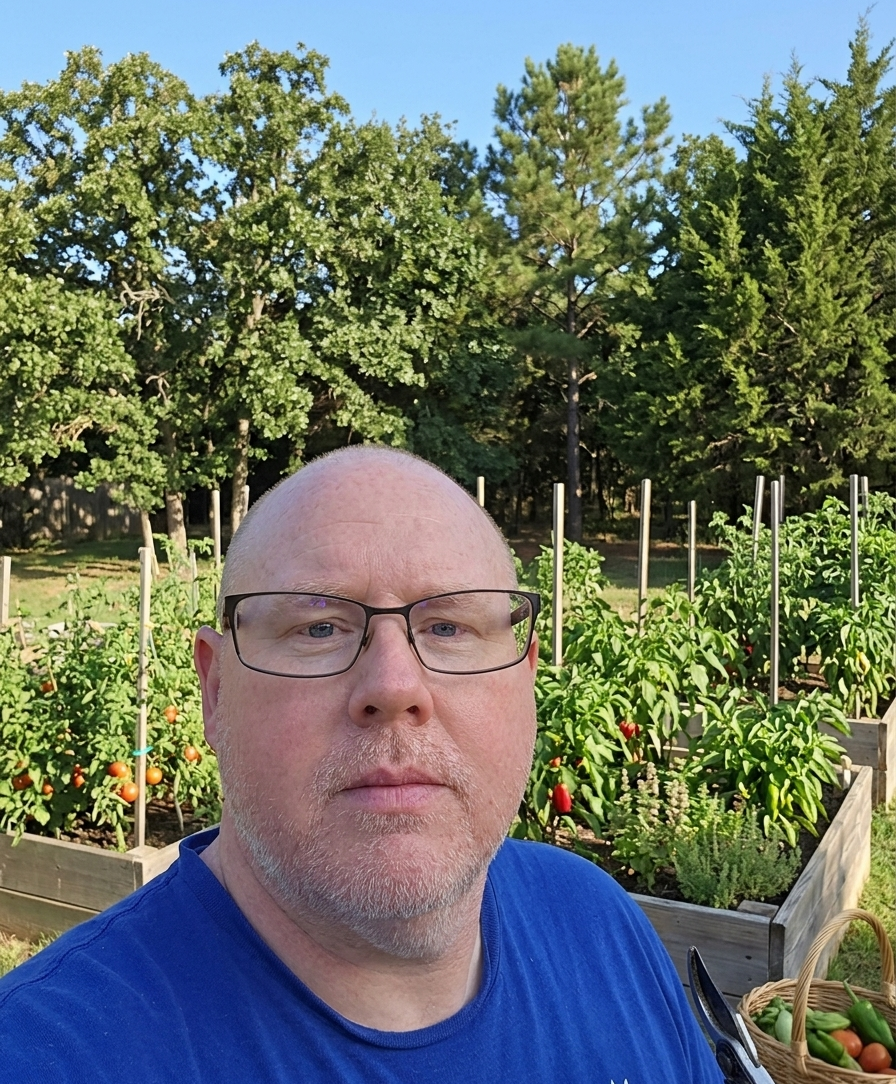
David Rodgers is the Founder & Head Gardener of Planting Atlas. With over 40 years of hands-on gardening experience in Oklahoma's Zone 7 climate, he researches, writes, and personally tests every guide on the site.
David draws from real backyard trials, soil testing, and trusted sources like Oklahoma State University Extension and USDA data to deliver practical, zone-specific advice that actually works.
Read more about David and Planting Atlas →