Loading…
←Back to Newsletters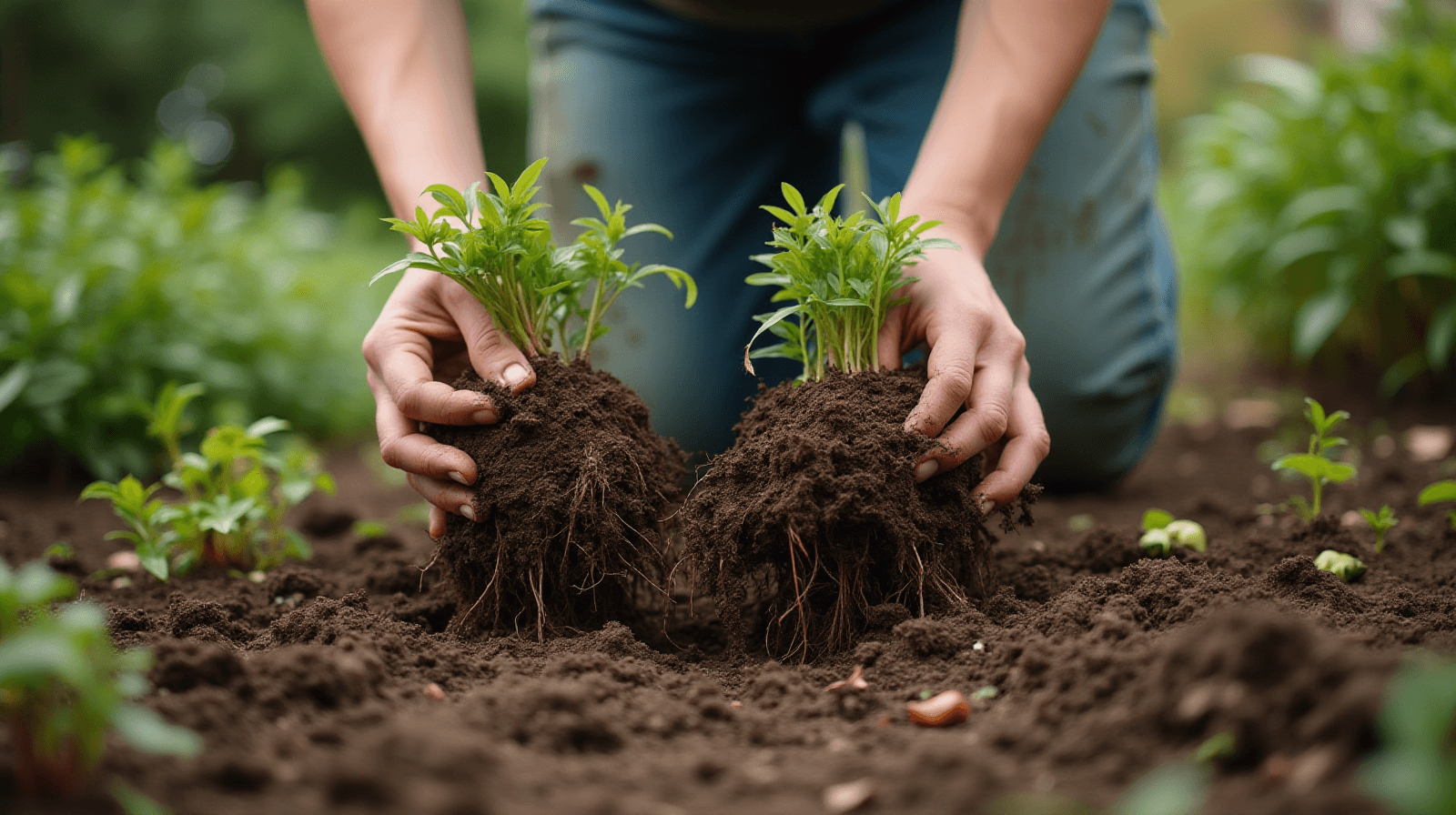

The Art of Division: How to Multiply Favorite Perennials This Fall
Written by David Rodgers — 2026-10-15
Stop buying new plants and learn how to clone your successful favorites right in the yard.
The newsletter for gardeners who'd rather learn from a mistake made 40 years ago than repeat it themselves.
Perennial CarePropagationFall GardeningZone Specific
Why we bother dividing
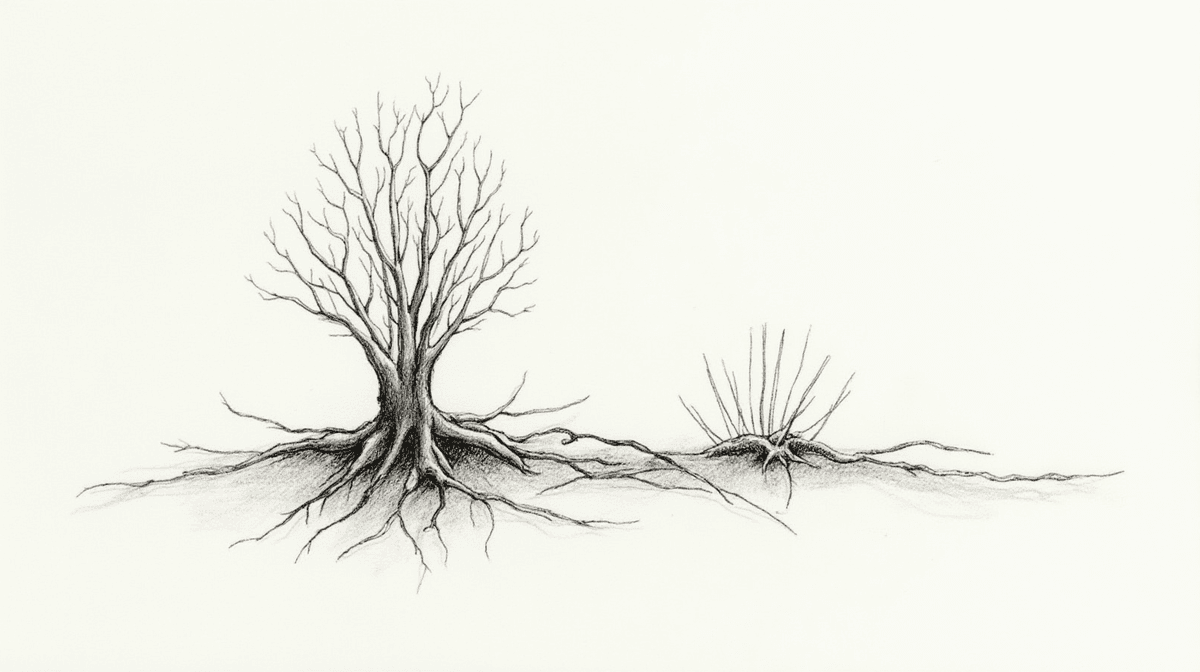
If you’ve ever noticed a perennial in your yard—maybe a Hosta or a Daylily—that looks like it’s struggling, growing shorter every year, or producing smaller blooms than it used to, it might not be "dying." More often than not, the plant is just tired. After several years, these perennials grow dense, intertwined root systems that eventually become overcrowded. They start competing with themselves for nutrients and moisture, which leads to a state of stress.
When we talk about division, we aren't just talking about making more plants so you can fill up an empty corner of the garden; it’s about rejuvenation. By physically dividing the clump into smaller pieces, we are giving each "offshoot" its own territory and fresh soil contact. It’s like moving a crowded apartment into a bigger house—it gives the plant room to breathe. When you divide a mature, overgrown clump, you're essentially hitting the reset button on its growth cycle. You’ll often find that the following spring, these "new" divisions will put out much more vigorous foliage and larger flowers because they aren't fighting their neighbors for resources anymore.
Timing is everything: When (and when not) to dig up your roots
In my experience, timing determines whether a division succeeds or becomes a chore you regret by next spring. The goal is to catch the plants during their period of dormancy—the "sleep" phase where they aren't putting energy into leaves or flowers and are focusing on root maintenance.
For most perennials in our neck of the woods (and across many other regions), this window opens in late summer and stays open through the fall until the first hard frost hits. You want to aim for that sweet spot right before or during the initial frosts. Why then? Because it gives you a buffer. If you divide too early in the spring, the plant has to spend its precious energy trying to heal those cut roots while simultaneously pushing out new growth; it’s exhausting for the plant and often leads to failure. Conversely, if you wait until late winter or try to dig into frozen ground, you'll likely damage the root structure beyond repair. You want them in the ground and settled before the deep freeze sets in, giving them a few weeks of cool-weather "rest" to knit those roots back together before they go into their long winter sleep.
The biggest mistake: Why you might accidentally kill your divisions (and how to spot it)
I’ve seen many neighbors get frustrated because their newly divided clumps just withered away over the winter. Usually, this comes down to two specific mistakes that are easy to avoid if you know what to look for.
The first is trying to divide when the ground is too wet. If the soil is muddy or saturated from a heavy rain, your shovel won't cut through the roots; it will mash them into "mush." Think of it like cutting skin—you want a clean slice, not a jagged tear or a crushed edge. A mangled root can’t heal properly and becomes an entry point for rot. The second mistake is leaving the divisions exposed. Once you pull those clumps out of the ground, they are vulnerable. If you dig them up but don't get them back into their "beds" quickly, or if you leave them in a pile where the sun can bake them or the wind can dry them out, they will fail. You want to move from "digging" to "planting" as fast as possible so the root zone stays stable and protected while it begins its healing process.
Zone-specific timing: Making sure the ground is ready for division
While many perennials are hardy enough to survive a few mistakes, extreme environments require more careful planning. A jump in temperature can mean a significant difference in how much time you have before the "danger zone" of deep winter hits. For example, someone in a Zone 5 region needs to be finished with their digging much earlier than someone in Oklahoma (Zone 7), as our first hard freeze often comes sooner and is followed by more volatile temperature swings.
The goal across all zones is to ensure the ground isn't frozen when you dig, but that the plant has enough time before a deep freeze to begin its "healing" phase. In warmer zones, your main concern might be ensuring they are settled well enough to survive a sudden late-summer dry spell after being disturbed.
| USDA Zone | Typical Division Window | Key Consideration |
|---|---|---|
| Zone 5 | Late August - Early October | Must finish before early frost; avoid "late" fall work if autumn is short. |
| Zone 7 | September - November | Ideal for Oklahoma's cooling cycle; ensures settling before deep winter. |
| Zone 9 | October - December | Longer window, but must be careful of late-season heat/drought issues. |
Step-by-step: How to physically divide the big players
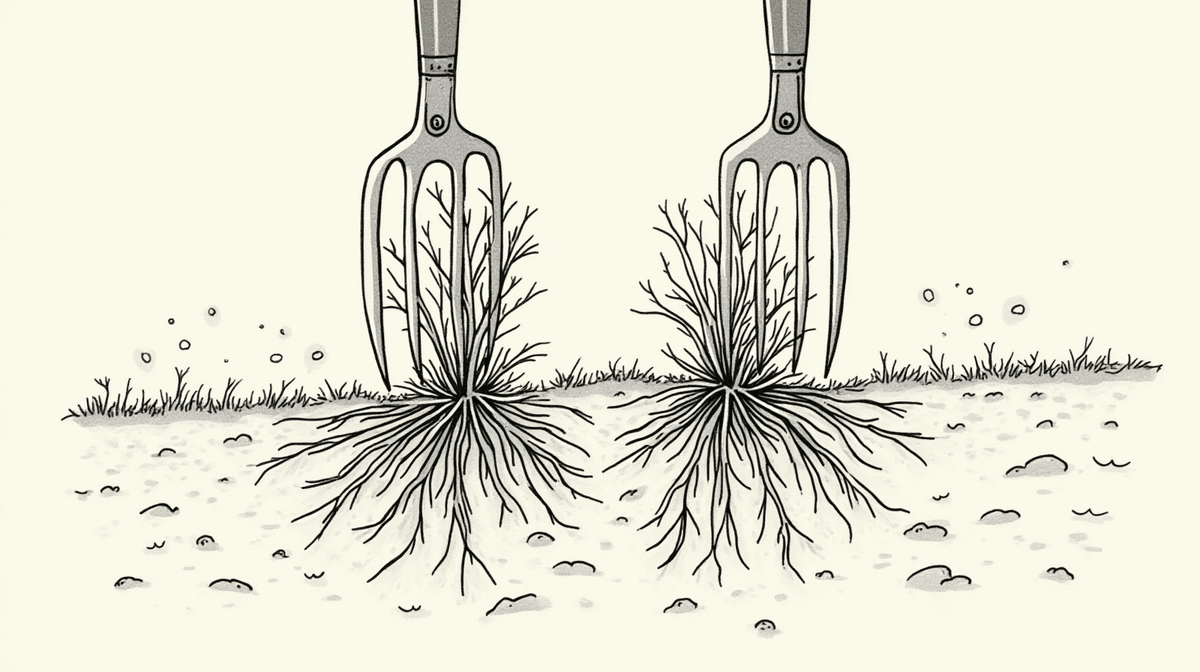
When you head out into the yard with your tools, I recommend using a heavy garden fork or a sharp spade rather than just grabbing at the dirt. You want to get beneath the "crown"—the part of the plant where the stems meet the roots.
- Hostas: These are some of the easiest and most rewarding to divide. Use your shovel to lift a large section, then use a garden fork to break the root mass into manageable chunks. Each piece should have at least a few healthy-looking "starts" (where new leaves will emerge).
- Peonies: Be more careful here. Peonies have thick, woody roots. You want to keep the main crown intact while splitting the sideerite growth. Don't try to "hack" them; take your time to ensure you aren't slicing into the main structural root of the plant.
- Irises: These are often grown in clumps that become very dense. When dividing, look for distinct "mounds." You want each new division to have its own clear crown so it can establish a defined shape next spring.
In all cases, keep your cuts clean. If you’re using a spade, make sure the edge is sharp enough to slice through roots rather than crushing them against the side of the blade. Once you have your pieces separated, move them immediately to their new homes.
Your turn
What's one perennial in your yard that always seems to multiply? Share a tip below! If this guide saved you a trip to the nursery, share it with another backyard grower who needs to stop guessing.
🌿 Get Seasonal Gardening Tips
New guides, planting reminders, and growing tips — straight to your inbox.
No spam. Unsubscribe anytime.
About the Author
David Rodgers is the Founder & Head Gardener of Planting Atlas. With over 40 years of hands-on gardening experience in Oklahoma's Zone 7 climate, he researches, writes, and personally tests every guide on the site.
David draws from real backyard trials, soil testing, and trusted sources like Oklahoma State University Extension and USDA data to deliver practical, zone-specific advice that actually works.
Read more about David and Planting Atlas →