Loading…
←Back to Newsletters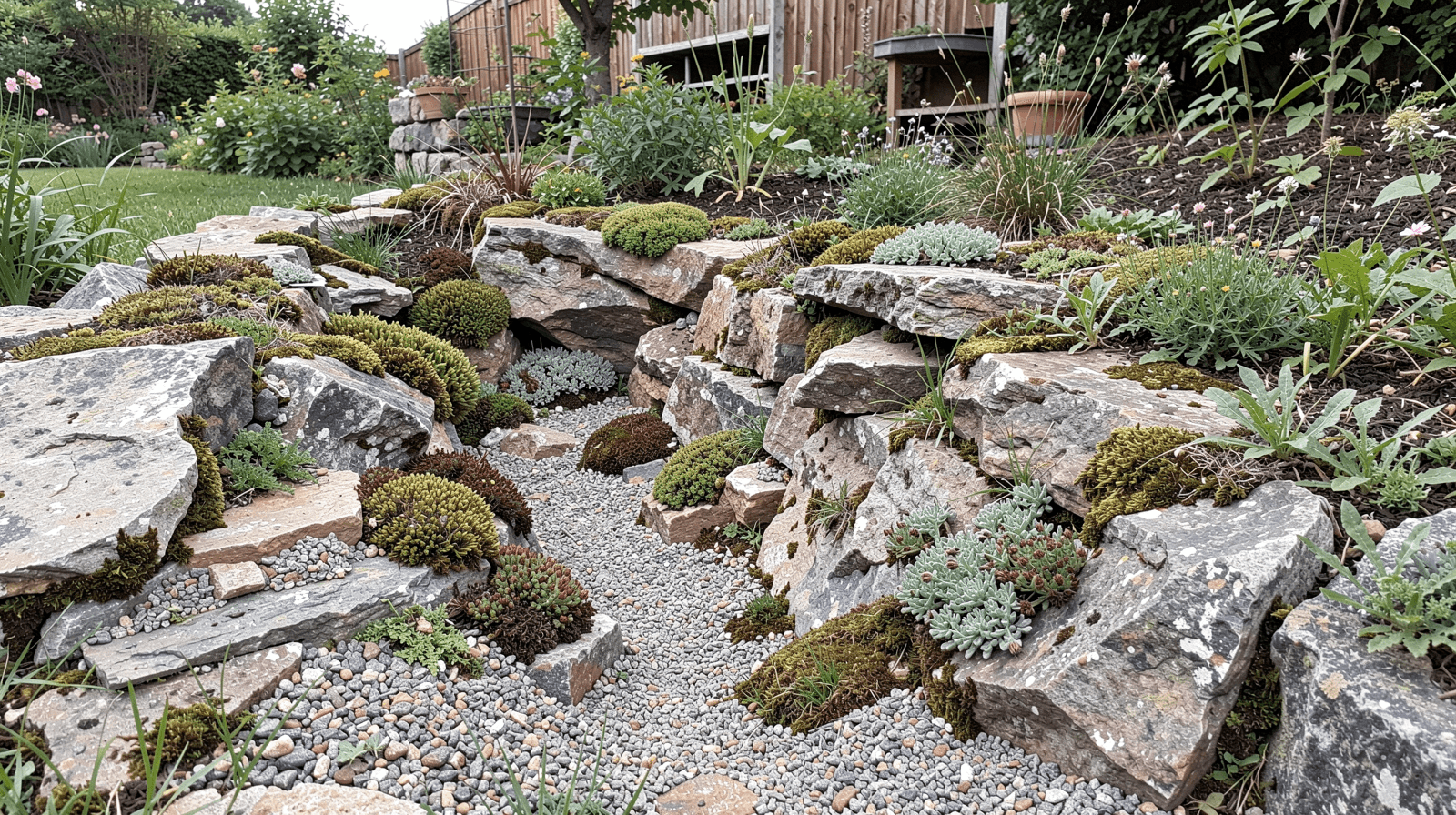
The Art of Crevice Gardening: Building Alpine Ecosystems in Your Backyard
Written by David Rodgers — 2026-11-02
A guide to specialized planting that requires thinking like a rock formation, not a raised bed.
The newsletter for backyard growers who'd rather learn from a mistake made 40 years ago than repeat it themselves.
hardscapingalpine plantsrock gardenslandscape design
Why are we talking about crevice gardens at all?
Most people think gardening is just about making things grow in dirt—and usually, that’s true. If you want a big tomato plant or a lush rose bush, you need rich soil and plenty of water. But there is another side to the garden where "dirt" isn't the hero; drainage and architecture are. This is what we call crevice gardening.
I like to think of it as building miniature mountain faces in your own backyard. It’s a completely different mindset than standard container gardening or even traditional raised beds. In a normal bed, you want moisture to hang around for a while. In a crevice garden, the goal is for water to move through as quickly as possible. We are creating microclimates—tiny pockets of environment where specialized plants can thrive in conditions that would kill off your standard petunias or marigolds. It’s about finding those "in-between" spaces: the gaps between rocks, the edges of stone walls, and the dry slopes of a backyard hill. By thinking like a rock formation rather than a farm plot, you open up a world of hardy, unique plants that rarely get their time in the spotlight.
Getting the soil right: It's not compost.
If you walk into any local garden center and ask for "alpine mix," they might give you something that looks like standard potting soil with some extra grit added. For crevice gardening, that is often a recipe for disaster. The biggest rule I’ve learned over 40 years of trial and error is this: if it holds onto moisture too long, your alpine plants will rot in the ground within weeks.
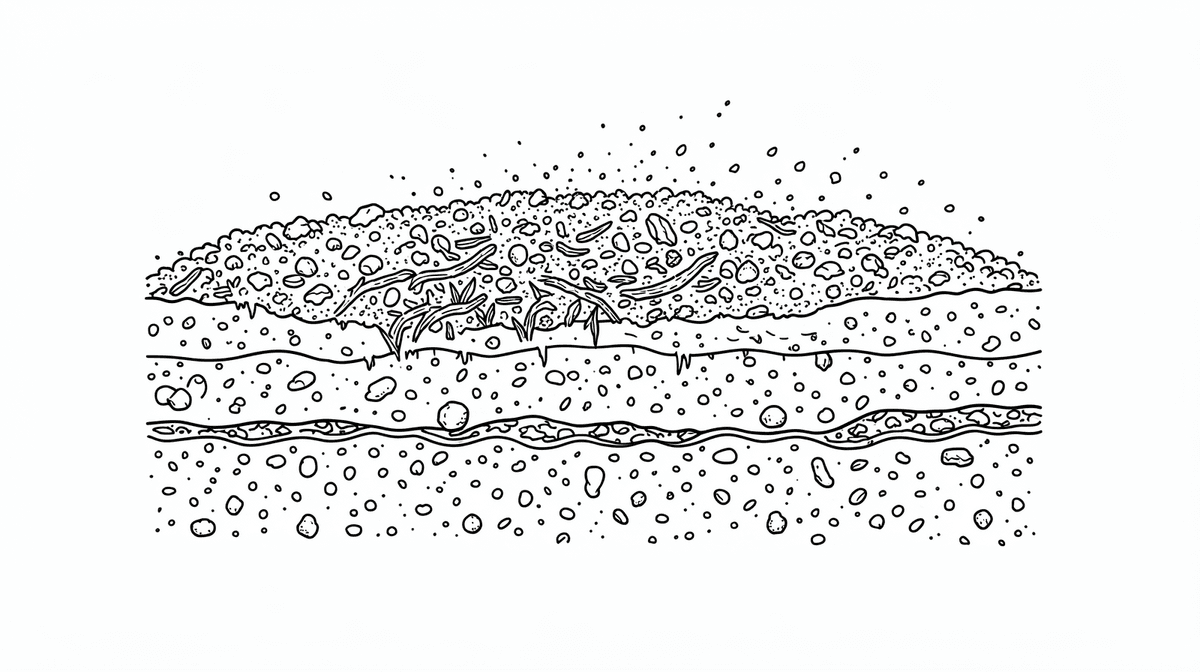
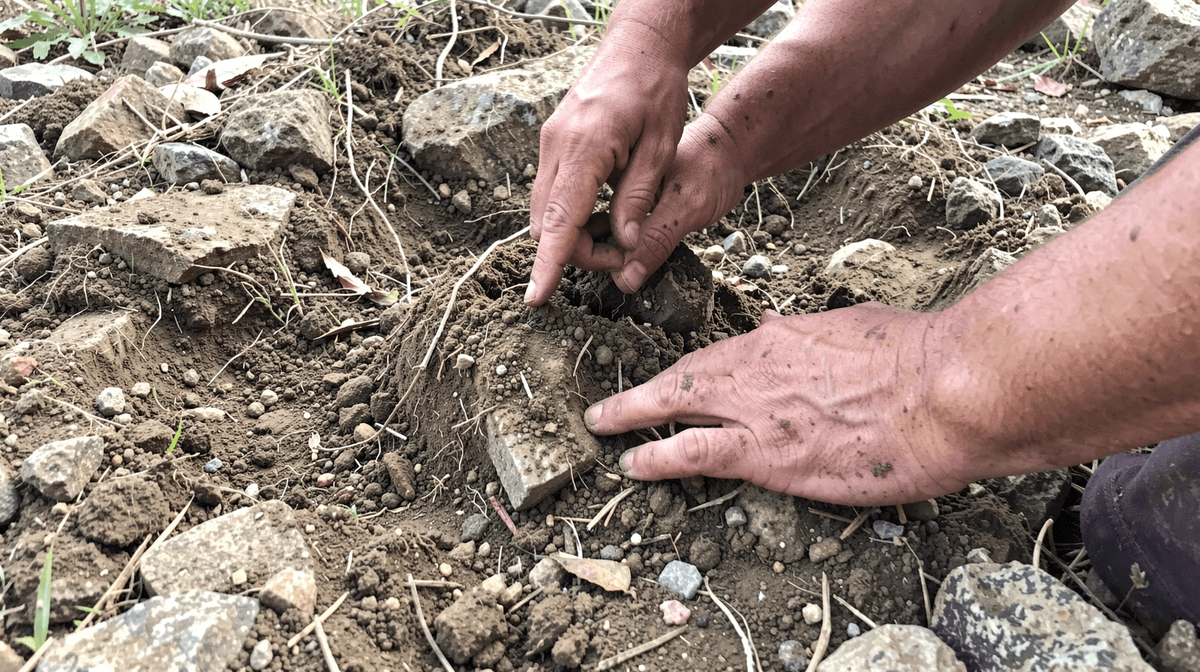
You aren't looking for "rich" soil here; you are looking for mineral content. You want a mixture that mimics the rocky scree of a mountainside. This means heavy on the gravel fines and rock dust. We’re talking about materials that provide structure but have almost zero organic matter compared to your vegetable patch.
Common Soil Comparison
| Component | Standard Garden Bed | Crevice/Alpine Mix | Why it matters |
|---|---|---|---|
| Organic Matter | High (Compost, Peat) | Very Low (<10%) | Prevents root rot in alpine species. |
| Drainage Material | Perlite or small amounts of sand | Gravel fines, crushed stone | Ensures water moves through instantly. |
| Mineral Content | Moderate | High (Rock dust/grit) | Provides the "teeth" for plant stability. |
| Moisture Retention | High | Very Low | Mimics harsh mountain environments. |
The biggest mistake people make when building a micro-ecosystem
I see this all the time, and I’ve made the mistake myself more than once: over-enrichment. It is our natural instinct as gardeners to want to "feed" our plants with high-quality compost and rich topsoil. But in an alpine crevice setup, that extra organic matter is a death sentence. When you pack heavy compost into a rock gap, it holds onto water like a sponge. In the heat of an Oklahoma summer or during a heavy spring rain, those roots stay soggy until they turn to mush.
Another common failure mode is poor structural support—the "washout." If you just put plants in a pile of rocks without a solid base, the first big storm will simply move your garden three feet down the hill. I learned this the hard way when I tried to build a decorative rock feature on a slight slope; without proper anchoring and layering, my entire "alpine" display ended up at the bottom of the yard in one afternoon. You have to build for stability as much as you build for aesthetics.
Building it up: A step-by-step guide to creating a berm
When you’re building these habitats, you need to think like an engineer first and a gardener second. You aren't just "planting" something; you are constructing a structure that will hold its shape for years. Here is how I approach the physical build:
- Clear and Level: Start by clearing the area of existing grass or weeds. If it’s on a slope, ensure you have a solid foundation so the weight of the rocks doesn't cause a sinkhole.
- The Base Layer: Lay down large "anchor" stones first—the ones that won't move easily. These provide the skeleton of your berm or rock wall.
- Gravel and Rock Dust: Fill the gaps between these anchor stones with gravel fines (small, crushed stone) and a heavy amount of rock dust. This is your primary growing medium. It should feel crunchy under your hand, not soft like dirt.
- The Crevices: Arrange smaller rocks to create "pockets." These are where the plants will actually live. You want enough space for the root ball but enough stone surrounding it to provide drainage and protection from wind.
- Planting: Nestle your plants into these pockets. Don't bury them deep; they need their crowns clear of excessive material so they don't rot.
What actually grows in these tiny homes?
Once you have the structure right, you have to be very picky about what goes inside it. You can’t just grab any plant from a nursery catalog and expect it to survive here. Because these environments are dry and fast-draining, you need "specialists"—plants that have evolved to live in cracks and rocky outcrops.
I focus on cushion plants and succulents that are adapted to poor soil. These are the hardy survivors of the plant world. They often have small, dense leaves or silvery coatings to reflect the sun and minimize water loss.
- Saxifrages: These are classic crevice dwellers. They love the "squeeze" between stones.
- Sedums (Alpine varieties): Look for those that stay low to the ground and form tight mats.
- Sempervivum (Hens and Chicks): While often used in containers, they thrive in these rocky niches when given enough sun.
- Dwarf Conifers: Certain slow-growing, needle-leafed varieties can be tucked into larger rock gaps for a bit of year-round structure.
Avoid anything that looks "lush" or requires daily watering. If it looks like it belongs in a tropical jungle or a moist woodland floor, it’s not the right candidate for your crevice garden.
Thinking beyond the perfect plot: Local climate considerations
Even though we are mimicking mountain environments, you still have to live in your own backyard's reality. In Oklahoma (Zone 7), our biggest challenges aren't just heat—it's how that heat interacts with drainage and local geology. If your yard has heavy clay soil underneath, it can act like a bowl; even if the top layer is gravel, the water might still pool at the bottom of your rock structure.
You have to watch out for runoff. Is there a gutter downspout nearby? A driveway that sheds water toward your new garden? If so, you need to build your berm higher or use larger anchor stones to prevent the "washout" I mentioned earlier. Also, remember that while we want fast drainage, we still don't want these plants to dry out completely during a three-day heatwave with no rain. You might find yourself needing to lightly mist the area occasionally in mid-July—not a deep soak, just enough to keep the "mountain" from turning into a desert.
The takeaway for this season:
Don't feel like you have to overhaul your entire backyard and build a massive rock wall tomorrow. Crevice gardening is about starting small and observing how different microclimates behave in your specific yard.
This week, I want you to go out and find one "forgotten" spot—maybe it’s the gap between two large stones near your porch, or a little corner of a slope that always seems too dry for flowers. Take some gravel fines and a few rocks from a local supply store (or even just some heavy-duty crushed stone) and plan out a tiny 2x2 foot alpine niche there. Don't overthink the materials yet; just start by building the "bones" of the structure. Once you see how that one little spot handles a rainstorm, you’ll have the confidence to build something bigger next season.
Your turn
Do you have a tricky patch of yard or an unusual feature in your garden? Tell me about it! Share this issue with another gardener who is tired of generic advice.
🌿 Get Seasonal Gardening Tips
New guides, planting reminders, and growing tips — straight to your inbox.
No spam. Unsubscribe anytime.
About the Author
David Rodgers is the Founder & Head Gardener of Planting Atlas. With over 40 years of hands-on gardening experience in Oklahoma's Zone 7 climate, he researches, writes, and personally tests every guide on the site.
David draws from real backyard trials, soil testing, and trusted sources like Oklahoma State University Extension and USDA data to deliver practical, zone-specific advice that actually works.
Read more about David and Planting Atlas →