Loading…
←Back to Newsletters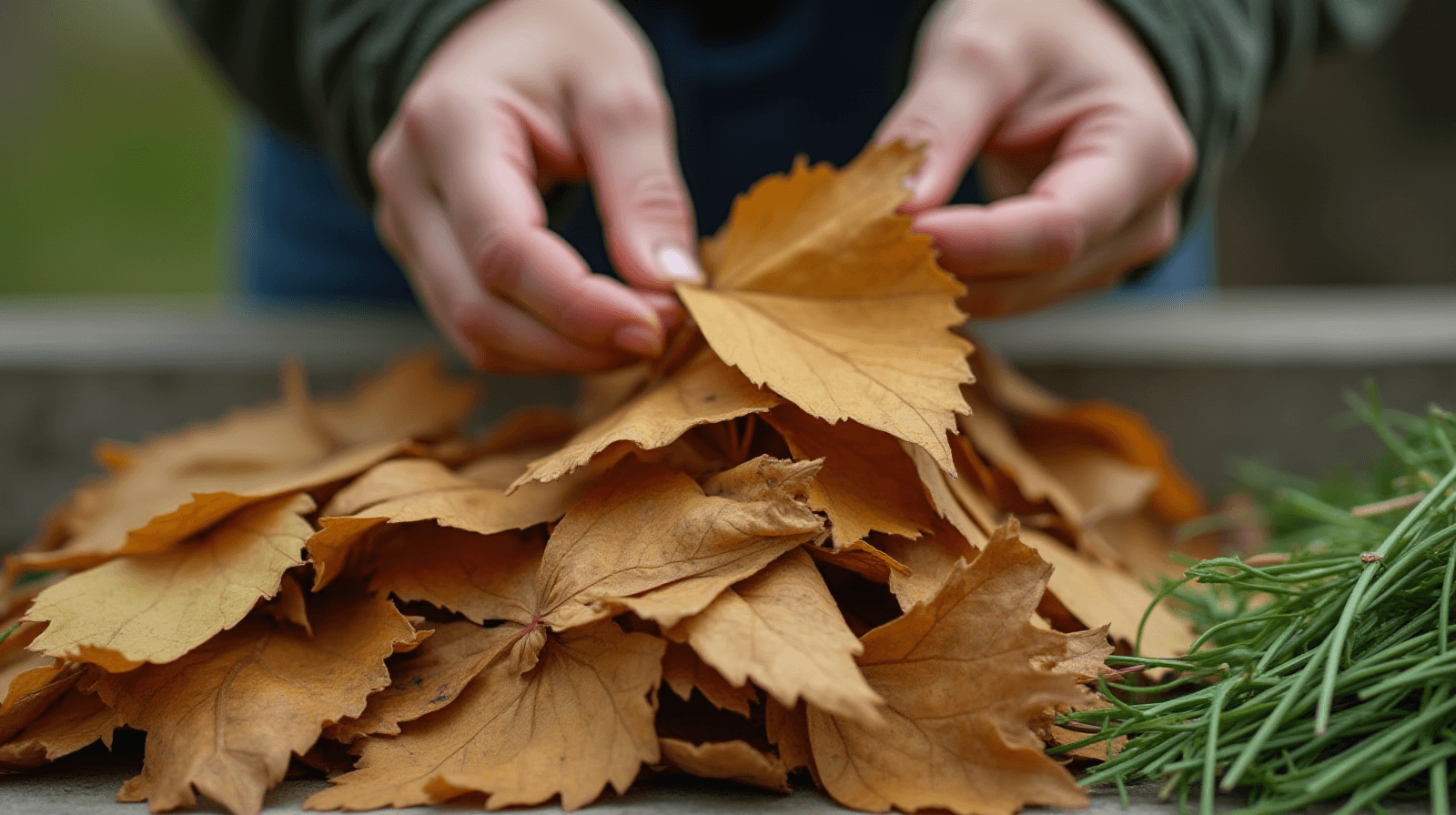

The Art of Composting with Autumn Leaves and Garden Scraps
Written by David Rodgers — 2026-09-22
How to turn leaves and kitchen scraps into perfect soil amendments for your backyard plot.
The newsletter for gardeners who'd rather learn from a mistake made 40 years ago than repeat it themselves.
CompostingMulchAutumn CareSoil Health
The problem with just piling up leaves and scraps
One of the most common mistakes I see in backyard gardens—and one I made more times than I’d like to admit in my early years—is treating a compost pile like a trash heap. It’s tempting to just grab every scrap from the kitchen, every handful of grass clippings, and every fallen leaf, toss them into a corner of the yard, and assume that "nature" will take over and turn it into black gold.
The reality is that if you don't manage the balance between what we call 'browns' and 'greens,' your pile won't become soil; it’ll just rot in place. If you have too many greens (nitrogen), the pile becomes a soggy, stinky mess that attracts flies and neighbors will complain about the smell of ammonia or rotten eggs. On the flip side, if you only have browns (carbon), nothing happens. The leaves will just sit there, dry and unchanged, for months because there isn't enough "fuel" to get the microbial activity moving. To get a pile that actually breaks down into usable soil, you have to think about it as a balanced recipe. You aren't just dumping waste; you are feeding a living system of bacteria and fungi. If they don't have the right balance of food and air, they can’t do their job for you.
What are Browns, what are Greens?
To keep things simple, think of "Browns" as the carbon source and "Greens" as the nitrogen source. You need a mix of both to create a healthy environment where decomposition happens quickly and cleanly.
Browns (Carbon) provide the energy for the microbes. These materials are usually dry, woody, or "dead." In your backyard, these include:
- Dried autumn leaves (the backbone of most home systems)
- Straw or hay
- Wood chips or small twigs
- Cardboard or shredded paper
- Dried stalks from spent summer crops
Greens (Nitrogen) provide the protein and moisture that help those microbes multiply. These are typically "living" or recently living materials. In your garden, these include:
- Fresh grass clippings
- Kitchen scraps (fruit peels, vegetable ends)
- Coffee grounds (these are a powerhouse for nitrogen)
- Fresh weeds (before they go to seed)
| Material Type | Examples | Primary Function | Common "Fail" State |
|---|---|---|---|
| Browns | Leaves, Straw, Wood Chips | Provides carbon/energy; adds structure. | Pile stays dry and doesn't break down. |
| Greens | Grass, Scraps, Manure | Provides nitrogen; fuels microbial growth. | Pile becomes slimy or smells like sewage. |
A good rule of thumb for a backyard pile is to aim for roughly three parts brown material for every one part green material by volume.
Building your compost pile: Layer by layer
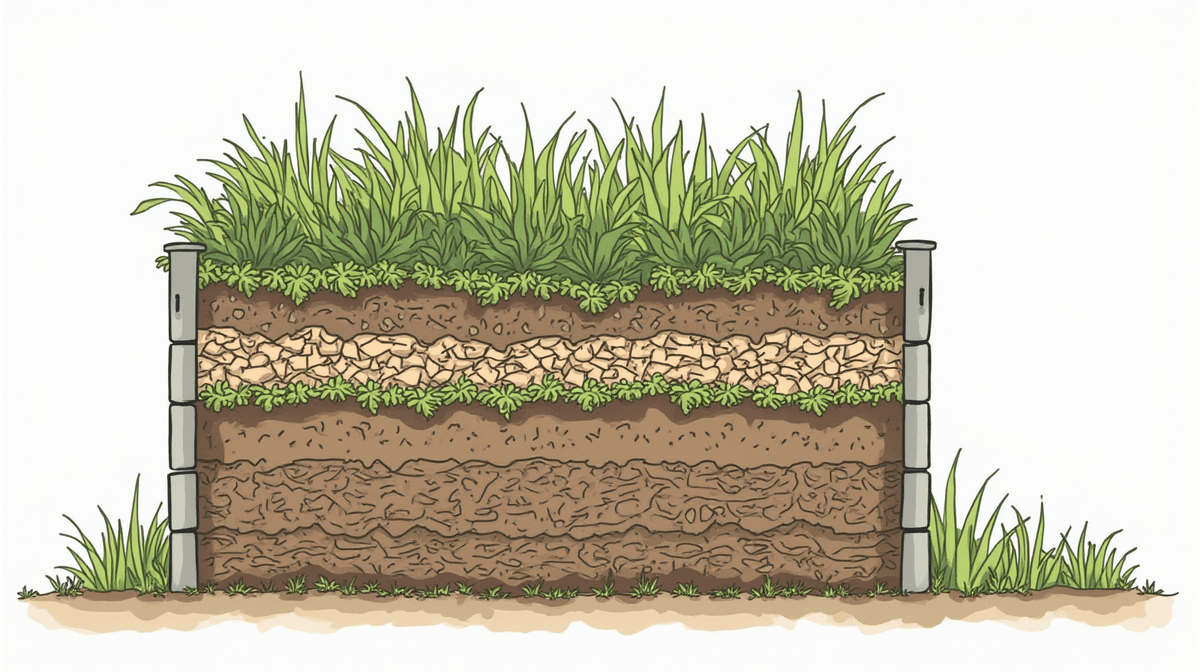
If you want a pile that actually works, the way you build it matters just as much as what you put in it. Instead of mixing everything into a homogenous mess before it hits the pile, try building it in layers—almost like a lasagna. This helps ensure air can move through the material while maintaining enough moisture to keep things active.
Start by laying down a 6-to-12-inch base layer of "heavy" browns, like wood chips or small branches. This acts as a foundation and helps with drainage. Next, add a thick layer of your primary brown material—your fallen leaves or straw. On top of that, add a layer of your greens (grass clippings or kitchen scraps).
Once you’ve added both types, you need to "tuck" them together slightly so they aren't just sitting on top of each other. A pile should ideally be at least 3 feet wide and 3 feet tall; if it's too small, it won't hold enough internal heat to speed up the process. Every few weeks—or whenever you notice the center feels dry or the outside is getting a bit sluggish—you need to turn the pile with a pitchfork. Turning isn't just about "mixing"; it’s about introducing oxygen. Just like us, those microbes need air to breathe. When you turn the pile, you break up clumps and expose fresh surfaces for decomposition.
Mulching with leaves: Doing it right, not just covering up
There is a big difference between using leaves as compost (where they are broken down into soil) and using them as mulch (where they stay intact to protect the soil). Many people make the mistake of throwing wet, heavy autumn leaves directly onto their garden beds in late October or November.
In my experience, if you just dump raw, wet leaves on your plants, they will mat together into a soggy "mat" that prevents water from reaching the soil and can even harbor certain typess of mold. To do this right, try one of these two methods:
- The Shred Method: Run your mower over your pile of fallen leaves before spreading them. This breaks up the structure so they don't mat together as easily.
- The Dry-Down: Let your leaves dry out completely on the lawn for a few days before moving them into the garden beds.
When you apply leaf mulch, aim for a layer about 3 to 4 inches deep. This is thick enough to suppress weeds and keep moisture in the soil during our hot Oklahoma summers, but thin enough that it won't become an anaerobic mess. In Zone 7, getting this down before the first hard frost of November is key. It gives the earth a blanket for the winter while slowly breaking down into organic matter over the following spring.
Troubleshooting common pile issues (Smell, mold, heat)
Even with a good plan, things won't always go perfectly. However, most "problems" with a compost pile are just signals that the chemistry is off. If you notice something is wrong, here is how to fix it:
The Pile Smells Like Rotting Eggs or Ammonia
This usually means you have too much "green" material and not enough oxygen. It’s often caused by heavy rains soaking the pile or adding a massive amount of fresh grass clippings at once. The Fix: Stop adding greens for a while. Add several shovelfuls of dry "browns" (straw, wood chips, or dry leaves) and turn the pile thoroughly with a pitchfork to introduce air.
The Pile is Bone Dry and Nothing is Happening
If your pile looks like it's just sitting there and hasn't changed in months, it’s likely too dry for the microbes to move. The Fix: You need to add moisture. Spray some of the drier areas with a garden hose until they feel like a wrung-out sponge—damp, but not dripping. If you still have no activity after that, add more "greens" to kickstart the nitrogen cycle.
The Pile is Covered in White Mold
A little bit of white, fuzzy mold isn't actually a disaster; it’s often just a sign that your pile is very moist and active. However, if it becomes overwhelming or turns slimy/black, you have too much moisture. The Fix: Turn the pile to let air in and add more dry brown material to soak up the excess moisture. You want "active" decomposition, not a swamp.
Your turn
What is the biggest pile of yard waste sitting in your yard right now? Share a photo (or just describe it!) with us—we might feature it. Tag a neighbor who always complains about leaf rakes!
🌿 Get Seasonal Gardening Tips
New guides, planting reminders, and growing tips — straight to your inbox.
No spam. Unsubscribe anytime.
About the Author
David Rodgers is the Founder & Head Gardener of Planting Atlas. With over 40 years of hands-on gardening experience in Oklahoma's Zone 7 climate, he researches, writes, and personally tests every guide on the site.
David draws from real backyard trials, soil testing, and trusted sources like Oklahoma State University Extension and USDA data to deliver practical, zone-specific advice that actually works.
Read more about David and Planting Atlas →