Loading…
←Back to Newsletters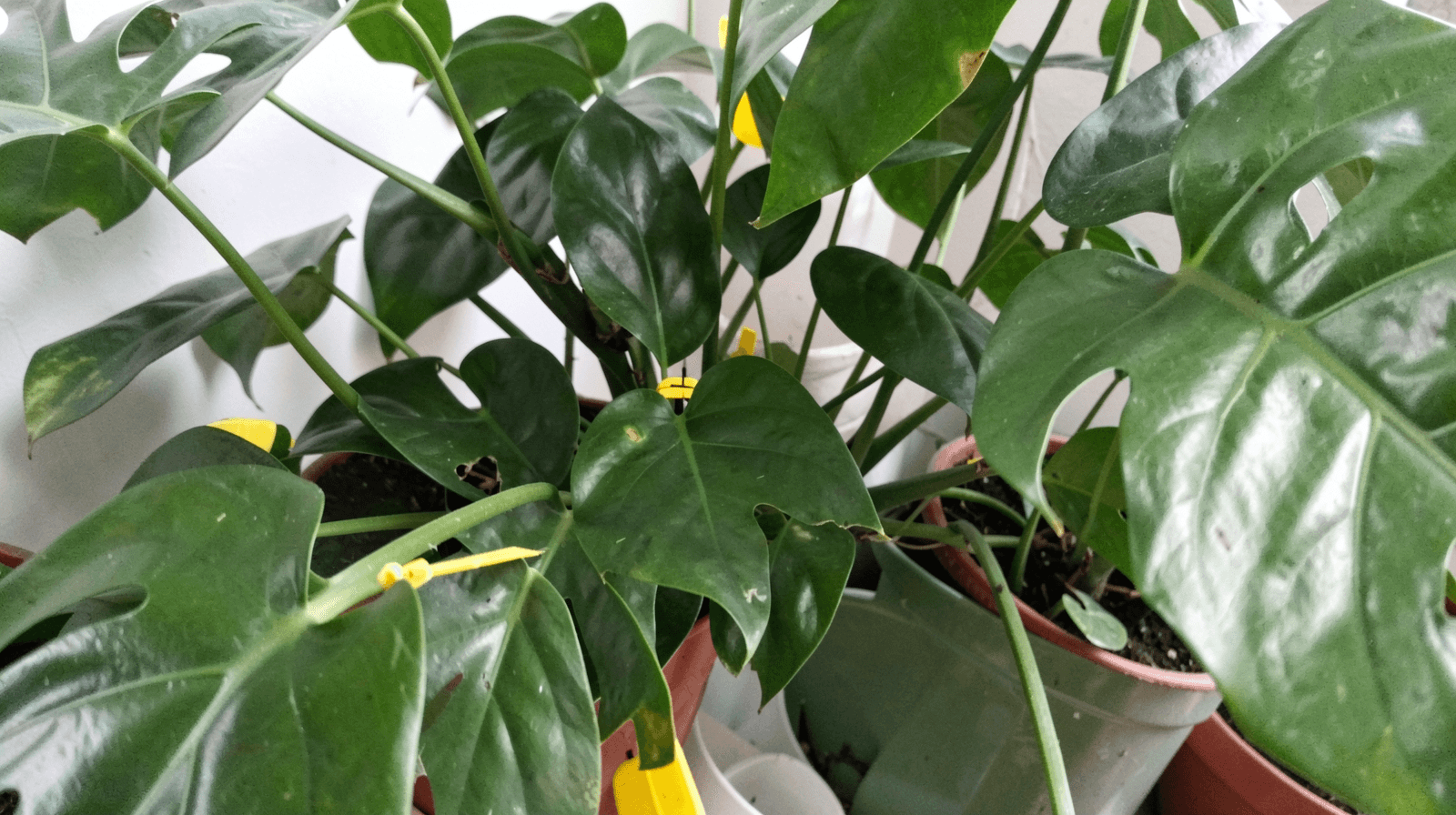
Stopping Pests Before They Start: A Home Gardener's Field Guide
Written by David Rodgers — 2026-11-13
Keeping your indoor jungle thriving naturally through prevention and simple interventions.
The newsletter for backyard growers who want their indoor jungle thriving without harsh chemicals or guesswork.
indoor plantsorganic gardeningpest controlsanitation
It’s not about fighting bugs; it’s about making your garden uninviting.
One of the biggest mistakes I see folks make—and one I made plenty of times in my early years—is treating pest control like a war where you only show up once the enemy has already breached the walls. You wait until you see a leaf curling or a stem turning brown, and then you scramble for the strongest spray you can find at the local hardware store. By that point, you aren't just fighting the bugs; you’re trying to manage the damage they’ve already done.
Successful pest management isn't about being a "warrior" with a sprayer; it's about being a good landlord who keeps the property from becoming a cheap hotel for pests in the first place. In my experience, the goal is proactive sanitation and environmental control. You want to create an environment where bugs find it difficult to settle down. This means keeping things clean, managing the moisture levels correctly, and ensuring your plants aren't stressed out by poor airflow or improper light. When a plant is healthy and its immediate surroundings are tidy, most common pests will simply choose a different house to move into.
The first line of defense: Sanitation and isolation.
If you want to keep your indoor jungle healthy, the very first thing you have to do happens before a plant even touches your floorboards. Every new addition to your collection is a potential "Trojan Horse" for pests like thrips or spider mites. I’ve learned the hard way that bringing a new purchase straight into your main grouping is an invitation for disaster.
The Quarantine Rule
Always isolate new plants in a separate room—a "quarantine zone"—for at least 14 days. This gives you time to see if any hitchhikers decide to leave their hiding spot and start moving. During this time, keep the plant away from your established collection so they can't cross-contaminate.
Cleaning and Airflow
Sanitation also means cleaning up the "debris" of gardening. Dust on leaves blocks light and creates tiny micro-habitats for pests to hide in. Wipe down your foliage regularly with a damp cloth. Additionally, make sure you aren't crowding your plants too tightly together. Good air circulation is one of the most underrated tools in pest prevention; stagnant, humid air between dense foliage is exactly what many common indoor pests need to thrive and multiply quickly.
Why waiting until you see damage is the single biggest mistake a gardener can make.
In gardening, there is a massive difference between "detecting" a problem and "diagnosing" one. If you wait until your plant shows physical signs of distress—like yellowing leaves, stippling (tiny dots), or visible webbing—the pest population has already reached a tipping point. At that stage, your intervention is reactive; you are trying to save the foliage rather than preventing its destruction.
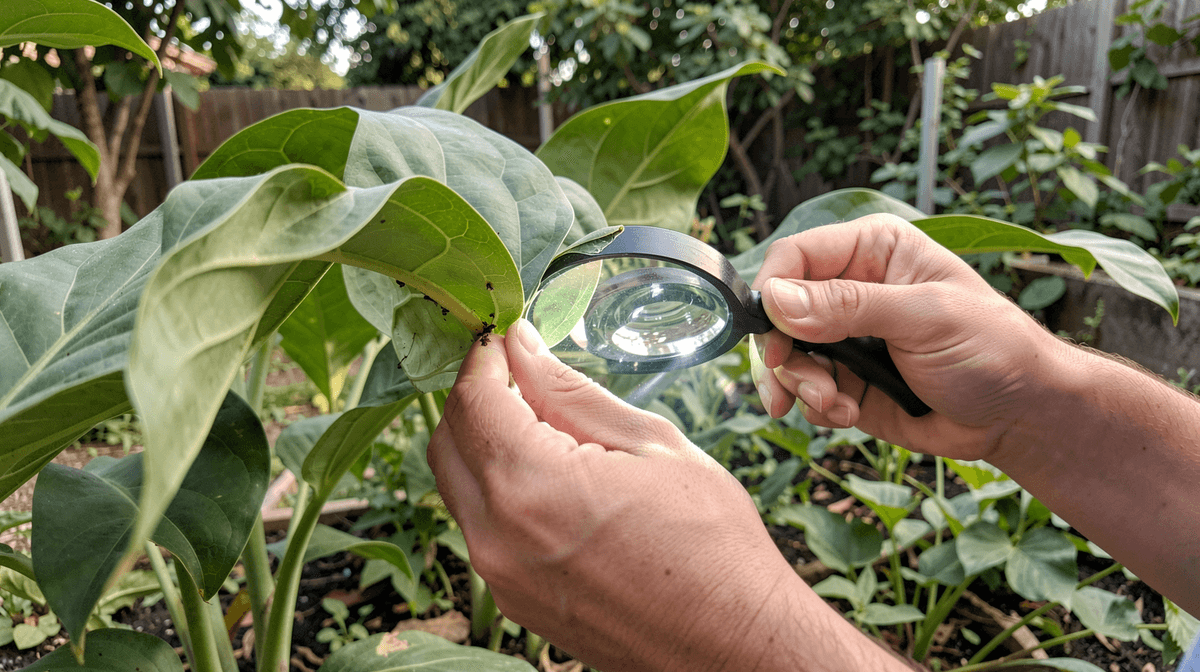
I’ve seen many growers lose entire plants because they thought "it's just a little bit of yellowing," only to realize three days later that a colony of aphids had already drained the plant's energy. You want to catch them when they are tiny, mobile, and few in number—long before they have the chance to do real damage. This requires shifting your mindset from "looking for problems" to "monitoring for presence." It’s about looking at the underside of leaves and the joints where stems meet before the plant looks sick. If you catch it early, a simple soap spray or a quick wipe-down can solve the problem in an afternoon. If you wait until the damage is visible, you're often left trying to manage a much more complex infestation that might require heavier interventions.
The power of yellow sticky traps and regular inspections.
You don’t need fancy gadgets to monitor your plants; sometimes the simplest tools provide the best data. I highly recommend using yellow sticky traps in your indoor spaces. Because many common pests, like fungus gnats or whiteflies, are naturally attracted to the color yellow, these traps act as a "smoke detector" for your garden. They don't solve the problem on their own, but they tell you exactly where and when an issue is starting.
Establishing a Routine
A trap with five bugs tells you something different than a trap with fifty. It helps you identify which plant in your collection is the source of the trouble before it spreads to everything else. To make this work, you need a routine:
| Monitoring Task | Frequency | What to Look For |
|---|---|---|
| Sticky Trap Check | Once a week | Population count and variety of insects caught. |
| Leaf Underside Inspection | Every 10 days | Tiny whiteflies, spider mites, or aphids. |
| Soil Surface Check | Every watering | Fungus gnat larvae or small moving pests. |
By making these checks a habit—perhaps every time you water your plants—you move from being reactive to being proactive. You’ll see the "scouts" before they bring in the rest of their colony.
Three gentle recipes for preemptive treatment: Soap, Neem, and Hydrogen Peroxide.
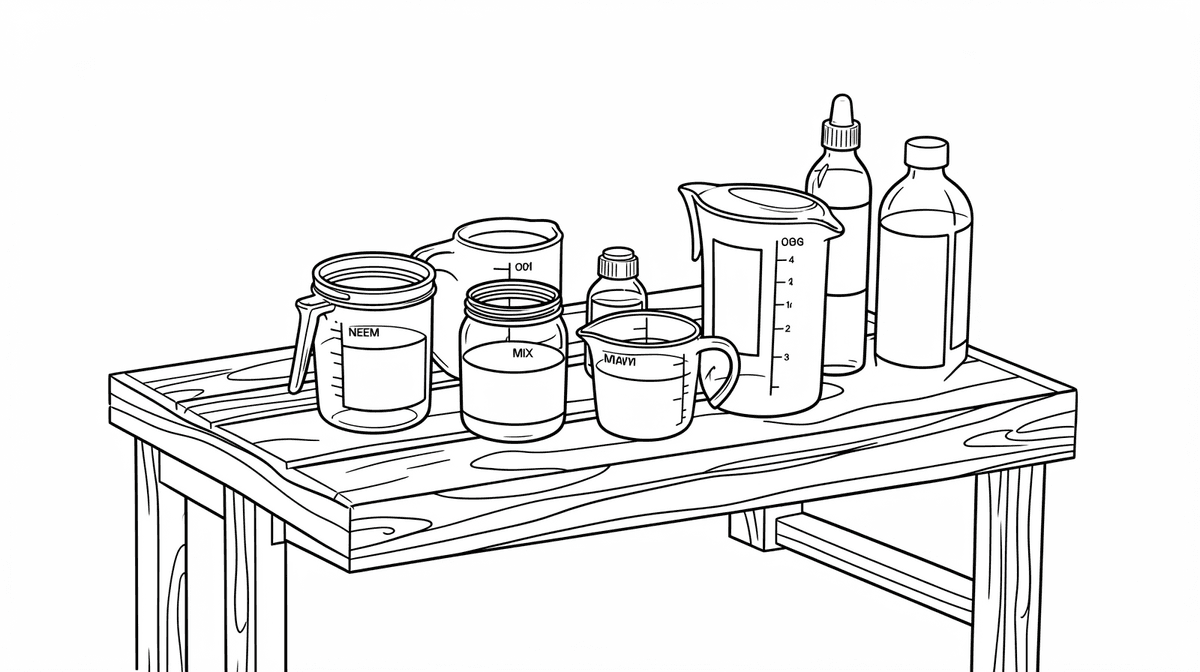
When you do find those early scouts, you don't need to reach for harsh chemicals that can burn your plants or harm your indoor air quality. I prefer starting with low-toxicity treatments that are easy to mix at home. These aren't meant to be "magic bullets" but rather gentle ways to disrupt the life cycle of a few pests before they take over.
1. The Simple Soap Spray
Mix 1 teaspoon of mild liquid castile soap (not a heavy degreasing dish soap) with 1 quart of water. Shake it up and spray the foliage thoroughly, especially the undersides of leaves. The soap works by breaking down the protective outer layer of soft-bodied insects like aphids or mealybugs.
2. Neem Oil Solution
Neem oil is a classic for a reason—it disrupts the insect's ability to feed and grow. Mix about 1–2 teaspoons of pure, cold-pressed neem oil with a few drops of soap (to act as an emulsifier) in a quart of water. Spray this on your plants every 7–10 days during an active issue.
3. Hydrogen Peroxide Root Drench
If you suspect pests are living in the soil or attacking the roots, a diluted hydrogen peroxide solution can be very effective. Mix 1 part 3% hydrogen peroxide with 4 parts water and pour it directly onto the soil surface. This helps oxygenate the root zone while killing off many small soil-borne pests on contact.
Note: Always test any new mixture on one leaf first and wait 24 hours to ensure it doesn't cause "leaf burn" before spraying your entire collection.
Getting rid of the tough stuff: Dealing with scale and webbing.
Some pests are just harder to manage than others because they have built-in defenses. Scale, for example, is an insect that grows a hard, waxy shell over its body. Because it's "armored," a simple soap spray often won't reach the bug itself—it just sits on top of the shell. In these cases, you have to get physical.
Mechanical Removal
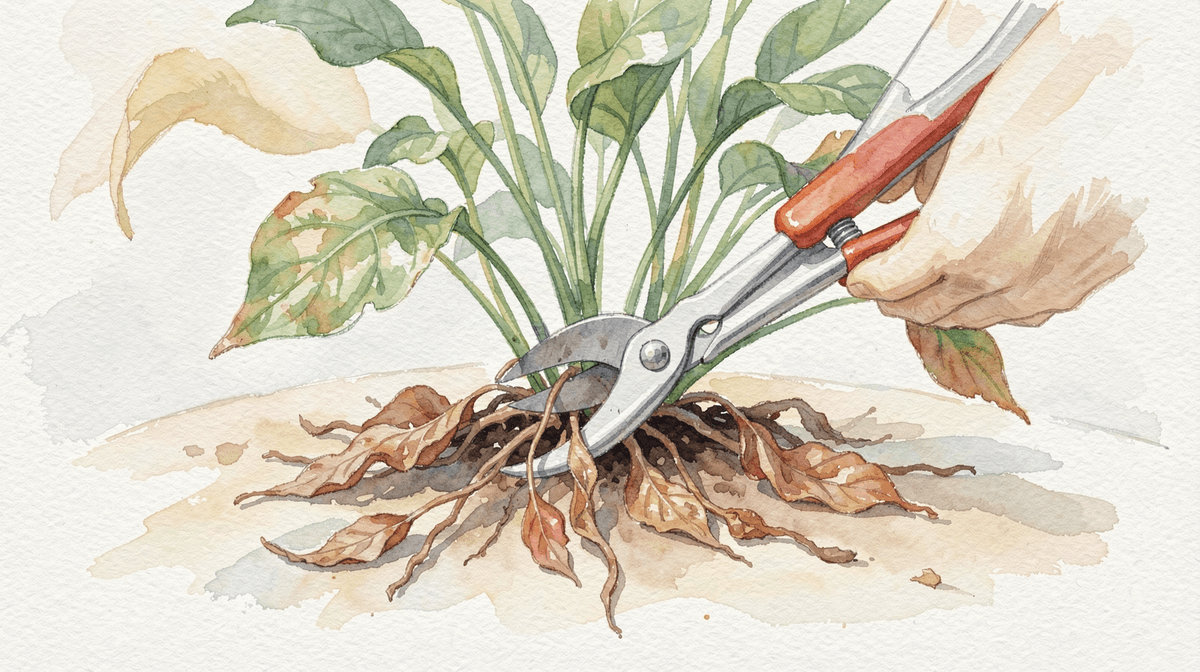
For scale, I find that taking a soft-bristled brush or even a damp cloth and physically wiping the insects off the stems is much more effective than relying on sprays alone. You want to disrupt their ability to cling to the plant. If they are particularly stubborn, you might need to repeat this process every few days until the population drops significantly.
Addressing Webbing
If you see fine webbing between leaves, that’s a sign of spider mites. By the time webbing is visible, it means the mite population has already exploded. In this scenario, simply spraying once won't be enough; you need to combine your soap or neem treatments with an increase in humidity. Spider mites thrive in hot, dry conditions—common in Oklahoma winters when the heater is running. Bringing some moisture back into the air can make it harder for them to survive while your treatments do their work.
Making it a habit: The long-term protocol for indoor plant health.
Keeping an indoor garden healthy isn't about one big "fix" you do once a year; it’s about a series of small, consistent habits that create a hostile environment for pests and a thriving home for your plants. If you want to stop worrying about infestations, you have to build these steps into your regular gardening rhythm.
First, never skip the quarantine. It is the single most effective way to keep your "safe" plants safe. Second, prioritize air movement. Whether it’s a small oscillating fan or simply rotating your pots so they aren't all pushed against a wall, ensuring that air can flow freely prevents the stagnant conditions that pests love. Third, stay on top of your sanitation—dust off those leaves and keep the pot area tidy.
Finally, stick to your inspection schedule. When you check your plants every few days as part of your watering routine, you’ll catch a problem when it's just three bugs instead of three hundred. By focusing on these proactive steps—quarantine, airflow, cleanliness, and regular monitoring—you take the power away from the pests and put it back in your hands. It’s about making your home a place where plants can thrive without the constant shadow of an infestation hanging over them.
Your turn
What pest issue has surprised you most this season? Share your best preventative tip below! If this guide saved your fiddle leaf fig, send it to a friend who is always fighting bug battles.
🌿 Get Seasonal Gardening Tips
New guides, planting reminders, and growing tips — straight to your inbox.
No spam. Unsubscribe anytime.
About the Author
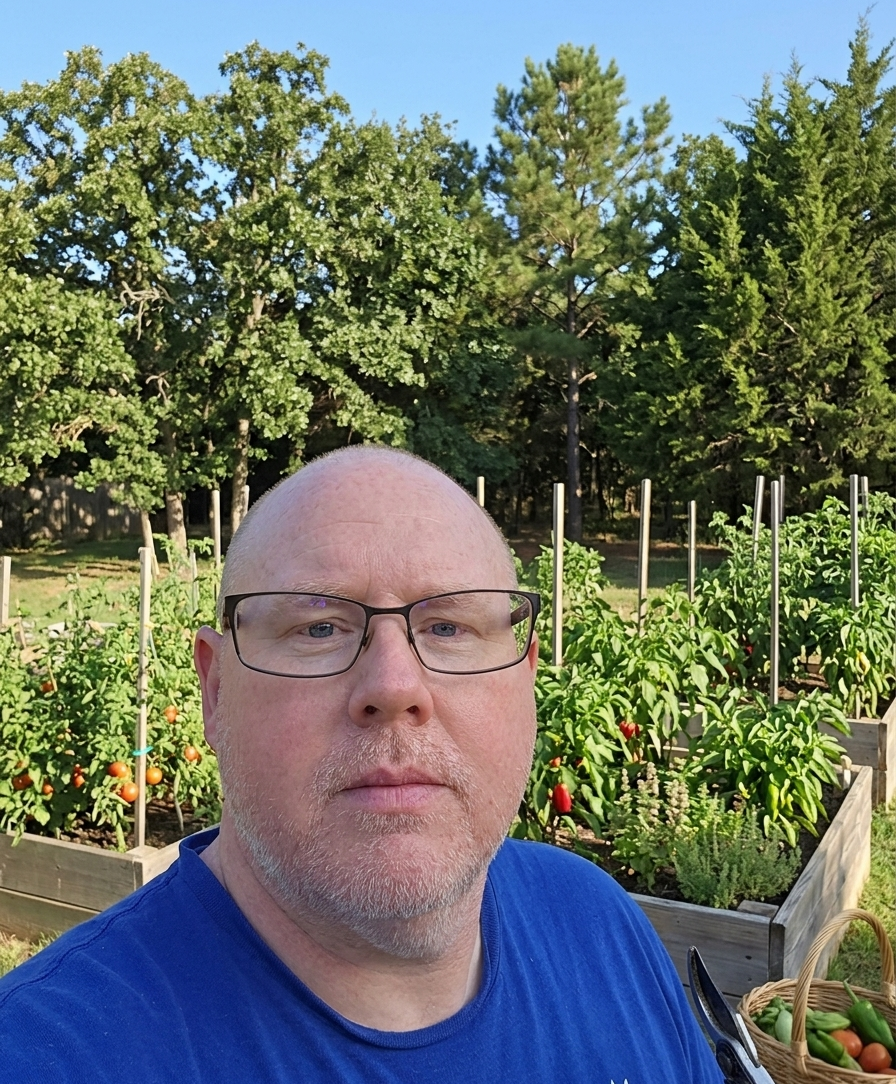
David Rodgers is the Founder & Head Gardener of Planting Atlas. With over 40 years of hands-on gardening experience in Oklahoma's Zone 7 climate, he researches, writes, and personally tests every guide on the site.
David draws from real backyard trials, soil testing, and trusted sources like Oklahoma State University Extension and USDA data to deliver practical, zone-specific advice that actually works.
Read more about David and Planting Atlas →