Loading…
←Back to Newsletters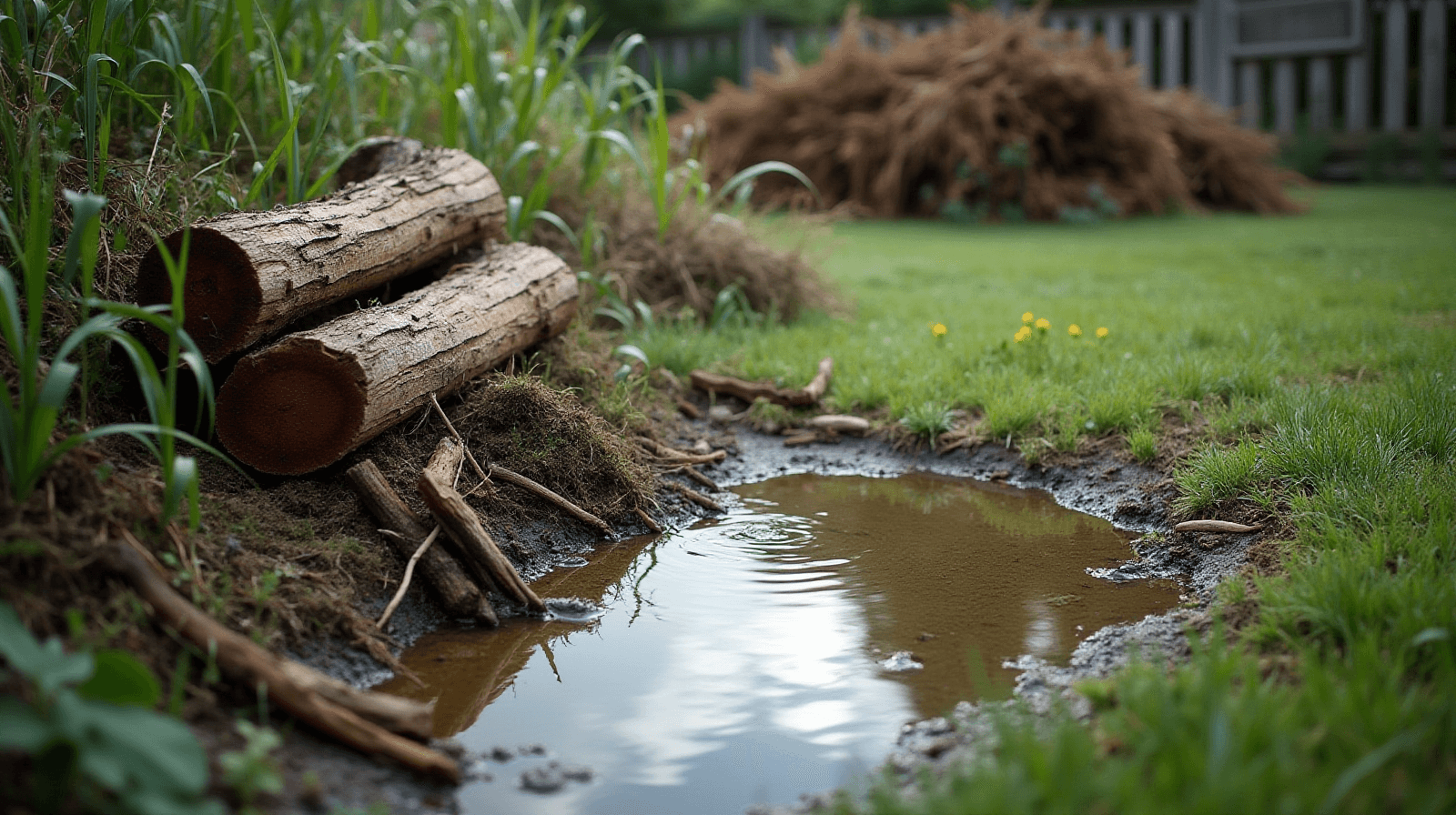

Stop thinking about plants; start building habitat instead.
Written by David Rodgers — 2026-10-06
How to use dead wood, water pockets, and structural piles to make your yard work for wildlife—and you.
The newsletter for backyard growers tired of advice that ignores their actual local ecosystem complexity.
BiodiversityPermacultureHabitat DesignNative Gardening
The biggest mistake is thinking your garden starts at the seed packet
I spent the first fifteen years of my gardening life focused almost entirely on the plants themselves. I’d spend hours researching the right cultivars, hunting down specific varieties that would survive our Oklahoma heat, and obsessing over soil pH for the perfect bloom. My yard looked great—it was a gallery of well-maintained specimens—but it felt strangely quiet. There weren't many bees in the early morning or birds nesting in the shrubs.
I eventually realized I’d made a fundamental mistake: I was building a showroom, not an ecosystem.
A garden is more than just a collection of things you bought at the nursery; it’s a functioning habitat. When we focus only on the "pretty" stuff—the flowers and the manicured grass—we often forget to build the infrastructure that allows those plants to thrive and the local wildlife to survive. Think of your yard as an apartment complex. The plants are the residents, but the dead wood, the tall grasses, and the muddy corners are the hallways, the kitchens, and the bedrooms. If you don't provide the "rooms" where insects live or birds nest, many of those beautiful flowers won't have the pollinators they need to produce seeds next year. To build a garden that lasts, we have to start thinking about habitat first and plant selection second.
Why dead wood, snags, and piles matter (and what they actually do)
In my early years, I had a "neatness" reflex. If a branch fell or a tree died, I hauled it away immediately because it looked messy. Now, I see that as one of my biggest mistakes in terms of building a healthy backyard. That dead wood isn't just "trash"; it’s the primary source of life for hundreds of species.
When we talk about "dead wood," we mean two things: logs on the ground and snags (standing dead trees). Logs decompose over years, providing homes for fungi and beetles that break down organic matter into rich soil—essentially feeding your plants from the bottom up. Snags are even more critical for birds; they provide nesting cavities that a young sapling won't offer for decades.
Then there are brush piles or "habitat piles." These aren't just random sticks thrown in a corner. They are concentrated pockets of complexity. A well-placed pile offers different microclimates: the bottom is cool and damp, while the top stays drier. This allows everything from salamanders to solitary bees to find a place to overwinter or hide during a summer drought. When you leave these elements in your yard, you aren't being "messy"—you are providing essential housing for the very creatures that keep your garden healthy.
The puddle principle: making water accessible year-round
A common misconception I hear from neighbors is that if they want to help local wildlife, they have to install a massive pond with a pump and a filtration system. While those can be beautiful, many of us don't have the time or space for heavy maintenance.
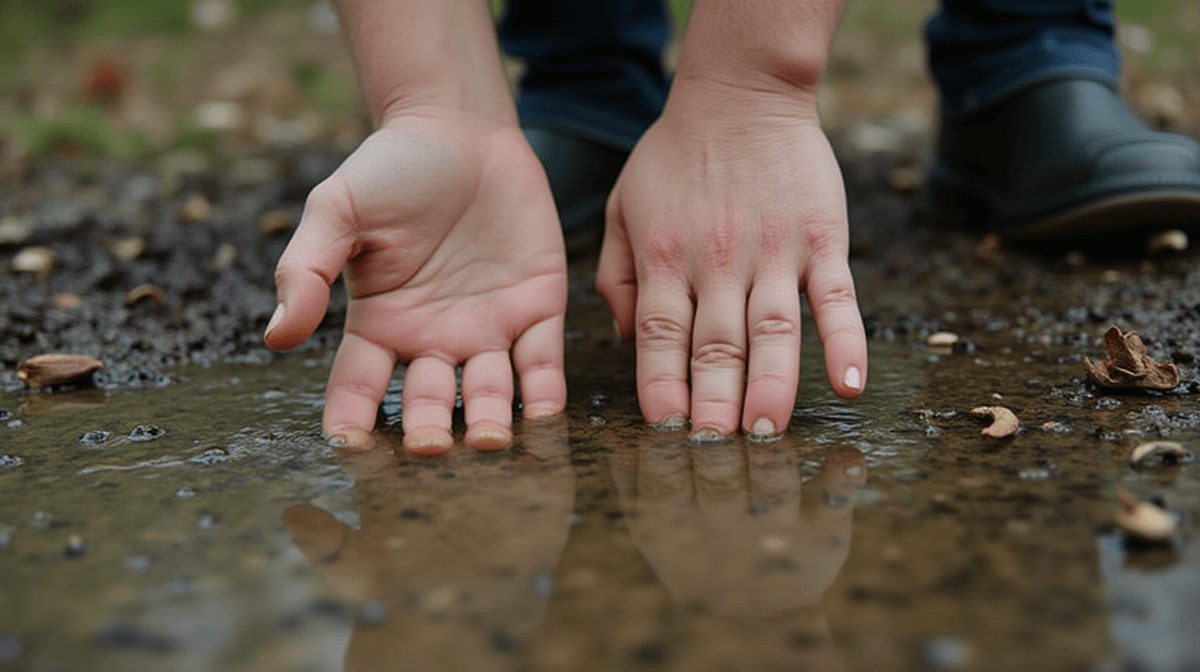
What most backyard ecosystems actually need are "puddles." These are small, shallow, ephemeral bodies of water. You don't need a koi pond; you just need a low spot in your yard where rainwater can collect and linger after a storm. Even a simple depression lined with some clay or heavy stones can work.
The key is that these should be "accessible." For insects like dragonflies or amphibians like frogs, a deep pool of water is actually quite dangerous—it’s hard to get out of if they fall in. A shallow puddle (think a few inches deep) allows them to drink and move around without getting trapped. These puddles might dry up after a week of sun, and that's perfectly fine. They provide life-saving hydration during the heat of July or for insects emerging after an autumn rain. By creating several small "puddles" rather than one big pond, you create more opportunities for different creatures to find what they need without the constant maintenance of a full water feature.
Simple steps to engineering a low-maintenance habitat pile
If you want to start building these habitats today without it looking like your backyard is falling apart, you have to think about structure. A "messy" pile that just falls over and gets trampled by the lawnmower won't last long or provide much benefit. You want something intentional.
To build a functional brush pile:
- Gather Variety: Don’t just use one type of wood. Mix in some thick logs (for deep-dwelling insects), medium branches, and "fine" materials like dry grass, old stalks, and leaf litter.
- Build the Core: Place your heaviest pieces—the fallen limbs or old logs—in a pile first. These form the skeleton that keeps the structure from collapsing.
- Add the Texture: Pile the smaller branches and brush on top of the core. This creates "nooks" where smaller creatures can hide.
- Mulch the Base: Cover the bottom and sides with a thick layer of wood chips or fallen leaves. This keeps the interior of the pile from drying out too quickly, which is vital for any insects living deep inside.
Place these piles in areas that aren't in the direct path of your mower—perhaps against a fence line, tucked under a large shrub, or at the edge of a wooded area. By giving them a "home" in your yard layout, they become part of the design rather than an afterthought.
Zone considerations: making it work for your climate
While the basic principles of habitat building are universal, how you implement them depends heavily on where you live. Your local climate dictates what materials will survive and what kinds of creatures you’re trying to attract. For example, in a hot, dry zone like mine (Zone 7), moisture retention is key; those leaf layers at the base of your piles aren't just for looks—they are life-savers during a July drought.
In colder regions, however, different factors come into play. You need to consider how much snow will pile up and whether certain wood types will become brittle or be easily moved by heavy winds. In these zones, larger pieces of "dead" wood are often better because they won't get buried as easily and can provide more stable shelter during the winter months.
| Feature | Hot/Dry Zones (e.g., Zone 7-9) | Cold/Temperate Zones (e.g., Zone 3-6) |
|---|---|---|
| Puddle Strategy | Focus on deep shade to prevent rapid evaporation; use clay liners. | Focus on depth that won't freeze solid instantly, but stay shallow enough for safety. |
| Wood Size | Medium branches are great for nesting insects in dry heat. | Larger "heavy" logs provide better insulation against extreme cold. |
| Location | Place near heavy shade trees to keep habitat piles cool and moist. | Placement should account for snow-drift patterns; avoid low spots that might flood permanently. |
Putting the bits together: a weekend habitat checklist
If you want to start this transition from "garden" to "habitat," don't try to do it all at once. You can make a significant difference with one afternoon of focused work. Here is how I would tackle a weekend project to get things started:
- The Scouting Walk: Walk your property and identify three "dead zones"—corners where the mower doesn't reach, areas under large shrubs, or spots against an old fence line. These are your prime locations for habitat piles.
- Gather Your Materials: Instead of cleaning up every fallen branch this season, start "saving" them. Spend a few hours gathering 5-10 pieces of varied thickness and piling them near your chosen sites.
- Establish One Puddle Point: Find one low spot in the yard. Clear out some weeds and consider adding a small amount of clay or heavy stones to help hold water after it rains. You don't need to "build" anything; just give the earth a place to hold onto moisture.
- The "Snag" Selection: If you have any dead trees on your property, choose one that isn't a safety hazard and leave it standing for at least one season before deciding whether to cut it down. It’s an instant home for hundreds of birds.
By doing these things, you aren't just making "messy" piles; you are building the infrastructure that allows your garden to support itself. You're moving away from a yard that only looks good on a Sunday afternoon and toward one that is buzzing with life every day of the year.
Your turn
What structural element is most lacking in your backyard right now? Drop a photo and let me know! Share this with another gardener who needs to stop just planting pretty things.
🌿 Get Seasonal Gardening Tips
New guides, planting reminders, and growing tips — straight to your inbox.
No spam. Unsubscribe anytime.
About the Author
David Rodgers is the Founder & Head Gardener of Planting Atlas. With over 40 years of hands-on gardening experience in Oklahoma's Zone 7 climate, he researches, writes, and personally tests every guide on the site.
David draws from real backyard trials, soil testing, and trusted sources like Oklahoma State University Extension and USDA data to deliver practical, zone-specific advice that actually works.
Read more about David and Planting Atlas →