Loading…
←Back to Newsletters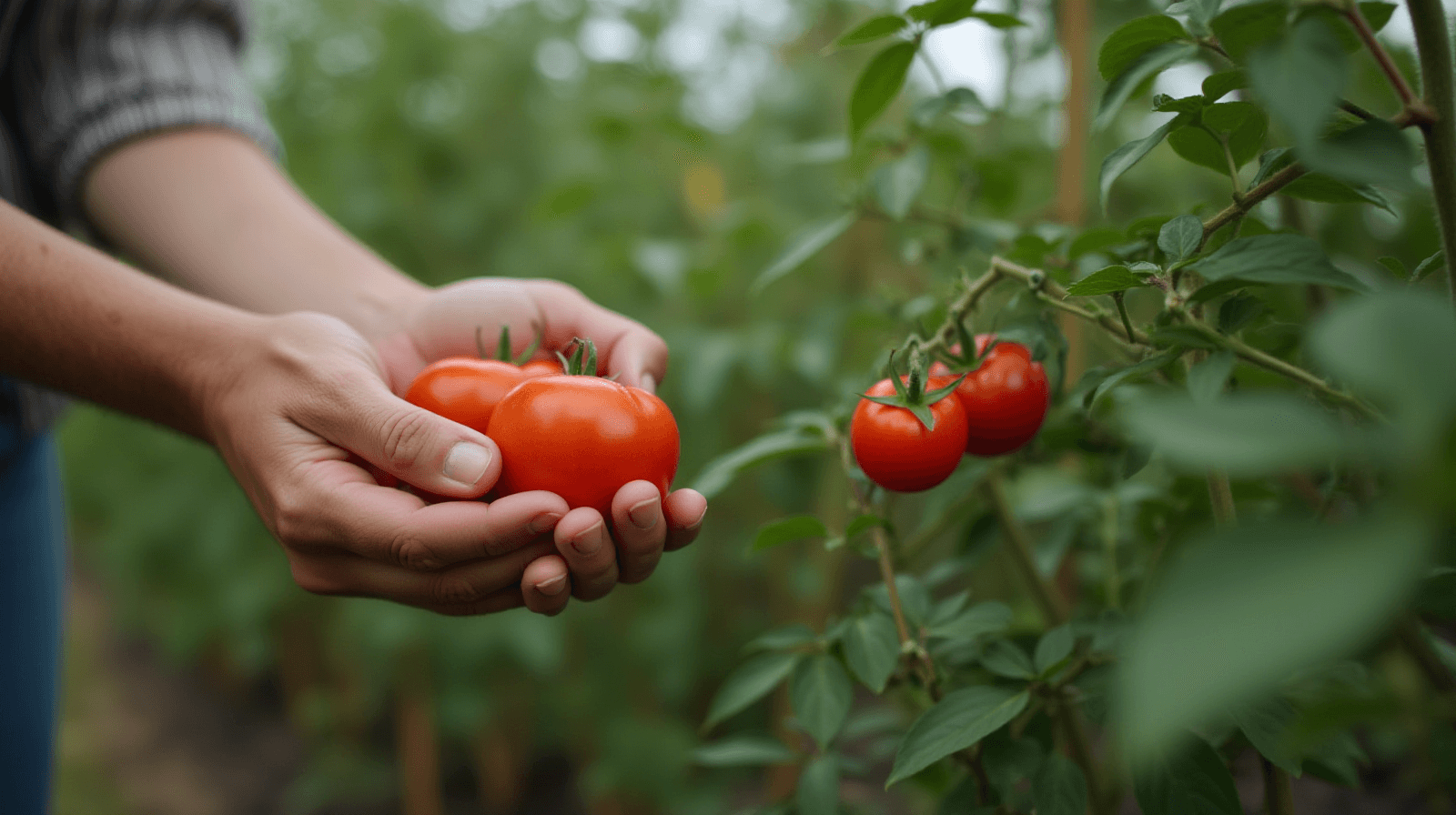
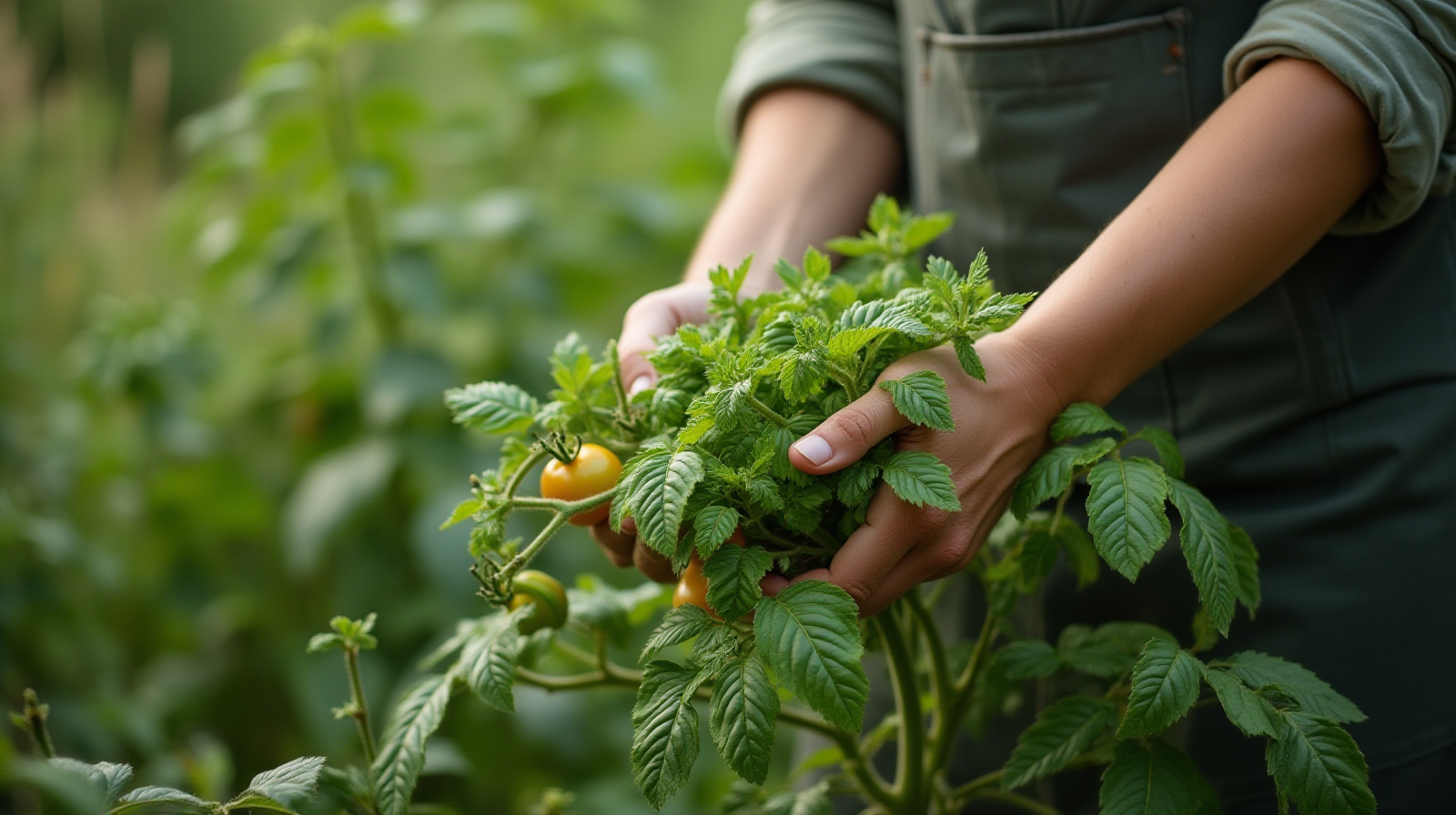
Stop Guessing What Your Tomato Plants Need After They Start Fruiting.
Written by David Rodgers — 2026-08-03
A guide to adjusting fertilizer as your tomatoes grow from leaves to luscious fruit.
The newsletter for gardeners who'd rather learn from a mistake made 40 years ago than repeat it themselves.
tomatoesfertilizingcontainer gardeningvegetables
The biggest mistake people make with tomato feeding (and why it costs you good harvests)
One of the most common mistakes I see—both in my own backyard and from neighbors over the fence—is treating a tomato plant like it needs the same "food" all season long. Most folks grab a high-nitrogen, all-purpose fertilizer at the garden center and just keep feeding that to their plants every two weeks until October.
The problem is that while nitrogen is great for making those big, beautiful green leaves, too much of it late in the season tells the plant it’s time to grow "body" rather than produce fruit. I've had several seasons where my tomato vines were massive and incredibly lush, but the actual tomatoes remained small or took forever to ripen because the plant was putting all its energy into more foliage. You want a productive garden, not just a leafy one. When you over-feed with nitrogen once the first flowers appear, you’re essentially telling the plant it doesn't need to worry about making seeds (the fruit) because there is plenty of "fuel" for growth. To get those heavy, uniform tomatoes, we have to shift gears as the season progresses.
What your tomatoes need when they are babies versus what they need when they are ready to bear fruit
To understand why timing matters, you have to look at the N-P-K numbers on the back of any fertilizer bag. These stand for Nitrogen (N), Phosphorus (P), and Potassium (K). Think of these as three different tools in your toolbox; you don't use a sledgehammer when you need a screwdriver.
In the early stages—what I call the "baby" phase—your plants are establishing their root systems and building up enough leaf surface area to power future growth. During this time, they need more Nitrogen to build that structural foundation. However, once those first flower clusters appear, the plant's priorities change completely. It needs Phosphorus and Potassium to develop strong stems, healthy roots, and—most importantly—high-quality fruit. If you keep pushing high nitrogen during the fruiting phase, you’ll get a "lazy" plant that produces lots of leaves but very littleerous produce. The goal is to transition from growth-oriented nutrients to production-oriented nutrients as soon as those first tiny yellow blossoms show up in the garden.
Container pots vs. in-ground beds: making adjustments for your specific setup
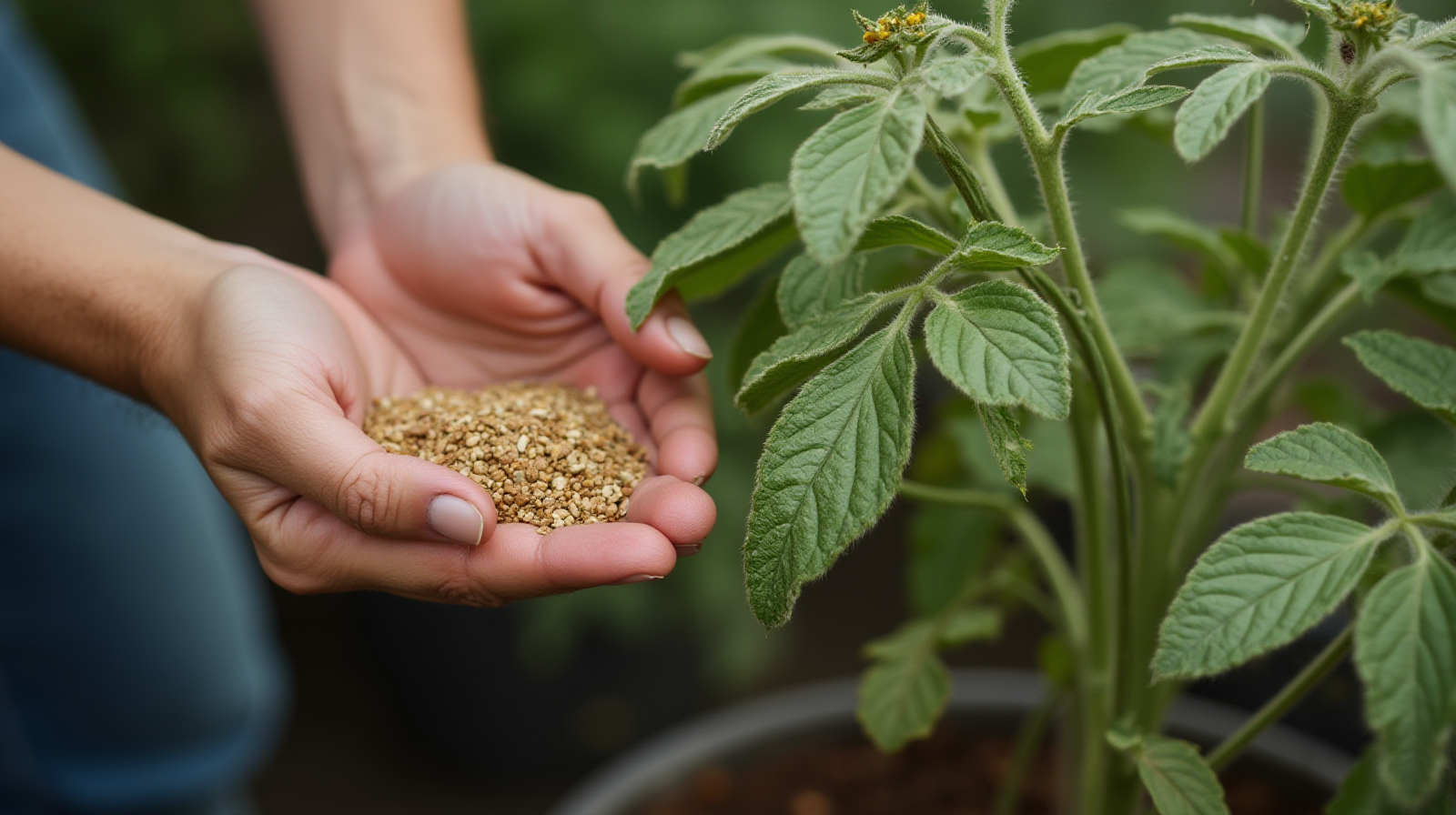
Depending on how you’re growing your tomatoes, your feeding strategy needs a different "dosage." If you are growing in large containers or fabric bags, remember that every time you water, some of those nutrients are washing out through the bottom of the pot. Because of this leaching, container-grown tomatoes often need more frequent, diluted feedings compared to those in the ground. I usually recommend a lighter, more frequent "sip" of fertilizer for pots to keep things consistent.
If you’re planting directly into the ground—which is what I do most of my heavy hitters in—the soil acts as a buffer. You don't need to feed them quite as often because the earth holds onto those nutrients better. However, this means your initial soil prep is even more critical. In-ground beds benefit from a slow-release organic amendment at planting time, which gives you a steady supply of nutrition without needing to "chase" the plants with liquid feeds every week. Regardless of where they live, the rule remains: check your soil moisture and adjust your frequency based on how much "room" there is for those nutrients to stay put before they wash away.
The simple stages of tomato growth (and when to feed them)
I like to break my season down into three distinct phases to keep things simple. It takes the guesswork out of it because you aren't guessing what the plant needs; you’re just following its current progress.
- The Establishment Phase: From transplanting until the first sign of flower buds. During this time, use a balanced fertilizer or one slightly higher in Nitrogen to get those roots deep and the stems thick enough to hold up heavy fruit later on.
- The Flowering & Setting Phase: This begins the moment you see your first blossoms. You want to dial back the Nitrogen and increase Phosphorus and Potassium. This supports the energy-intensive process of turning flowers into tiny green tomatoes.
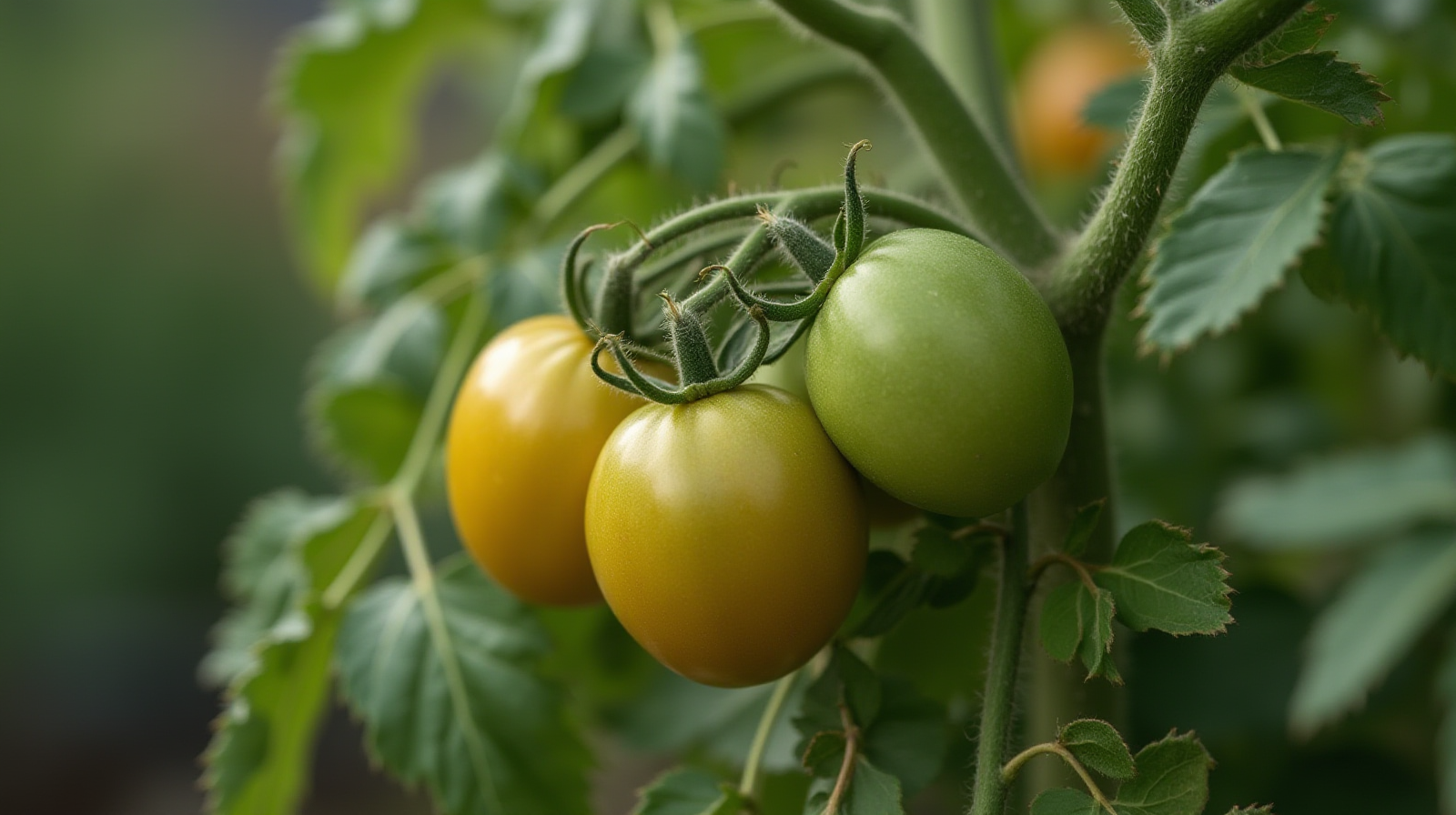
- The Fruiting Phase: Once those little green fruits have set and started to grow, your goal is stability. You are providing just enough nutrients to keep the plant healthy and productive without encouraging any more leaf growth. At this stage, a high-potassium fertilizer is your best friend for ensuring the fruit grows large and flavorful.
How often should you actually be fertilizing? A seasonal schedule
Instead of trying to remember "every two weeks" (which is hard to track when life gets busy), I find it easier to follow a timeline based on what's happening in the garden. Depending on your local conditions, here is how I manage my tomato beds in Zone 7. If you are in a different zone, adjust the timing slightly—for example, if your growing season starts later or ends sooner due to frost.
| Growth Stage | Timing Indicator | Recommended Focus | Frequency Example |
|---|---|---|---|
| Establishment | Transplanting to first bud | High Nitrogen / Balanced | Every 10-14 days |
| Flowering | First blossom appearance | Higher Phosphorus/Potassium | Every 14 days |
| Fruiting | Fruit size reaches 2 inches | High Potassium | Every 3 weeks (or as needed) |
In the heat of July, if you notice the soil drying out quickly or the plants looking "tired," a light liquid feed can be used as a boost. However, in my experience, it's better to under-fertilize than over-do it. A slow and steady approach usually results in much happier plants that aren't overwhelmed by salts or excess nutrients during those hot summer months.
A few things to watch out for: signs of nutrient stress in your tomatoes
Your plants will often tell you exactly what’s wrong if you know what signs to look for. It's like a dashboard light in your truck; it's telling you something needs attention before the engine stalls.
The most common "red flag" is excessive leaf growth with no fruit. If you see a massive, bushy plant that seems incredibly happy but isn't producing any tomatoes (or only very small ones), you are likely over-feeding on Nitrogen. The plant thinks it’s in its "growth" phase and doesn't realize the season has moved on.
Another common issue is yellowing leaves. If the bottom, older leaves start turning yellow while the new growth stays green, that can indicate a nitrogen deficiency or an imbalance. Conversely, if the new growth looks pale or yellowish, you might have an issue with iron or other micronutrients. Finally, keep an eye out for blossom end rot—that leathery black spot on the bottom of the fruit. While often linked to calcium issues, it's frequently caused by inconsistent watering and nutrient uptake during rapid growth spurts. If you see these signs early, you can adjust your feeding routine before the whole crop is affected.
Your turn
What's the biggest fertilizing mistake you see other people making? Send us a story!
🌿 Get Seasonal Gardening Tips
New guides, planting reminders, and growing tips — straight to your inbox.
No spam. Unsubscribe anytime.
About the Author
David Rodgers is the Founder & Head Gardener of Planting Atlas. With over 40 years of hands-on gardening experience in Oklahoma's Zone 7 climate, he researches, writes, and personally tests every guide on the site.
David draws from real backyard trials, soil testing, and trusted sources like Oklahoma State University Extension and USDA data to deliver practical, zone-specific advice that actually works.
Read more about David and Planting Atlas →