Loading…
←Back to Newsletters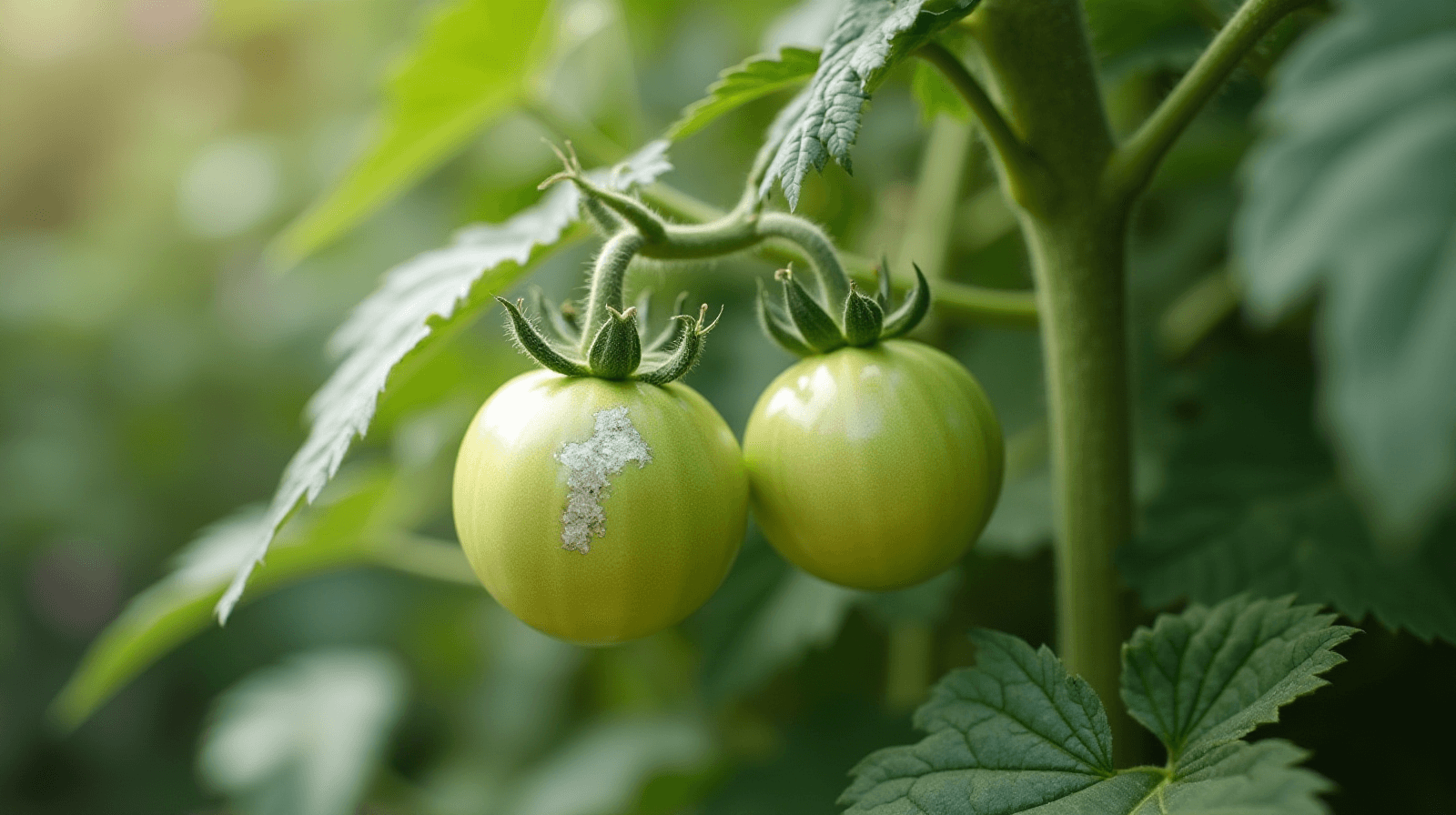



Stop Guessing: How to Keep Black Spots Off Your Squash and Tomatoes
Written by David Rodgers — 2026-08-03
A practical guide for preventing mildew before it takes hold.
The newsletter for gardeners who'd rather learn from a mistake made 40 years ago than repeat it themselves.
mildewvegetablespreventionfungicides
Mildew isn't always about the fungus
If you’ve ever spent a humid July morning in your garden, looking at white, powdery patches on your zucchini leaves or gray fuzzy spots on your tomato vines, you know how frustrating it is. My first instinct—and what most "expert" blogs tell you to do—is to grab a sprayer and douse the plants in whatever fungicide you can find. But here is what I learned after years of trial and error: if you only treat the fungus without changing the environment that allows it to thrive, you are just playing whack-a-mole.
Powdery mildew isn't just an "attack" from a bug; it’s an opportunistic growth that takes hold when conditions are perfect for it—specifically high humidity and stagnant air. When I first started gardening in Oklahoma, I spent way too much money on sprays that only worked for about three days before the next humid night brought the mildew back. It turns out, those "cultural changes" aren't just buzzwords; they are the real solution. We want to make your garden a hostile environment for fungus so you don’t have to spend your weekends constantly spraying and worrying.
Airflow is your secret weapon (and usually ignored)
One of the biggest mistakes I see, especially with newer gardeners, is crowding plants because it "looks" fuller or makes it easier to harvest. In reality, a dense wall of foliage is an invitation for powdery mildew. When leaves are packed tightly together, air can't move through them, and moisture gets trapped on the leaf surfaces long after the sun has gone down.
To fix this, you need to give your plants some breathing room:
- Spacing: Give your tomato cages or stakes at least 3 feet of space between each plant. It feels like a lot when you're looking for yard space, but it’s vital for keeping the air moving.
- Pruning Lower Branches: For tomatoes specifically, I always recommend pruning off the bottom 12 to 18 inches of growth. This keeps those lower leaves from resting on the mulch or dirt where moisture collects, and it creates a "chimney" effect for airflow.
- Strategic Planting: Don't plant your squash in one big, dense block. Stagger them slightly so that even if one leaf gets a bit damp, the neighbor isn't also trapped in a humid micro-climate.
How watering habits actually impact mildew risk
This is probably the most common "easy fix" that people skip because it requires changing their routine. If you are using an overhead sprinkler system or walking through your garden with a hose and spraying everything just to get it wet, you are likely contributing to your own mildew problem.
When water sits on the surface of a leaf—especially in the evening or during the night—it creates the perfect nursery for fungal spores to germinate. In my experience, "water the soil, not the leaf" is a rule that should be non-negotiable in Zone 7 and similar humid regions.
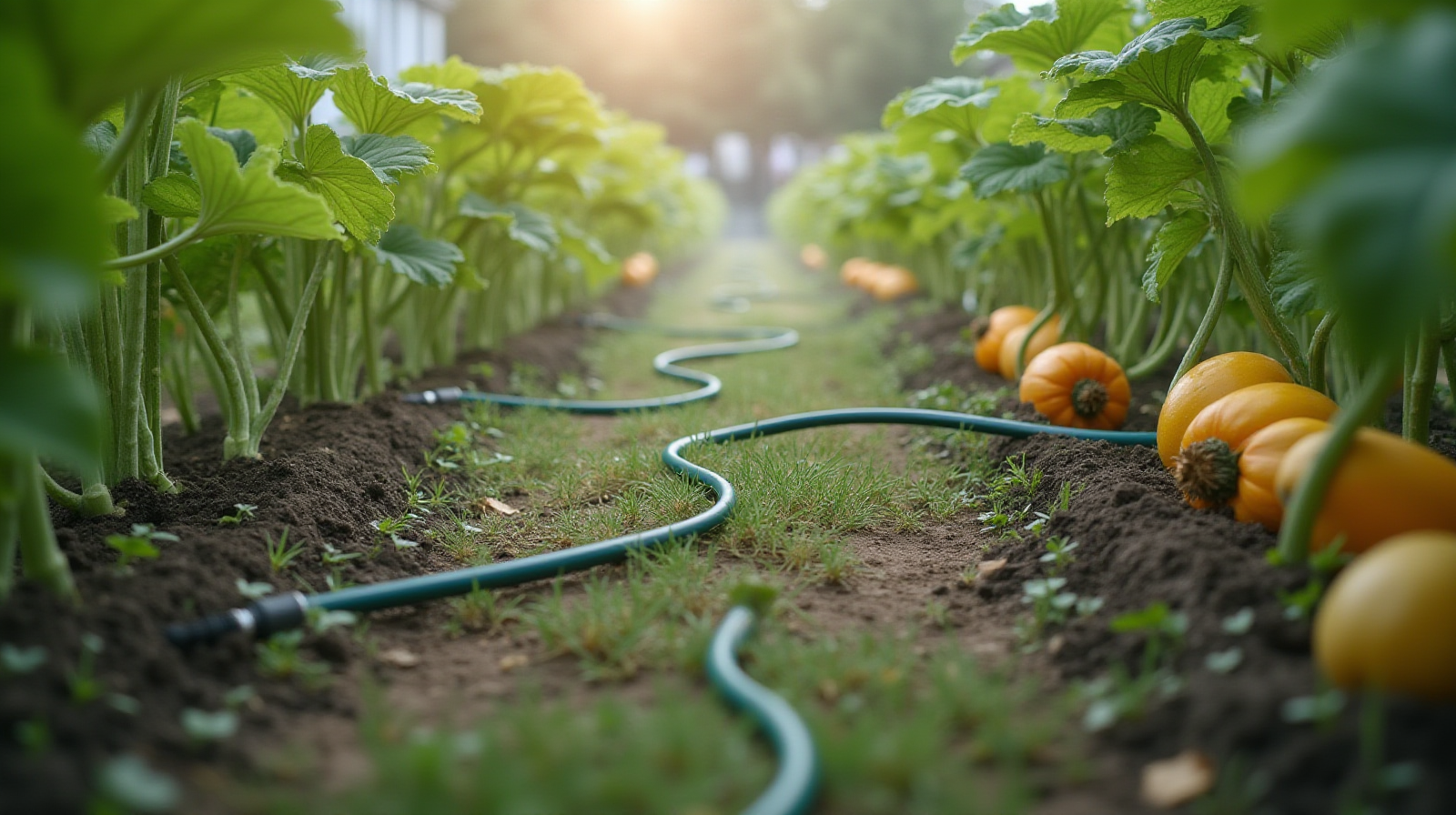
- Targeted Watering: Use soaker hoses or drip irrigation systems. These deliver water directly to the root zone where the plant needs it most without ever making the foliage wet.
- Morning Routine: If you must use a hose, do it in the early morning (before 9:00 AM). This allows any accidental splashes on the leaves to dry quickly as the sun comes up.
- Deep Soaking: Instead of a quick daily sprinkle that only wets the surface soil, aim for a deep soak every few days. Deep roots are stronger and more resilient against heat stress, which indirectly helps them fight off diseases like mildew.
The chemical fight: When sprays are necessary
Now, let's be honest: sometimes you’re going to have an outbreak despite your best efforts. It happens during those long stretches of humid summer days where the air just sits heavy on the ground. In these cases, a spray can help "reset" the situation, but it shouldn't be your primary strategy.
I generally recommend two main options for organic-minded gardeners:
- Potassium Bicarbonate: This is excellent for an immediate "knockdown." It changes the pH level on the leaf surface, making it hard for mildew to survive. I find this works best when you see a small patch of white starting to spread.
- Neem Oil: This acts more as a preventative and a longer-lasting treatment. It coats the leaf and creates a physical barrier that makes it harder for spores to take hold.
| Treatment Type | Best Use Case | Frequency Recommendation |
|---|---|---|
| Potassium Bicarbonate | Immediate intervention on active infections. | Every 7–10 days during high-risk periods. |
| Neem Oil | General prevention and "cleaning" of the garden. | Once every two weeks as a preventative measure. |
When you do spray, try to do it in the early morning or late evening when temperatures are cooler to avoid burning the leaves with the sun's intensity.
Soil health and companion plants—the long game
I don’t want to give you the impression that "healthy soil" is a magic wand that makes mildew disappear instantly, but I have seen it make a massive difference over several seasons. A plant that is struggling just to find enough nutrients or water in poor soil is a stressed plant. And a stressed plant has much weaker cell walls, making it an easy target for fungi.
When we focus on building organic matter and feeding the soil—not just the plant—we create a more resilient garden. Healthy plants can withstand a few days of high humidity without immediately succumbing to disease.
Regarding companion planting: while some people swear by specific "anti-mildew" herbs, I find that the real benefit comes from diversity. Planting Marigolds or Alyssum near your tomatoes doesn't necessarily kill mildew spores, but it does create a more complex ecosystem. A diverse garden is less of a monoculture, which makes it harder for certain diseases to jump rapidly from one plant to the next. It’s about building a robust "neighborhood" where your main crops can stand strong.
Rotations that work: Keeping the fungus out next year
One thing people often overlook is that many fungal pathogens don't just disappear when you pull up your plants for the winter; they can linger in the soil or on old debris. If you plant squash in the exact same spot where you had zucchini last year, you’re essentially inviting those lingering spores to wake up and move into your new crop.
To break this cycle, I recommend a simple rotation system based on the botanical families of your plants:
- The Solanaceae Family: This includes tomatoes, peppers, and eggplants.
- The Cucurbit Family: This includes squash, cucumbers, and melons.
Don't plant any member of these two families in the same spot for at least three years. Instead, rotate them with "clean" crops like beans, peas, or root vegetables (carrots/beets).
Rotation Planning Example
| Year | Plot A | Plot B |
|---|---|---|
| Year 1 | Tomatoes & Peppers | Squash & Cucumbers |
| Year 2 | Beans & Peas | Carrots & Radishes |
| Year 3 | Squash & Melons | Peppers & Eggplant |
By moving your "high-risk" crops to different areas of the yard each year, you effectively starve out the local population of mildew spores. It’s a simple piece of planning that saves you a lot of headaches in the long run.
Your turn
What crop in your yard gives you the biggest headache? Share a picture and let me know below!
🌿 Get Seasonal Gardening Tips
New guides, planting reminders, and growing tips — straight to your inbox.
No spam. Unsubscribe anytime.
About the Author
David Rodgers is the Founder & Head Gardener of Planting Atlas. With over 40 years of hands-on gardening experience in Oklahoma's Zone 7 climate, he researches, writes, and personally tests every guide on the site.
David draws from real backyard trials, soil testing, and trusted sources like Oklahoma State University Extension and USDA data to deliver practical, zone-specific advice that actually works.
Read more about David and Planting Atlas →