Loading…
←Back to Newsletters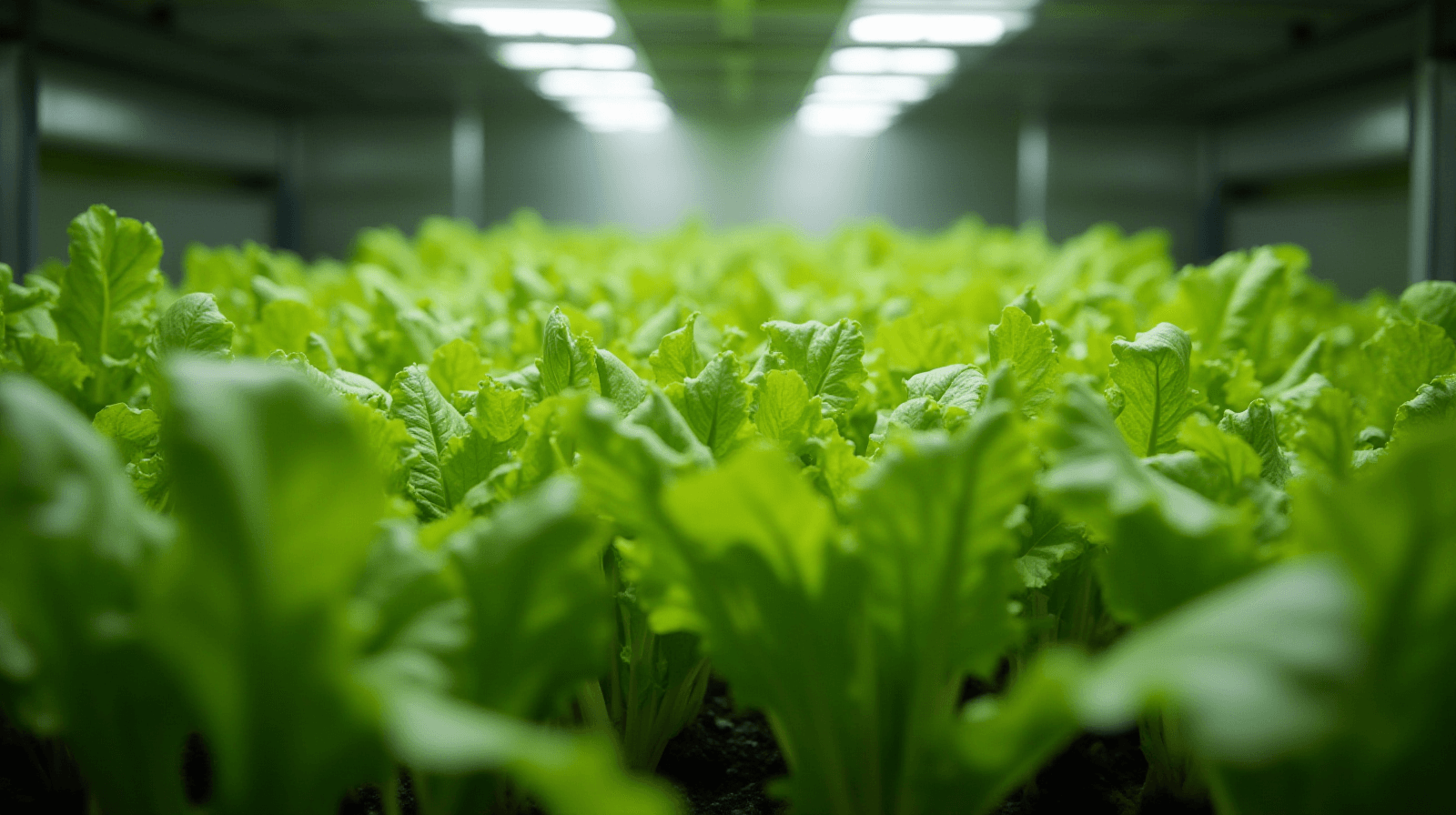
Stop Guessing: How Much Light Your Crops Really Need to Thrive
Written by David Rodgers — 2026-10-03
Matching light energy (DLI) to the specific demands of leafy greens versus fruiting crops.
The newsletter for backyard growers tired of advice that ignores their actual climate and crop needs.
hydroponicsindoor gardeninggrow lightscontrolled environment
The biggest trap when running indoor hydroponics
When you start moving your garden indoors, the first thing most people do is look for a "big" light. They see a number like 300 watts or 500 watts on a box and think that’s their magic ticket to success. It's a common mistake I see often: confusing raw power (wattage) with actual usable energy over time. Just because you have a high-wattage bulb doesn't mean your plants are getting the full benefit of it, but more importantly, having a huge light doesn't automatically mean they are receiving enough total energy to complete their biological tasks.
I’ve seen many folks get frustrated when their indoor peppers look spindly or their tomatoes won't set fruit, even though they spent a lot of money on a "pro-grade" light. Usually, the issue isn't that the light wasn't powerful enough at any given moment; it's that the total amount of energy hitting the leaf surfaces over a 24-hour period didn't meet what that specific plant needs to thrive. In the indoor world, we have to stop thinking about how "bright" the bulb is and start looking at the total volume of light the plant consumes every day.
What exactly is Daily Light Integral, and why should I care?
To get past the confusion of wattage, you need to look at something called DLI, or Daily Light Integral. Think of it like a bucket of water. If your goal is to water a garden for the day, it doesn't matter if you use one giant bucket once or ten small buckets over several hours—as long as the total amount of water in those buckets equals what the plants need.
DLI measures that "total volume" of light. It’s measured in mol/m²/day (moles of photons per square meter per day). For us home gardeners, this is a much more useful metric than watts because it tells us if the plant is actually getting enough "food" to do its job for the day. If you have a low-intensity light but leave it on for 18 hours, your DLI might be high enough for some crops. If you have a very powerful light but only run it for 6 hours, your DLI might be just as high. Understanding this helps you decide exactly how much "light food" your specific crop needs before you spend money on equipment that might be overkill or underpowered for what you actually want to grow.
Greens vs. Fruits: The energy divide
One of the biggest mistakes I see in small-scale indoor setups is trying to treat every plant like it has the same appetite. They don't. There is a massive gap between what a "leafy" crop needs and what a "fruiting" crop requires.
Leafy greens, like spinach or arugula, are relatively low-energy requirements. They just need enough light to build leaves and stay green. Fruiting crops—like tomatoes, peppers, and cucumbers—are the heavy lifters of the garden. These plants have to produce flowers, fruit, and seeds, which takes a massive amount of energy. If you provide "green" levels of DLI for a tomato plant, it might grow tall and leafy (stretching for more light), but it will never produce much fruit because it doesn't have the "fuel" to do so.
| Crop Category | Example Plants | Typical Target DLI Range | Growth Goal |
|---|---|---|---|
| Leafy Greens | Lettuce, Spinach, Kale | 10 – 20 mol/m²/day | Rapid leaf growth; minimal fruit production. |
| Herbs | Basil, Cilantro, Mint | 15 – 30 mol/m²/day | Aromatic oils and consistent foliage. |
| Fruiting Crops | Tomatoes, Peppers, Cucumbers | 30+ mol/m²/day | Flower set; fruit development; high yield. |
By understanding this divide, you can tailor your light schedule to the specific plant's needs rather than guessing based on what "looks" bright enough in the moment.
How to read your light setup—moving past lumens
If you walk into a big-box store and look at grow lights, they will tell you how many "lumens" the light produces. For us humans, lumens are great because it tells us how bright a room looks for our eyes. But plants don't have eyes; they have photoreceptors that respond to photons. While lumens can give you a general idea of brightness, they don't tell you much about the quality or quantity of energy reaching the lower leaves.
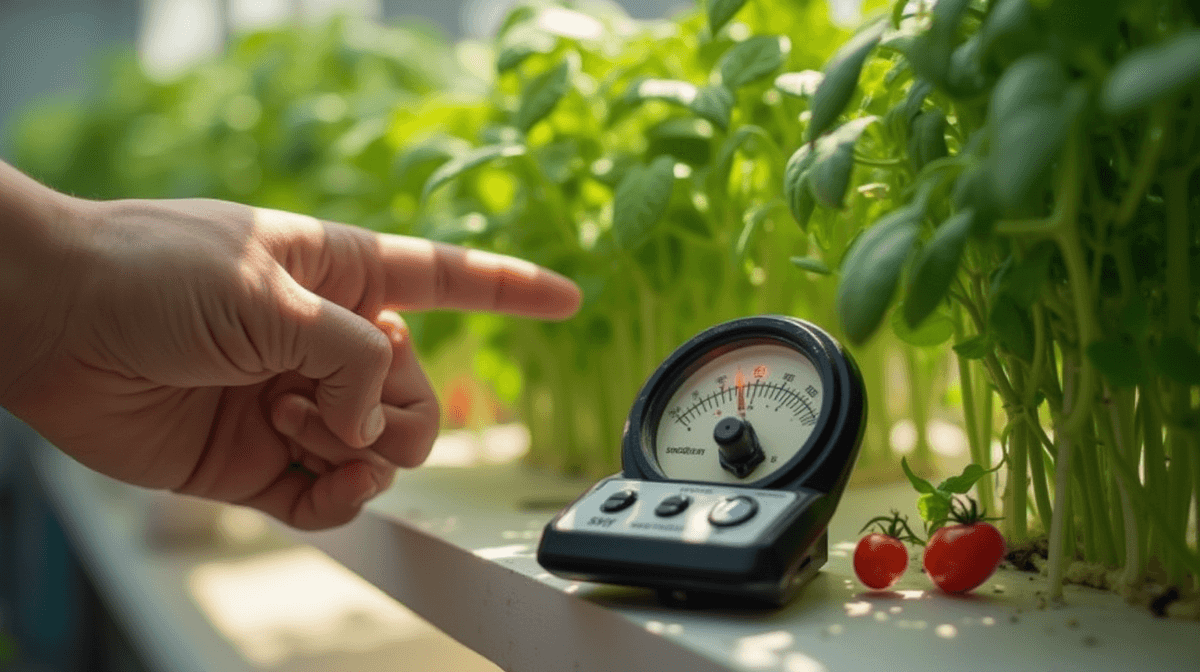
To move past this, look at intensity (often measured in PPF or μmol/s) and then calculate your DLI based on how many hours those lights are actually running. Just because a light is "bright" doesn't mean it’s enough; if your plants are small and you have them tucked under a very powerful light that only runs for 4 hours, they might still be "starving" for total energy. Conversely, if you have a weaker light but run it for 16 hours, you might hit the target for greens, but fail miserably on peppers. The goal is to find the balance where your lighting setup provides enough cumulative photons over the day to meet that DLI threshold we talked about earlier.
A few quick things to watch out for in a small closet setup
When you move into a smaller footprint like a closet or a dedicated grow tent, "perfect" light isn't just about the bulbs; it’s about how that light is distributed and managed within the space. I’ve seen many people have great lights but still struggle because of two specific issues: heat and uneven distribution.
- The Heat Trap: High-intensity lights generate significant heat. In a small, enclosed space, this can quickly turn your "garden" into an oven. If temperatures spike too high, the plant will spend its energy trying to survive the heat rather than growing fruit. Always ensure you have active ventilation—not just for the plants' health, but to keep those lights from overheating and failing.
- Light Fall-off: In a crowded closet, the top leaves of a pepper plant can get plenty of light while the bottom leaves are in total darkness. This is called "light fall-off." If your setup is too crowded or your lights aren't positioned correctly, you’ll end up with a "lollipop" effect where only the very top of the plant thrives.
To fix this, keep your spacing intentional. Give each plant enough room so that light can reach as much of the canopy as possible, and use fans to ensure air is moving consistently around every stem.
Next time you shop for grow lights...
The next time you’re looking at options, I want you to start with the "what" before the "how." Decide exactly what you plan to grow before you look at a single spec sheet. If your goal is just some fresh basil and lettuce for the kitchen, you don't need a massive industrial-grade array; you just need enough DLI to keep those greens happy. If you’re aiming for heavy hitters like peppers or tomatoes, you need to ensure your setup can hit that higher 30+ mol/m²/day mark consistently.
When shopping, look for:
- Targeted Output: Choose a light based on the specific DLI requirements of your primary crop.
- Manageable Footprint: Don't buy more "space" than you have; focus on high-quality distribution in the area you actually have available.
- Heat Management: Ensure any light you choose comes with an integrated cooling system or a manageable profile for your specific space (like a closet).
Don't let the marketing of "super-bright" lights distract you from what your plants actually need to make food. Focus on the total energy they receive over time, and you’ll spend less time frustrated by poor yields and more time enjoying the harvest.
Your turn
Are you using DLI calculations yet? Share what crop combination is giving you the biggest headache right now!
🌿 Get Seasonal Gardening Tips
New guides, planting reminders, and growing tips — straight to your inbox.
No spam. Unsubscribe anytime.
About the Author
David Rodgers is the Founder & Head Gardener of Planting Atlas. With over 40 years of hands-on gardening experience in Oklahoma's Zone 7 climate, he researches, writes, and personally tests every guide on the site.
David draws from real backyard trials, soil testing, and trusted sources like Oklahoma State University Extension and USDA data to deliver practical, zone-specific advice that actually works.
Read more about David and Planting Atlas →