Loading…
←Back to Newsletters
Hydroponics From Scratch · Part 4
Stop Guessing: How Much Actual Light Your Hydroponic Crops Really Need
Written by David Rodgers — 2026-09-29
Understanding DLI and why watts don't tell the whole story.
The newsletter for backyard growers tired of advice that ignores their actual climate and light needs.
HydroponicsGrow LightsIndoor GardeningLighting Science
Why Watts and Lumens Are the Wrong Metrics for Indoor Growing
When most people start growing indoors—whether it’s a few heads of lettuce in a closet or a full-scale hydroponic setup—the first thing they usually do is look at the light's wattage. They see "100 watts" or "200 watts" on a box and assume that means their plants are getting enough power to thrive. But here’s what I learned early on in my own backyard: just because you have a lot of power going into a bulb doesn't mean the plant is actually receiving the amount of energy it needs to grow properly.
Watts measure how much electricity your light fixture consumes from the wall, and lumens measure how bright that light appears to the human eye. Neither of these tells us anything about "food" for the plants. Think of watts like the size of a furnace in your house; it tells you how much energy is being produced, but not whether it's actually heating the right rooms or if enough heat is reaching each corner. For indoor growing, we need to move away from what the light does and focus on what the plant receives. If you only look at watts, you’ll find yourself guessing, and in gardening, guessing usually leads to disappointed results like spindly stems or tiny fruit.
What is Daily Light Integral (DLI), and why should you care?
To get consistent results, we need to talk about DLI, or Daily Light Integral. I know it sounds like a technical term from a lab manual, but it’s actually the simplest way to measure success in an indoor grow. Think of DLI as a "bucket" of light energy that your plants need to fill up every 24 hours.
Instead of worrying about how bright the light is at any one second (which is what lumens measures), DLI looks at the total amount of light that hits the leaves over an entire day. It’s cumulative. You can have a very intense light running for only a few hours, or a moderately bright light running for 16 hours; as long as they both deliver enough "units" into that daily bucket, the plant will be happy.
This matters because it allows you to plan your setup based on what the plant actually needs to survive and produce, rather than just guessing if a bulb is "bright enough." If you know your target DLI for a specific crop, you can adjust your timer or move your lights closer to ensure that bucket gets filled every single day. It takes the guesswork out of the equation.
The Big Difference: What Greens Need vs. What Fruit Needs
One of the biggest mistakes I see beginners make is treating all indoor plants as if they have the same appetite for light. They’ll grow a head of lettuce and a tomato plant in the same space, using the exact same lighting setup, and then wonder why the tomatoes are struggling while the lettuce thrives.
The reality is that different parts of the plant require vastly different amounts of energy to develop properly. Leafy greens like spinach or kale have relatively low light requirements; they just need enough "fuel" to build leaf tissue. Fruiting crops, however, are much more demanding. To produce a tomato or a pepper, the plant needs an enormous amount of energy to create sugars and complex structures. If you don't give them enough DLI, they won't die immediately, but they will struggle to produce anything of value.
| Crop Category | Typical Daily Light Need (DLI) | Expected Growth Behavior |
|---|---|---|
| Leafy Greens (Lettuce, Spinach, Arugula) | 10–15 mol/m²/day | Grow quickly with moderate light; stay compact. |
| Herbs (Basil, Cilantro, Mint) | 12–18 mol/m²/day | Need consistent light to develop strong oils and flavors. |
| Fruiting Crops (Tomatoes, Peppers, Cucumbers) | 25–35+ mol/m²/day | Require high intensity; will "stretch" if lit poorly. |
The Danger of Under-Lighting Your Crops
When a plant doesn't get enough light—meaning its DLI bucket isn't being filled to the level it needs for its specific stage of growth—it doesn't just stop growing. It starts trying to compensate. This is where you see "stretching" or etiolation. The plant realizes it’s in a low-light environment and begins to put all its energy into making the stems as long as possible to "find" more light.
In my experience, this results in several specific failure modes:
- Weak Stems: Instead of sturdy stalks that can hold up fruit, you get spindly, weak stems that flop over easily.
- Pale Color: The leaves may look a bit washed out or pale green because the plant isn't producing enough chlorophyll to keep up with its growth goals.
- Poor Flavor: This is the one that hurts the most in your kitchen. A tomato grown under insufficient light might still turn red, but it will often lack the concentrated sugars and flavor you expect from a sun-ripened fruit. It tastes "thin" or watery because the plant didn't have enough energy to create those complex flavors during the ripening phase.
If you see your plants getting long and leggy between the leaf nodes, they are telling you their DLI is too low. They aren't just growing; they’re struggling.
Dialing in Your Setup: A Practical Guide to Grow Lights
Once you know what your crop needs, you can start making adjustments based on facts rather than feelings. If you find that your current light setup isn't hitting the target DLI for a high-demand plant like a pepper, you have two main "levers" you can pull: time and distance.
1. Adjusting the Timer: If you have a moderate light but it’s not providing enough total energy over the day, don't just buy a bigger bulb—start by running your current lights for longer. For most indoor setups, 12 to 16 hours of "on" time is the standard range. If you are growing fruiting crops and they look weak, bumping that timer up can often fill that DLI bucket without needing more hardware.
2. Adjusting the Distance: The intensity of light drops off significantly as it travels away from the source. If your lights are just barely reaching the tops of your plants, you might need to move them closer. However, be careful—you want enough distance so you don't cook the leaves with heat or intense infrared radiation (depending on your bulb type).
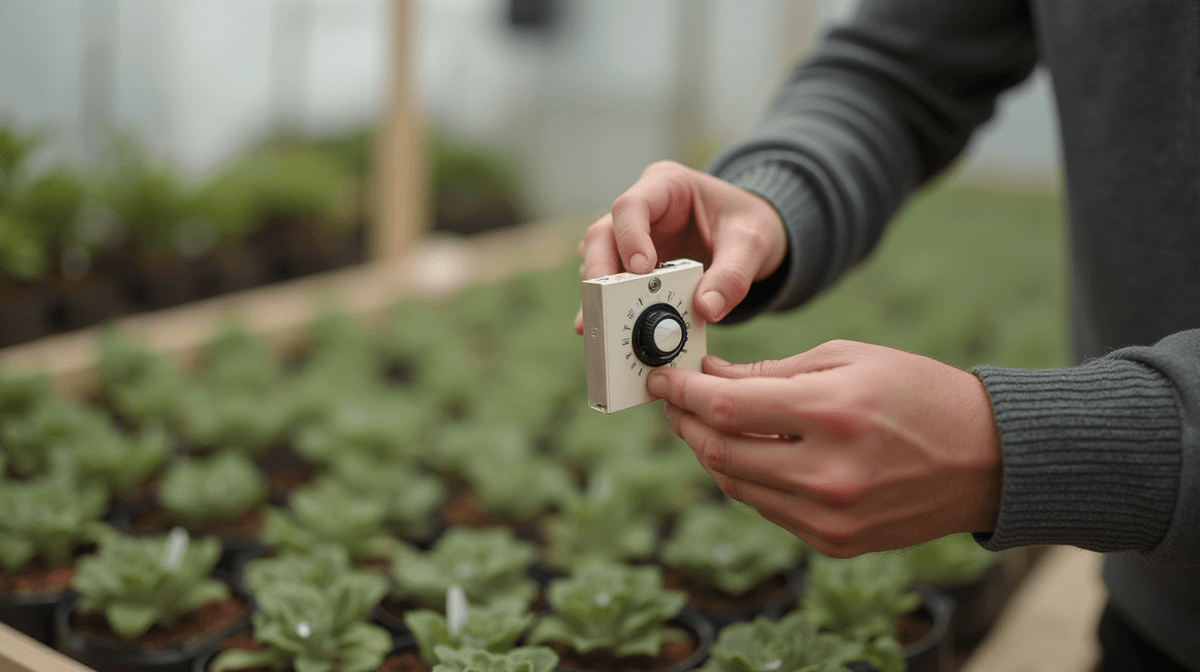
To simplify this, use a DLI calculator or a "system chooser" tool if you are planning a new setup. These tools help you calculate how many hours of light at a certain height will reach your target goal. It takes the guesswork out of it so you can know exactly what to expect before you even put a seed in the ground.
A Quick Check for Success: Are Your Plants Happy?
While numbers and DLI calculations are great for planning, you still need to use your eyes as a gardener. You don't want to be staring at a calculator every hour; you just want to know if the plant is thriving. There are several visual cues that will tell you if your lighting is adequate or if it’s falling short.
Signs of Success:
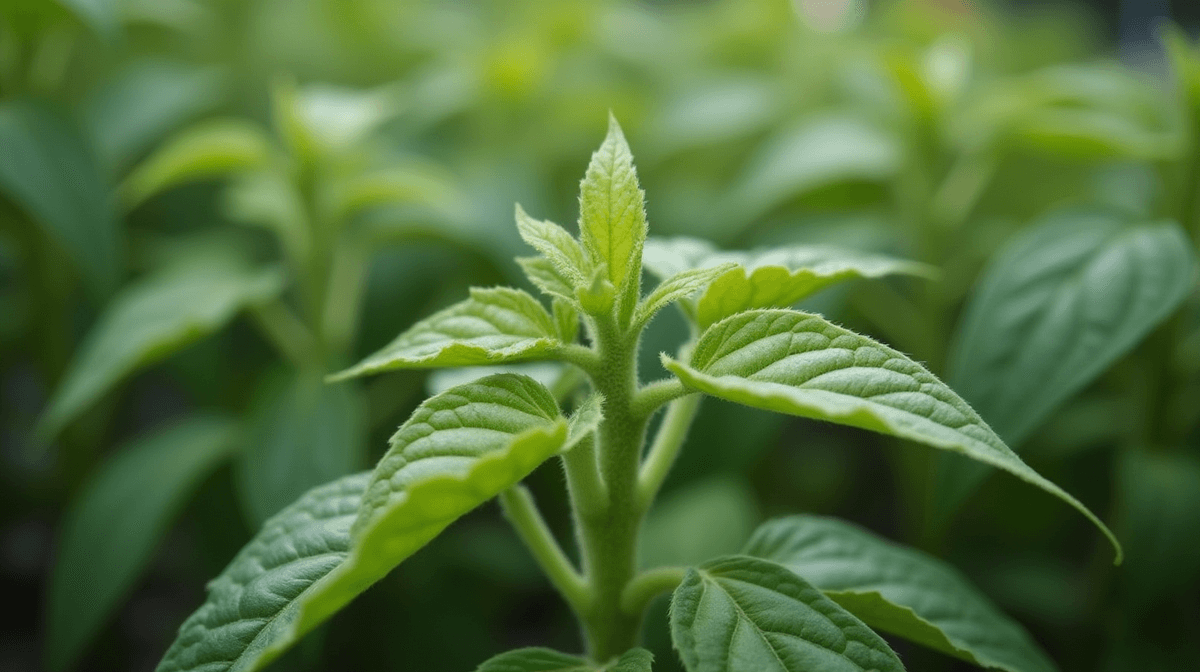
- Compact Growth: The distance between where one leaf meets the stem and the next (the internode) should be short. This means the plant feels "full" and doesn't need to stretch for more light.
- Deep Color: Leaves should have a rich, healthy green color (or the specific vibrant colors of your variety).
- Robust Stems: The main stalk should feel firm and sturdy enough to support its own weight as it grows larger.
Signs You Need More Light:
- Stretching: If you see long gaps between leaf clusters, the plant is "reaching" for more light. This means your DLI is too low.
- Pale or Yellowish Foliage: This can be a sign of nutrient issues, but it often indicates that the plant isn't getting enough energy to maintain its chlorophyll levels.
- Small Fruit/Poor Flavor: If you get plenty of fruit but they are small and lack flavor, your light intensity likely peaked too early or was insufficient during the flowering stage.
If you see these issues, don't panic—just adjust your timer or move your lights a few inches closer to give those plants the energy they need to produce their best work.
Your turn
What’s the hardest part about keeping things going in containers? Share your biggest indoor gardening struggle below, or send us an email!
Next issue
Next up, we move from jars to buckets. We'll show you how stepping up to deeper water culture systems allows you to grow those bigger crops like tomatoes and peppers.
🌿 Get Seasonal Gardening Tips
New guides, planting reminders, and growing tips — straight to your inbox.
No spam. Unsubscribe anytime.
About the Author
David Rodgers is the Founder & Head Gardener of Planting Atlas. With over 40 years of hands-on gardening experience in Oklahoma's Zone 7 climate, he researches, writes, and personally tests every guide on the site.
David draws from real backyard trials, soil testing, and trusted sources like Oklahoma State University Extension and USDA data to deliver practical, zone-specific advice that actually works.
Read more about David and Planting Atlas →