Loading…
←Back to Newsletters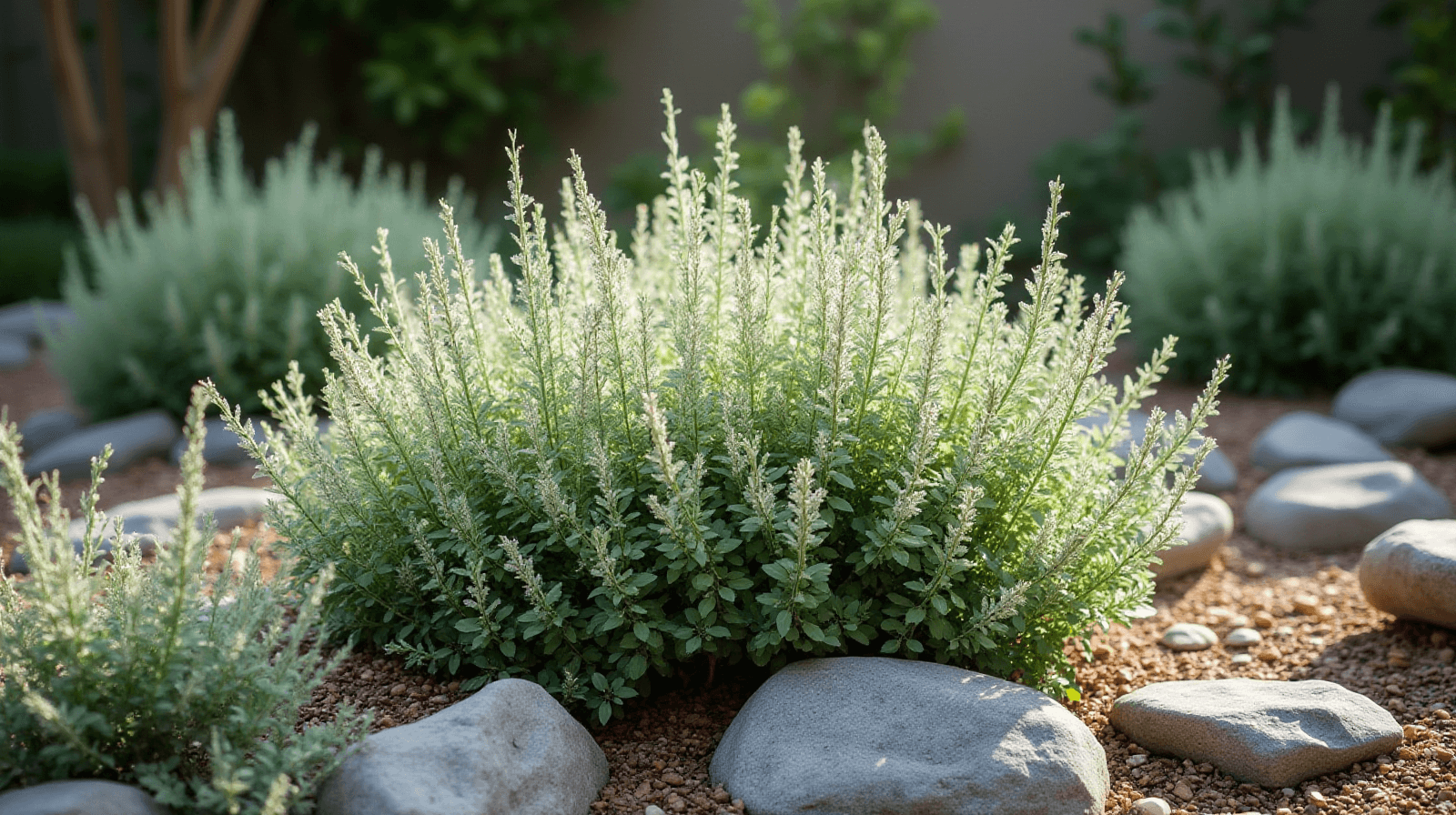

Snow-in-Summer: Easy Groundcover for Dry Spots and Slopes
Written by David Rodgers — 2026-08-13
Using this plant to finish hardscaping without the fuss of annuals.
The newsletter for backyard growers tired of advice that ignores their actual climate.
ground coverdrought toleranthardscapexeriscaping
When should you plant this stuff?
Timing is one of the biggest hurdles in gardening because it’s so dependent on where you live. For Snow-in-Summer (Cerastium tomentosum), you want to give the roots as much time as possible to settle before they have to deal with extreme heat or freezing temperatures. In my experience, there are two main windows for success.
The first is early spring—think late March through April in many zones—once the ground has thawed but before the summer heat starts baking the soil. This gives them a full growing season to establish their root systems. The second window is fall, typically October or November. Planting in the fall allows the roots to grow during the cooler months so that by next spring, they are already established enough to survive a hot July.
If you're in a harsher zone (like 4 or 5), getting them in during the fall is almost non-negotiable to ensure survival through winter. For those of us in warmer zones like mine (Zone 7), early spring is often better because it avoids some of the late-season humidity issues that can lead to rot.
| Planting Window | Best Months (Approx.) | Why It Works |
|---|---|---|
| Early Spring | March - April | Establishes roots before summer heat hits. |
| Fall | October - November | Allows root growth during cooler weather; avoids summer stress. |
Why is Cerastium so good at filling in bare spots?
One of the reasons I keep coming back to Snow-in-Summer for hardscaping projects is its "grit." Many people try to fill those awkward gaps between rocks or along stone paths with annuals, only to find themselves replanting the same spot every year because the flowers withered under a relentless sun.
Cerastium doesn't behave like that. It’s incredibly hardy and thrives in the kind of lean, dry conditions where other "pretty" plants would simply give up. It has a low-growing, spreading habit that makes it perfect for grounding a landscape rather than standing out as a singular focal point. Because it handles drought so well, you don't have to worry about it wilting every time the irrigation system takes a break or the summer heat spikes.
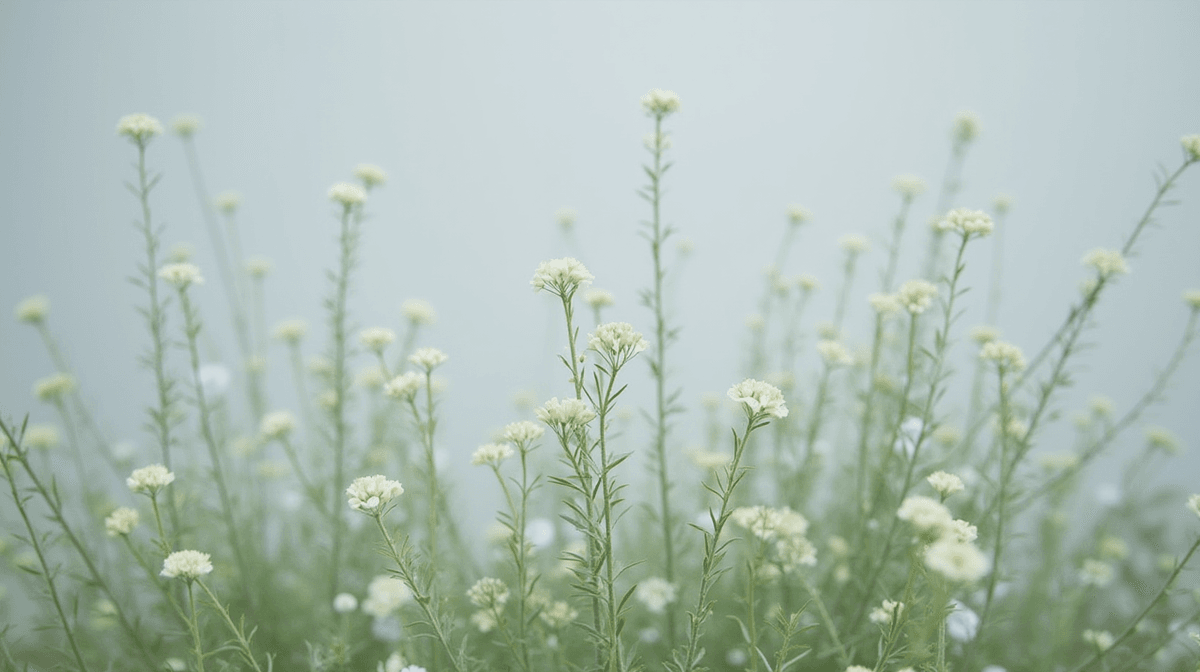
It also provides visual interest without being high-maintenance. The silvery-white foliage and small flowers offer a "washed" look that blends beautifully with stone. It’s not trying to be a showy, trophy plant; it’s doing its job by staying green (or silver) and filling the space where other things fail.
The biggest mistake people make with rock gardens.
The most common mistake I see—and one I made several times early on—is confusing "drought-tolerant" with "drainage-proof." Just because Snow-in-Summer is happy in dry soil doesn't mean it can sit in a puddle after a heavy rain.
A lot of people build rock gardens using heavy clay soils and assume that since they are putting rocks around the plants, everything will be fine. However, if the soil underneath those rocks stays saturated because it has no way to drain out, Cerastium will rot at the crown. You have to think about where the water goes after a downpour. If your site is a low spot where water pools for more than an hour after a storm, this isn't your plant—no matter how many rocks you put around it.
Another mistake is choosing a variety that’s too aggressive or tall for a small gap. Some cultivars can get "leggy" and start flopping over into the walking path if they aren't given enough room to breathe. Always check the specific cultivar's growth habit before you dig.
Setting it up: What does this plant need?
To get Snow-in-Summer to thrive, you have to provide the right foundation. It isn’t picky about what it eats, but it is very particular about where it lives.
- Sun Exposure: This plant needs full sun. In my experience, if you tuck it into a shady corner or under a heavy canopy of trees, it will become leggy and lose that tight, mounded shape. It wants at least six hours of direct sunlight to keep its silver color and bloom consistently.
- Soil Texture: It prefers well-drained soil. If your local dirt feels like heavy clay (it sticks together when you squeeze a handful), you should work in some grit or coarse sand before planting. This improves the "drainage" part of the equation that I mentioned earlier.
- Space Requirements: While it’s a groundcover, don't crowd them too much at the start. Give them enough room to spread naturally so they can establish their root systems without competing for resources immediately.
How to get it established without guessing.
Getting these plants through that first year is all about consistency until the roots take hold. If you plant in the spring, your goal is to get them comfortable before the summer heat hits.
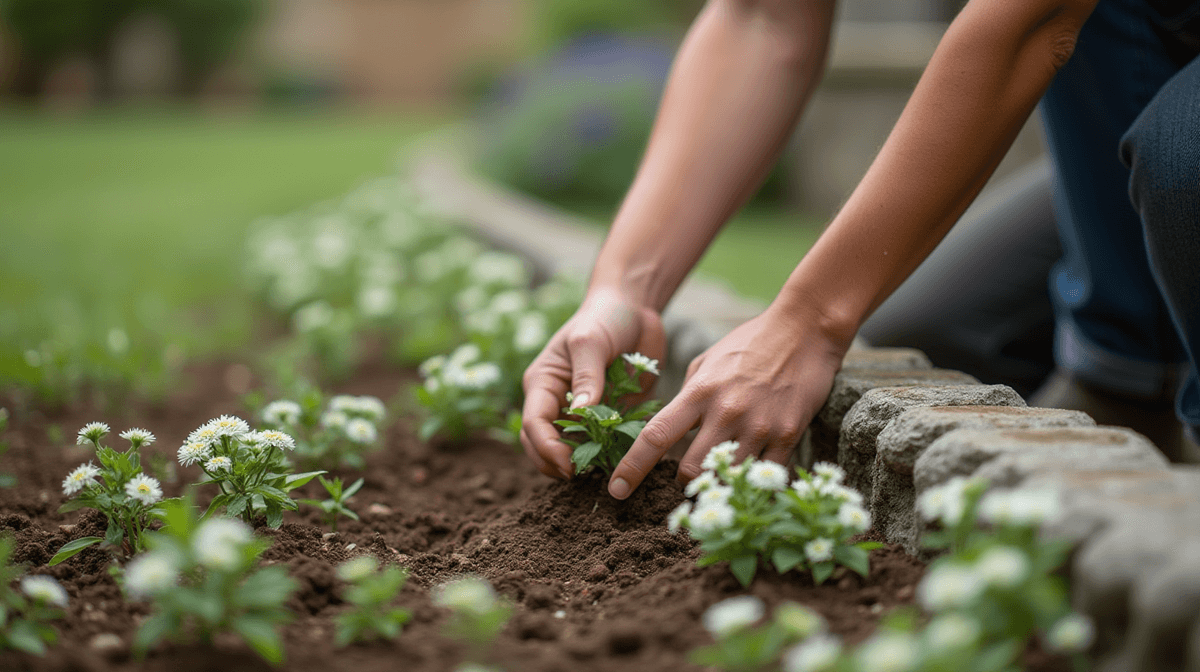
First, prepare the site by loosening the soil and mixing in some organic matter or grit if the ground feels heavy. When you set the plants, space them according to the specific cultivar's instructions—usually about 12 inches apart for a dense mat over time.
The "secret" is in the initial watering. For the first growing season (or at least the first full summer), you need to water them deeply and regularly. Even though this plant is drought-tolerant, it needs consistent moisture while its roots are still small and searching. Once you see that new growth starting to spread out from the center of the original plant, you can start pulling back on the watering. By your second year, in a well-drained spot with plenty of sun, these plants will be able to handle much drier spells without breaking a sweat.
Tips for making this plant last 40 years or more.
If you want a rock garden that stays looking good for decades rather than just a few seasons, you have to manage the "growth" part of growth habits. Because Snow-in-Summer is a perennial and not an annual, it will continue to spread every year.
Over time, especially in very favorable spots, it can become a bit "woody" or start to lean over if it gets too large for its space. Every few years, you should give the area a quick trim with garden shears to keep it neat and tidy against your stone borders.
The real trick to longevity is division. Every 3 to 5 years, dig up sections of the patch and divide them. This does two things: it keeps the original plants from getting too old and "tired," and it gives you a way to expand the groundcover into new areas without buying more nursery starts. When you divide them, just make sure each section has a good amount of roots left on it. By refreshing the colony every few years, you ensure that you'll have fresh, vigorous growth for decades rather than a stagnant patch that eventually thins out and dies back.
Your turn
What tricky spots in your yard are always bare? Let me know what groundcovers you’ve found success with nearby! Share this guide with a neighbor who has an empty rock garden.
🌿 Get Seasonal Gardening Tips
New guides, planting reminders, and growing tips — straight to your inbox.
No spam. Unsubscribe anytime.
About the Author
David Rodgers is the Founder & Head Gardener of Planting Atlas. With over 40 years of hands-on gardening experience in Oklahoma's Zone 7 climate, he researches, writes, and personally tests every guide on the site.
David draws from real backyard trials, soil testing, and trusted sources like Oklahoma State University Extension and USDA data to deliver practical, zone-specific advice that actually works.
Read more about David and Planting Atlas →