Loading…
←Back to Newsletters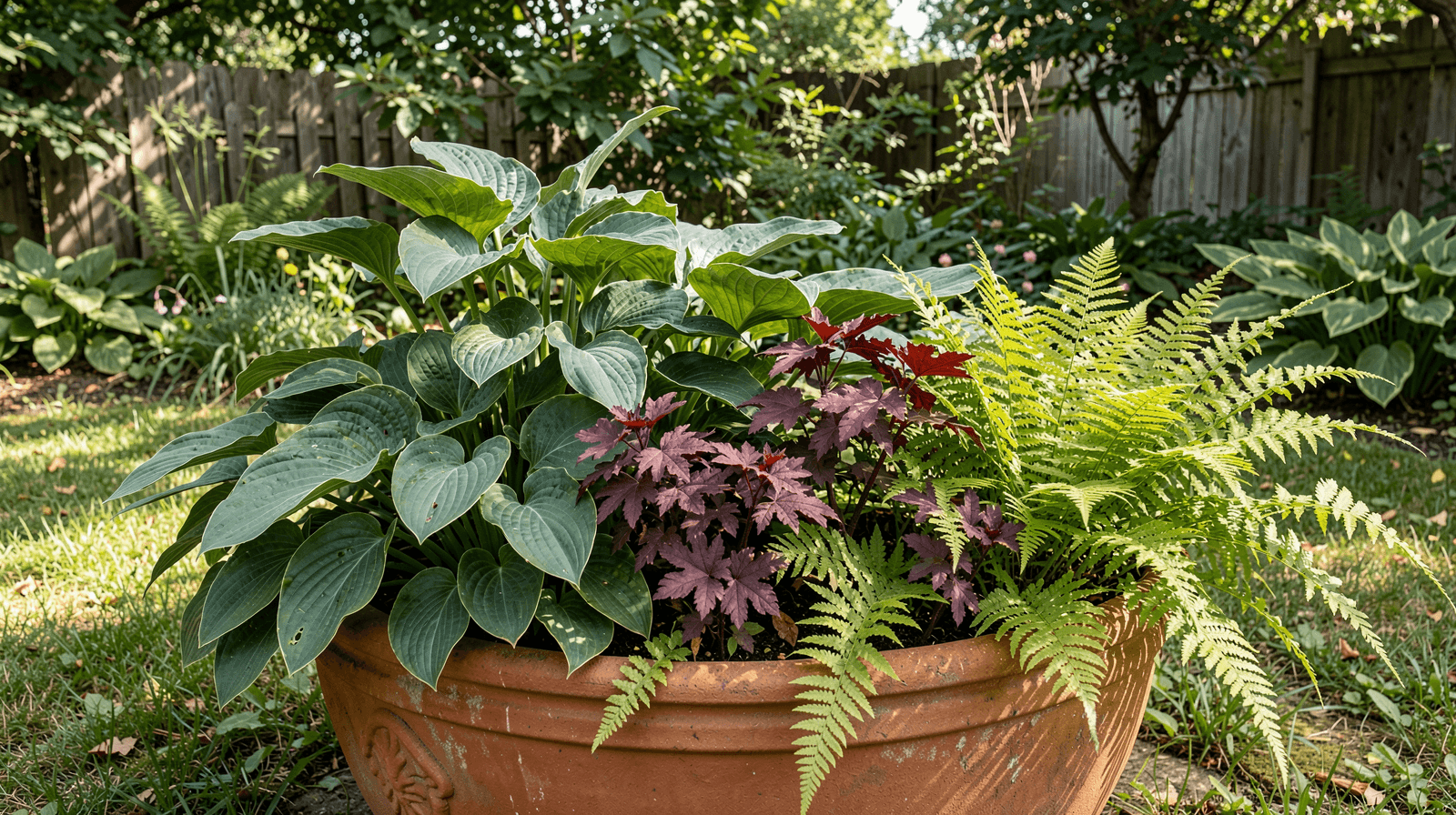
Shade Garden Designs That Don't Rely on Flowers
Written by David Rodgers — 2026-10-28
How to build stunning containers using only leaf color and texture.
The newsletter for backyard growers tired of advice that ignores their actual climate.
ContainersFoliage DesignShade GardeningLow Maintenance
The mistake most people make when planting in the shade
I see this happen every spring and summer—gardeners head to the nursery, grab a few beautiful flowering plants for their shady porch or walkway, and they look fantastic on day one. But by mid-July, especially here in Oklahoma where that humidity can be heavy even under a canopy of trees, those flowers are spent. They drop their petals, turn brown, and suddenly your container looks like a graveyard of dead stems.
The mistake is thinking that "interest" only comes from blooms. If you rely on seasonal flowers to do all the heavy lifting, you’re essentially designing a garden for one week out of every month. In my experience over forty years in Zone 7, it's much more rewarding—and frankly, less frustrating—to build a container around foliage first. When you choose plants based on their leaves, your "garden" stays vibrant and full even when nothing is blooming. You aren't waiting for a miracle; you’re enjoying the permanent structure of the plant. A well-designed shade container should look just as good in August as it did in May.
Seeing containers through a foliage lens: what color and texture really mean
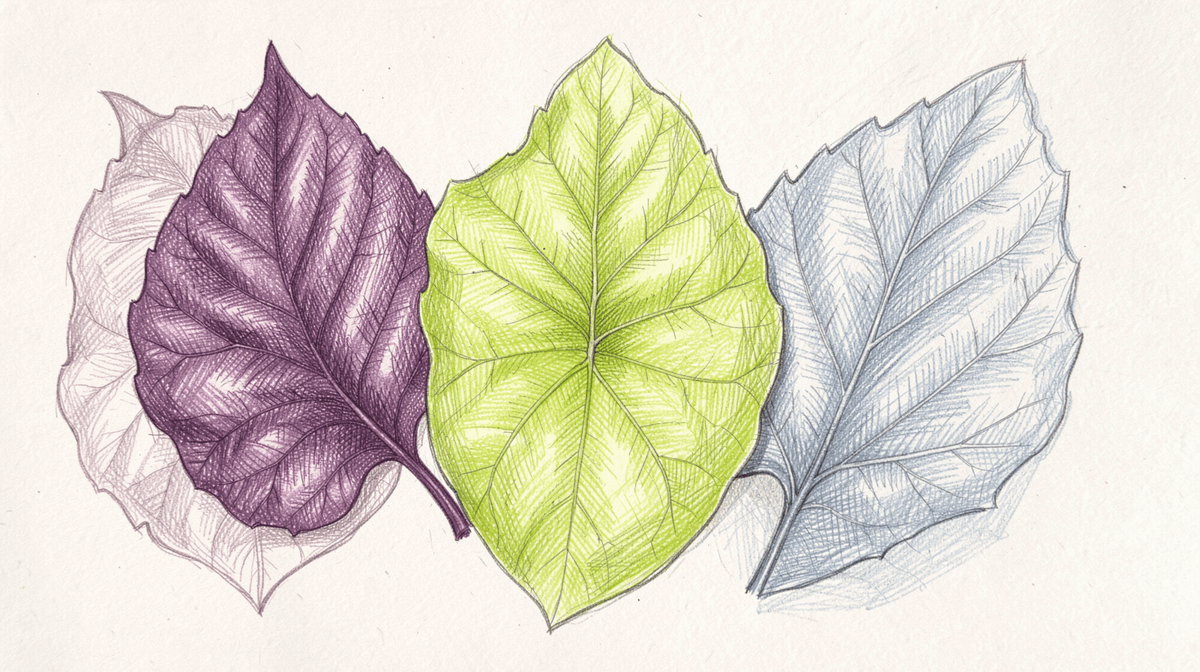
When we stop looking for flowers, we have to start "looking" at the leaves differently. Think of your container like an interior design project; you’re choosing a palette of colors and textures rather than just picking out furniture. In a shade garden, light is often soft and diffused, which means subtle differences in leaf color can actually stand out more clearly.
Color Contrast
You want to play with the "temperature" of your greens. Putting a lime-green plant next to a deep forest green creates an instant pop that doesn't require a single petal. You might pair a silvery-blue hue (like some ornamental grasses or hostas) against a warm, golden leaf.
Texture and Form
Texture is what gives the container its "3D" feel. If everything in your pot has broad, flat leaves, it will look flat and boring from a distance. You want to mix it up:
- Broad and Bold: Large-leafed plants provide the weight and foundation.
- Feathery and Fine: These break up the big shapes and add movement when a breeze hits them.
- Glossy vs. Matte: A shiny, waxy leaf reflects what little light you have, while a fuzzy or matte leaf absorbs it, creating depth in the shadows.
The biggest danger zone plants face: root rot from poor drainage. I learned this the hard way...
There is a common misconception that because a plant likes shade, it must love to sit in "wet" soil all day long. That’s a fast track to a dead garden. Early on in my backyard journey, I tried to keep some prized ferns happy by overwatering them and using heavy potting soil that stayed like mud for weeks. Within a month, the centers of the plants turned into mush, and they just collapsed.
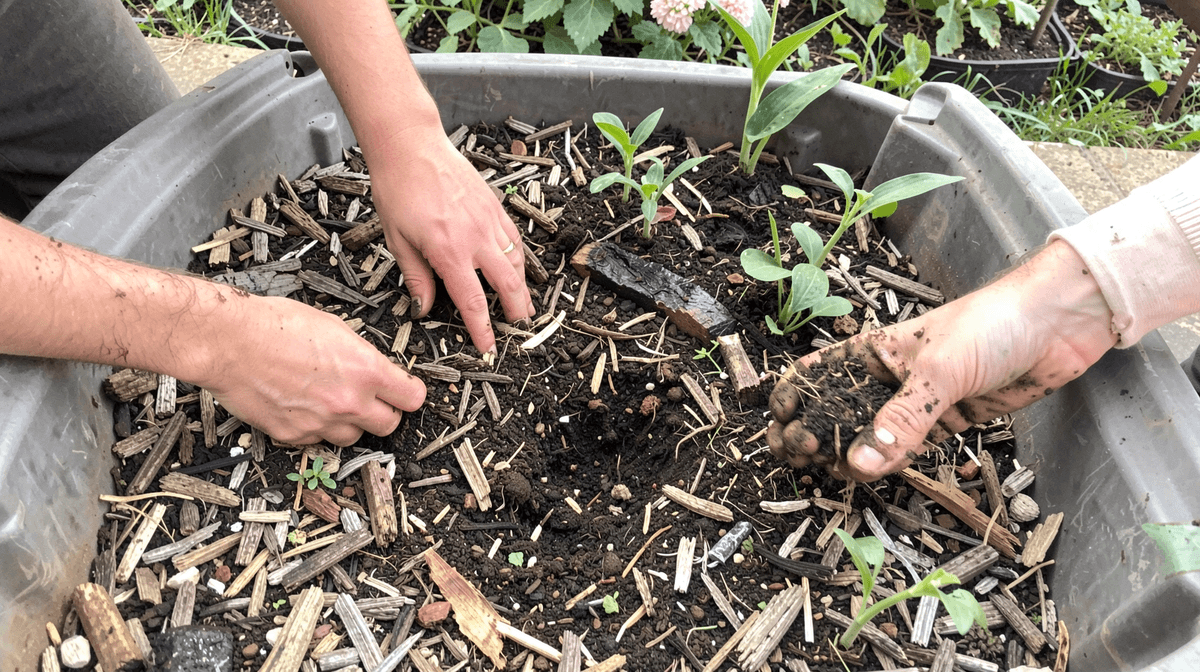
The reality is that shade environments often have less airflow and slower evaporation than sunny spots. This makes drainage your absolute highest priority. If you’re planting in containers, you need to ensure there are large enough holes at the bottom for water to actually escape. I've learned that "moist" soil is the goal—never "swampy." When you see a plant starting to look yellow and limp even though the soil feels like a sponge, it’s likely suffocating because its roots can't breathe. Always choose a high-quality potting mix designed for containers; never use straight garden dirt or heavy clay in a pot, no matter how much shade there is.
Three workhorse plant types for any shade mix
If you want a container that survives the seasons and keeps looking intentional, I always go back to these three categories of "workhorses." These are my reliable bets because they provide consistent structure without needing constant fussing.
| Plant Type | Why it Works | Texture/Visual Contribution |
|---|---|---|
| Ferns (e.g., Autumn Fern, Japanese Painted) | They love the humidity and deep shade; very hardy in Zone 7. | Provides that classic "feathery" texture and movement. |
| Hostas | The ultimate shade staple. They come in every shape and size imaginable. | Offers broad leaves for weight and massive variety of colors (blue, gold, white). |
| Groundcovers/Spillers (e.g., Vinca Minor or Pachysandra) | Great for trailing over the edge of a pot to soften the look. | Provides "overflow" that hides the rim of the container. |
I personally lean on Japanese Painted Ferns because they offer that silvery-white variegation that really shines in low light, and I pair them with large-leafed Hostas to give the pot some real "heft." They don't need a lot of special tricks—just good soil and consistent moisture.
Designing the space: building depth from top to bottom
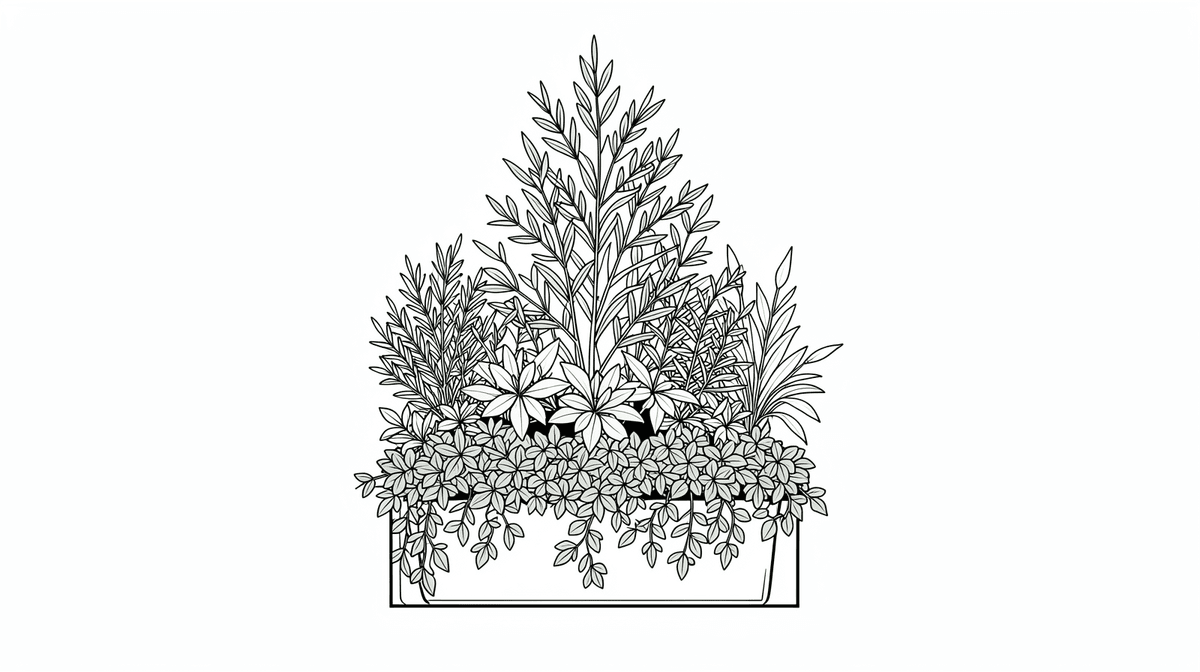
A great container isn't just a collection of plants shoved into one bucket; it’s an architectural arrangement. I like to think about this in three layers, which helps ensure that every inch of the pot looks full and finished.
The "Thriller" (The Tall One)
This is your focal point. It should be the tallest plant in the center or slightly off-center. In a shade container, this might be a tall fern or a variety of Hosta with upright growth. Its job is to give the eye a place to land first.
The "Fillers" (The Body)
These are your workhorses that fill out the middle space around the base of your Thriller. You want these to have different leaf shapes than your center plant. If your tall fern is feathery, use Hostas here for those broad, solid blocks of color and texture.
The "Spillers" (The Edge)
This is what makes a container look professional rather than just like a pot with plants in it. You want something that will naturally lean out or trail over the side. A low-growing vine or a trailing groundcover hides the hard edge of the ceramic and connects the plant to its environment.
Simple care adjustments for shady containers in Zone 7 or similar climates
Because we are dealing with shade, your "maintenance" schedule is going to look different than what you see in most gardening books. In our region, even a shaded porch can get incredibly hot during a July heatwave. However, because the leaves aren't being hit by direct sun all day, they don't lose moisture as quickly as plants in an open bed.
Watering
Don't water on a strict "every morning" schedule. Instead, use the finger test. Stick your finger about two inches into the soil; if it feels damp, leave it alone. In the height of summer, you might need to water every other day, but during our cooler spring months, those shade containers might only need a deep soak once or twice a week.
Feeding
Plants in the shade grow more slowly than those in full sun, which means they don't "eat" as much fertilizer. If you over-fertilize them, you risk "burning" the roots or causing a massive growth spurt that the plant can’t sustain. Use a balanced, slow-release fertilizer once in the spring and again in early summer. That’s usually plenty to keep them looking lush without doing any extra heavy lifting.
Bottom line: Start small, but start smart
It is easy to get overwhelmed by trying to turn your entire porch into a tropical oasis overnight. My best advice? Pick one container. Just one. Choose a pot you like and try building one "foliage-first" design using the principles we talked about today—focusing on those three layers of texture and color.
Gardening is a game of trial and error, but by focusing on foliage first, you’re removing the biggest variable: the unpredictable nature of flowers. Once you get that one pot looking right, you'll have the confidence to move to the next one. You don't need a perfectly manicured estate; you just need one successful corner where you can sit back and enjoy what you grew.
Your turn
What's the hardest corner in your yard? Send me a picture or tell me about it below—we can talk specific pairings. Have you ever tried mixing plants from completely different garden families?
🌿 Get Seasonal Gardening Tips
New guides, planting reminders, and growing tips — straight to your inbox.
No spam. Unsubscribe anytime.
About the Author
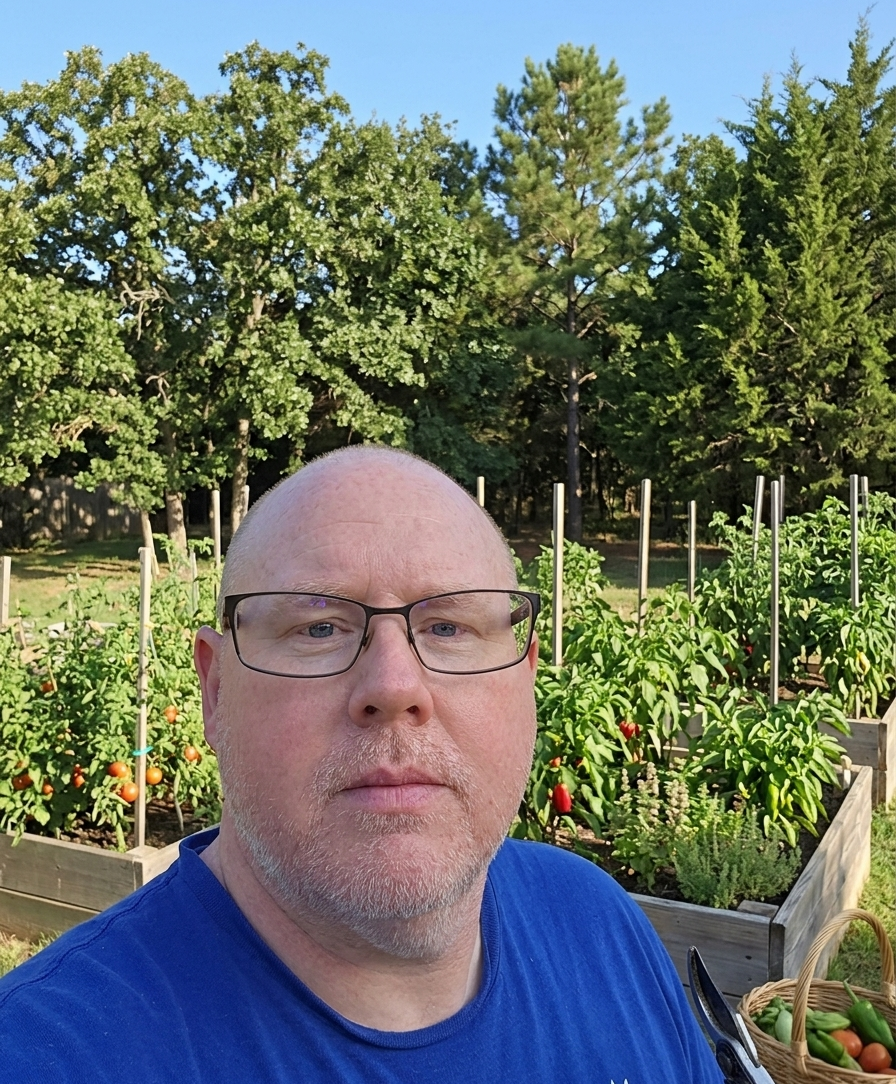
David Rodgers is the Founder & Head Gardener of Planting Atlas. With over 40 years of hands-on gardening experience in Oklahoma's Zone 7 climate, he researches, writes, and personally tests every guide on the site.
David draws from real backyard trials, soil testing, and trusted sources like Oklahoma State University Extension and USDA data to deliver practical, zone-specific advice that actually works.
Read more about David and Planting Atlas →