Loading…
←Back to Newsletters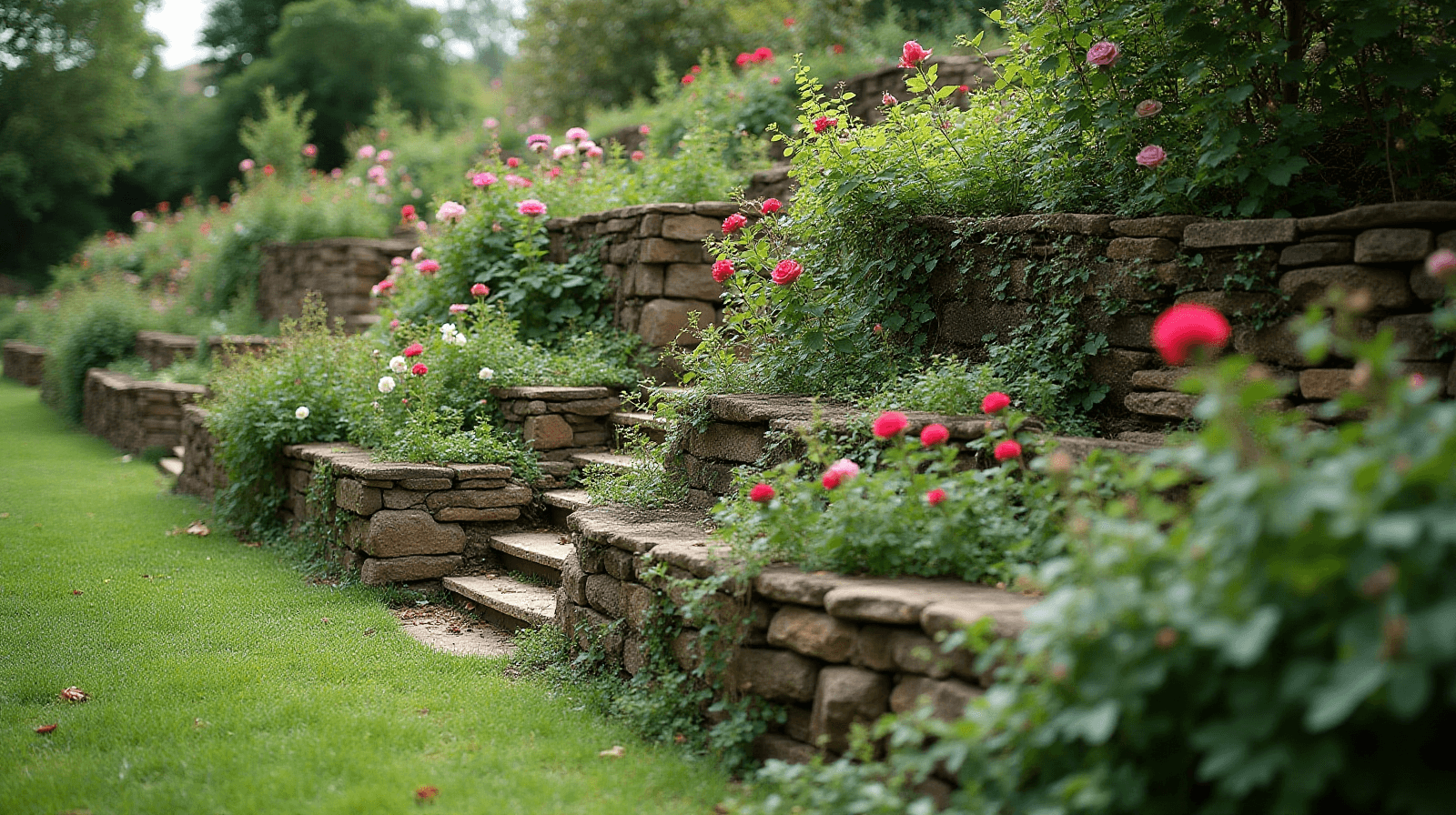

Mastering Your Slope: Structural Planting for Challenging Grades
Written by David Rodgers — 2026-10-03
How retaining walls, groundcovers, and smart plant selection can stabilize steep terrain year-round.
The newsletter for garden owners who want to maximize beauty and function, even when gravity is working against them.
Sloping GardensRetaining WallsStructural PlantingGroundcover
When gravity works against your curb appeal (and how to stop it)
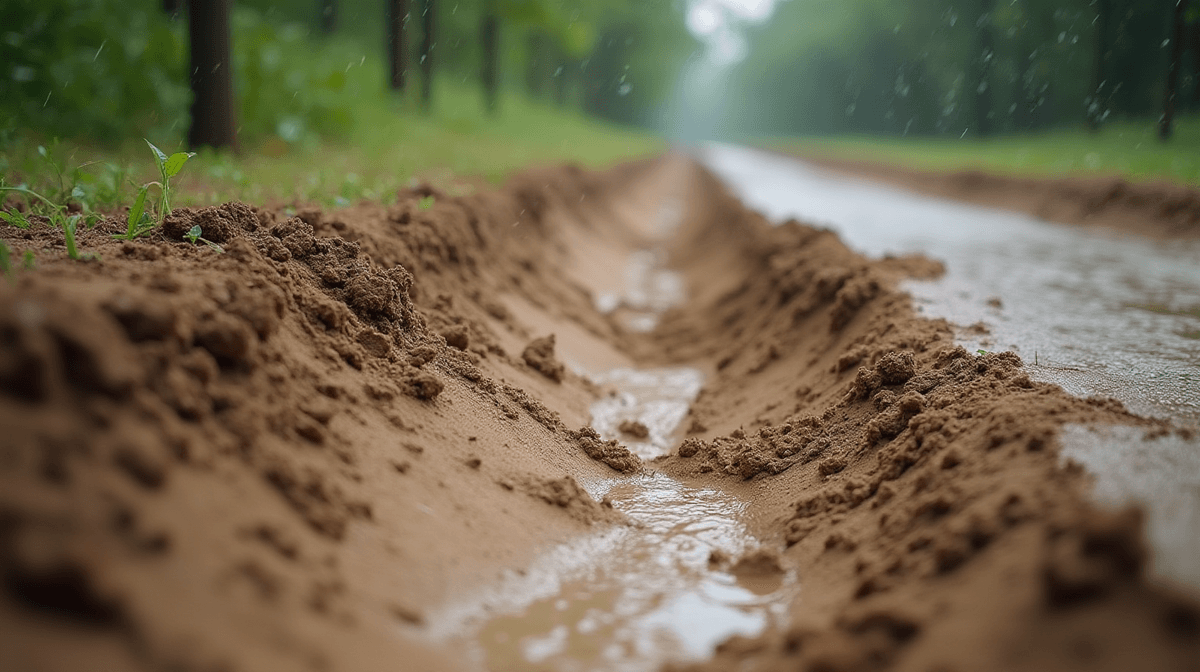
If you’ve ever looked at a sloped part of your yard and thought about planting something beautiful there, you already know the primary enemy: gravity. On a flat lot, soil stays where you put it. On a grade, soil is constantly looking for an excuse to move. When a heavy rain hits—the kind that turns a garden into a riverbed—that loose dirt starts migrating downhill.
If you don't address the structure of the slope first, your hard work won't just be washed away; it will literally slide off. Erosion isn't just an aesthetic problem where things look "messy"; it’s a structural failure that exposes roots and creates deep gullies that are nearly impossible to fill repeatedly. I’ve seen many folks try to fight this by simply throwing more mulch down every spring, only to find the same gully reappearing by July. To keep your garden from becoming a moving target, you have to stop thinking like a decorator for a moment and start thinking like an engineer. You need to stabilize the ground before you can beautify it.
The biggest rookie mistake on any grade
The most common mistake I see—and one that costs both time and money—is trying to "plant your way out" of a structural problem. It’s tempting to buy some pretty flowers and toss them onto a hillside, hoping they’ll take hold and look nice while doing the heavy lifting for you. But if the underlying soil is moving or draining poorly because of the grade, those plants are fighting an uphill battle in every sense of the word.
When roots can't find a stable anchor point because the dirt around them is shifting or washing out, they eventually give up. You’ll see "holes" appearing where your shrubs used to be, or you'll notice that only the toughest, most invasive weeds are surviving while your intentional plantings wither. This is the failure mode of prioritizing aesthetics over foundation. A plant can survive a lot—drought, heat, and pests—but it cannot thrive if its home is literally moving beneath it. You have to fix the ground first so the plants can focus on growing rather than just trying to stay put.
Step one: Building from the ground up (the hard stuff)
Before you even think about a seed packet, you have to address the "hard" infrastructure. On a significant slope, this means proper grading and, in many cases, retaining walls. Grading is simply ensuring that water moves where you want it to go—away from your houseed foundation and across the yard—rather than carving channels into your garden beds.
If the grade is steep enough that soil is visibly migrating or pooling in places it shouldn't, a retaining wall becomes a non-negotiable tool. A well-built wall doesn't just hold back dirt; it creates "steps" of level ground where plants can actually establish themselves without being overwhelmed by gravity. And here is the part people often skip: drainage. A retaining wall without a proper drainage system behind it is just a dam waiting to fail. You need to install gravel and perforated pipes so that water pressure doesn't build up and push your wall out of alignment. It’s not the most glamorous part of gardening, but it’s what keeps your yard from becoming a disaster zone after a heavy storm.
The plant's role: Stabilization through coverage
Once you have a stable structure, the plants are brought in to act as your living armor. On a slope, "pretty" isn't enough; you need functional growth. You want plants that provide continuous, year-round coverage because any exposed soil is an invitation for erosion.
I look for three specific types of growth on grades:
- Deep-rooted shrubs: These act like anchors, weaving through the subsoil to hold the earth in place.
- Tenacious groundcovers: You want these to knit together into a dense mat. Think of them as a living carpet that protects the soil from the impact of heavy raindrops.
- Vines and climbers: When used correctly on fences or over arches on a slope, they can provide massive amounts of foliage to shield the ground without taking up precious horizontal space.
The goal is to eliminate "dead zones." If you have a gap in your planting where soil is exposed, that's where erosion will start. You want a layered look—something high and woody for structure, and something low and dense to hug the dirt. This ensures that even when things go dormant in the winter, there’s still enough bulk to keep the ground covered.
Choosing the right plant for the wrong job (a quick guide)
Not every plant is suited for a slope. A common mistake is putting a thirsty, moisture-loving shrub on a dry, south-facing bank where it will bake and die in three years. Conversely, you don't want to put a drought-tolerant succulent in a low spot that stays soggy after a rain. You have to match the plant’s "personality" to the specific microclimate of your grade.
Use this checklist when selecting your mix:
- For Dry/Hot Slopes: Look for native grasses and deep-rooted shrubs that can handle high evaporation rates. These should be placed on south or west-facing slopes where sun exposure is highest.
- For Shaded/Moist Low Points: Choose ferns, hostas, or moisture-tolerant groundcovers that thrive in the "drip zone" of a slope.
- For High-Traffic Edges: Use hardy, dense shrubs that can withstand being brushed against by neighbors or pets without losing their shape.
| Slope Condition | Preferred Plant Type | Example Function |
|---|---|---|
| Dry & Sunny | Native Grasses / Hardy Shrubs | Drought tolerance; prevents "baking" out |
| Shady & Damp | Ferns / Mossy Groundcovers | Handles moisture retention; fills low spots |
| High Erosion Area | Dense, Mat-forming Groundcover | Provides a physical barrier against water runoff |
Zone notes on managing slopes
Your location dictates your timeline for getting these structures in place. In many regions, the "window" for heavy construction and soil movement is narrow. If you live in a zone with harsh winters or early spring thaws (like those seen in the northern US), you need to get your retaining walls and drainage systems installed before the ground freezes or the heavy rains begin. You don't want to be trying to move tons of rock and dirt when the soil is muddy and unstable.
Furthermore, root establishment is a major factor in zone-specific planning. In warmer zones, you might have a longer growing season to establish your "stabilization" plants, but you still need enough time for them to get established before the peak summer heat hits. For example, if you are planting on a dry slope in a hot zone, it is often better to plant in early spring so the root systems can go deep before the July heat sets in. Regardless of your zone, always prioritize getting your "anchor" plants—the larger shrubs and perennials—into the ground as early as possible so they can establish their grip on the soil before the next season's weather cycle begins.
What to look out for this season
Treat a slope like a piece of infrastructure that needs a regular check-up. It’s not just about "gardening"; it's about maintenance. This season, take a walk through your yard and specifically look at the transition points where your garden meets any grade changes.
Check these three things:
- Wall Integrity: Look for cracks in retaining walls or signs of shifting. If you see a gap opening between the wall and the soil behind it, that's a sign that drainage might be failing or the earth is moving too much.
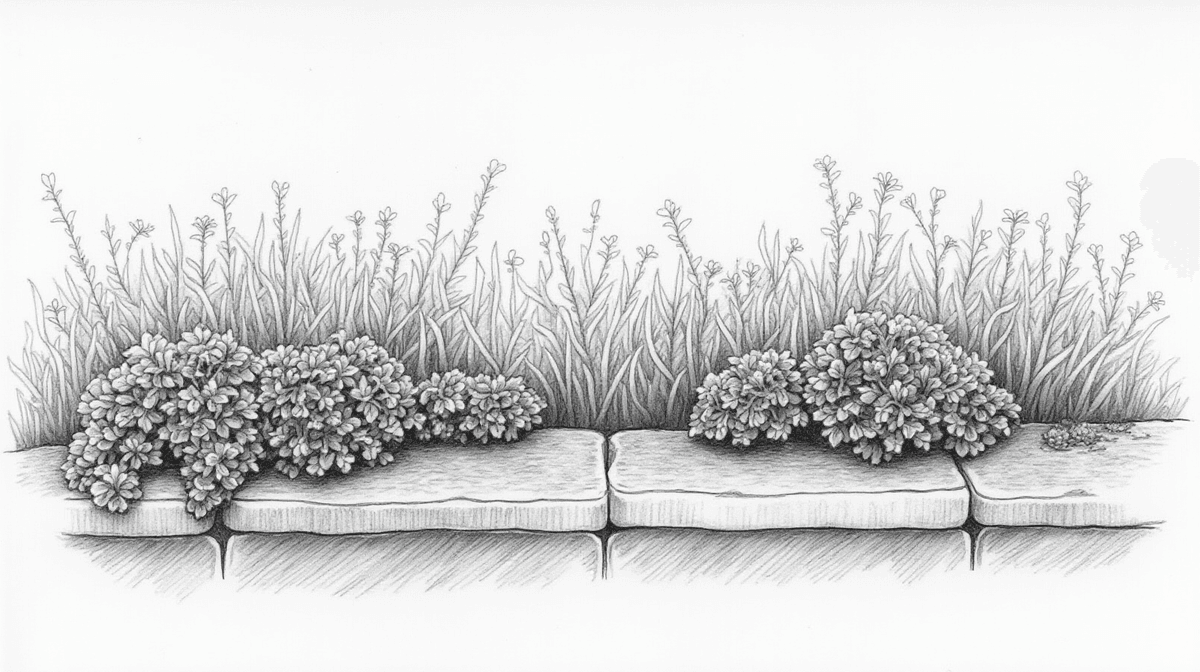
- Drainage Paths: Walk your property during a heavy rain if possible (or look at where water pools after one). Are there "rills" or small channels forming? If so, you may need to add more gravel or redirect some of that flow with a decorative stone border.
- Mulch Management: On a slope, mulch moves. It’s common for it to wash down into the bottom of a grade. Instead of just adding more, look at why it's moving. You might need "stapling" techniques—using larger rocks or logs as anchors for your mulch piles so they stay put during the next big storm.
Clear out any debris that has collected against your walls or in drainage pipes. Keeping these paths clear ensures that water stays where you want it to go, keeping your soil—and your plants—exactly where they belong.
Your turn
Does your yard have a tricky incline or decline? Share photos of your toughest gardening spots below and let us know what structural problems you're facing. Which garden feature do you think is most overrated: the fancy retaining wall, or just letting robust vines take over?
🌿 Get Seasonal Gardening Tips
New guides, planting reminders, and growing tips — straight to your inbox.
No spam. Unsubscribe anytime.
About the Author
David Rodgers is the Founder & Head Gardener of Planting Atlas. With over 40 years of hands-on gardening experience in Oklahoma's Zone 7 climate, he researches, writes, and personally tests every guide on the site.
David draws from real backyard trials, soil testing, and trusted sources like Oklahoma State University Extension and USDA data to deliver practical, zone-specific advice that actually works.
Read more about David and Planting Atlas →