Loading…
←Back to Newsletters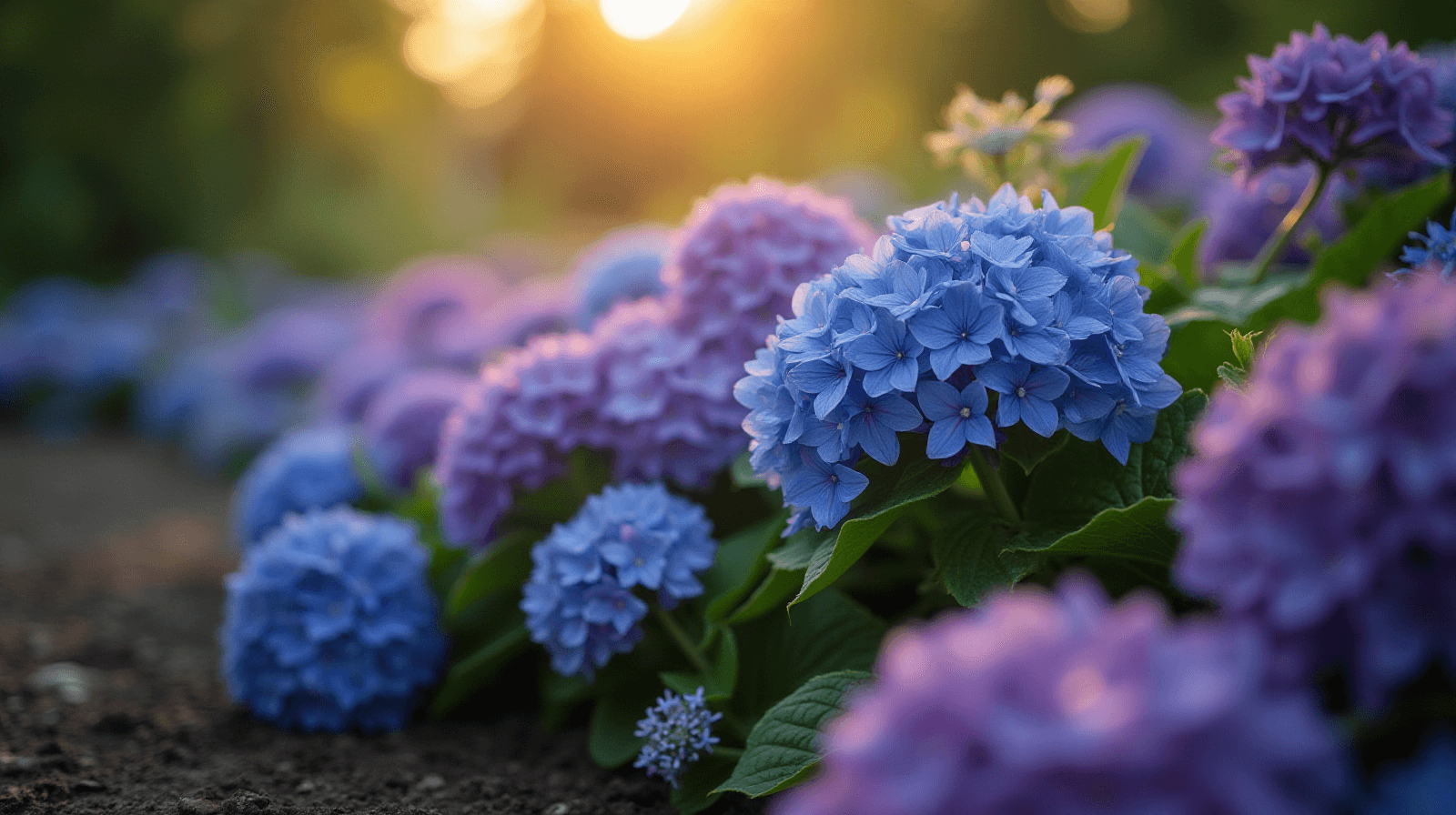
Making Your Garden Pop When Everything Else Is Tired.
Written by David Rodgers — 2026-08-03
The best varieties to keep the color going from July through September.
The newsletter for backyard growers tired of advice that ignores their actual climate.
heirloomsperennialscolor-blockingzone_specific
The Problem: Midsummer Bloom Fatigue
If you’ve spent any time gardening in Oklahoma or other parts of Zone 7, you know that July isn't just a month; it’s an endurance test. By mid-July, the humidity rises and the temperatures climb into that triple-digit range where many common garden plants simply start to look exhausted. You might notice your beautiful annuals—the ones that looked so vibrant in June—suddenly stop producing new flowers or seem to "frizzle out" under the relentless sun.
I call this midsummer bloom fatigue. It’s not just a lack of water; it's a physiological response where plants prioritize survival over reproduction. When the heat becomes too intense, many varieties will drop their blossoms prematurely because they can no longer sustain them. This creates that "tired" look in the garden where everything seems to go dull and dusty by August. The goal isn't just to keep things alive; it’s to select specific cultivars that are built for this kind of heat. Instead of fighting nature, we want to choose plants that have the stamina to stay colorful even when the weather is trying its hardest to shut them down.
Tomatoes and Basil: The Heat-Tolerant Staples
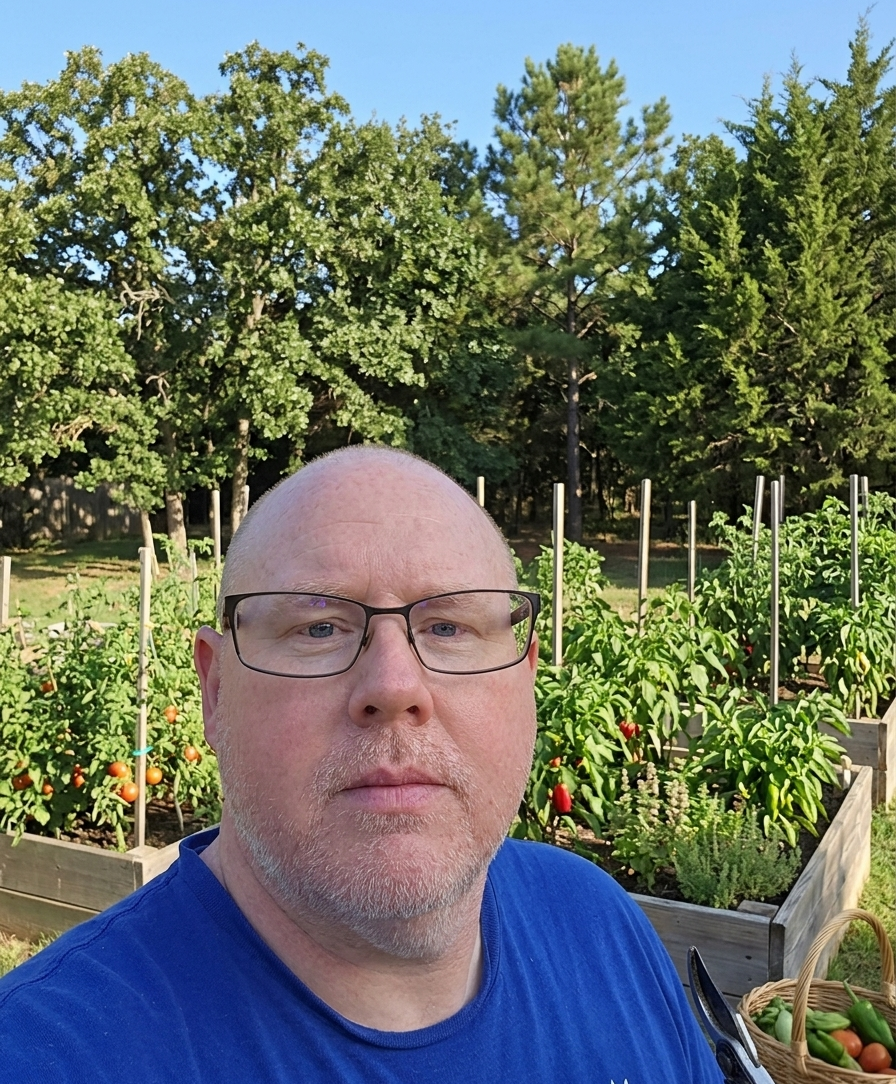
When we talk about "garden staples," many people think only of their flowers, but for me, a vibrant vegetable patch provides some of the most consistent color in late summer. In my experience, not all tomatoes are created equal when it comes to heat. Many common varieties will stop setting fruit or become bitter once July hits. However, certain heirlooms like Costoluto have proven themselves to be incredibly reliable. They hold their shape and keep producing even as the temperatures climb, providing a steady supply of fruit that doesn't give up on you during the peak of summer.
Basil is another one where selection matters immensely. A lot of "standard" basil varieties will bolt—shooting up into tall, woody stalks and flowering out of stress—the moment they get too hot. You want to look for specific varieties that are bred for high-heat production and aren't prone to bolting as quickly. By choosing these heat-tolerant staples, you ensure your garden remains productive and vibrant well into the late summer months. It’s about selecting plants with "grit" rather than just those that grow fast in the mild temperatures of May.
Perennial Powerhouses for Late Season Color
While annuals provide a quick burst of color, they often lack the stamina to carry you through a grueling August. To keep your garden looking intentional and full when others are fading, you need perennial powerhouses—plants with deep root systems that can withstand the heat while maintaining their blooms. These aren't just "filler" plants; they provide structure and reliable pops of color during those weeks when it feels like nothing else is trying.
Salvias are my go-to for this. They are tough as nails, drought-tolerant once established, and offer vibrant colors that persist through the heat. Similarly, certain types of hydrangeas—specifically those selected for their hardiness in our region—can provide massive blocks of color if placed correctly to avoid the harshest afternoon sun. These perennials act as the backbone of a mature garden. While an annual might give you something pretty in June, these perennials are what keep your landscape looking like it’s thriving in August and September. They don't just survive; they perform when others quit.
Designing with Function: Grouping by Bloom Time
One mistake I see often is people planting based solely on how a plant looks next to another today, without considering how those plants will behave three months from now. A beautiful garden isn't just one that looks good in June; it’s one that maintains its interest through the entire growing season. To achieve this, you have to think about "succession" and group your plantings by their reliable bloom windows rather than just their aesthetic similarities.
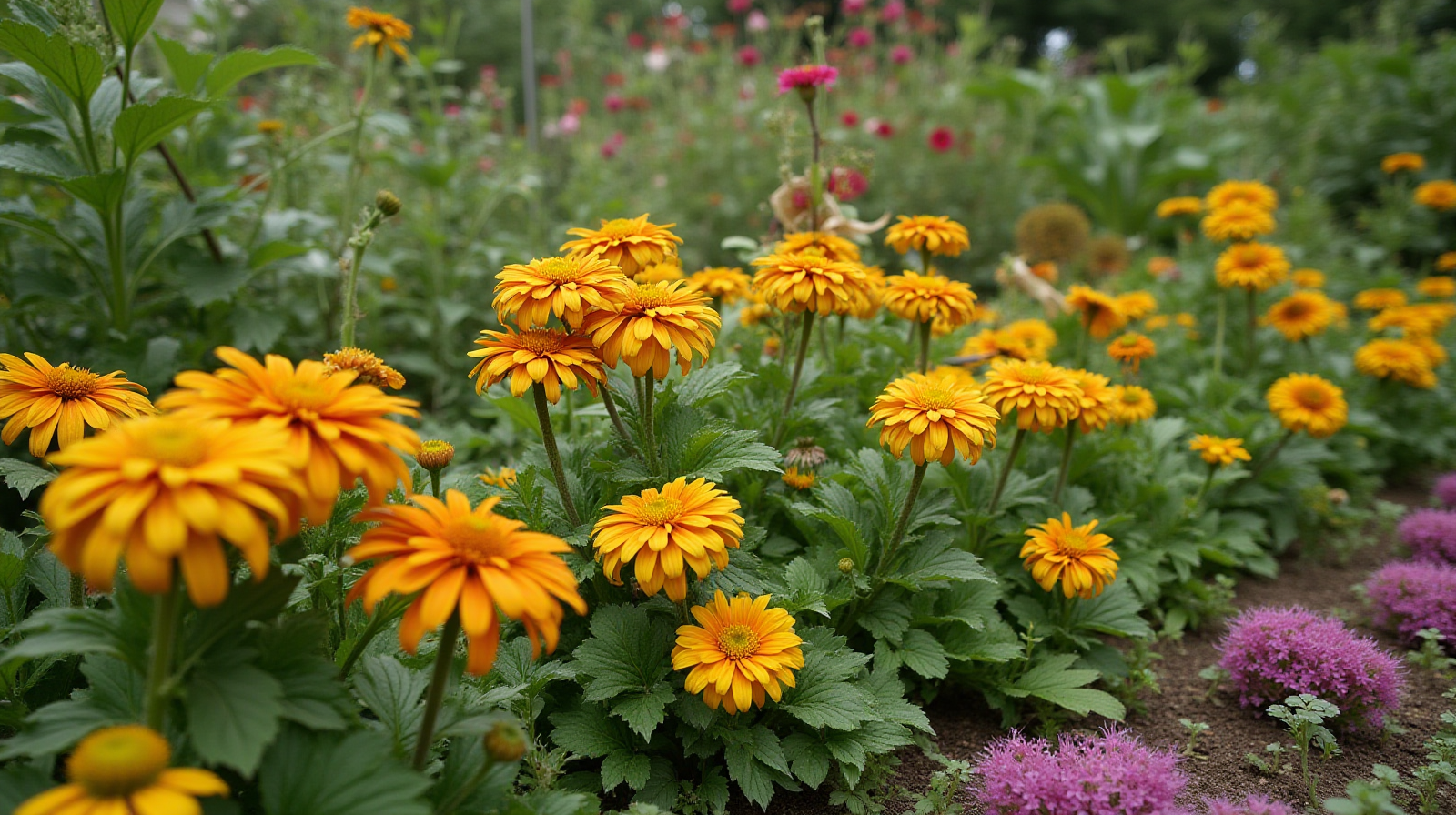
When planning your beds, try to mix varieties with different peak times so there is always something in focus. You want a balance between early-season stars and late-season workhorses. For example, if you have a patch of flowers that are known for an "early fade" after July 1st, don't rely on them as your only source of color. Instead, plant them near perennials or hardy annuals that have a "late spike." This ensures that when one group naturally winds down, another is just beginning its peak performance.
| Plant Category | Typical Peak Bloom Window | Resilience Level (Zone 7) |
|---|---|---|
| Early Annuals | May - July | Moderate (Heat sensitive) |
| Hardy Perennials | June - September | High (Drought/Heat tolerant) |
| Late-Season Specialists | July - October | High (Late peak performers) |
Making the Most of Seedlings and Variety Selection
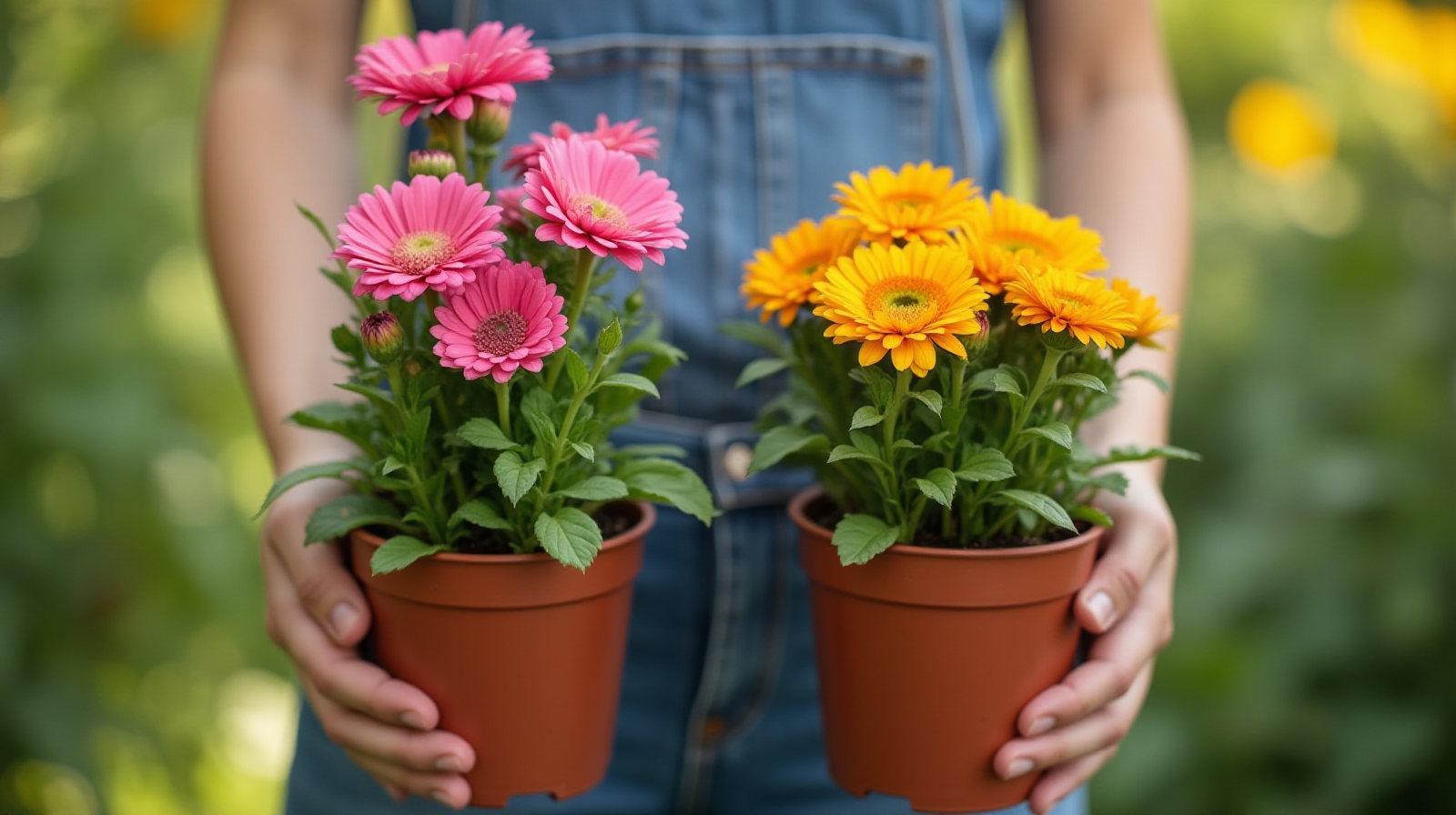
When you are heading to a nursery or ordering seeds, your primary goal should be finding varieties with proven "staying power." It is very easy to get distracted by a beautiful flower at a garden center, but in our climate, that beauty doesn't matter if the plant can’t handle the humidity and heat of late summer. I always recommend checking for specific cultivar names rather than just general categories like "marigolds" or "zinnias."
For example, certain cultivars of zinnias are bred specifically to resist drooping in high temperatures, while others will wilt by noon every day. When selecting your seedlings, ask questions about their heat tolerance and local success rates. If a variety is known for being finicky or requiring constant intervention during the summer months, it might not be the right choice for a low-maintenance backyard. By focusing on these "proven" varieties—the ones that have been tested in our soil and under our sun—you spend less time worrying about keeping them alive and more time enjoying the fact that they are doing the work for you.
Keep It Simple: The Goal is Reliable Color, Not Perfection
At the end of the day, your garden doesn't need to be a perfectly curated masterpiece to be successful. There will be bugs, there will be some wilted leaves here and there, and there will definitely be days when the Oklahoma heat makes everything look a little bit weary. That’s just part of the process of gardening in this region. The goal is simply to have a space that feels vibrant and alive for as long as possible throughout the season.
If you can achieve consistent color from July through September, you've won. Don't let the "perfection" of magazine photos stress you out; your garden’s value comes from the fact that it’s yours, it grows in your soil, and it provides a place for you to enjoy nature regardless of whether every single petal is perfectly placed. Focus on those reliable performers—the ones that give you that steady, dependable bloom even when the summer heat tries to dim the lights. Keep things simple, keep your focus on what works locally, and just enjoy the progress of your own backyard.
Your turn
What are your favorite reliable mid-summer bloomers? Share them in our comments below! Give this issue a share if it helped you save a garden bed from looking boring.
🌿 Get Seasonal Gardening Tips
New guides, planting reminders, and growing tips — straight to your inbox.
No spam. Unsubscribe anytime.
About the Author
David Rodgers is the Founder & Head Gardener of Planting Atlas. With over 40 years of hands-on gardening experience in Oklahoma's Zone 7 climate, he researches, writes, and personally tests every guide on the site.
David draws from real backyard trials, soil testing, and trusted sources like Oklahoma State University Extension and USDA data to deliver practical, zone-specific advice that actually works.
Read more about David and Planting Atlas →