Loading…
←Back to Newsletters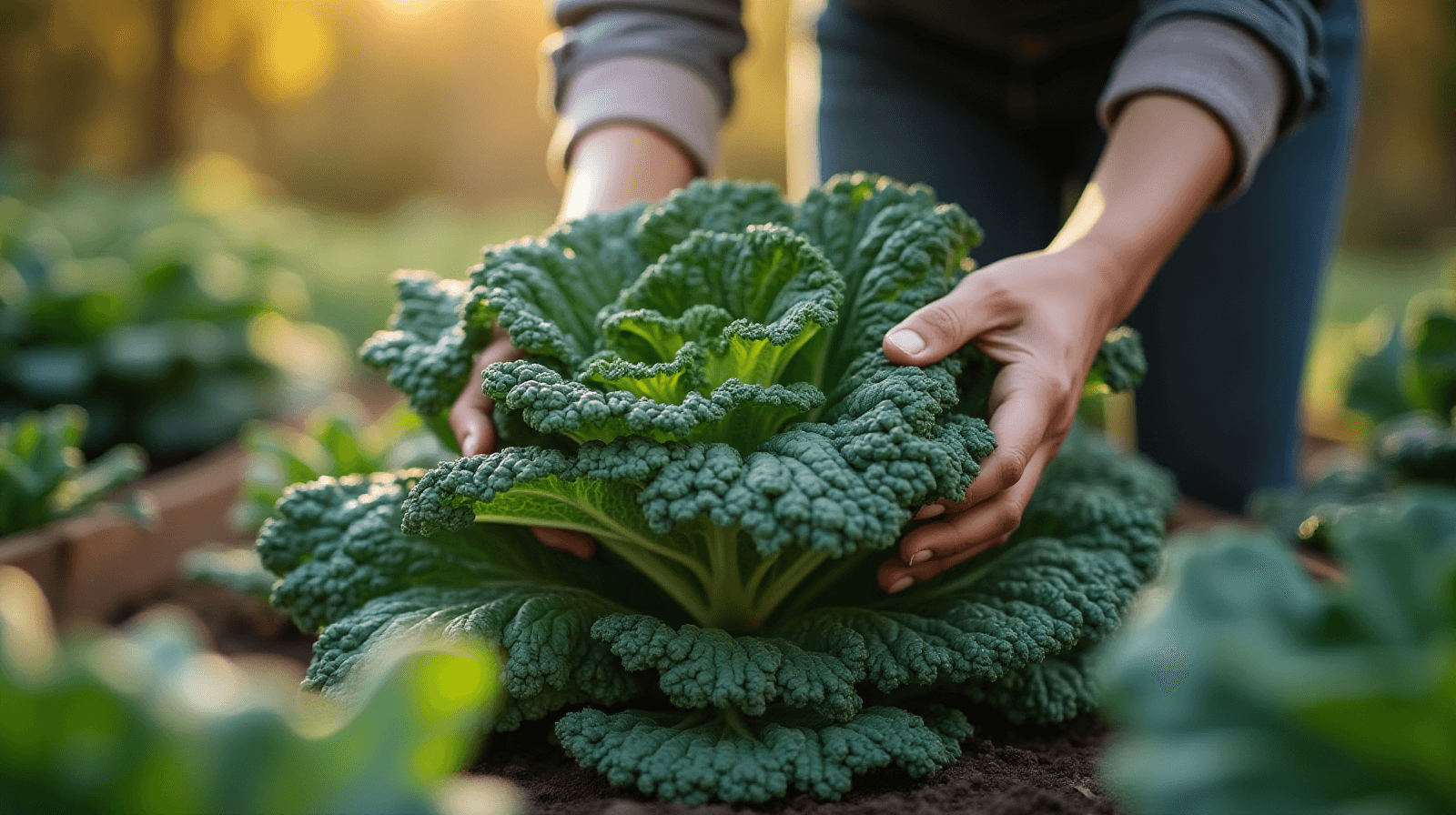
Making the most of those cool October days in the backyard.
Written by David Rodgers — 2026-08-18
A guide to finishing strong with cold-hardy crops.
The newsletter for gardeners who'd rather learn from a mistake made 40 years ago than repeat it themselves.
Cool WeatherFall PlantingVegetablesOklahoma Zone 7
The biggest mistake gardeners make when autumn arrives
One of the hardest habits for me to break over forty years in this garden was the "retirement" mindset that hits in late August. I used to think that once the heat broke and my peppers stopped producing, the season was effectively over—that it was time to pull everything up and clear the beds for winter. But if you stop there, you’re missing out on what is arguably some of the most rewarding growing window we have.
The mistake isn't just about stopping too soon; it’s about failing to shift your mindset from "fighting the heat" to "harnessing the cool." In many regions, particularly here in Zone 7, September and October offer a secondary season. While summer crops like tomatoes and peppers start to struggle as nights get crisp, there is an entire category of vegetables that actually thrives when the humidity drops and the soil temperature begins its slow decline. If you stop planting just because it’s "autumn," you're leaving your garden beds empty for weeks while some of the tastiest, heartiest crops are waiting to be planted. You have to switch gears from summer survival to fall production.
What’s actually ready for the late-season harvest?
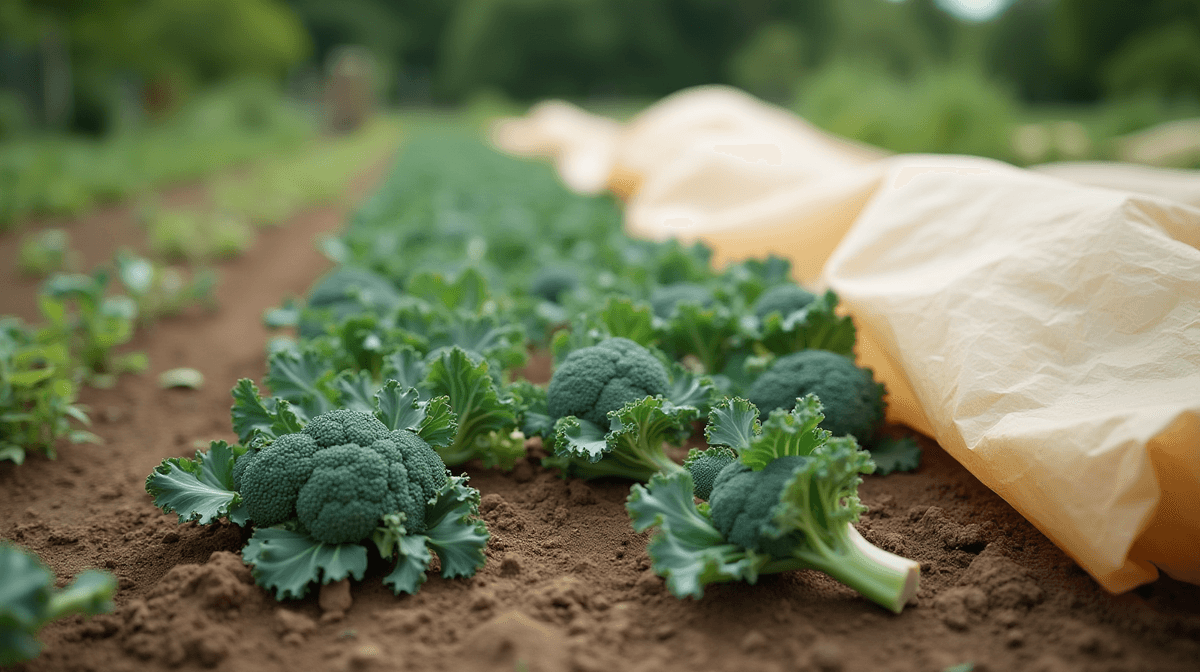
When we talk about what works in these cooler months, I almost always point people toward the brassicas. These aren't just "fall options"; they are the heavy hitters of the cool season because they don't bolt as quickly when the days get shorter and the nights get longer. While your summer peppers might be looking a bit tired and scorched by the August sun, things like kale, collards, and mustard greens actually start to pack on more flavor as the temperature drops.
The reason these specific crops work so well is their tolerance for "marginal" weather. They don't need that intense 90-degree heat; they just want consistent moisture and a break from the humidity. In my experience, there’s something about the way a kale leaf develops in October—it gets heartier and less bitter than it ever would in July. If you want to fill your table with greens through November, these are the crops that will do the heavy lifting. They aren't just "finishing" the season; they are beginning their own peak cycle as soon as the summer heat retreats.
Planting timing: When is 'too soon' and when is just right?
Timing is everything in a transition zone like mine. You want to find that sweet spot where you have enough time for the plants to establish roots before the ground freezes, but not so much time left over that they get hit by an early frost too quickly (unless they are hardy varieties).
The "too soon" trap usually happens when people try to plant summer crops in September and then get frustrated when they don't produce enough fruit. The "just right" window for fall-specific crops is much broader. You want to be looking at your local frost dates—usually those first few hard freezes in late October or November—and counting backward about 60 to 90 days for larger transplants, and as little as 30 days for direct-sown greens.
| Crop Type | Typical Planting Window (Zone 7) | Why this timing works |
|---|---|---|
| Fast Greens (Arugula, Spinach) | Aug 15 – Oct 15 | Quick growth cycles; can handle light frost. |
| Hardy Brassicas (Kale, Collards) | Aug 20 – Sept 30 | Allows for establishment before deep winter sets in. |
| Root Crops (Carrots, Beets) | July 15 – Sept 15 | Needs longer lead time to develop size in the ground. |
If you’re unsure about your specific local dates, I always recommend aiming for a "safe" window of late August through mid-September for your primary fall plantings. This gives them enough life in the soil to produce even if we get an unexpectedly early cold snap.
The care differences between summer plants and cool weather crops
One thing that trips up new gardeners is trying to treat their autumn garden exactly like their summer garden. You can't do that, and it’s one of those "learned the hard way" moments I had early on. Summer gardening is about defense: you water deeply and mulch heavily to keep roots cool and moisture in. Fall gardening is more about management and preparation for the shift.
For these cooler-weather crops, your watering needs will actually decrease as the air gets drier and cooler. You don't need to be hovering over them with a hose every day just because it’s "growing season." However, you do want to keep the soil consistent. I’ve found that for things like kale and collards, keeping a bit of mulch down helps regulate the soil temperature during those wilder swings between warm days and chilly nights.
Also, pay attention to spacing. In the summer, we sometimes crowd plants together to create shade; in the fall, you want enough breathing room so that any morning dew can evaporate quickly. You don't want "damping off" or fungal issues caused by moisture sitting on the leaves overnight. Give them space to breathe, and they’ll reward you with a much cleaner, healthier harvest at the end of the season.
Arugula, Kale, & Collards: Quick-start guide to the easiest autumn harvests
If you want some quick wins right now, these three are my "gold standard" for an easy transition into fall gardening. They aren't fussy, and they don't require a lot of fuss to get going in cooler soil.
Arugula
Arugula is arguably the fastest way to get something on your plate. It has a peppery kick that stands up well to autumn flavors. I recommend direct-sowing this rather than starting it in pots. Because it grows so quickly, you can sow a new row every two weeks until the ground freezes. Even if a light frost hits, arugula usually holds up just fine and actually develops a deeper flavor profile after the first chill.
Kale
Kale is the workhorse of the fall garden. It’s incredibly hardy. If you have some starts from a local nursery or your own seed starts, get them in the ground by late August. I prefer to plant these in blocks rather than long rows; it makes harvesting much easier when you're trying to pick just what you need for dinner that night without disturbing the rest of the plant.
Collards
Collard greens are my personal favorite for the deep fall. They are even heartier than kale and can handle a bit more "abuse" from the weather. They stay green and edible well into the colder months. If you’re just starting out, collards are almost impossible to mess up—they just need consistent soil moisture and some space to grow. Plant these in your most protected beds where they won't be battered by heavy winds as winter approaches.
Your turn
What cool-weather crop are you most excited to try this year? Share your plans below—we love seeing what everyone’s growing!
🌿 Get Seasonal Gardening Tips
New guides, planting reminders, and growing tips — straight to your inbox.
No spam. Unsubscribe anytime.
About the Author
David Rodgers is the Founder & Head Gardener of Planting Atlas. With over 40 years of hands-on gardening experience in Oklahoma's Zone 7 climate, he researches, writes, and personally tests every guide on the site.
David draws from real backyard trials, soil testing, and trusted sources like Oklahoma State University Extension and USDA data to deliver practical, zone-specific advice that actually works.
Read more about David and Planting Atlas →