Loading…
←Back to Newsletters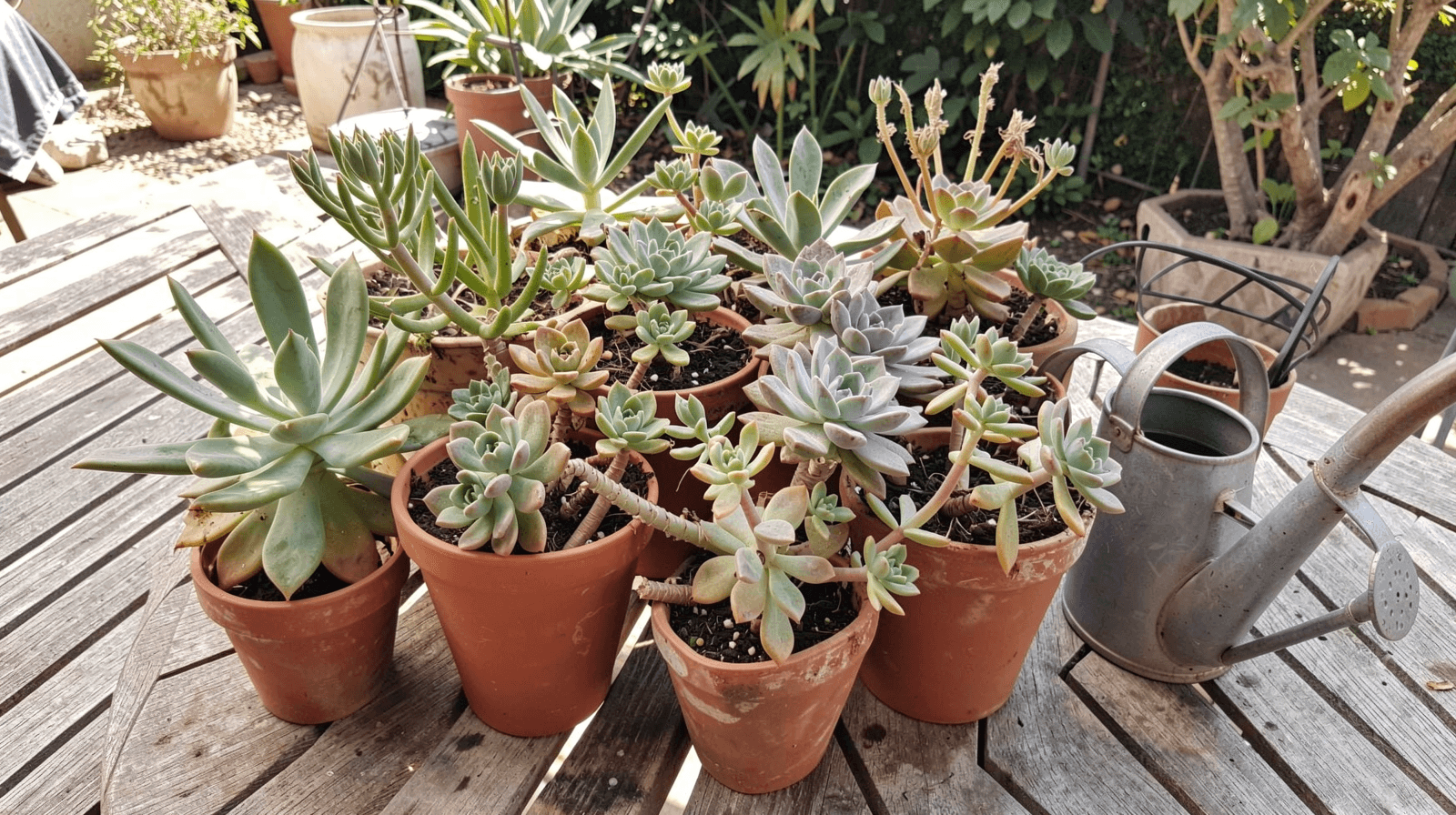

Making Sense of Succulents: A Guide to *Crassula* Species
Written by David Rodgers — 2026-11-05
What these tough plants actually need to thrive outside of a tropical rainforest.
The newsletter for backyard growers tired of advice that ignores their actual microclimates and unique garden needs.
succulentscontainersxeriscapinglow-maintenance
Why succulents are surprisingly good for tough gardeners
If you’ve ever felt like a "black thumb"—the kind of gardener who watches things wither no matter how much love you pour into them—succulents, and specifically the Crassula genus, might be your best path forward. I often tell people that these aren't just decorative plants; they are survivors by design. They evolved in environments where water was a luxury, not a guarantee. That means they’ve spent thousands of years perfecting the art of being "tough."
In my own backyard here in Oklahoma, I’ve found that Crassula species provide a great sense of accomplishment for those who are still learning the ropes. They don't demand your constant attention every single day, but they do respond beautifully when you understand their basic needs. Unlike some finicky tropicals that will drop their leaves if the humidity dips by five percent, these guys are built to handle dry spells and fluctuating temperatures. They offer a "win" for the gardener who wants something reliable and hardy. If you want a plant that can sit on a porch or in a sunny window spot and look healthy without requiring a complex irrigation schedule, Crassula is an excellent place to start.
The one mistake every succulent owner makes (and how to avoid it)
I see this happen all the time: someone buys a beautiful jade plant (Crassula ovata) or a silver-leaved variety and treats it like a thirsty fern. They want to see "progress," so they water it every morning just in case it’s thirsty. This is exactly how you kill a succulent. Because these plants are designed to store water in their leaves and stems, they don't need the soil to stay moist; they need the soil to be mostly dry so that their roots can breathe.
When you keep the soil constantly damp, oxygen can't get down to the root system. Instead of drinking, the roots begin to suffocate and rot. I’ve had many beautiful specimens turn into a mushy, translucent mess because "kindness" was mistaken for proper care. The fix is simple but requires discipline: you have to let the soil dry out almost completely before you give them another drink. If you aren't sure if it's dry enough, wait another three days. It is much easier to forgive yourself for letting a succulent go a little too long without water than it is to try and save one that has already started to rot from the bottom up.
Understanding their survival mechanism
To grow these plants successfully, you have to understand why they are so different from your standard lawn grass or garden tomatoes. Succulents use a specialized process called CAM (Crassulacean Acid Metabolism) photosynthesis. In plain English, this means most plants "breathe" and take in carbon dioxide during the day when it's sunny, but succulents do much of their heavy lifting at night.
During the heat of the day, they keep their pores—called stomata—tightly closed to prevent precious moisture from evaporating into the dry air. At night, when the temperature drops and the air is cooler, they open those pores to take in what they need. They then store that carbon for use during the daylight hours. Because of this "night shift" biology, these plants are incredibly efficient at conserving water. When you understand that their goal is to stay hydrated internally while facing an arid external environment, it changes how you view their needs. They aren't trying to be lush and watery; they are trying to be resilient. Grounding your care in this reality helps you realize why "constant moisture" isn't just a mistake—it’s actually working against their natural biology.
Getting the right mix: Forget standard potting soil entirely
This is perhaps the most critical piece of advice I can give: do not put a Crassula in standard, heavy garden soil or even basic "all-purpose" potting mix from a big-box store without modification. Standard mixes are designed to hold onto water like a sponge. For a succulent, that's a death sentence for the roots. You need a medium that mimics their native arid environments—something that allows water to flow through quickly and then drain away completely.
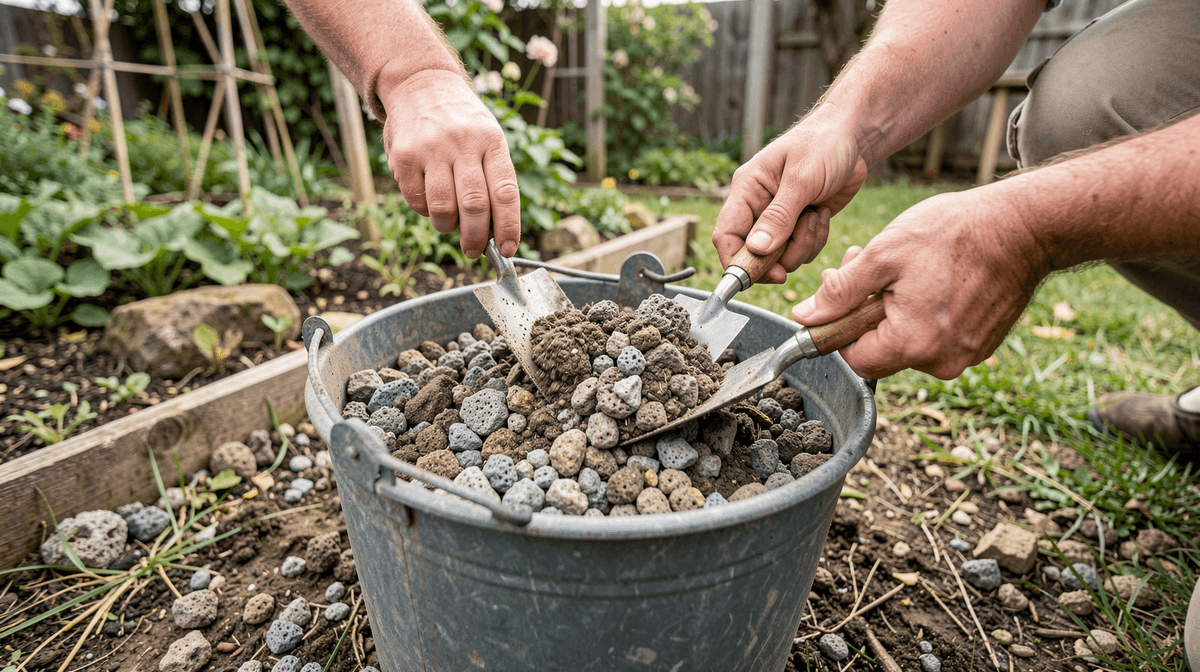
I recommend creating a custom "gritty" mix. You want a high percentage of inorganic material. A good starting point is a 50/50 blend of high-quality potting soil mixed with coarse components like pumice, perlite, or crushed lava rock.
Recommended Drainage Mix Components:
- Pumice or Lava Rock: Provides structure and creates large air pockets for the roots.
- Coarse Sand or Grit: Helps water move through the pot quickly rather than pooling at the bottom.
- Pine Bark (Small pieces): Adds a tiny bit of organic matter without making it too heavy.
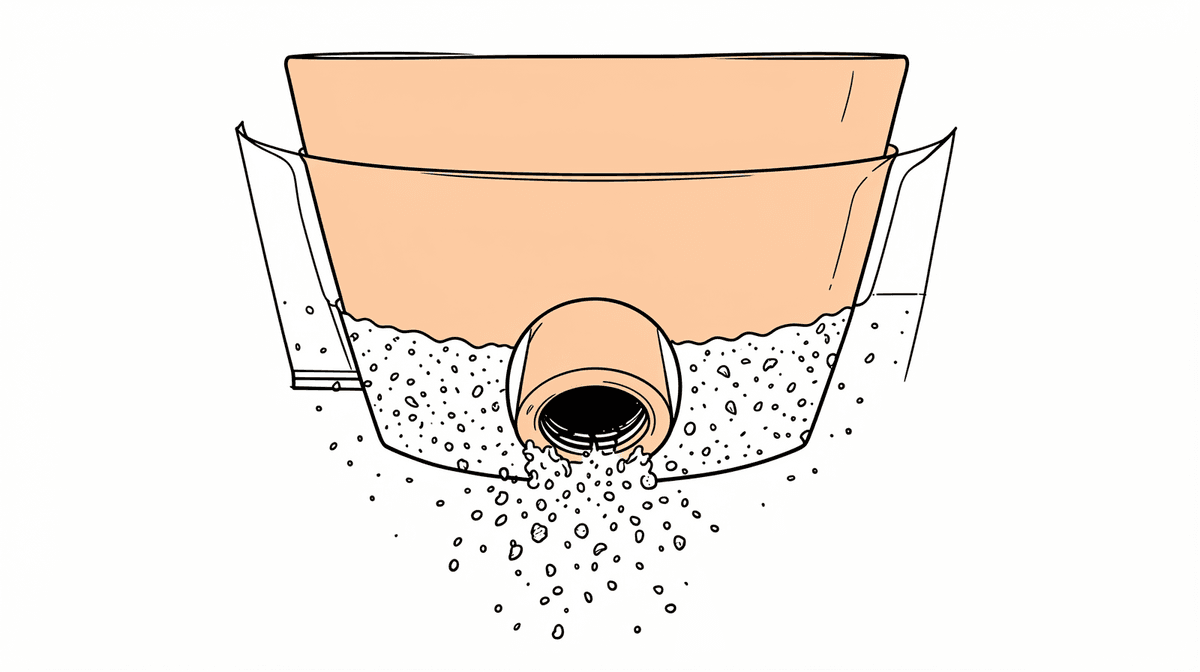
The goal is for you to be able to pour a gallon of water into the pot and see most of it exit out of the drainage holes within seconds. If the soil stays muddy for more than an hour, you have too much "dirt" and not enough "grit."
The watering schedule: Deep soak, then wait until they beg you to drink
The biggest mistake people make is giving succulents a "little bit" of water every few days. This keeps the top inch of soil moist but doesn't actually hydrate the root system deeply, and it can lead to fungal issues. Instead, I want you to think in terms of "Deep Soaks." When it comes time to water, you should saturate the pot until water runs freely out of the bottom. This ensures that the entire root ball gets a drink.
After that deep soak, your job is to step back and do nothing. You want to let that moisture move through the soil and into the plant's tissues, then allow the soil to dry out completely before you repeat the process. In my experience in Zone 7, this means during the hot summer months, you might water every 10–14 days depending on how much sun they get. In the winter, when growth slows down and the air is drier, you might go even longer between waterings.
| Season | Watering Frequency (General) | Soil Condition Goal |
|---|---|---|
| Spring | Every 10–14 days | Dry all the way down to the bottom of the pot |
| Summer | Every 7–10 days (if in direct sun) | Rapid drainage, then dry out quickly |
| Fall | Every 14+ days | Very dry soil; less frequent watering |
| Winter | Every 21+ days | Almost completely dry; only water if showing signs of stress |
Light requirements and placement in your yard or home
Light is the fuel that allows Crassula to produce those thick, fleshy leaves. Most varieties thrive in bright light, but there is a nuance here regarding "direct" versus "indirect" sun. If you are growing these in a container on a porch or near a window, they generally want as much light as they can handle without being scorched.
I’ve learned the hard way that moving a plant from a shady corner directly into the harsh afternoon sun will result in "sunburn"—the leaves will turn yellow, white, or develop brown blisters within just a few days. If you are transitioning them to a sunnier spot, do it gradually over the course of a week. For those keeping them indoors, a south-facing window is usually the gold standard. In your yard, they can handle quite a bit of heat, but in some Oklahoma summers, the sheer intensity of the July sun can be punishing even for succulents. If you notice leaves drooping or looking "cooked," move them slightly back into a spot where they get bright light but are shielded from the most intense midday rays.
Troubleshooting: What to do when things go wrong (Rot and pests)
Even with the best intentions, sometimes things go sideways in the garden. When troubleshooting Crassula, you’re usually looking for one of two problems: root rot or pests.
Root Rot (The most common issue)
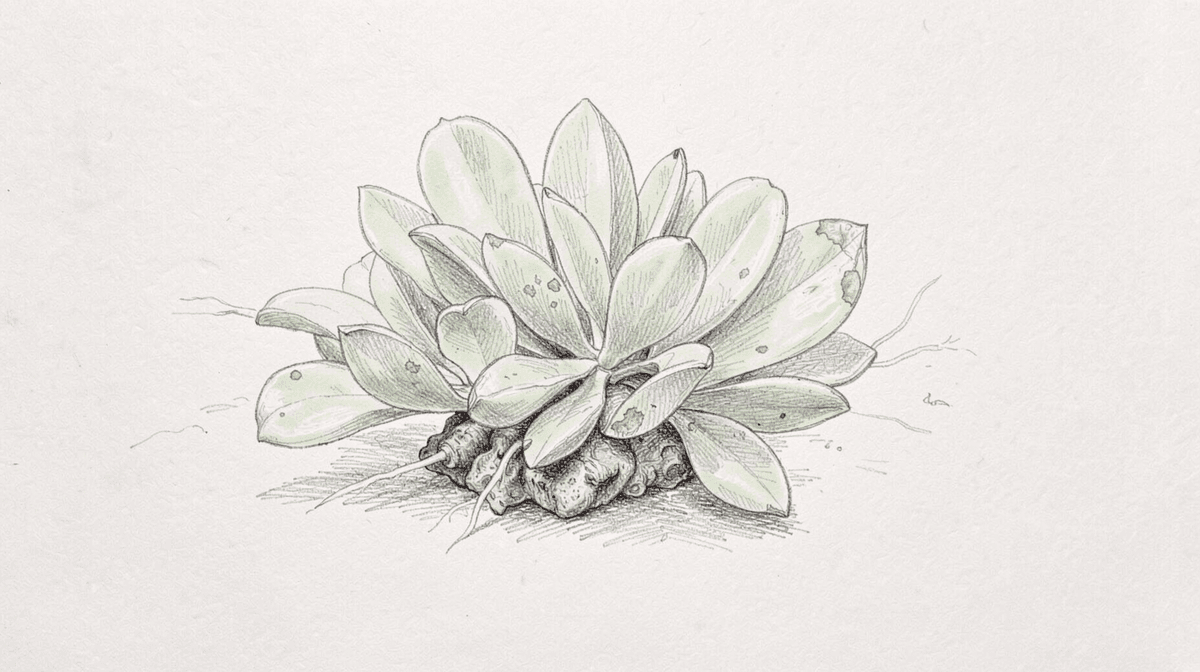
If the leaves start to feel soft, turn yellow-ish, and eventually fall off, or if the base of the plant feels mushy, it is likely overwatered. This is a "rescue" situation that requires immediate action. You need to take the plant out of its pot, shake off the old soil, and inspect the roots. Healthy roots are firm and white/tan; rotten roots are black, slimy, and smell like compost. Trim away any mushy roots with sterilized shears, repot in a very gritty mix (even more grit than before), and do not water it for at least a week to let the "wounds" callous over.
Pests
If you see tiny white specks or webs, you might have mealybugs or spider mites.
- Mealybugs: These look like small bits of cottony fluff on the stems. You can often just wipe them off with a cotton swab dipped in rubbing alcohol.
- Spider Mites: These are tiny and hard to see but leave fine webbing. A strong blast of water or a simple neem oil spray usually handles them effectively.
The key is catching these early—once the plant looks "tired," it's much harder to bring back to full health.
Your turn
What's your favorite resilient plant that thrives in containers? Share a photo and let us know! Did this help clear up some confusion about watering? Send it along to a fellow container gardener who needs the no-fluff advice.
🌿 Get Seasonal Gardening Tips
New guides, planting reminders, and growing tips — straight to your inbox.
No spam. Unsubscribe anytime.
About the Author
David Rodgers is the Founder & Head Gardener of Planting Atlas. With over 40 years of hands-on gardening experience in Oklahoma's Zone 7 climate, he researches, writes, and personally tests every guide on the site.
David draws from real backyard trials, soil testing, and trusted sources like Oklahoma State University Extension and USDA data to deliver practical, zone-specific advice that actually works.
Read more about David and Planting Atlas →