Loading…
←Back to Newsletters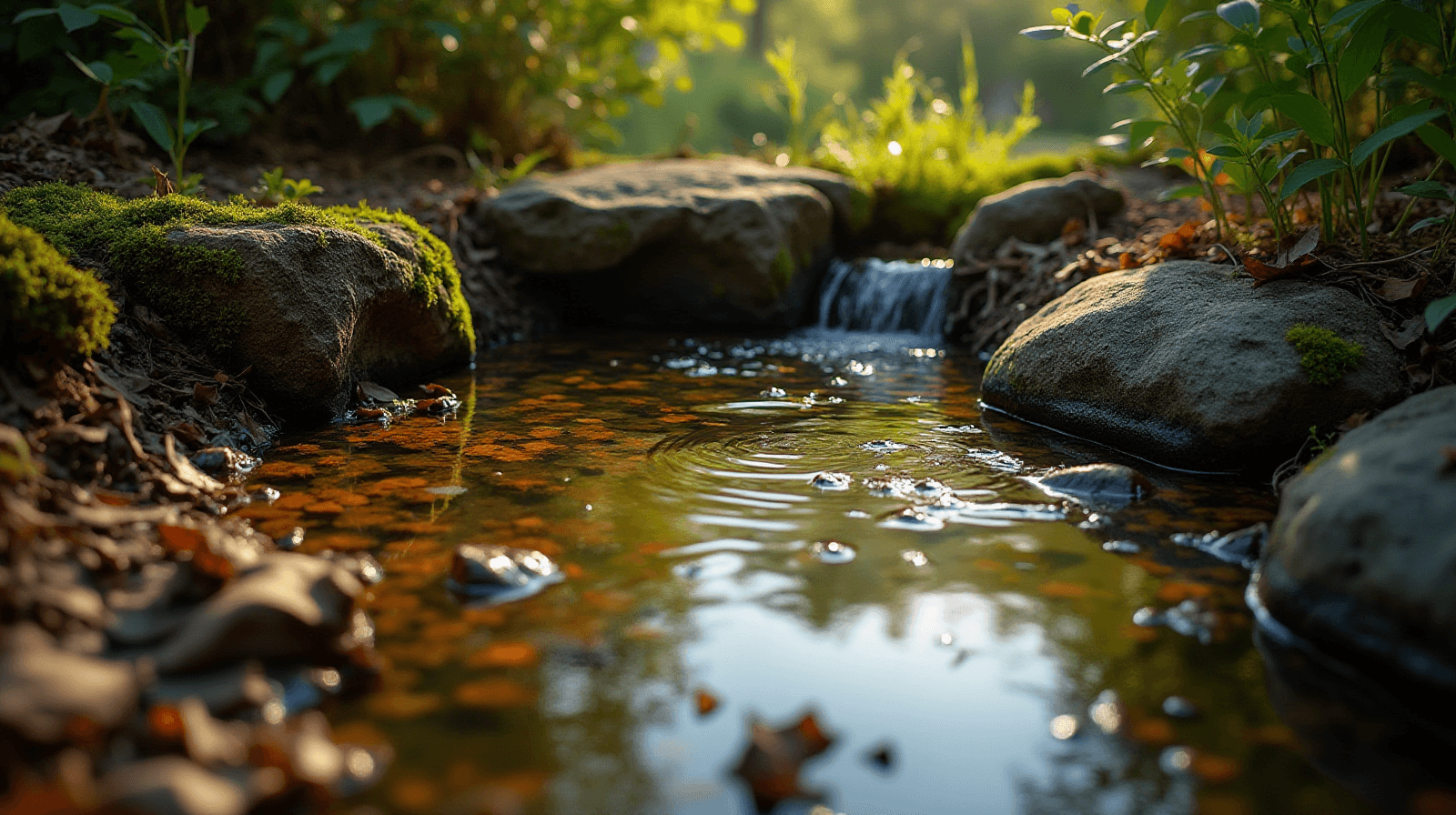

Making Room for the Neighbors: Salamanders and Amphibians in Your Yard.
Written by David Rodgers — 2026-08-03
It's not enough to just plant native species; you need functional habitat structure.
The newsletter for gardeners who'd rather learn from a mistake made 40 years ago than repeat it themselves.
wildlife gardeningamphibian life cyclesnative plantshabitat creation
Why are we talking about salamanders?
I used to think that "wildlife gardening" was just a fancy way of saying you should plant some native grasses and maybe put out a birdbath. I thought if I planted the right things, nature would just show up and take care of itself. But after forty years in my Oklahoma yard, I’ve learned that for many species—especially amphibians like salamanders—just "planting native" isn't enough. You have to understand their specific life cycles to give them a real home.
Salamanders aren't just moving from point A to point B; they are transitioning between very different worlds: the water and the land. They need both to survive, but if those two environments are separated by too much "neat" landscaping—like mowed lawns or dry pavement—they get stuck in one world and can’t reach the other. When we talk about salamanders, we aren't just talking about a cool lizard-looking creature; we are talking about an indicator species. If you have healthy populations of these guys moving through your yard, it means your soil is holding moisture well enough to support life and your ecosystem isn't too fragmented. They need a continuous "corridor" of habitat to move between breeding grounds and their winter homes.
What the experts get wrong (and what actually works)
One of the most common mistakes I see in gardening circles—and honestly, some of it comes from well-meaning people who just want something pretty for their yard—is thinking that a pond is enough. People will spend thousands on a beautiful, high-end koi pond or a decorative water feature and think they’ve done their part for the local wildlife.
While those features are lovely to look at, many of them actually fail as salamander habitats because they lack "connectivity." A pond in the middle of a perfectly manicured lawn is an island. For a salamander, it's a trap; they might get into the water but have no safe way to exit and find food or shelter without being exposed to predators on open ground.
What actually works is creating a network of habitats that are physically linked by "soft" edges—things like thick mulch, tall grasses, and fallen logs. Instead of one high-maintenance pond, it’s often better to have a series of smaller, interconnected wet areas and dry zones. You want to provide them with what I call "safe passages." If they can move from the water to a damp log under some brush without ever having to cross an open patch of grass where a hawk or a neighborhood cat can spot them, then you’ve built a functional habitat rather than just a pretty pond.
The three zones every amphibian needs
To keep these creatures alive in your backyard, you have to provide for their different biological needs at different times of the year. They don't spend 100% of their time in the water, and they don't spend it all under a log. You need to think about three distinct zones:
1. Wet Breeding Areas
These are the "nurseries." Salamanders need shallow, still-water areas where eggs can be laid and larvae can develop. These aren't deep swimming pools; they are often ephemeral wetlands or ponds with very shallow edges. The key here is depth variety. You want some spots that stay wet through the summer heat but are shallow enough for small juveniles to navigate safely.
2. Dry Foraging Tunnels
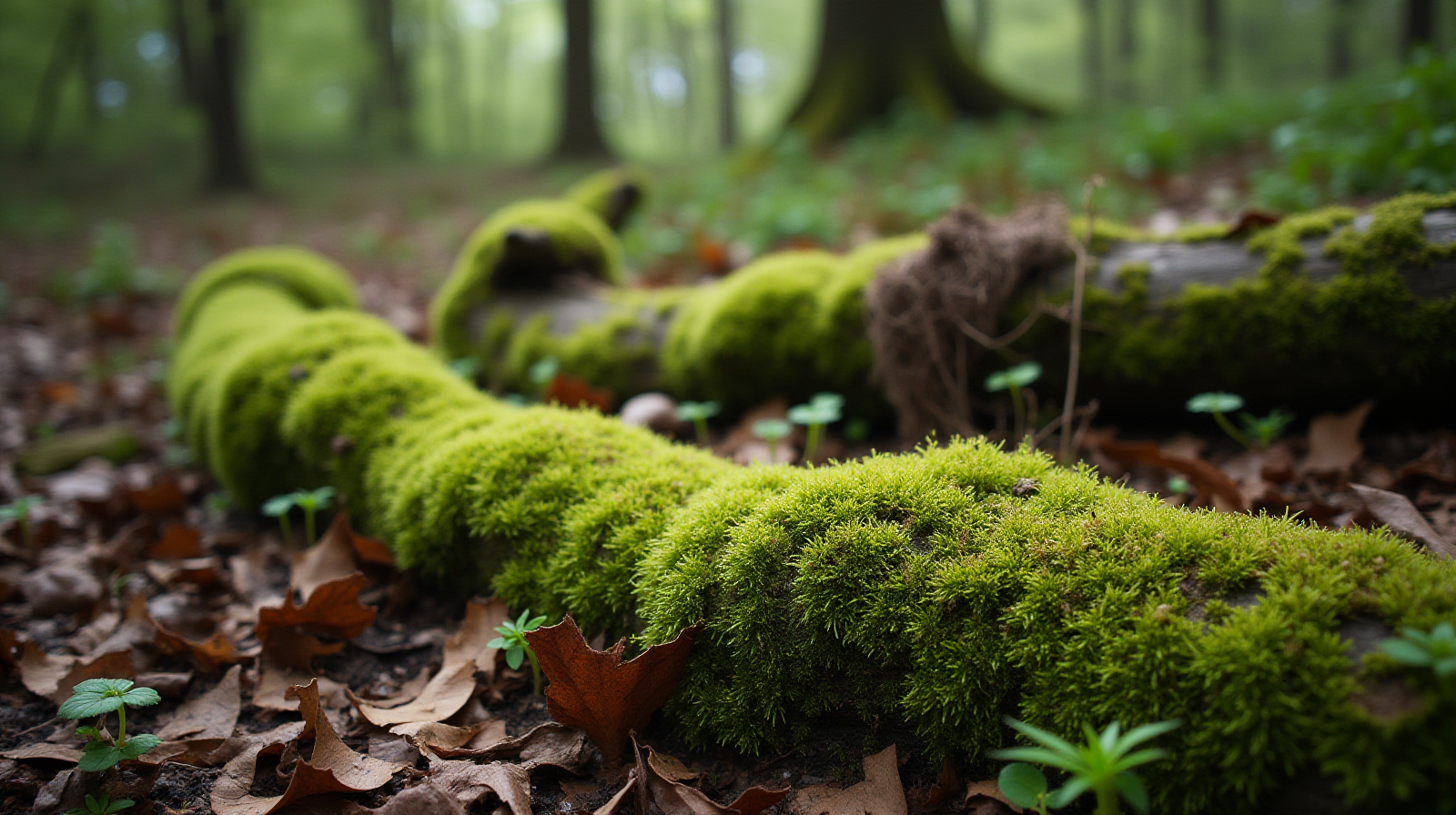
This is where they spend a lot of their time as adults. They need areas that remain consistently moist and full of organic matter—think heavy leaf litter, decaying wood, and dense groundcover. This isn't just "dirt"; it’s an underground network of decomposing material where they can find insects and stay hydrated during the hotter months.
3. Terrestrial Shelter
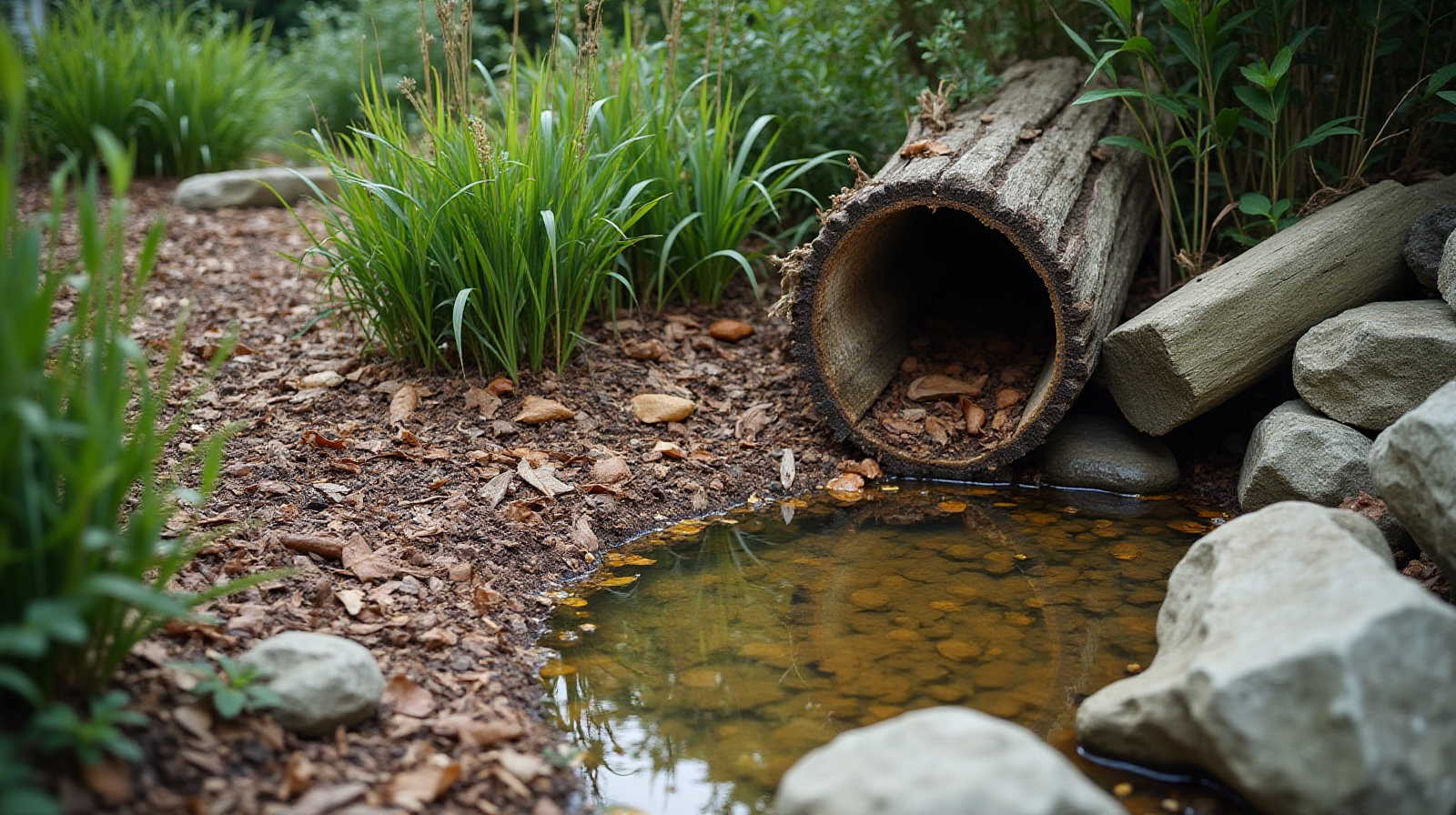
This is their "bedroom." During the heat of summer or the chill of winter (depending on your zone), they need a place to retreat completely from the elements. This requires substantial structures like large rock piles, deep woodpiles, or partially buried logs. These areas shouldn't be moved frequently; they need time to settle and accumulate the organic debris that keeps them cool and damp.
| Habitat Zone | Primary Function | Key Features Needed |
|---|---|---|
| Wet Breeding | Reproduction & Larval Growth | Shallow shelves, still water, nearby vegetation |
| Foraging Tunnels | Feeding & Hydration | Leaf litter, mulch, dense groundcover, rotting wood |
| Terrestrial Shelter | Wintering & Summer Cooling | Large rocks, old logs, "mounded" soil areas |
Building the perfect salamander habitat, step by step
If you want to move beyond just "trying" and actually succeed in creating a home for these guys, follow these steps to modify your garden. These are practical changes that make a big difference in how much life moves through your property.
- Create Depth Gradients: If you have a pond or a large basin, don't let it be one uniform depth. Use rocks and soil to create "shelves" just inches below the water surface. This allows salamanders to move along the edges where they are less likely to get stranded in deep water if they aren't strong swimmers.
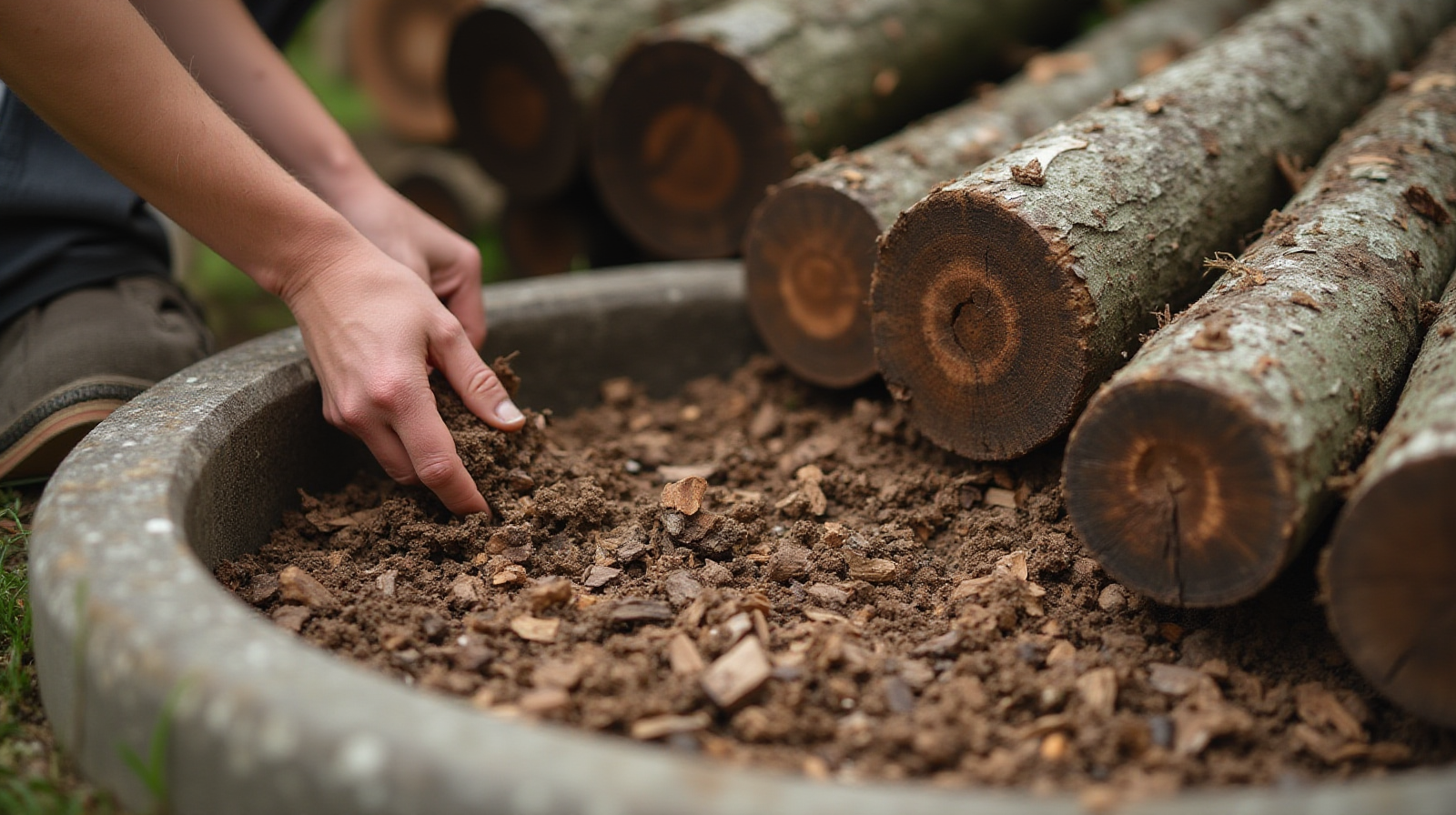
- Add Natural Substrate Layers: Stop using clean, decorative gravel for your ground cover near wet areas. Instead, use "messy" materials like composted mulch or wood chips. These materials break down over time and create the porous, moisture-retaining environment that salamanders need to move through safely.
- Incorporate Large Woody Debris: Find some old logs or large branches—the bigger, the better. Place them in areas where they can stay somewhat shaded and damp. Don't just lay one; a "log pile" creates more crevices for different species to hide in.
- Manage Edge Vegetation: Instead of a sharp line between your lawn and your garden beds, create a transition zone. Plant tall grasses or dense shrubs along the edges of water features. This provides cover from predators and helps trap moisture near the ground, creating a microclimate that stays cooler than the surrounding yard.
- Establish "Soft" Connections: Ensure there is no more than 20-30 feet of open space between your wet areas and your dry shelter zones. If you have to cross a path or a driveway, consider using gravel instead of asphalt, as it holds less heat and allows for better drainage.
Timing it right in your zone
Timing is everything when it comes to habitat construction. You want these features established before the peak activity seasons begin so they can "settle" into the landscape.
In my experience here in Oklahoma (Zone 7), the best time to do heavy lifting—moving logs, digging out pond shelves, or laying down large amounts of mulch—is in the late fall or early spring. You want these materials in place before the intense summer heat hits and before the primary breeding seasons begin in the spring. If you wait until July to build a log pile, it will be dry and dusty by the time the next season rolls around.
The timing also varies significantly based on your local climate. In northern zones (like Zone 4 or 5), getting these structures established early is even more critical because the window for growth and movement is much shorter. You want the "infrastructure" of the habitat ready before the first frost, so that when the spring thumps start, the salamanders already have their corridors mapped out. In warmer zones (like Zone 8 or 9), you might be focusing more on creating permanent shade structures to help them survive the long, hot summer months where they would otherwise desiccate in just a few hours of direct sun.
More than just survival: what this means for you
I know it might seem like we’re doing all of this just for the sake of some small, secretive amphibians, but there is a very practical reason why this matters to your garden as well. When you build "functional habitat" rather than just "pretty landscaping," you are improving the health of your entire yard.
By creating these diverse zones—especially the leaf litter and rotting wood areas—you are essentially building an engine for your soil. These areas foster beneficial fungi, earthworms, and microorganisms that break down organic matter and keep your soil rich and fertile. Furthermore, by providing a home for amphibians, you are attracting a wider range of insects. Salamanders eat many of the pests that can plague a garden, from beetles to slugs.
When you move away from "neat" gardening toward "functional" gardening, you're creating a self-regulating system. A yard with good moisture retention and diverse cover will actually require less intervention from you over time. You’ll find that your plants are more resilient against drought because the soil is healthier, and your garden becomes a thriving ecosystem rather than just a collection of plants in a pot or a bed. It's about making your backyard work for you by letting it function the way nature intended.
Your turn
What native species are you planning for your garden's wildlife corner this season? Share photos or ideas with us!
🌿 Get Seasonal Gardening Tips
New guides, planting reminders, and growing tips — straight to your inbox.
No spam. Unsubscribe anytime.
About the Author
David Rodgers is the Founder & Head Gardener of Planting Atlas. With over 40 years of hands-on gardening experience in Oklahoma's Zone 7 climate, he researches, writes, and personally tests every guide on the site.
David draws from real backyard trials, soil testing, and trusted sources like Oklahoma State University Extension and USDA data to deliver practical, zone-specific advice that actually works.
Read more about David and Planting Atlas →