Loading…
←Back to Newsletters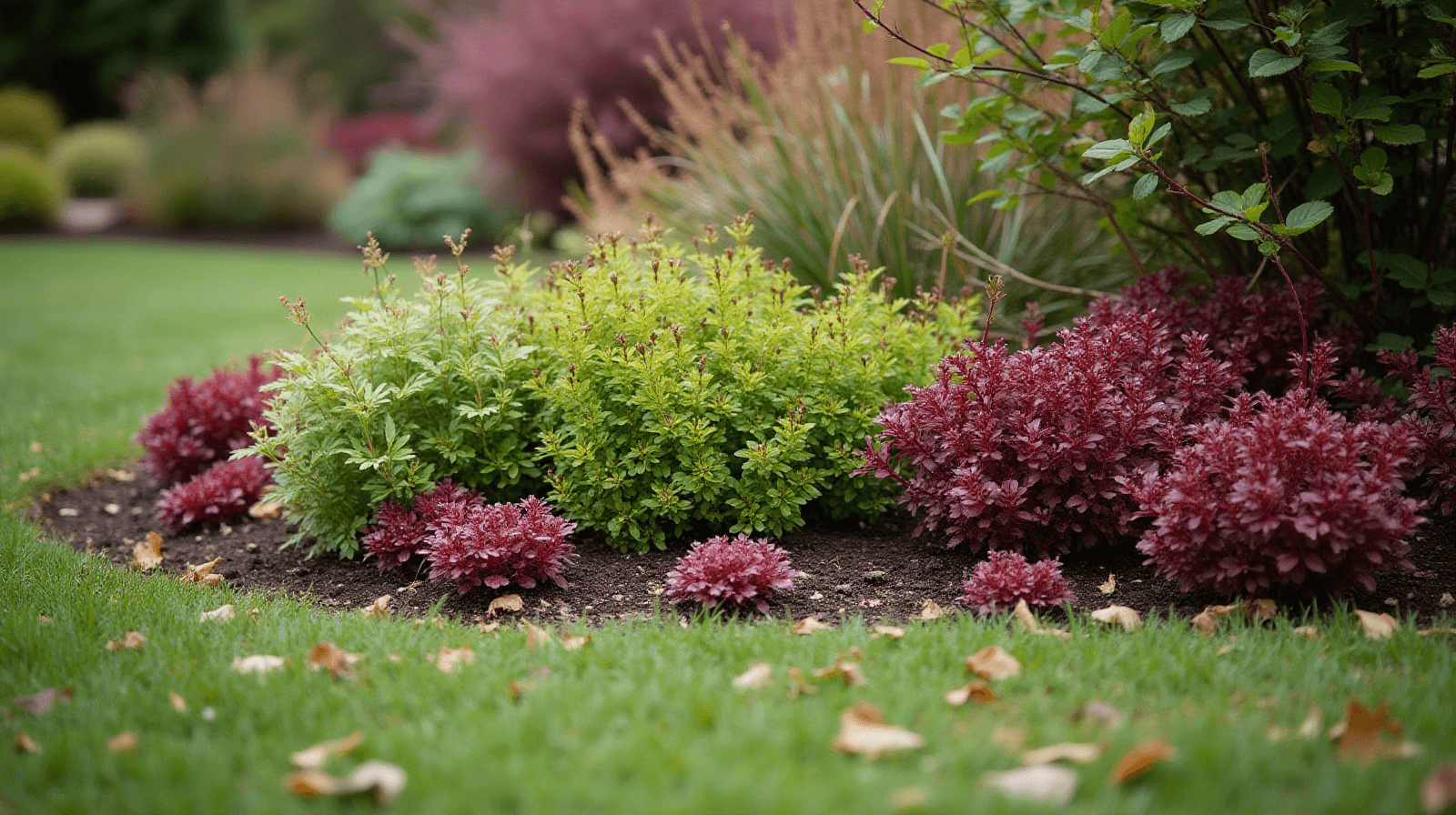

Making a Fall Show: Plants for Color and Structure After the Harvest
Written by David Rodgers — 2026-09-08
The guide to making sure your backyard looks great all season long.
The newsletter for gardeners who'd rather learn from a mistake made 40 years ago than repeat it themselves.
fall gardeninglandscape designperennialsautumn color
When the Summer Colors Fade: What to Look For Now
By late August or early September in Oklahoma, you start to see the first signs of fatigue in the garden. The zinnias are getting leggy and tired, the summer annuals are starting to look a bit ragged from the heat, and that "high-summer" energy starts to dip. It’s easy at this point to think that once the flowers fade, the interest in the yard just disappears until spring. That is a mistake I made for years early on—I would let my garden turn into a brown, empty space as soon as the primary bloom cycle ended.
The secret to a lasting landscape isn't just about finding more flowers; it’s about moving toward "structure." In late summer and fall, we need plants that provide visual interest even when they aren't producing petals. This means looking for things like interesting seed heads, architectural shapes, and foliage colors that hold steady as the temperature drops. You want a garden that looks intentional in October, not just one that was pretty in July. We are shifting our focus from "fleeting beauty" to "persistent form."
The Three Jobs of a Fall Plant Palette
To build a yard that holds up through the transition into autumn, you need to think about three specific elements: texture, shape, and persistent tone. When I first started designing my beds for longer-term use, I realized that if every plant was just "pretty" but all had the same leaf shape, the garden would look flat once the flowers were gone.
Texture
This is how a plant feels to the eye. A fine-textured ornamental grass provides a soft, hazy look compared to a broad-leafed shrub. Mixing these textures keeps the eye moving through the bed even when colors are muted.
Shape and Form
Some plants provide "architecture." Think of a mounded shrub or an upright, spiked perennial. These define the boundaries of your garden beds and create depth. Even if the leaves turn brown in late fall, their silhouette remains part of the landscape's skeleton.
Persistent Tone
This refers to colors that don't disappear with the first frost. This includes deep evergreens, bronze-colored foliage, or grasses that retain their golden hue well into the winter months. It’s about ensuring there is no "blank spot" in your yard during the transition seasons.
Planting for Maximum Autumn Drama: The Must-Haves
If you are looking to build a lasting fall show, certain categories of plants do more heavy lifting than others. I wouldn't recommend trying to fill every gap with flowers; instead, focus on these three "workhorse" groups that provide consistent results in our region.
Ornamental Grasses
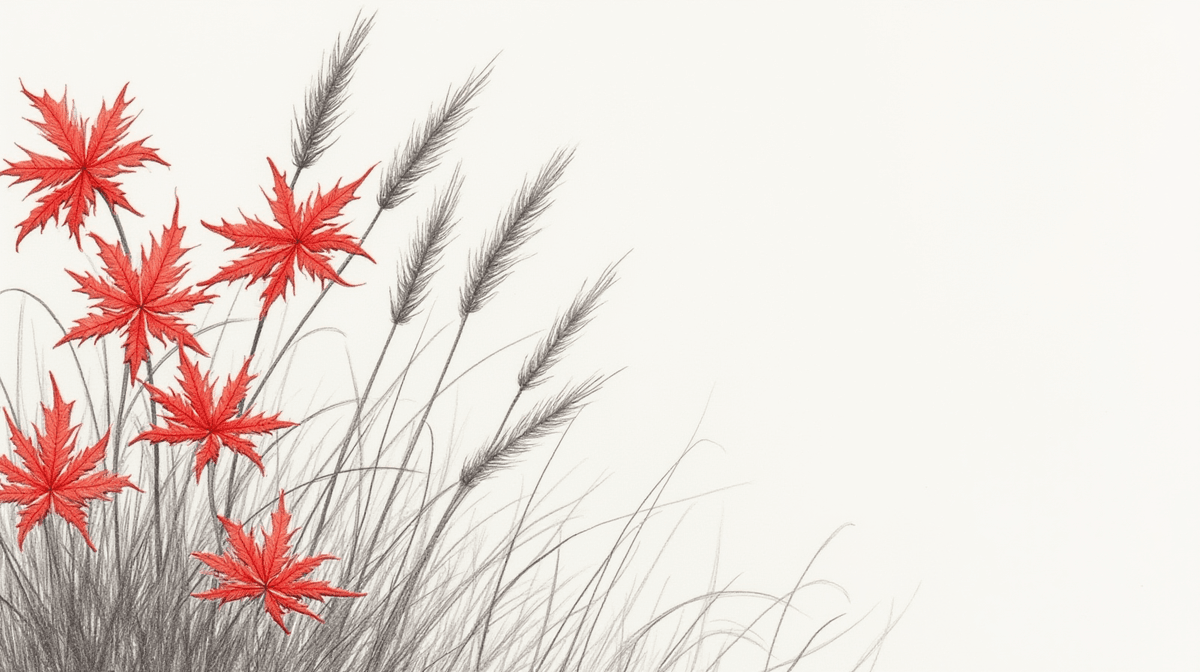
Grasses are the backbone of a fall garden. They offer movement and sound when the wind picks up, and their seed heads often turn beautiful shades of tan and gold. In Zone 7, varieties like Miscanthus or Panicum (Switchgrass) are reliable performers that stand tall long after other plants have withered.
Hardy Shrubs
Shrubs provide the "bones." A well-placed shrub with interesting bark or deep green foliage provides a constant anchor. I’ve found that certain varieties of Spiraea or even some types of Ninebark offer great structure and can handle our fluctuating temperatures.
Late-Season Perennials
These are your reliable friends. They bloom in the late summer but, more importantly, they often have interesting foliageeditions. Some perennials will "bolt" early if it gets too hot, so choosing varieties known for their fall persistence is key to avoiding a gap in your landscape's visual timeline.
| Plant Category | Primary Function | Example Features |
|---|---|---|
| Ornamental Grasses | Movement & Texture | Seed heads, golden hues, swaying motion |
| Hardy Shrubs | Structure & Anchor | Evergreen foliage, varied heights, bark texture |
| Late-Season Perennials | Color & Transition | Lingering blooms, changing leaf colors |
Filling In the Gaps: Color Boosters and Containers
While the grasses and shrubs provide the skeleton of your garden, you still need some "pop" to keep things interesting in the transition months. This is where we bring in smaller elements that can be managed more easily than a full-scale landscape overhaul.
Annuals for Quick Impact
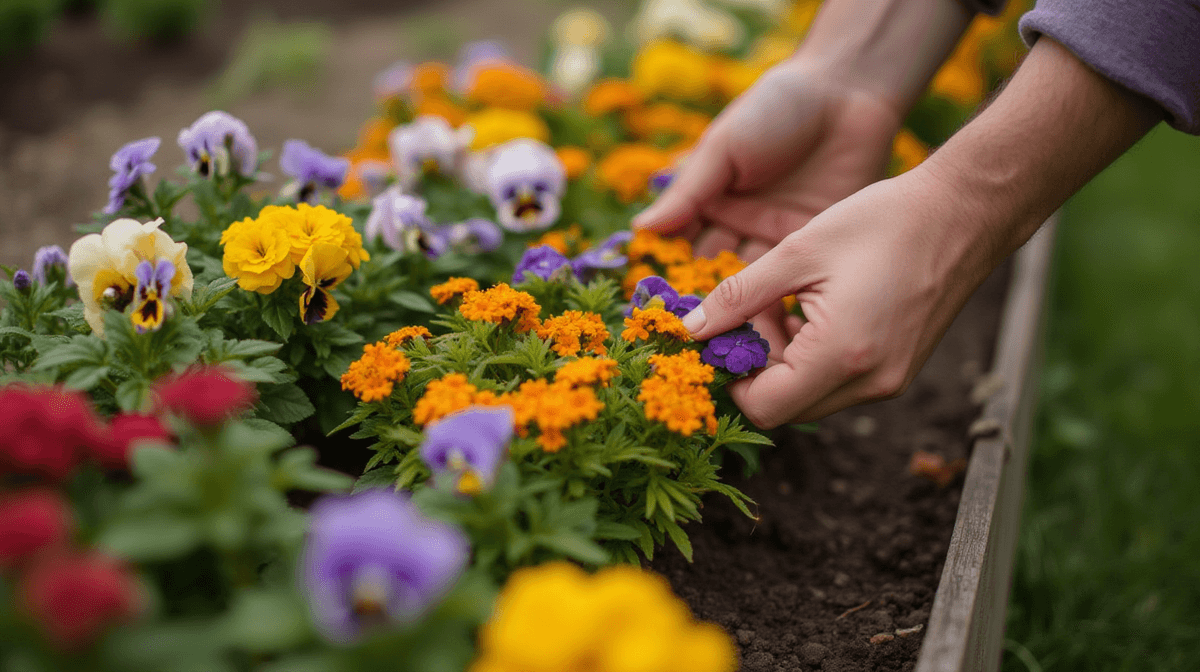
If you have a specific spot—perhaps near a walkway or under a window—that feels empty, a few hardy annuals can bridge the gap. In Zone 7, these don't need to be exotic; simple varieties that provide consistent color through September are enough to keep things looking fresh while your perennials settle in for the season.
The Power of Containers
Containers are my "secret weapon" for fall interest. They allow you to move a burst of color exactly where it’s needed most without disturbing the soil. A large pot filled with autumn-toned mums, ornamental peppers, or even some hardy succulents can provide a massive amount of visual impact on a porch or patio.
I often tell neighbors that if they don't have time to dig in new perennials right now, just grab three large pots and plant something hearty in them. It’s an easy way to get that "fall feel" without the long-term commitment of a full bed renovation. It keeps things looking intentional rather than neglected as the season shifts.
The Fall Maintenance Checklist (Zone 7)
Once you've established what you want your fall landscape to look like, you have to do the work to keep it healthy through the winter. In our zone, timing is everything. You want to be proactive before the first hard frost hits and the ground freezes.
Soil Preparation
By late September, I start thinking about mulch. A 2-3 inch layer of shredded hardwood mulch or straw helps suppress weeds and keeps the root systems of your new fall plantings insulated against temperature swings. This is especially important for those "structural" plants we discussed earlier; they need a stable environment to survive until spring.
Clean Up vs. Preservation
One mistake I made early on was being too aggressive with my "fall cleanup." In many cases, you want to leave the seed heads of your grasses and some perennials standing through the winter. They provide interest for the birds and look beautiful in the frost. Only cut back what is truly dead or diseased.
Timing Reference
| Month | Key Task | Why it matters |
|---|---|---|
| September | Mulching & Watering | Protects roots from drying out during late summer heat. |
| October | Dividing Perennials | Good time to split and move plants for next year's growth. |
| November | Final Pruning | Removing dead wood before the first deep frost. |
Avoiding the 'Brown Cliff': Common Mistakes in Autumn Design
The "Brown Cliff" is that moment in October when a garden suddenly looks like it’s died—not because the plants are actually dead, but because they were designed only for summer interest. If you rely solely on things that bloom and then disappear, your yard will hit that cliff very quickly.
Over-Reliance on Summer Blooms
If your entire design is based on zinnias or petunias, your garden will look like a wasteland by the first frost. You need those "structure" plants I mentioned earlier—the ones that keep their shape and texture even when they aren't producing flowers. A mix of 70% structure (grasses/shrubs) and 30% seasonal color is a much safer bet for a long-lasting look.
Poor Drainage Issues
I’ve seen many folks plant beautiful fall shrubs only to have them fail because the soil was too heavy or sat in a low spot. In Zone 7, drainage issues can become glaring problems as we move into the wetter months of late autumn and winter. If water sits around your base for more than a day after a heavy rain, you need to address the grade before the ground freezes solid.
Neglecting Texture
A common mistake is choosing plants that all have "flat" leaves. When you lose the height of summer flowers, you need different leaf shapes—think spiky grasses versus broad-leafed shrubs—to keep the garden looking full and intentional until spring arrives.
Your turn
What color are you planning for this fall? Share photos or list three favorite late-season bloomers in the comments!
🌿 Get Seasonal Gardening Tips
New guides, planting reminders, and growing tips — straight to your inbox.
No spam. Unsubscribe anytime.
About the Author
David Rodgers is the Founder & Head Gardener of Planting Atlas. With over 40 years of hands-on gardening experience in Oklahoma's Zone 7 climate, he researches, writes, and personally tests every guide on the site.
David draws from real backyard trials, soil testing, and trusted sources like Oklahoma State University Extension and USDA data to deliver practical, zone-specific advice that actually works.
Read more about David and Planting Atlas →