Loading…
←Back to Newsletters
Late Summer Planting: What to Grow When Everything Else is Bolting
Written by David Rodgers — 2026-08-05
A guide for Southern Zone gardeners looking past the initial spring rush.
The newsletter for backyard growers tired of advice that ignores their actual climate.
Southern GardeningHeat ToleranceFall HarvestZone 8-11
The Fall Planting Window: Why Now is the Time
I’ve spent forty years watching my neighbors wait until October to even think about their garden plans, but if you live in a warmer zone—specifically something like Zone 7 or higher—waiting that long means you're missing out on your best "second chance" of the year. In many parts of the South and Southwest, August isn't just the end of summer; it’s a critical transition window. We are moving away from the brutal, oppressive heat of July where even hardy plants struggle to keep their heads up, and toward a period where we can get crops in the ground that will produce before the first frost hits.
The reason this timing is so specific comes down to "heat stress." Many people think they have to wait for the air to cool down before planting anything new. While some crops definitely need cooler nights, there are several heavy hitters—things like okra and certain peppers—that actually thrive in that lingering late-summer heat. By getting these into your beds now, you aren't just "getting ahead" of the winter; you’re giving these plants a full 8 to 12 weeks to establish roots and produce before we have to worry about freezing temperatures. It's about timing the growth cycle so that when the first frost finally arrives, you've already had your harvest.
What Needs To Go In The Ground Right Now (And What Not To)
When it comes to late summer planting, there is a very clear line between what can handle our local humidity and heat and what will simply give up the ghost. I’ve learned through many seasons of trial and error that trying to force "cool-season" crops like lettuce or spinach into the ground in August is usually a losing battle; they'll bolt (go to seed) almost as soon as you put them in because of the lingering heat. Instead, we want to focus on the workhorses—the plants that actually enjoy some humidity and high temperatures.
For your late summer success, I recommend focusing on these categories:
| Crop Category | Recommended Options | Why they work now |
|---|---|---|
| Heat-Lovers | Okra, Eggplant, Peppers (Bell & Jalapeño) | They have thick skins and high heat tolerance. |
| Tough Vines | Indeterminate Tomatoes, Pole Beans | These can produce until the first frost. |
| Hardy Herbs | Rosemary, Thyme, Oregano | They handle the transition to fall well. |
Avoid planting heavy feeders that need long growing seasons or cool-weather greens like spinach and radishes until at least September or October, depending on your specific local frost dates. Stick to what loves the sun right now.
The Big Mistakes People Make When Planting in the Deep South
One of the most common mistakes I see—and one I made plenty of times early on—is overwatering as a way to "cool down" a plant that looks like it’s struggling with the heat. It seems logical: if it's hot, give it more water. However, in our humid climate, over-watering during a heat wave often leads to root rot or fungal issues because the soil stays too soggy for too long. The goal is deep, infrequent watering that encourages roots to go down where it’s cooler, rather than shallow daily sprinkles that just keep the surface wet and invite disease.
Another major pitfall is planting "too late" by trying to grow things that need a lot of time to mature in very little time. For example, if you wait until mid-September to plant a heavy-fruiting squash variety, it might not have enough time to produce before the first frost. You have to be honest about your local growing season. If the crop needs 100 days and you only have 60 left before the ground freezes, don't put it in. It’s better to have a successful harvest of something that fits your window than a sad, stunted plant that never gets to produce.
Setting Up Your Beds for Humidity and Heat: Soil Prep Matters
Before you even think about putting a seedling into the dirt, we need to talk about what's happening beneath the surface. In our region, the soil isn't just a place for roots; it’s a buffer against the elements. When the humidity is high and the sun is beating down, your soil needs to be able to hold onto moisture without becoming a swamp. I always recommend incorporating a good amount of compost or well-rotted organic matter into your beds before these late summer plantings.
Organic matter acts like a sponge; it helps the soil retain just enough moisture to keep the plants hydrated while also improving drainage so the roots don't sit in stagnant water during those heavy afternoon thunderstorms. Furthermore, I strongly suggest "prepping" the area by tilling or turning the soil slightly before you plant. This breaks up any heavy clumps that might trap water and create hot spots. If your soil is heavy clay—which many of us deal with here—adding organic matter is non-negotiable if you want to keep these late-season crops healthy enough to make it through October.
Step-by-step Guide: Planting Success in Hot Conditions
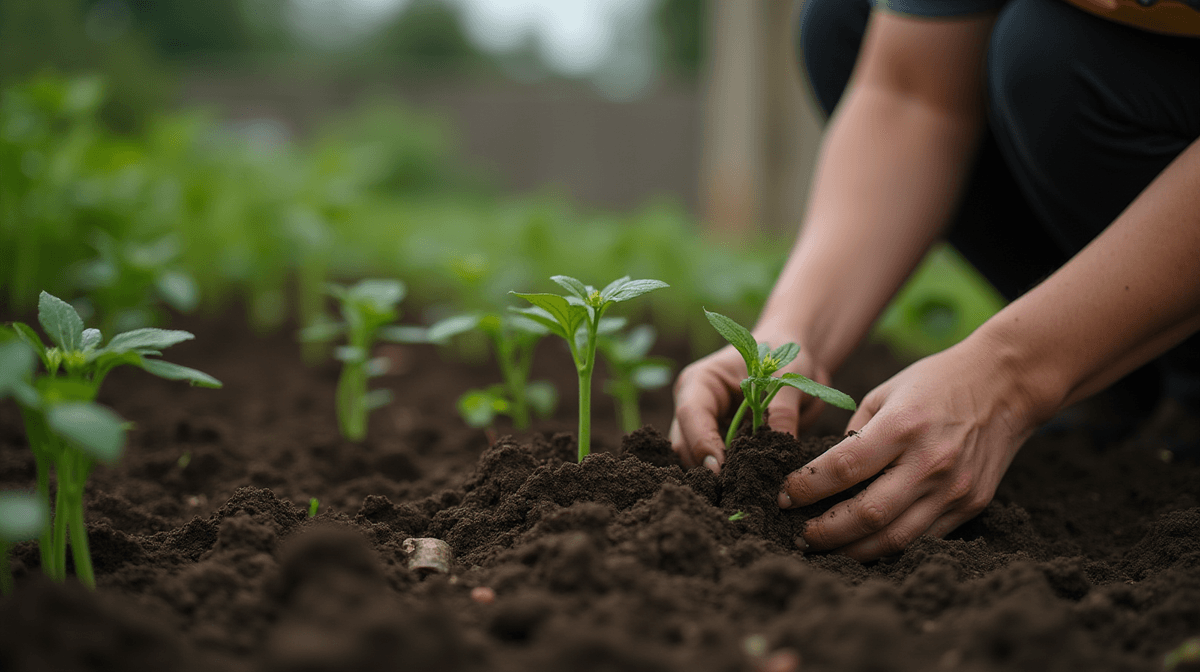
If you’re starting a new bed this week, follow these steps to give your plants the best chance of survival during the transition from summer to fall.
- Hardening Off: If you are buying starts from a nursery (which I often recommend for things like peppers and eggplants), don't just put them in the ground immediately. They need about 7–10 days of "hardening off." This means gradually exposing them to outdoor conditions—direct sun, wind, and varying temperatures—so they don't go into shock when you finally plant them.
- Mulch Aggressively: This is my most important piece of advice for the South. Apply a 3-to-4-inch layer of straw or shredded wooded mulch around your plants. This keeps the soil temperature stable and prevents moisture from evaporating too quickly in the afternoon sun.
- Space for Airflow: Because our humidity can lead to powdery mildew and other issues, don't crowd your plants. Give them enough room so that air can move freely between them. It’s better to have three healthy, well-spaced plants than five crowded ones struggling with fungus.
- Deep Watering: Instead of watering for 10 minutes every day, water deeply once or twice a week (depending on the crop). This forces the roots to grow deeper into the soil where it stays cooler and more consistent.
Making the Most of Southern Garden Ornamentals
While we're talking about fooded crops, don't forget that your garden can still be a showstopper during these months. Many people give up on their flowers in August because the "summer" blooms have faded. However, several varieties thrive specifically when it gets hot and humid. I always recommend planting perennials and annuals that are known for being "workhorses."
Lantana is one of my favorites for this reason; it loves the heat and produces colors all the way through the first frost. Salvia is another excellent choice—it's hardy, drought-tolerant once established, and handles our humidity much better than many other varieties. If you want some color that won't quit on you in September, look toward these types of plants. They provide a steady stream of blooms when others are wilting. By choosing the right variety for your zone—specifically those that have been proven to handle both high heat and local humidity—you can ensure your garden stays vibrant well into the fall months without having to constantly replace dying annuals every three weeks.
Your turn
What are you hoping to harvest before winter? Let me know in the comments below! Share this with another gardener who lives south of Florida.
🌿 Get Seasonal Gardening Tips
New guides, planting reminders, and growing tips — straight to your inbox.
No spam. Unsubscribe anytime.
About the Author
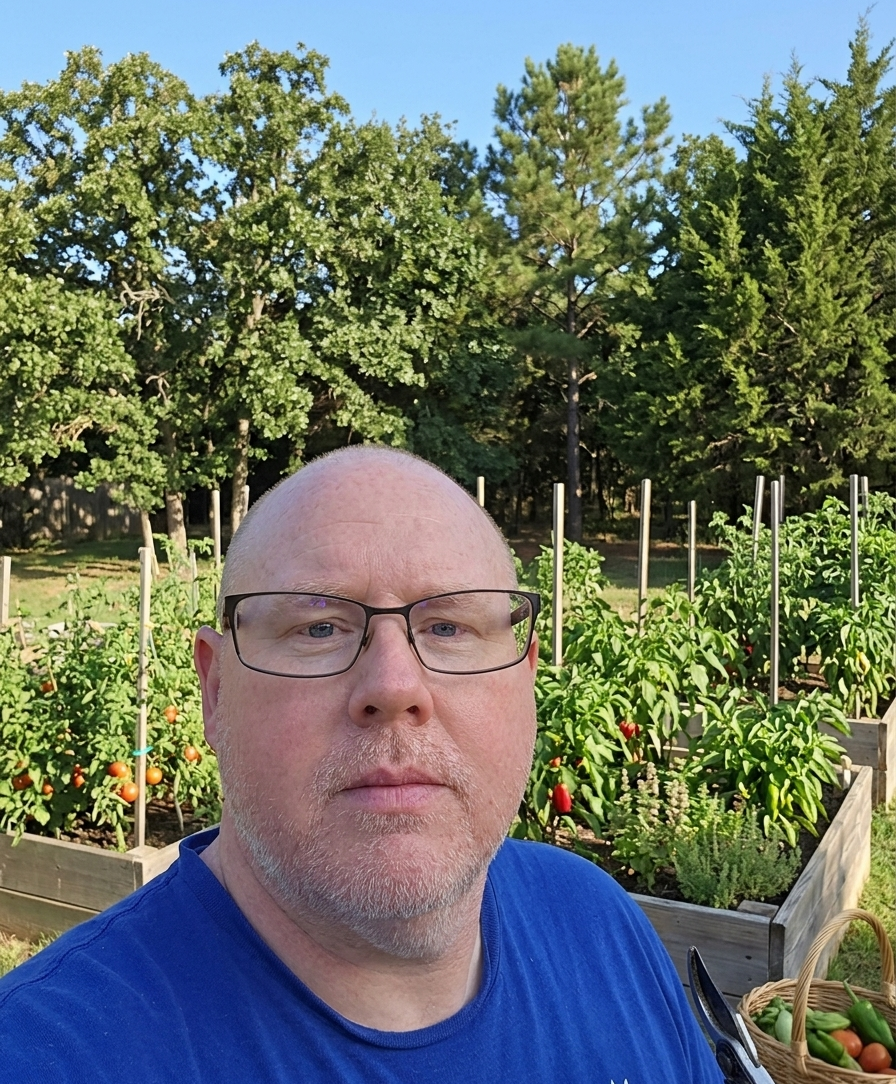
David Rodgers is the Founder & Head Gardener of Planting Atlas. With over 40 years of hands-on gardening experience in Oklahoma's Zone 7 climate, he researches, writes, and personally tests every guide on the site.
David draws from real backyard trials, soil testing, and trusted sources like Oklahoma State University Extension and USDA data to deliver practical, zone-specific advice that actually works.
Read more about David and Planting Atlas →