Loading…
←Back to Newsletters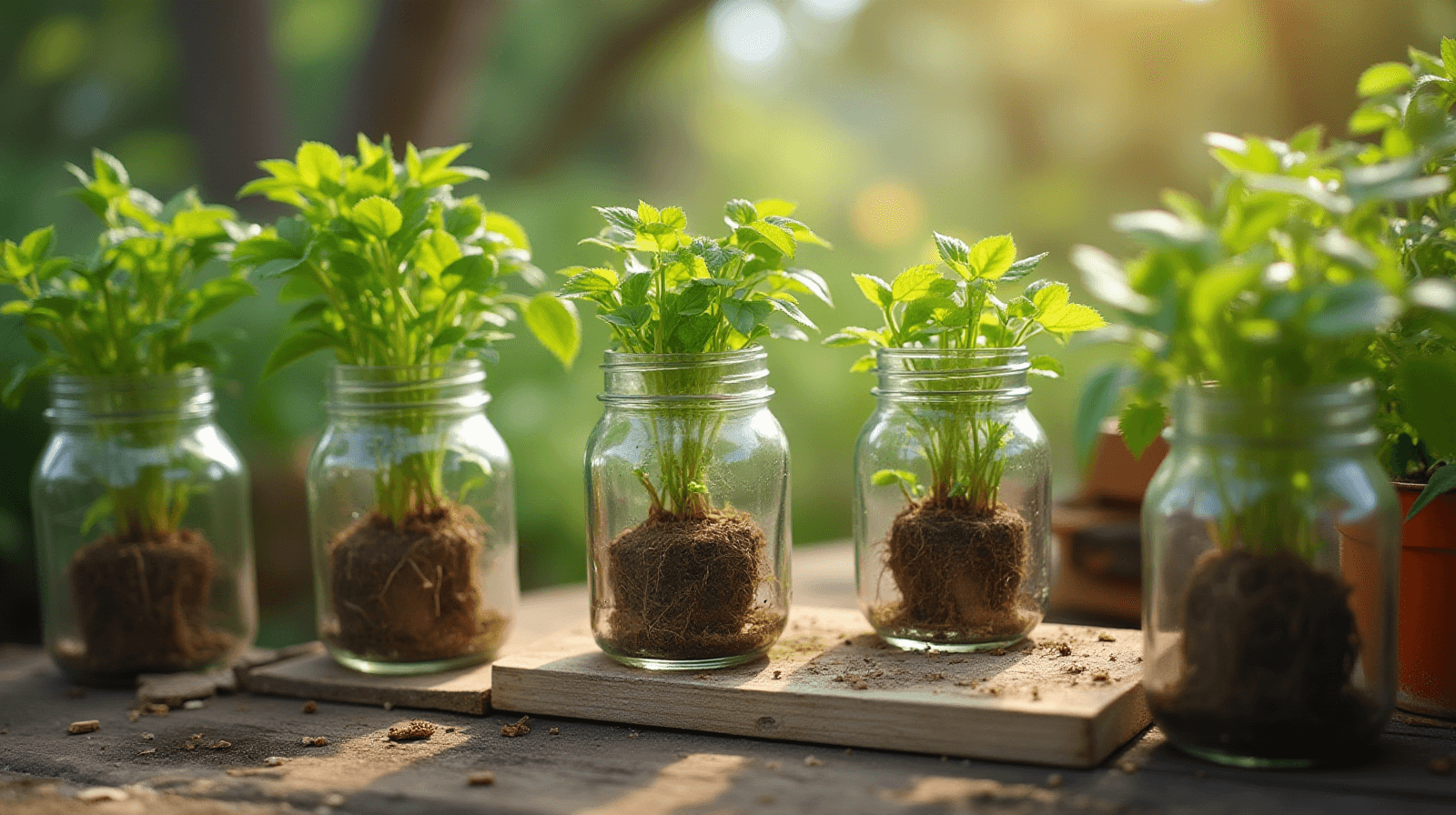
Hydroponics From Scratch · Part 2
Kratky Method: Growing Plants in Water Instead of Dirt
Written by David Rodgers — 2026-10-13
A simple, low-tech way to start soilless gardening today.
The newsletter for backyard growers who want successful food without the plumbing nightmare.
HydroponicsBeginner GardeningContainer GardeningSoilless Systems
What is this 'hydroponics' thing anyway? (And why it's not rocket science)
Hydroponics sounds like something out of a high-tech laboratory, but if you strip away the fancy terminology, it’s really just about how we feed the plant. In a traditional garden, soil acts as the "middleman"—it holds onto water and nutrients, slowly releasing them to the roots. Hydroponics simply cuts that middleman out by delivering those same components directly into an aqueous solution.
Think of it as moving from a sponge-based system to a direct-delivery system. I’ve seen many folks get intimidated by the word "hydroponics" because they imagine complex plumbing, electricity-hungry pumps, and glowing sensors. It doesn't have to be that way. At its core, hydroponics is just any method of growing plants in water instead of soil. If you can grow a plant in a pot of dirt, you can technically grow one in water; you just have to make sure it has the right balance of minerals and enough oxygen so it doesn't suffocate. It’s not rocket science—it’s just a different way to manage your garden resources.
The simplest start: The Kratky Method.
If you want to try out soilless growing without the headache of building a complex system, the Kratky Method is my go-to recommendation. It's what we call a "passive" hydroponic system because it requires no pumps and zero electricity. In a Kratky setup, your plant sits in a container—like a bucket or a large jar—filled with nutrient-rich water.
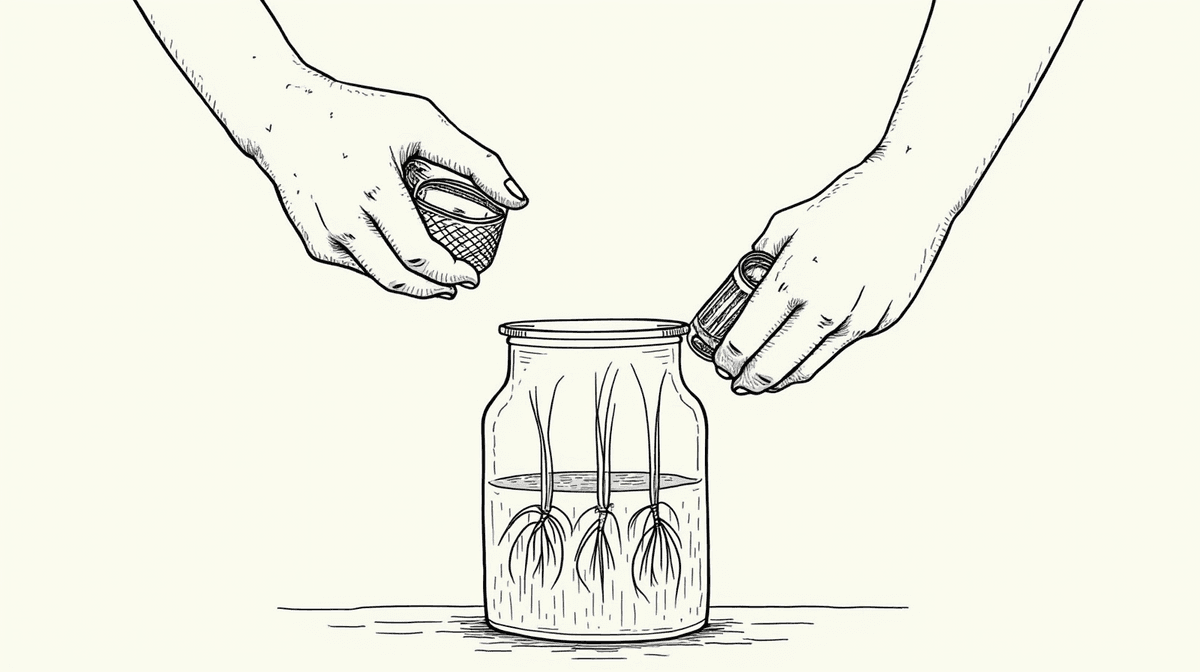
The trick to making this work is the oxygen gap. You place the plant in a net pot (a small basket) filled with some growing media like clay pebbles. The bottom half of the root system stays submerged in the water to drink, while the top half grows out into an air pocket above the waterline. This allows the roots to "breathe" while staying hydrated. Because there are no moving parts or constant levels to monitor, it is incredibly stable and forgiving for beginners. It’s a great way to get your feet wet with hydroponics before you decide if you want to invest in more complex systems later on.
When this fails (And how to spot it before your plant dies)
Even though the Kratky method is simple, it isn't magic; things can go wrong if you aren't watching for a few specific red flags. One of the most common issues I see with beginners is algae growth. If your water reservoir isn’t opaque—meaning light can get in—the sun will hit that water and turn your container into a green, slimy soup. Algae competes with your plant for nutrients and makes things messy fast.
Another hurdle is "nutrient concentration." In the heat of summer, water evaporates from your container. While the water level drops, the minerals (the food) stay behind. If you don't keep an eye on it, those minerals can become too concentrated, leading to what we call "nutrient burn," where the tips of your leaves turn brown and crispy. Finally, watch the roots themselves. They should look like white, fuzzy hair. If they start looking brown, slimy, or smell funky, that’s a sign of low oxygen—usually because the water is too warm or there isn't enough room for air to circulate around the root mass.
Keeping things running in our Oklahoma climate.
Growing soilless crops in an Oklahoma (Zone 7) environment adds some specific hurdles you need to plan for, primarily dealing with heat and evaporation. During the peak of summer, high temperatures can make your nutrient solution much more volatile than it would be in a cooler climate. When the humidity spikes or the sun beats down on a container, water evaporates quickly, causing those mineral levels to spike rapidly.
To manage this locally, I recommend starting these systems during the "shoulder" seasons—late spring and early fall—when the air is slightly cooler and more stable. If you want to run them through the summer months, you must use opaque containers (to block light) and keep them in a location with good airflow or some dappled shade.
| Season/Condition | Risk Factor | Action Plan for Zone 7 |
|---|---|---|
| Peak Summer (July-Aug) | High evaporation & heat stress | Use dark, opaque containers; provide extra shading to keep water cool. |
| Late Spring / Early Fall | Ideal growth window | Best time to establish new Kratky systems and learn the ropes. |
| High Humidity Days | Potential for root rot | Ensure your container has a large enough "air gap" above the water line. |
Step-by-step: Setting up your first jar this weekend.
You can get a basic Kratky system running this weekend with some simple items from a local hardware store or garden center. Don't overcomplicate it; you don't need a high-tech setup to see success in the beginning.
- The Container: Grab an opaque bucket, large jar, or heavy-duty tote. It must be dark enough that no light can reach the water inside, which prevents algae growth.
- Net Pots and Media: Use "net pots"—these are plastic baskets with holes—to hold your plant. Fill these with a stable growing medium like expanded clay pebbles (LECA) or perlite. These don't break down over time and provide great structure for the roots.
- The Nutrient Solution: You must use a dedicated hydroponic nutrient mix. Standard garden fertilizers often lack the specific micronutrients needed when there is no soil to buffer them.
- Assembly: Place your net pot in the top of the container. Fill it with media and plant your seedling. Add enough water so that roughly 50% to 70% of the root mass is submerged, leaving the rest in the air gap to breathe.
What to plant and what not to waste time on.
Not every plant thrives in a Kratky setup, so it’s important to choose your "starter" crops wisely. You want plants that have relatively shallow roots and don't demand massive amounts of nutrients just to produce something edible for your table.
The Winners:
- Leafy Greens: Lettuce is the gold standard for this method. It grows fast, stays compact, and loves being in a water-based system.
- Herbs: Basil, mint, and cilantro are excellent choices. They can be tucked into small jars on a sunny windowsill or porch_and they will reward you with plenty of foliage.
- Small Veggies: You can successfully grow some smaller varieties like cherry tomatoes or peppers, but these require more careful monitoring as the plant grows larger.
The "Don't Bother" List:
- Heavy Feeders: Do not try to grow large melons, pumpkins, or massive summer squash in a single Kratky jar. These plants are designed for high-volume soil environments; they will quickly outgrow your container and demand more nutrients than a small amount of water can provide. They will likely fail before you get a harvest. Stick to the "small wins" first—once you’ve mastered lettuce and herbs, then we can talk about larger systems for those hungry crops like tomatoes.
Your turn
Are you ready to try ditching the dirt? Send us a photo of your first setup!
Next issue
Next up, we'll talk about 'the three numbers': nutrients, pH, and electrical conductivity. This is where most beginners get confused, but it’s actually pretty simple once you know what they mean.
🌿 Get Seasonal Gardening Tips
New guides, planting reminders, and growing tips — straight to your inbox.
No spam. Unsubscribe anytime.
About the Author
David Rodgers is the Founder & Head Gardener of Planting Atlas. With over 40 years of hands-on gardening experience in Oklahoma's Zone 7 climate, he researches, writes, and personally tests every guide on the site.
David draws from real backyard trials, soil testing, and trusted sources like Oklahoma State University Extension and USDA data to deliver practical, zone-specific advice that actually works.
Read more about David and Planting Atlas →